Know Your Chimney Parts: A Practical Guide for Denver Homeowners
 Knowing your chimney parts is the difference between catching a small problem on a Tuesday and paying for a big one in January. A chimney isn't just a brick box on your roof. It's a stack of pieces that each do a job, and when one of them quits, the whole system stops working the way it should. Here in Denver, where the cold sets in hard and the freeze-thaw never really lets up, that matters more than it does in milder places.
I've written this the way I'd explain it standing on your roof. No fluff, no scare tactics. Just what each part does, how to tell when it's failing, and what we'd do about it. By the end you'll be able to look at your own chimney and have a pretty good idea of what's going on up there.
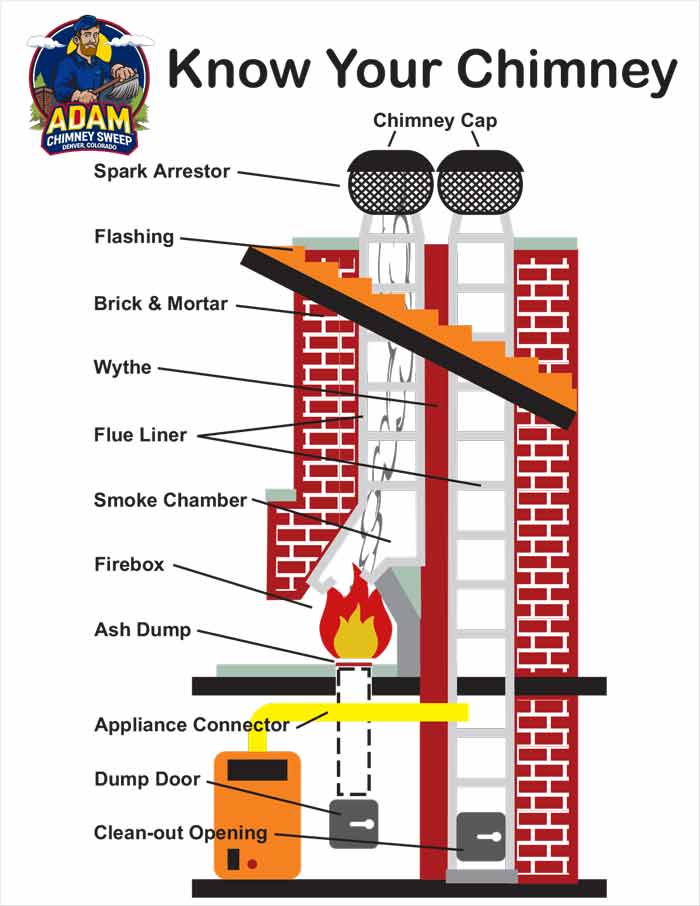 Chimney Parts Explained!
Half my callbacks start the same way. Somebody points at their chimney and says they have no idea what any of it does. That's fine, nobody teaches this stuff. But once you know the cap from the crown and the flue from the liner, you can spot trouble early and save yourself a real headache. That's the whole reason I bother explaining the parts to every customer.
- Adam, Owner, Adam Chimney Sweep
The Anatomy of a Chimney
A chimney is a set of connected parts, and they all pull together to push harmful gases out, keep the air moving the right direction, and protect your house from heat and water. Here's a breakdown of the pieces that matter most.
| Chimney Part | Function | Material | Maintenance Tips |
|---|---|---|---|
| Chimney Cap | It prevents debris, animals, and water from entering the chimney. It also helps minimize downdrafts and blocks embers from escaping. | Stainless steel, copper, or galvanized steel | Check annually for damage, rust, or clogging. Ensure the mesh screen is intact to prevent small animals and debris from entering. Replace if bent or compromised. |
| Flue | It provides a secure passageway for smoke, gases, and heat to exit the fireplace and vent safely outside. It also protects surrounding materials from heat damage. | Clay tiles, stainless steel, or aluminum | Inspect for cracks, chips, or creosote buildup. Clean regularly to remove soot and buildup to ensure proper airflow and prevent chimney fires. Schedule professional inspections annually. |
| Smoke Chamber | Compresses and directs the significant exhaust gases from the firebox into the smaller flue, ensuring an efficient draft and preventing backdrafts. | Masonry (brick or mortar) or prefabricated steel | Ensure the walls are parged (smoothed with a heat-resistant coating) for improved draft efficiency. Repair cracks promptly to prevent dangerous leaks and airflow inefficiency. |
| Damper | Controls airflow to manage the fire’s intensity and retains indoor air by closing when the fireplace is not used. | Cast iron, stainless steel, or aluminum | Lubricate moving parts to avoid rust or stiffness. Test functionality before each season. Replace worn-out gaskets for an airtight seal. Consider upgrading to a top-sealing damper for energy efficiency. |
| Chimney Liner | It acts as a protective barrier for the chimney walls against heat, corrosion, and combustion byproducts. It improves energy efficiency and reduces fire hazards. | Clay tiles, stainless steel, or aluminum | Inspect after severe weather or extended non-use. Repair or replace sections showing signs of wear, rust, or cracks. Use insulated liners to enhance performance in colder climates like Denver. |
| Crown | It protects the chimney’s structural integrity by sealing its top and directing water away from the flue and masonry. This prevents moisture infiltration and freeze-thaw damage. | Reinforced concrete or metal | Inspect annually for cracks or erosion. Apply a waterproof sealant every 3–5 years to prolong durability. Repair small cracks with crown coating materials to prevent water damage. |
Download a PDF file explaining your chimney parts.
How the Parts Work Together, Step by Step
The table tells you what each piece is. This part tells you how they hand off to each other once you light a fire. When folks picture it as one moving system instead of a pile of separate parts, the maintenance suddenly makes a lot more sense.
- The fire heats the air in the firebox. Hot air wants to rise, and that rising air is what creates draft. No heat, no draft, which is why a cold flue can puff smoke back at you for the first minute or two.
- Smoke and gas climb into the smoke chamber. This is the funnel-shaped space above the firebox. It squeezes a wide column of exhaust down so it can fit into the narrower flue without choking up.
- Everything travels up the flue. The flue is the actual channel running the height of the chimney. The liner sits inside it and takes the heat and the acidic byproducts so the masonry doesn't have to.
- The damper controls how much air feeds the fire. Open it wide for a strong burn, ease it down to slow things, and shut it tight when the fire's out so your heated indoor air doesn't escape straight up the stack.
- Gases exit past the crown and cap. The crown sheds water off the top of the masonry. The cap sits above the flue opening and keeps rain, critters, and stray embers from going where they shouldn't.
Knock out any one of those steps and you feel it. A clogged flue means smoke in the room. A stuck damper means a cold draft all winter or a fire that won't catch. A cracked crown lets water in, and water is the slow killer of every masonry chimney in this state.
Common Chimney Issues in Denver Homes
Denver’s unique climate and weather patterns can pose specific challenges for chimneys:
- Creosote Buildup
Burning wood in fireplaces generates creosote, a highly flammable residue. Accumulated creosote increases the risk of chimney fires, so regular cleaning by certified chimney sweeps is essential. - Moisture Damage
Snow and rain can seep into cracks, leading to freeze-thaw cycles that damage masonry. Installing a sturdy chase cover and waterproofing your chimney can mitigate these effects. - Animal Intrusions
Birds, squirrels, and raccoons often seek shelter in chimneys. A well-fitted chimney cap with a mesh screen can keep these unwanted guests out.
Warning Signs One of Your Chimney Parts Is Failing
You don't need a ladder to catch most of these. A lot of what we find on a service call shows up first inside the house, where you spend your evenings. Keep an eye out for any of these:
- Smoke drifting back into the room. Usually a blocked flue, a closed or stuck damper, or a cap packed with debris.
- White, chalky staining on the brick. That's efflorescence, and it means water is moving through the masonry. Often the crown or cap is the culprit.
- A damp, musty, campfire smell, especially in summer. Moisture is getting in and soaking old creosote. That smell is your chimney telling you the cap or crown isn't doing its job.
- Rust on the damper or firebox. Metal doesn't rust without water, so rust up top means water is getting past the cap.
- Bits of tile or mortar in the firebox. Little chips of clay or grit on the floor of your fireplace can mean the liner is breaking down inside.
- A damper that won't budge. A frozen or rusted-shut damper is both an energy leak and a sign rust has set in.
Catch any of these early and the fix is usually cheap. Let them ride for a couple of seasons and the same problem turns into a rebuild.
Chimney Parts
-
Sale!
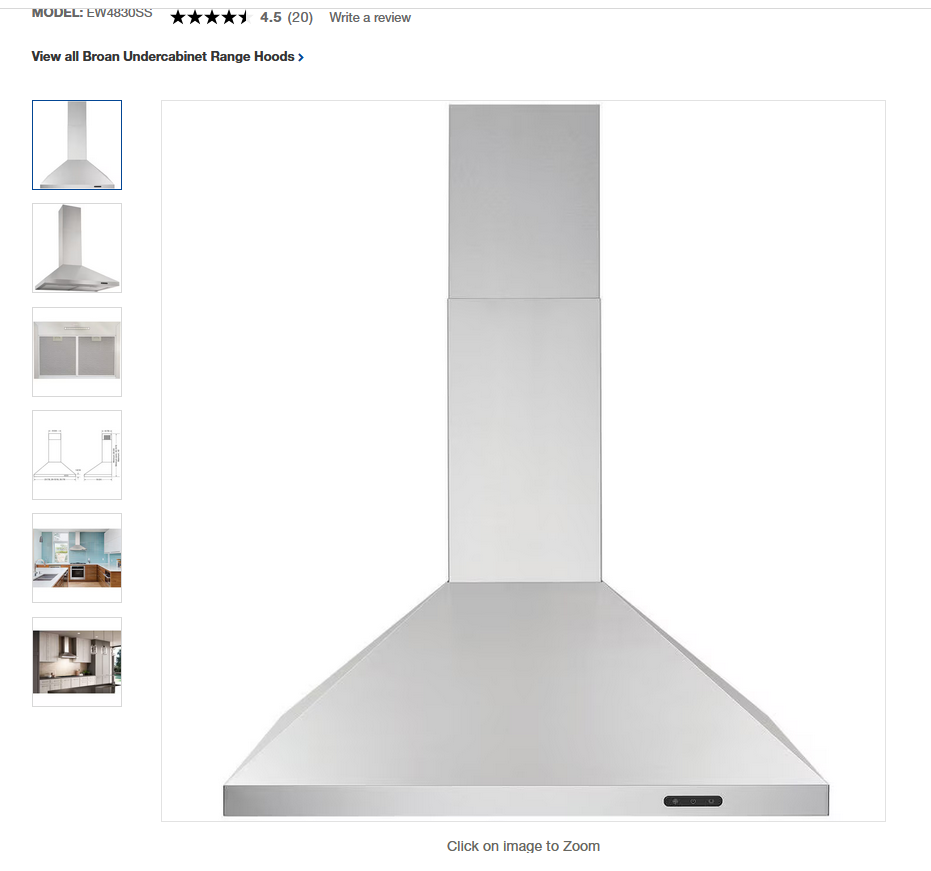
Broan Elite EW48 Series 30-Inch Range Hood: Kitchen Ventilation for Colorado Homes
Original price was: $978.00.$888.00Current price is: $888.00. Add to cart -
Sale!
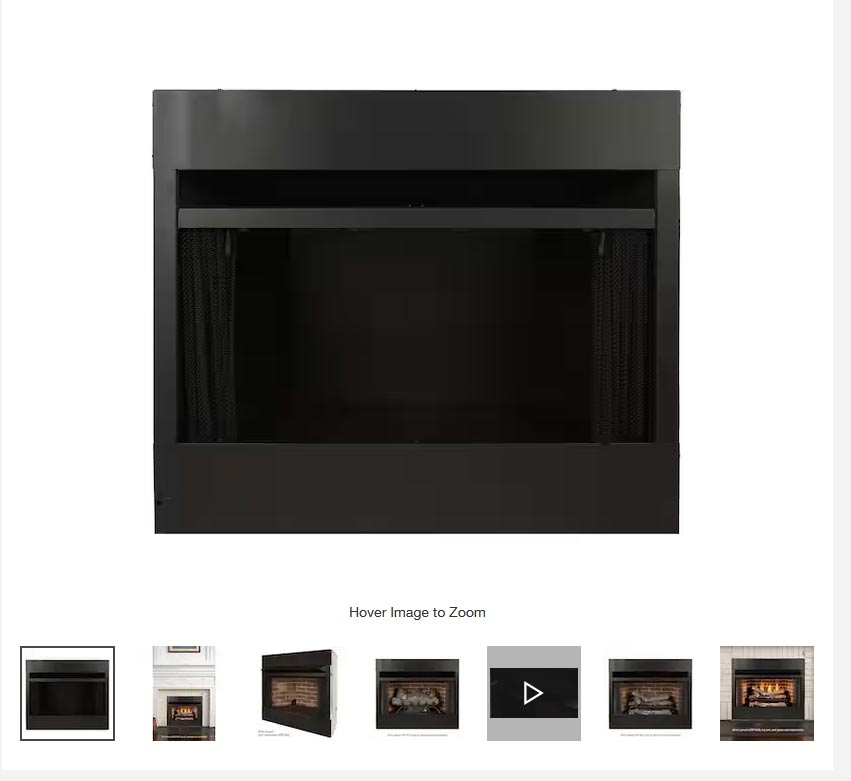
Pleasant Hearth 36-Inch Vent-Free Firebox Insert: Complete Denver Installation Guide
Original price was: $1,128.00.$738.00Current price is: $738.00. Add to cart -
Sale!
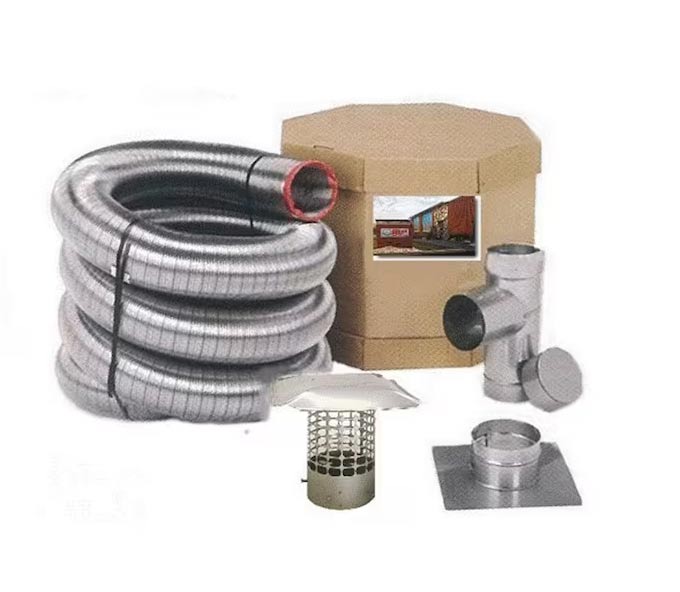
Professional-Grade 6-Inch Stainless Steel Chimney Liner
Original price was: $1,275.00.$910.00Current price is: $910.00. Add to cart -
Sale!
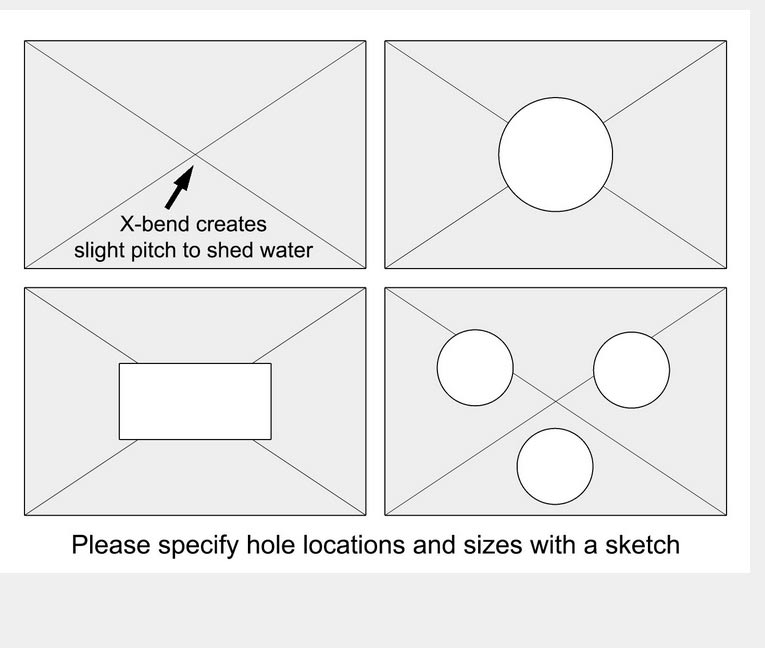
Broan Elite EW48 Series 30-Inch Range Hood: Kitchen Ventilation for Colorado Homes
Original price was: $1,100.00.$850.00Current price is: $850.00. Add to cart -
Sale!
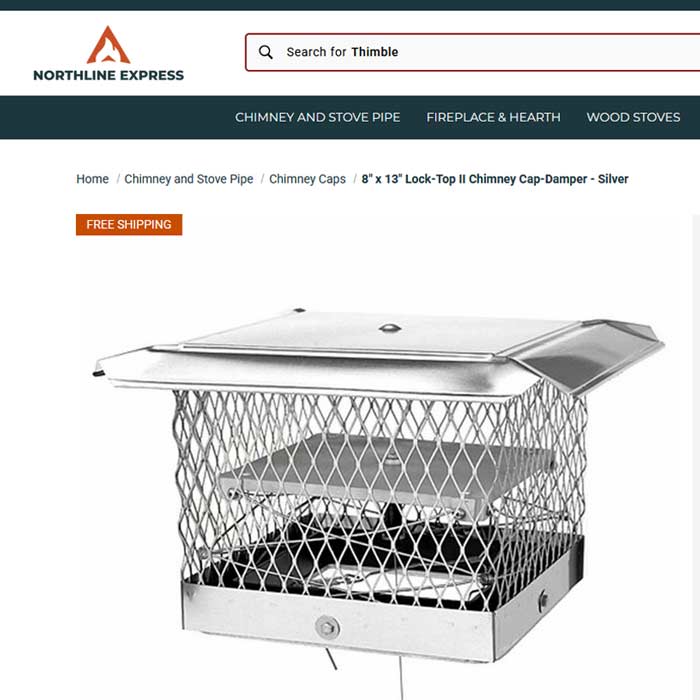
Northline Express 8″ x 13″ Lock-Top II Chimney Cap-Damper
Original price was: $550.00.$520.00Current price is: $520.00. Add to cart -
Sale!
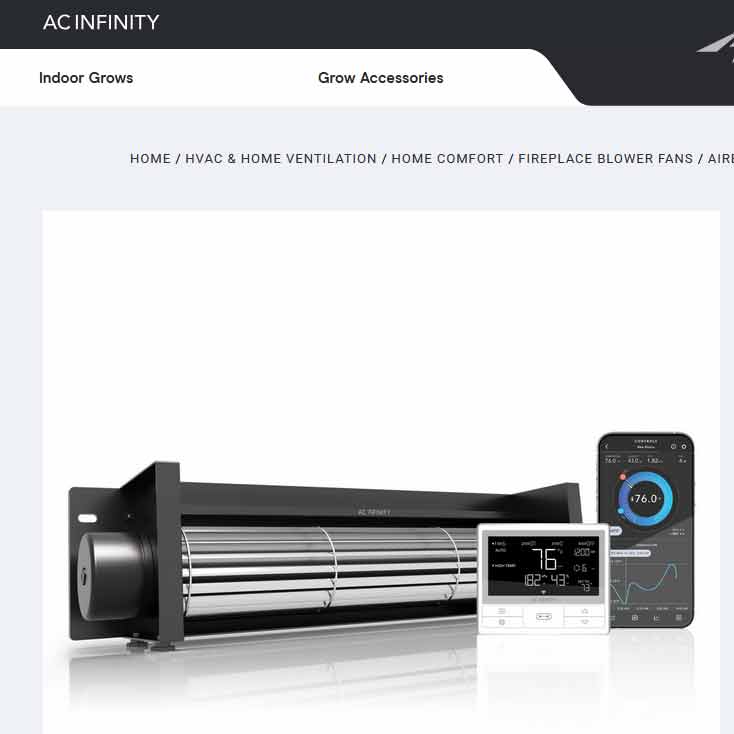
AIRBLAZE T14 Fireplace Blower Fan: The Ultimate Heating Solution for Colorado
Original price was: $260.00.$230.00Current price is: $230.00. Add to cart -
Sale!
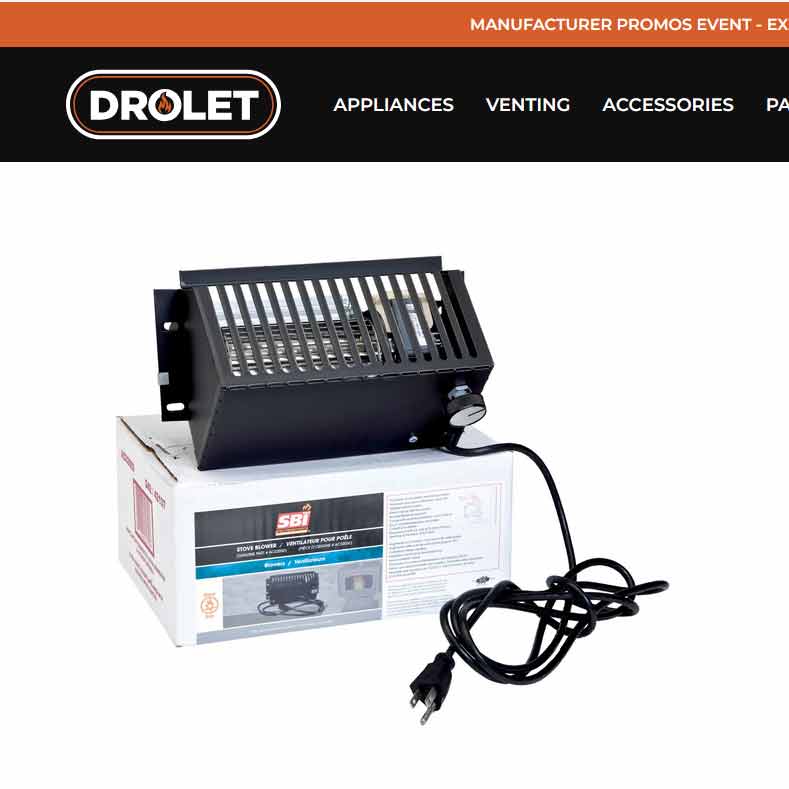
Blower with Variable Speed Control | 100 CFM for Colorado’s Central Counties
Original price was: $340.00.$260.00Current price is: $260.00. Add to cart -
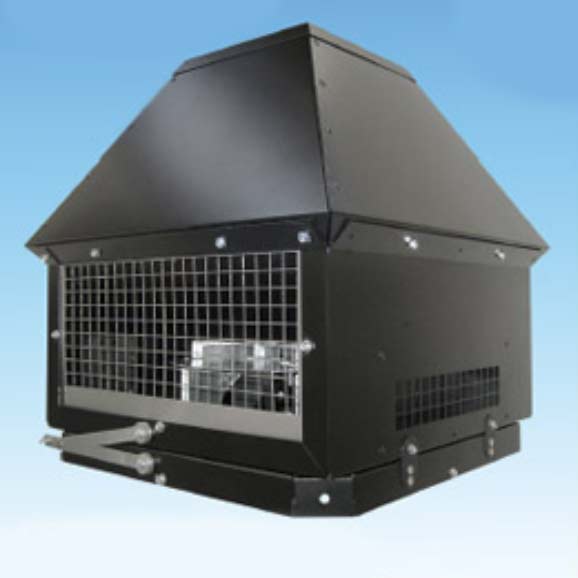
Tjernlund RT-H Series Chimney Top Draft Inducers
$1,950.00 Add to cart -
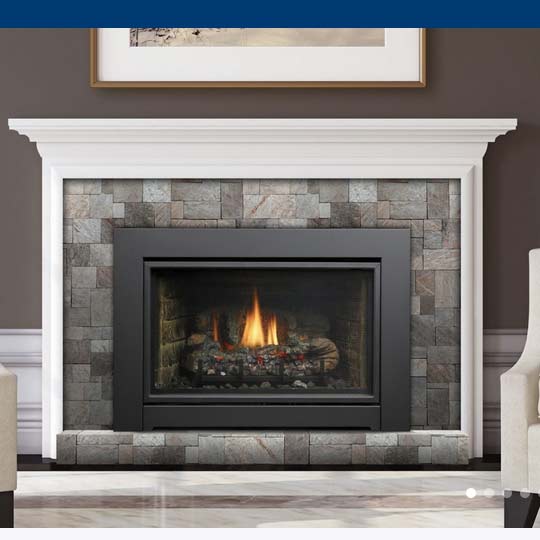
IDV24/IDV34/IDV44 Direct Vent Gas Fireplace Insert
$3,900.00 Add to cart -
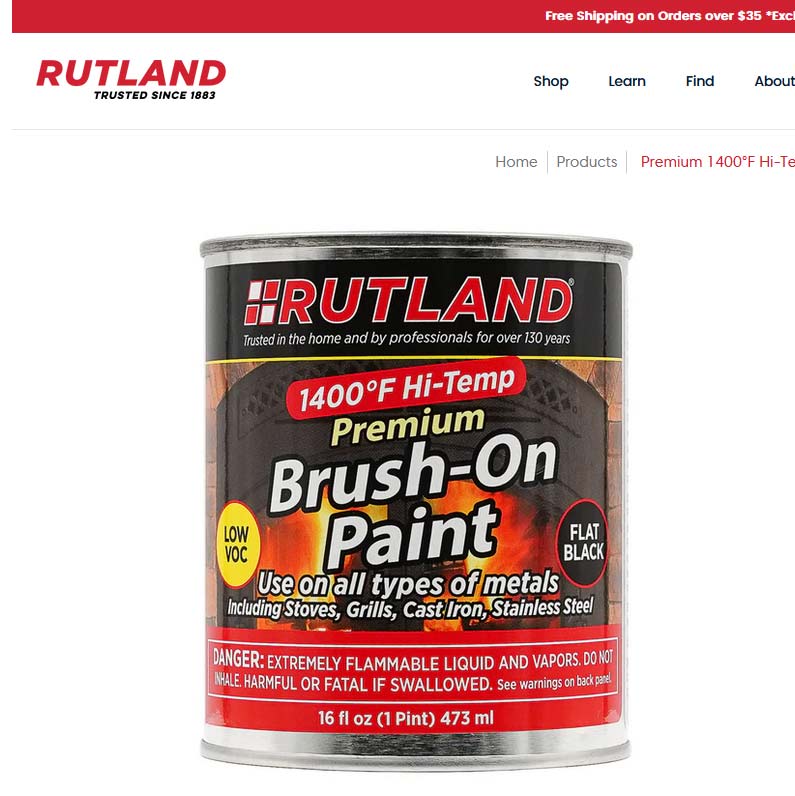
Premium 1400°F Hi-Temp Brush-On Paint
$70.00 Add to cart -
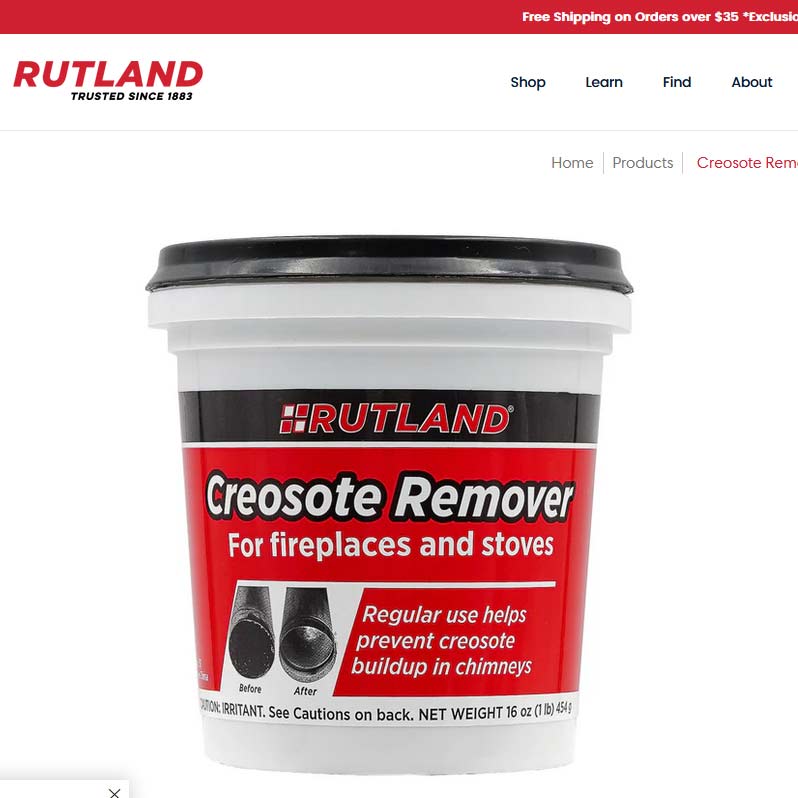
Rutland Creosote Remover: Essential for Chimney Maintenance in Colorado
$25.00 Add to cart -
Sale!
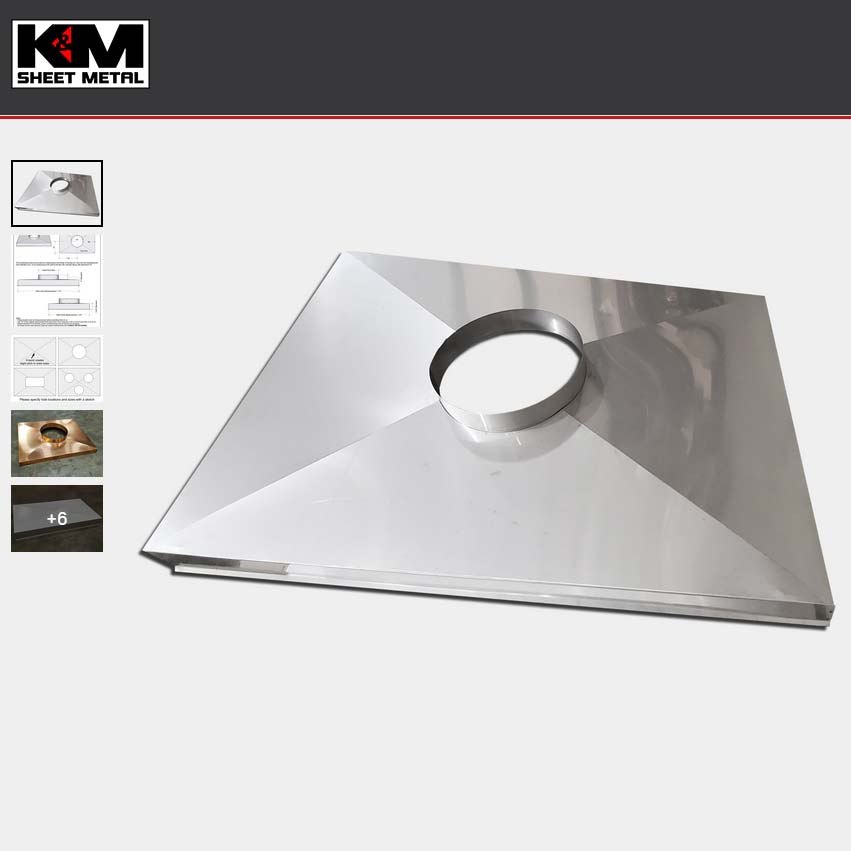
Chimney Chase Cover Installation
Original price was: $530.00.$350.00Current price is: $350.00. Add to cart -
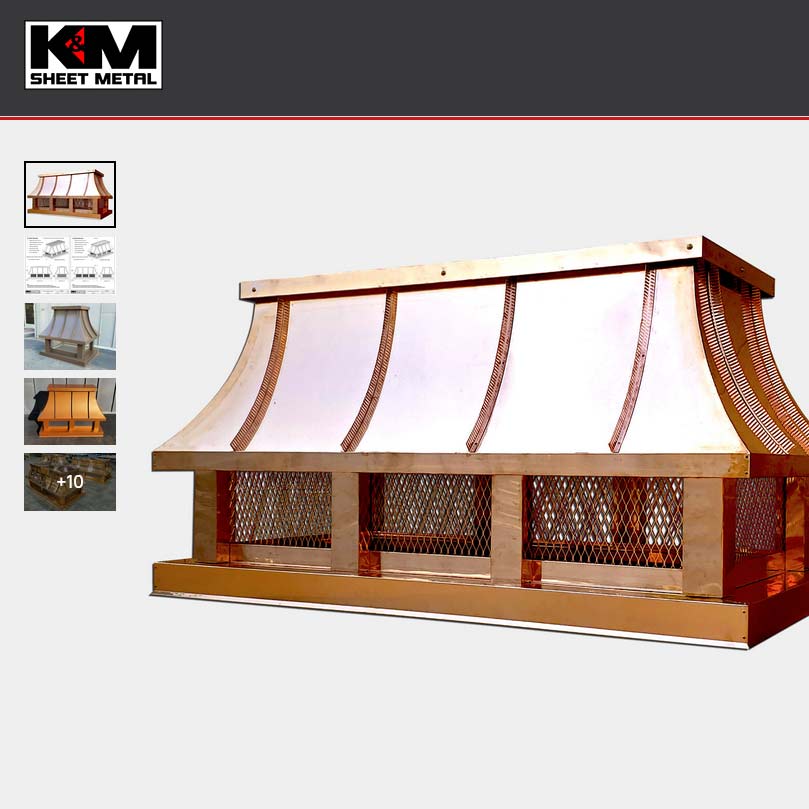
K&M Concave Roof Chimney Cap / Shroud
$1,610.00 Add to cart -
Sale!
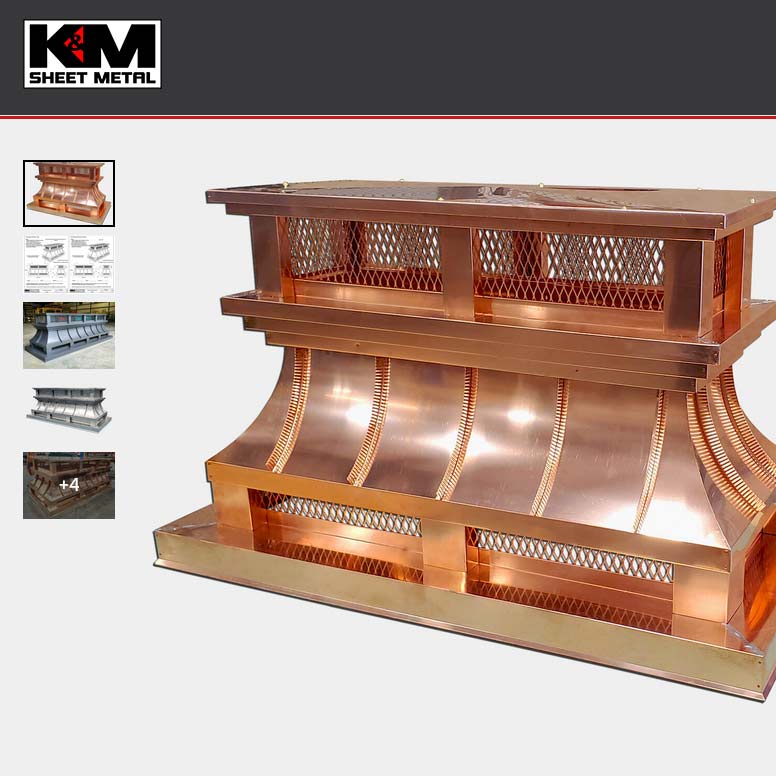
K&M The Royal Chimney Cap / Chimney Shroud
Original price was: $2,995.00.$2,495.00Current price is: $2,495.00. Add to cart -
Sale!
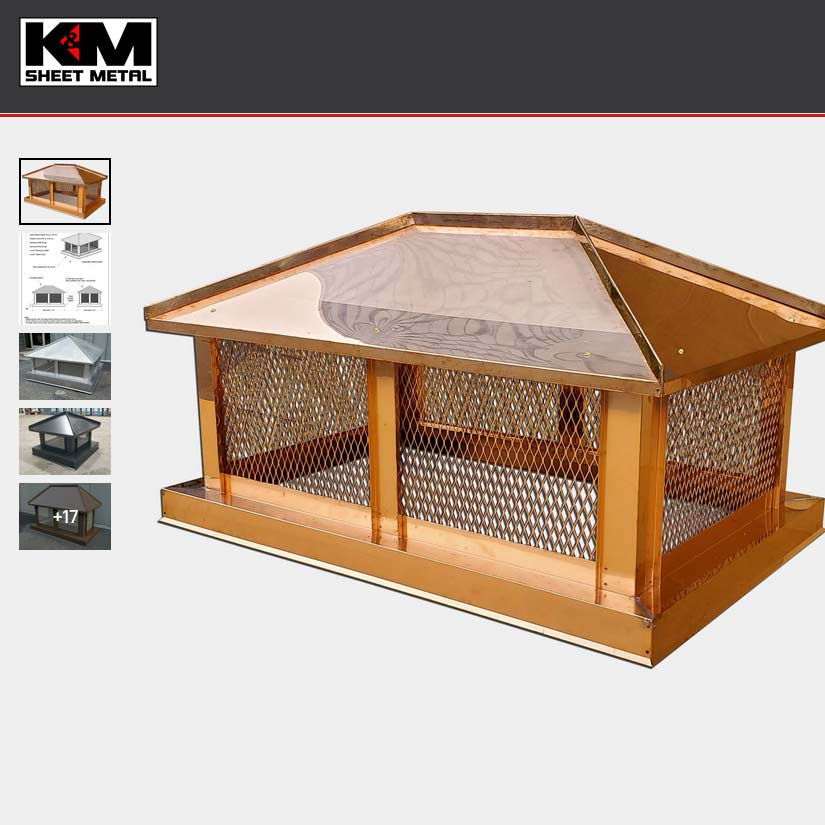
K&M Custom Hip and Ridge Multi-Flue Chimney Caps
Original price was: $1,150.00.$980.00Current price is: $980.00. Add to cart -
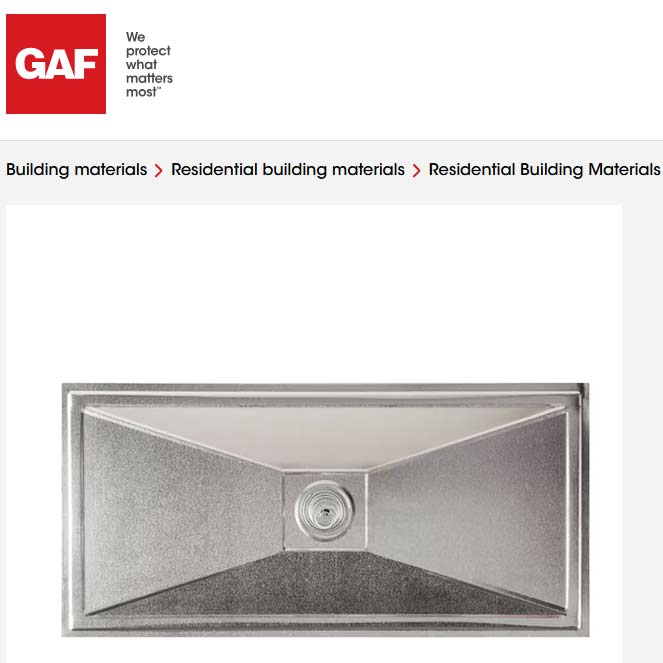
Master Flow® Foundation Vent Covers
Read more
Chimney Maintenance Schedule
| Task | Frequency | Why It Matters |
|---|---|---|
| Chimney Inspection | Annually | Identifies structural issues and ensures proper functioning. |
| Professional Cleaning | Every 1-2 years (or as needed) | Removes creosote and debris to prevent blockages and fires. |
| Waterproofing Treatment | Every 5 years | Protects against moisture damage caused by Denver’s snowfall. |
| Cap and Crown Check | After major storms | Ensures the chimney remains sealed and protected from water. |
One thing worth saying about that schedule: it isn't busywork I made up. The yearly inspection is the standard the Chimney Safety Institute of America recommends for any chimney that gets used, and it's the cheapest insurance you'll ever buy on your fireplace. An inspection runs a fraction of what a flue repair or a chimney fire costs, and it usually turns up the small stuff while it's still small.
Energy Efficiency Tips for Denver Homes
With energy efficiency being a priority, here are some ways to improve your chimney’s performance:
- Install a Top-Sealing Damper
Reduce heat loss with a damper that seals tightly when the fireplace is unused. - Use Seasoned Firewood
Dry wood burns cleaner and generates less creosote. - Add Chimney Liner Insulation
Boost draft performance and reduce the risk of cold air infiltration.
People ask me which part is worth spending money on, and nine times out of ten my answer is the liner. It's the one piece doing the hardest work, taking all that heat and acid year after year, and you never see it. A good stainless liner sized right for your fireplace makes the draft better, the burn cleaner, and the masonry behind it lasts. Skimp there and you'll feel it in the smoke and the heating bill.
- Adam, Owner, Adam Chimney Sweep
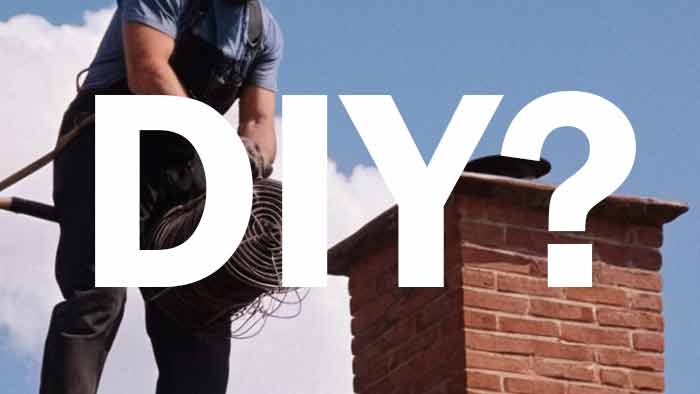 Diy Chimney Sweep, Is It Possible?
Why Professional Services Matter
DIY chimney maintenance may seem appealing, but a professional inspection ensures safety and effectiveness. Our team at Adam Chimney specializes in:
- Chimney relining with durable stainless steel liners.
- Installing custom-fitted chimney caps for superior protection.
- Comprehensive cleaning using advanced chimney cleaning tools.
You can do plenty yourself, and I'm glad when homeowners stay on top of their fireplace. Sweeping out the firebox, checking that the damper swings free, keeping an eye on the brick from the ground, all of that is fair game. Where I'd draw the line is anything you can't see clearly from the floor of your living room. The flue, the liner, the crown, the smoke chamber, those need eyes and a camera up close, and that's the part of the job we do every day. If you want a full picture of what's going on up there, our chimney inspection in Denver walks the whole system top to bottom and you get a straight answer on what, if anything, needs doing.
Customer Story: A South Broadway Success
Last winter, a family near South Broadway in Denver noticed smoke backing into their living room. Upon inspection, we found a blocked flue caused by debris and creosote buildup. Our team thoroughly cleaned and installed a new stainless steel chimney cap to prevent future blockages. The family now enjoys a warm, smoke-free home each winter.
Enhancing Chimney Care for Modern Homes
As Denver’s homes evolve with modern heating technologies and architectural styles, chimney care must adapt to meet new safety, efficiency, and environmental standards. Here are some advanced strategies and considerations for maintaining your chimney system in today’s world:
The Role of Smart Technology in Chimney Maintenance
The rise of smart home technology has extended to chimney care. Modern tools and devices can help you monitor and maintain your system more effectively:
- Smart Chimney Caps
These caps have sensors that detect obstructions, water entry, or downdrafts and send alerts directly to your smartphone. - Digital Draft Monitors
These devices track the airflow and combustion efficiency in real-time, helping you adjust for optimal performance. - Remote Damper Systems
Upgrade to motorized dampers that can be operated remotely, improving energy efficiency with simple app control.
 Eco-Friendly Chimney Services Colorado
Eco-Friendly Chimney Practices
Sustainability is becoming increasingly important. Implement these eco-friendly chimney practices to reduce your carbon footprint:
- Switch to Pellet Stoves
Pellet stoves burn clean, renewable fuel and are highly efficient. - Recycled Firewood Alternatives
Compressed fire logs made from recycled materials burn cleaner than traditional wood. - Low-VOC Sealants
When waterproofing, choose environmentally safe, low-volatile organic compound sealants to reduce harmful emissions.
Custom Chimney Designs for Denver Homes
In neighborhoods like Wash Park or Highlands Ranch, homeowners are opting for custom chimney designs to match their home aesthetics while enhancing functionality:
| Feature | Benefits | Example |
|---|---|---|
| Copper Chase Covers | Elegant appearance with superior durability | Common in Victorian-style homes. |
| Decorative Masonry Caps | Adds a rustic or modern touch | Seen in craftsman-style homes in Stapleton. |
| Mixed-Material Chimneys | Combines brick, stone, and metal for visual appeal | Perfect for contemporary homes in Cherry Creek. |
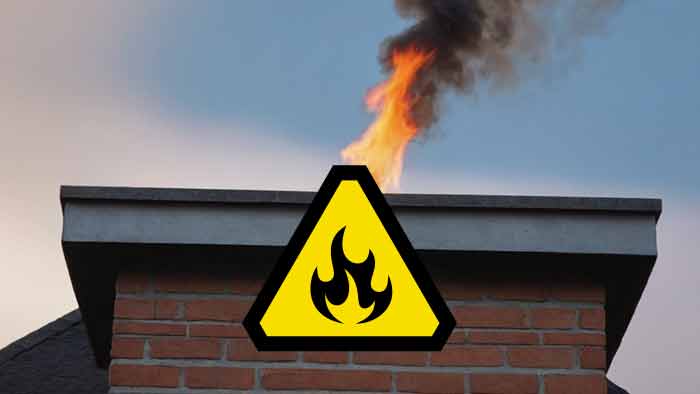 Fire Safety Measures In Colorado
Proactive Fire Safety Measures
Beyond regular cleaning, consider these fire safety upgrades:
- Install Spark Arrestors
Spark arrestors prevent embers from escaping the chimney, reducing fire risks, especially in wooded Denver suburbs like Evergreen. - Use Heat-Resistant Insulation
Line the interior with heat-resistant materials to contain extreme temperatures and prevent damage to surrounding structures. - Emergency CO2 Monitoring
Equip your home with carbon monoxide detectors near the fireplace for added safety.
Chimney Maintenance Myths – Debunked
- “I don’t need to clean my gas fireplace chimney.” However, even gas fireplaces can develop residue or blockages over time. Regular maintenance is essential for all fuel types.
- “A small amount of creosote is harmless.”Even thin layers of creosote are highly flammable and pose a fire risk.
- “Chimney liners never need replacement.” However, they can deteriorate due to age, heat, or acidic buildup. Inspect and replace them as needed.
Denver’s Seasonal Challenges for Chimneys: An In-Depth Guide
Denver’s unique climate, with its high altitude and variable weather patterns, demands proactive chimney care throughout the year. Each season presents specific challenges that homeowners must address to ensure their chimneys function safely and efficiently. Here’s a detailed breakdown of what to focus on during each season:
Spring Cleaning: Preparing After a Busy Heating Season
Why It’s Important:
Spring in Denver often brings rain and thawing snow, which can combine with leftover soot and creosote to accelerate masonry deterioration. A thorough post-winter cleaning removes buildup and protects the chimney from moisture-related damage.
Key Tasks:
- Professional Cleaning: Hire a certified chimney sweep to remove creosote, soot, and debris that accumulated during the winter months.
- Inspect for Damage: Examine the chimney for cracks, spalling bricks, or mortar damage caused by freeze-thaw cycles.
- Clean the Smoke Shelf: Ensure the smoke shelf is debris-free and soot-free to prevent blockages.
Pro Tip:
Consider applying a chimney water repellent during spring to provide extra protection against rain and melting snow.
 Chimney Waterproofing Services In Colorado
Summer Waterproofing: Shielding Against Monsoon Rains
Why It’s Important:
Denver’s summer months often bring intense afternoon monsoon storms, which can saturate unprotected chimneys. Water infiltration is one of the leading causes of chimney deterioration.
Key Tasks:
- Apply a Waterproof Sealant: Use a vapor-permeable sealant to allow trapped moisture to escape while keeping water out.
- Inspect Flashing: Check the flashing where the chimney meets the roof for signs of rust, gaps, or wear. Replace or repair as needed to prevent leaks.
- Examine the Crown: Repair or reinforce the chimney crown to ensure it effectively sheds water.
Pro Tip:
Consider installing a high-quality chimney cap with a weather guard to block rain and prevent pooling at the chimney base.
Fall Prep: Getting Ready for Peak Fireplace Season
Why It’s Important:
Fall marks the transition to Denver’s cold, snowy winters, preparing your chimney for essential energy use. Early inspections allow time to address any issues before temperatures drop.
Key Tasks:
- Annual Inspection: Schedule a comprehensive chimney inspection to identify and repair structural issues or blockages.
- Creosote Removal: If not done in spring, clean the chimney to reduce fire risk during the colder months.
- Check the Damper: Ensure the damper operates smoothly to maintain proper draft and prevent energy loss.
Pro Tip:
Install a top-sealing damper to improve energy efficiency and prevent downdrafts during unpredictable fall weather.
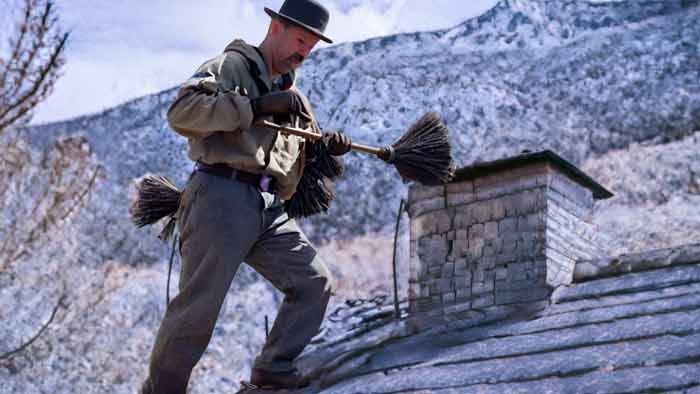 Chimney Service During Colorado’S Winter
Winter Maintenance: Protecting Against Harsh Conditions
Why It’s Important:
Denver’s winter brings heavy snowfall, ice, and freezing temperatures, all of which can stress your chimney. Maintaining your chimney during these months ensures its safe and efficient operation.
Key Tasks:
- Clear Snow and Ice: Regularly remove snow and ice from the chimney cap to prevent blockages and damage.
- Prevent Ice Dams: Check for ice buildup at the roofline that could seep into the chimney and cause leaks.
- Monitor for Draft Issues: Ensure proper ventilation by keeping the flue free of obstructions like snow or debris.
Pro Tip:
Keep a watchful eye on your chimney during blizzards or extended cold snaps, as freeze-thaw cycles can worsen cracks in masonry.
Year-Round Maintenance Tips
- Regular Inspections: Have a professional examine your chimney at least once a year to catch minor problems before they escalate.
- Upgrade to Durable Materials: In Denver’s harsh climate, consider materials like stainless steel liners and copper caps, which offer better resistance to weather extremes.
- Educate Your Family: Teach household members how to operate the fireplace safely and identify signs of chimney issues, such as unusual smells or smoke backflow.
By tailoring your chimney care to Denver’s seasons, you can protect your investment, enhance your home’s safety, and enjoy a cozy, worry-free winter.
The chimney is the one part of the house that takes the weather full force, all day, every day, with nothing covering it. So I tell folks to think about it by the season instead of waiting for something to go wrong. A little waterproofing in summer, a real look in fall before you light that first fire, and you'll get decades out of the same chimney. Ignore it and Denver's freeze-thaw will take it apart one winter at a time.
- Adam, Owner, Adam Chimney Sweep
Frequently Asked Questions About Chimney Parts
Q: Which chimney part fails most often in Denver homes?
A: The crown and the cap, hands down. They sit on top and take every storm, every snow load, and every freeze-thaw swing we get. A cracked crown or a beat-up cap lets water into the system, and water is behind most of the chimney damage I see around here.
Q: How can I tell if my chimney has a liner?
A: Look up the flue with a flashlight from the firebox. If you see smooth metal or rows of clay tile, you've got a liner. If you're looking at bare brick, you may not, and that's worth a professional look. A lot of older Denver homes were built before liners were standard.
Q: Do gas fireplaces have the same parts as wood-burning ones?
A: Most of them, yes. They still have a flue, a liner, a cap, and a crown, and they still need to vent safely. Gas burns cleaner so there's less creosote, but the venting can corrode and the cap can still clog with debris or a bird's nest. Gas chimneys need looking after too.
Q: Can I replace a chimney cap myself?
A: A simple single-flue cap, maybe, if you're comfortable on the roof and you get the size right. The trouble is most cap problems come with other problems, a crown crack or a worn liner you can't see from the ground. We'd rather check the whole top while we're up there than swap a cap and miss the real issue.
Q: How long do chimney parts last?
A: It depends on the part and the weather it sees. A stainless steel liner can run 15 to 25 years or more. A good crown with regular sealing lasts decades. A cap depends on the metal, with copper and quality stainless outlasting galvanized by a wide margin. Skipping maintenance is what cuts all of those numbers short.
The Adam Chimney Advantage
At Adam Chimney, we understand Denver’s unique climate and architectural styles. Our certified technicians provide tailored solutions to keep your chimney safe, efficient, and aesthetically pleasing. We've worked on every kind of chimney this city has, from century-old brick stacks in the older neighborhoods to modern prefab systems in new builds, and we'll tell you straight what your system needs and what it doesn't. If a part has years left in it, we'll say so. Need a hand sorting out a repair? Our chimney repair in Denver team can take it from here.
Call us at (720) 207-9232 or visit us at 12894 E Villanova Dr, Aurora, CO, 80014, to schedule your comprehensive chimney service today.
Stay warm, stay safe, and let us take the hassle out of chimney care!