Chimney Parts for Denver Homes: What to Buy and How It Fits Together
 Good chimney parts are what stand between a fireplace you can trust and a repair bill that shows up at the worst possible time. I’m Adam, and I’ve been climbing Denver roofs and fixing chimneys since 2001. Over those years I’ve learned that most of the gear people need isn’t complicated. It’s a cap, a liner, a chase cover, a blower, the right paint, a damper. Each piece does one job. When you buy the correct part and put it in right, the whole system works the way it’s supposed to and you stop thinking about it.
The catalog below is the same stuff my crew installs every week here in Colorado. I picked these products because they hold up to what our weather throws at them: the freeze-thaw that cracks masonry, the dry air that chews through mortar, the wind off the foothills that pushes smoke back down a flue. If you’re shopping for a part and you’re not sure it’s the right one, call me at (720) 207-9232 and I’ll talk you through it. No charge for a straight answer.
People come to me thinking they need some exotic custom part, and nine times out of ten they don’t. They need a properly sized cap or the correct diameter liner. Buying the right standard part and putting it in straight beats an expensive special order that nobody installs well. I’d rather sell you the simple thing that lasts twenty years.
- Adam, Owner, Adam Chimney Sweep
Chimney Parts
-
Sale!
Broan Elite EW48 Series 30-Inch Range Hood: Kitchen Ventilation for Colorado Homes
Original price was: $978.00.$888.00Current price is: $888.00. Add to cart -
Sale!
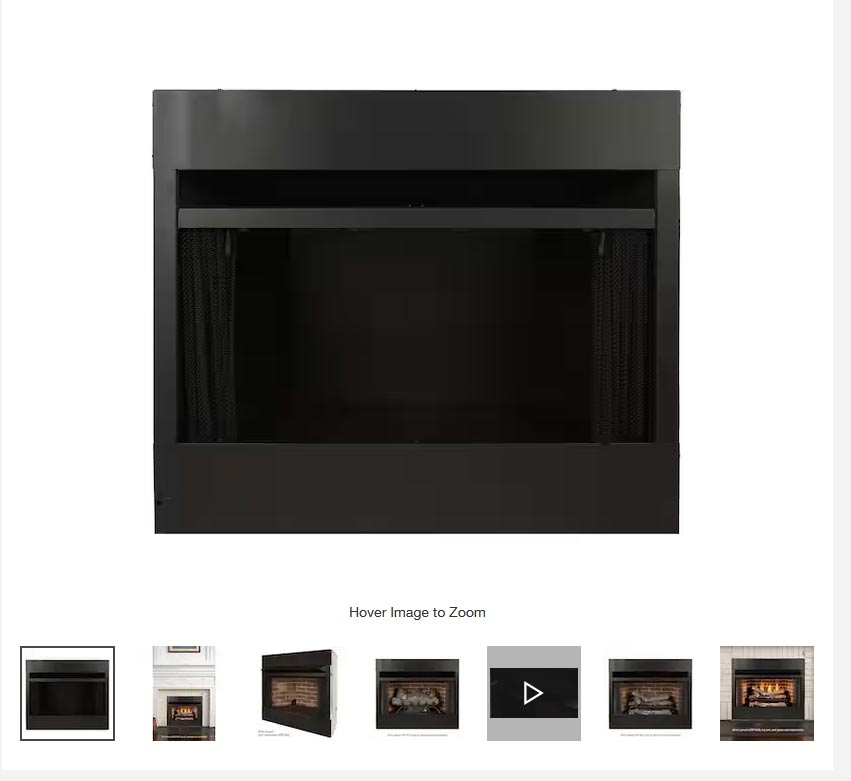
Pleasant Hearth 36-Inch Vent-Free Firebox Insert: Complete Denver Installation Guide
Original price was: $1,128.00.$738.00Current price is: $738.00. Add to cart -
Sale!
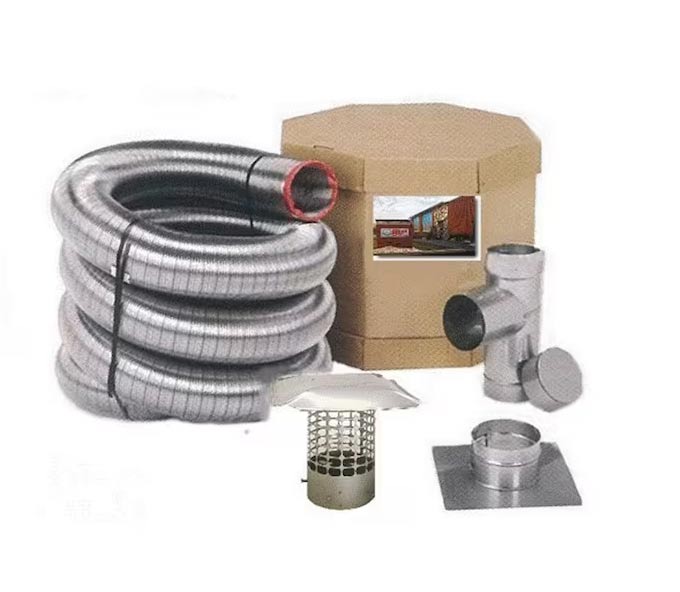
Professional-Grade 6-Inch Stainless Steel Chimney Liner
Original price was: $1,275.00.$910.00Current price is: $910.00. Add to cart -
Sale!
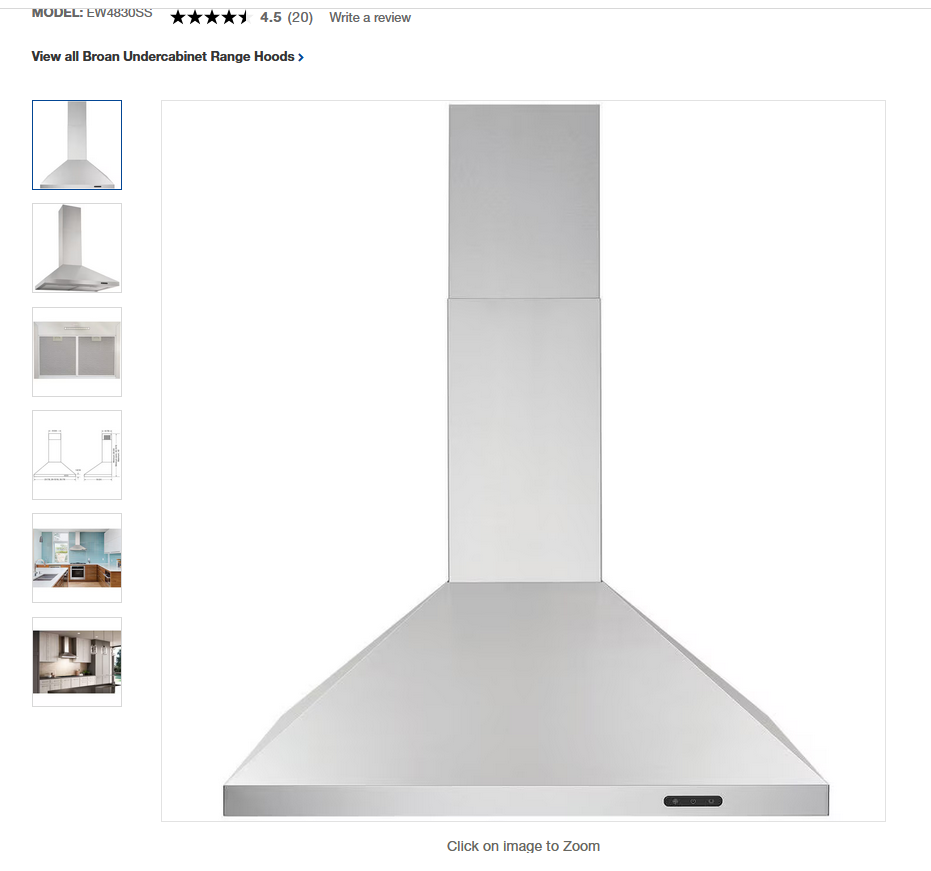
Broan Elite EW48 Series 30-Inch Range Hood: Kitchen Ventilation for Colorado Homes
Original price was: $1,100.00.$850.00Current price is: $850.00. Add to cart -
Sale!
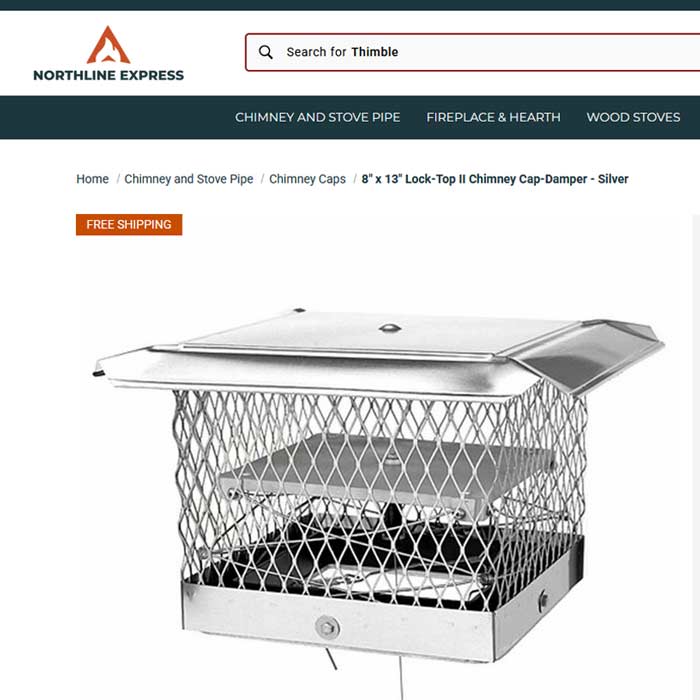
Northline Express 8″ x 13″ Lock-Top II Chimney Cap-Damper
Original price was: $550.00.$520.00Current price is: $520.00. Add to cart -
Sale!
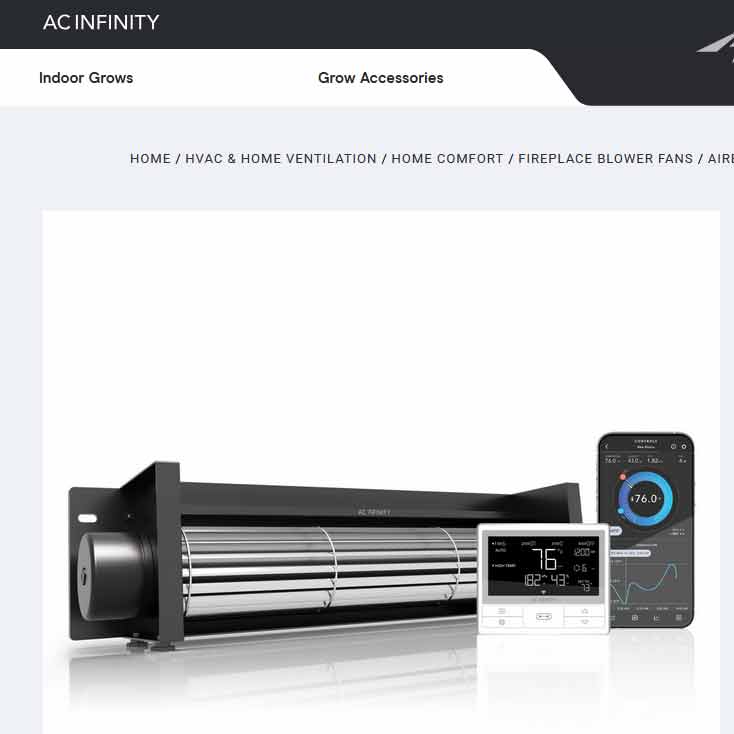
AIRBLAZE T14 Fireplace Blower Fan: The Ultimate Heating Solution for Colorado
Original price was: $260.00.$230.00Current price is: $230.00. Add to cart -
Sale!
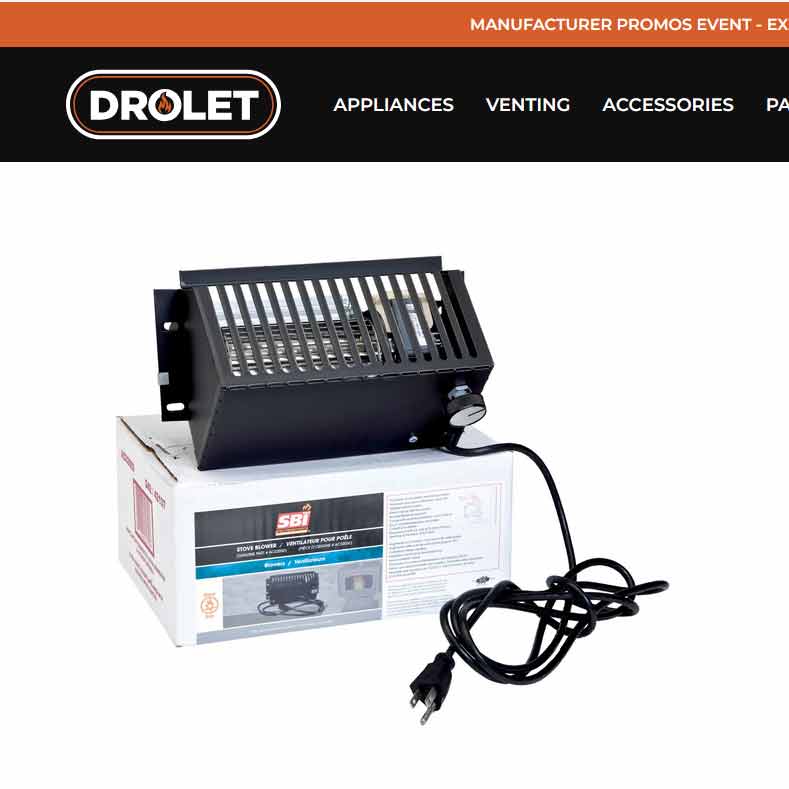
Blower with Variable Speed Control | 100 CFM for Colorado’s Central Counties
Original price was: $340.00.$260.00Current price is: $260.00. Add to cart -
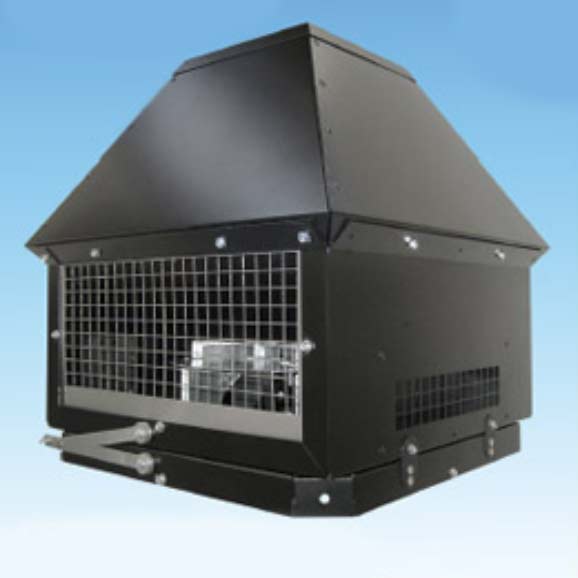
Tjernlund RT-H Series Chimney Top Draft Inducers
$1,950.00 Add to cart -
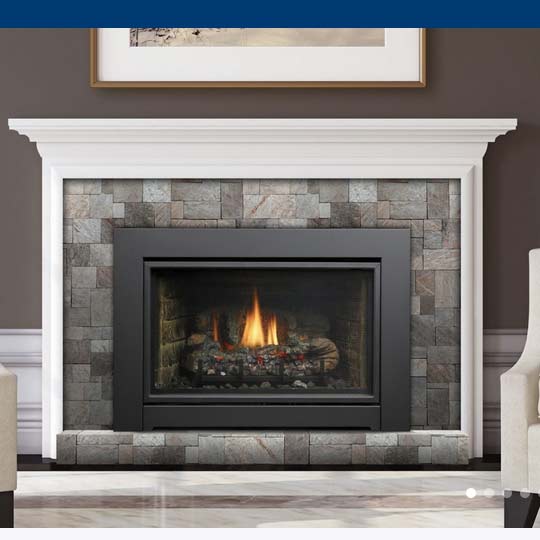
IDV24/IDV34/IDV44 Direct Vent Gas Fireplace Insert
$3,900.00 Add to cart -
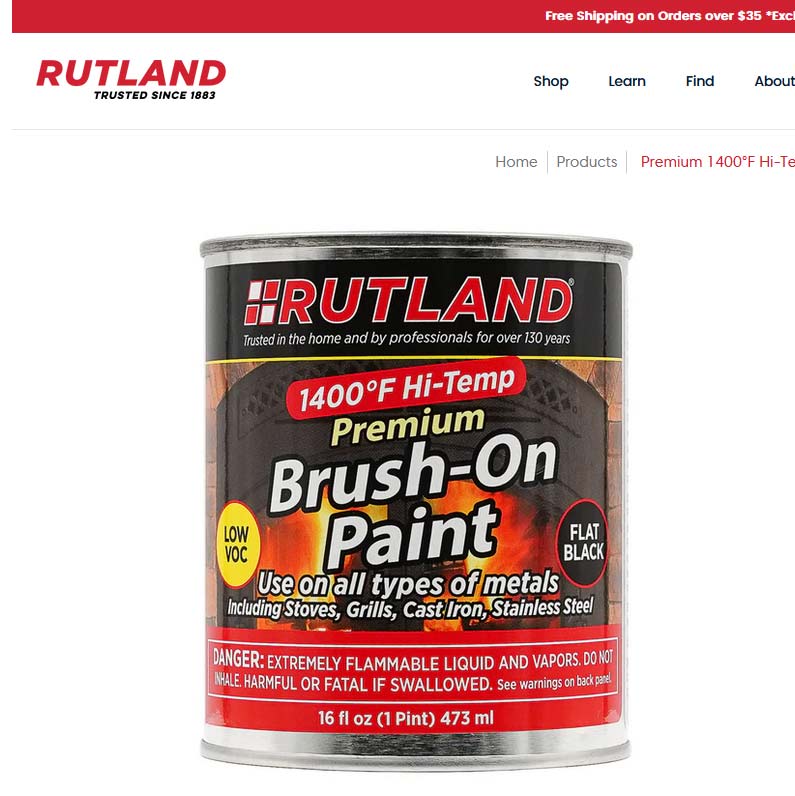
Premium 1400°F Hi-Temp Brush-On Paint
$70.00 Add to cart -
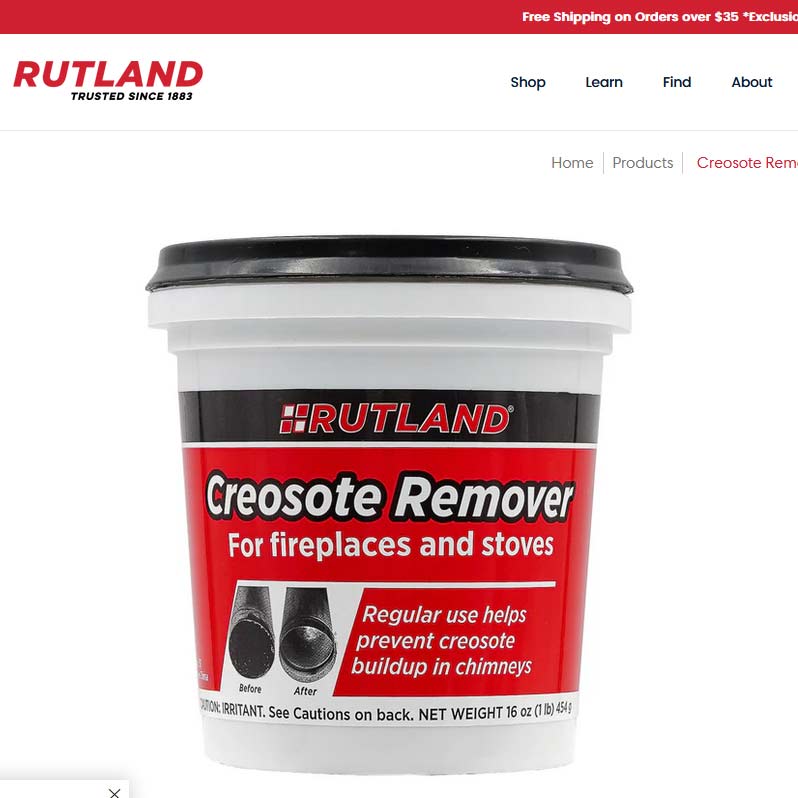
Rutland Creosote Remover: Essential for Chimney Maintenance in Colorado
$25.00 Add to cart -
Sale!
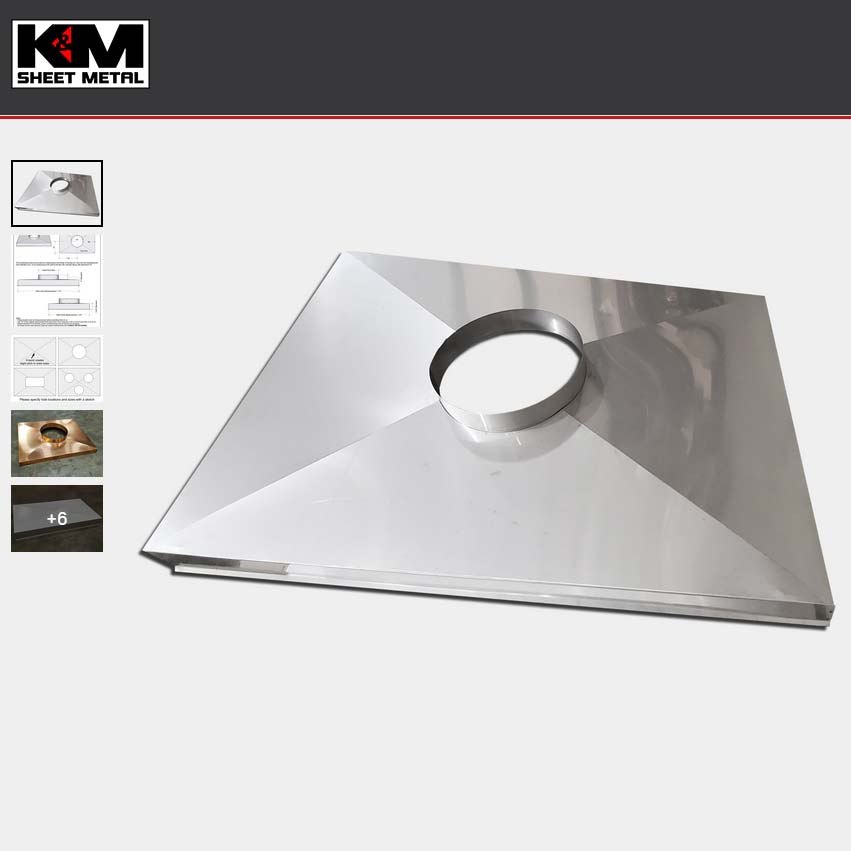
Chimney Chase Cover Installation
Original price was: $530.00.$350.00Current price is: $350.00. Add to cart -
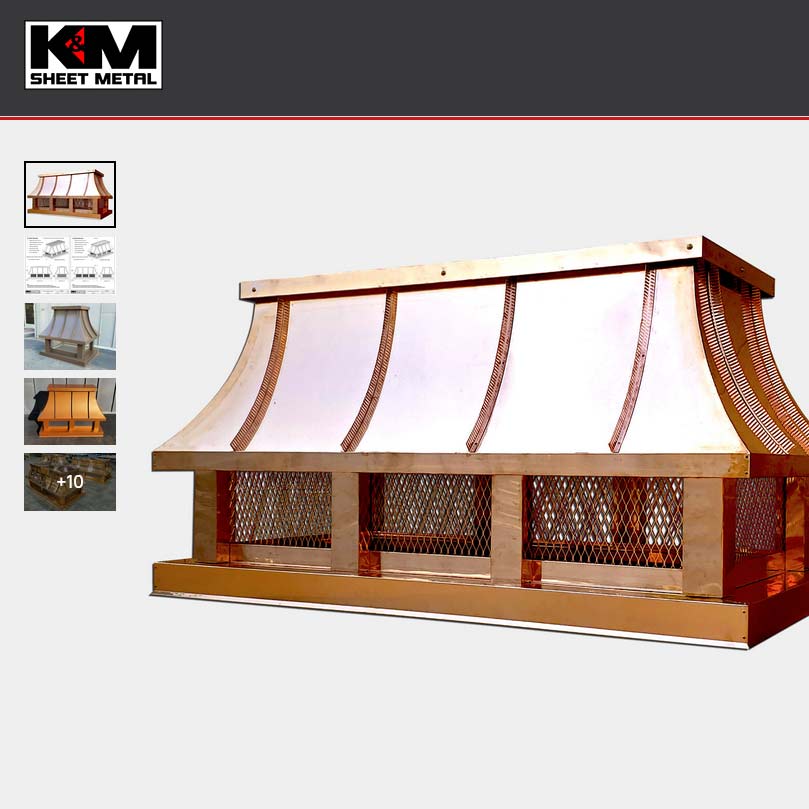
K&M Concave Roof Chimney Cap / Shroud
$1,610.00 Add to cart -
Sale!
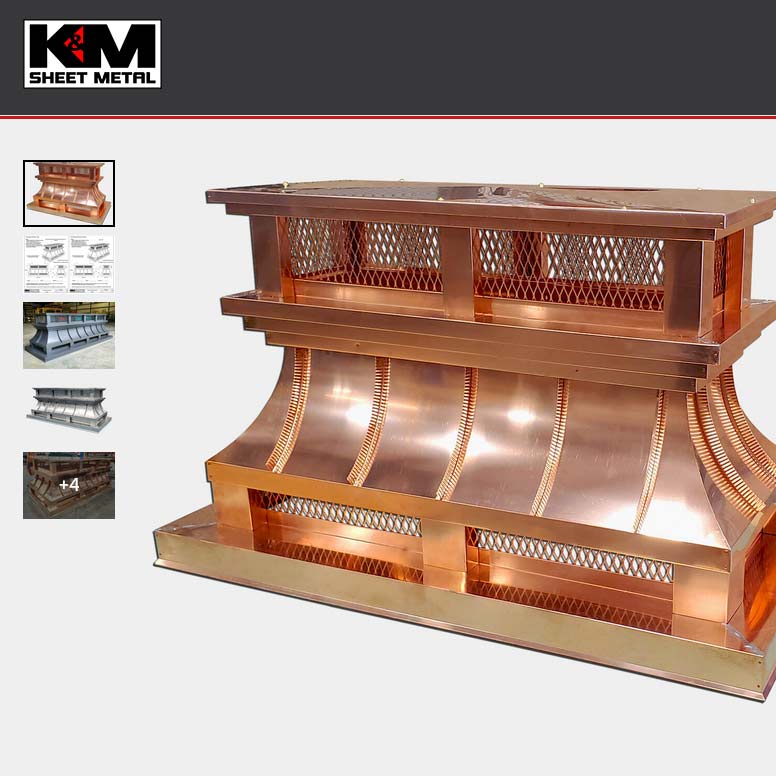
K&M The Royal Chimney Cap / Chimney Shroud
Original price was: $2,995.00.$2,495.00Current price is: $2,495.00. Add to cart -
Sale!
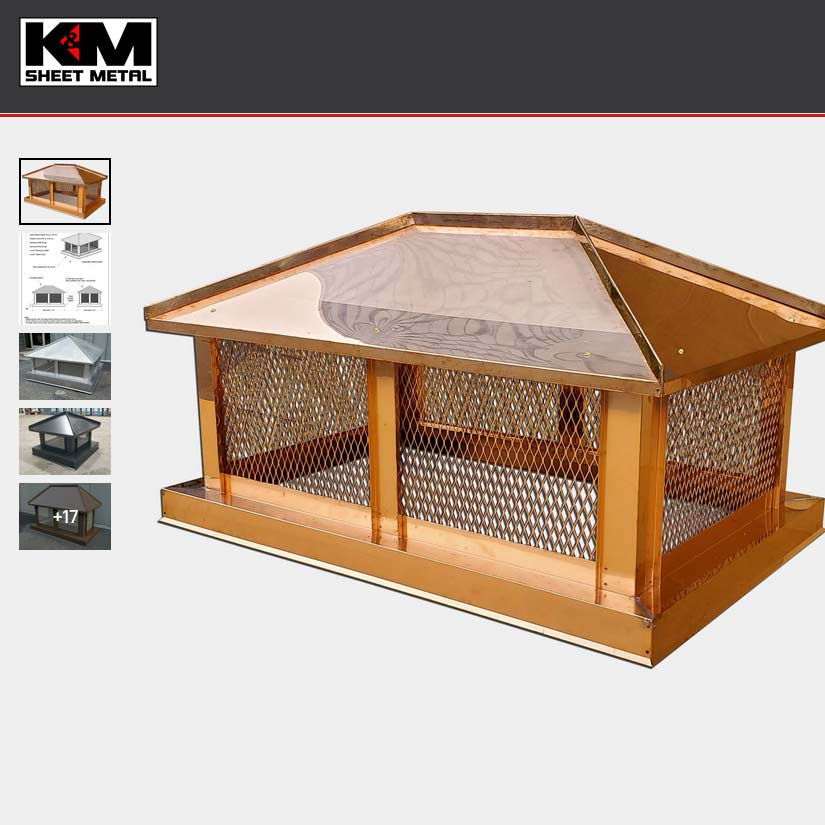
K&M Custom Hip and Ridge Multi-Flue Chimney Caps
Original price was: $1,150.00.$980.00Current price is: $980.00. Add to cart -
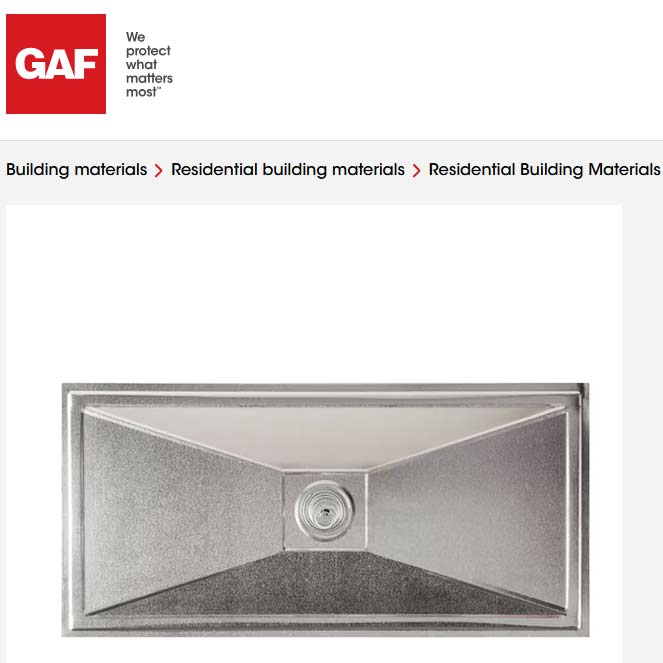
Master Flow® Foundation Vent Covers
Read more
How Each Part Earns Its Keep on Your Roof
 It helps to know what you’re actually buying before you click add-to-cart. A chimney is a stack of pieces, and every one has a job. Here’s the plain-English version of what the main parts in this catalog do and why they matter in a Colorado winter.
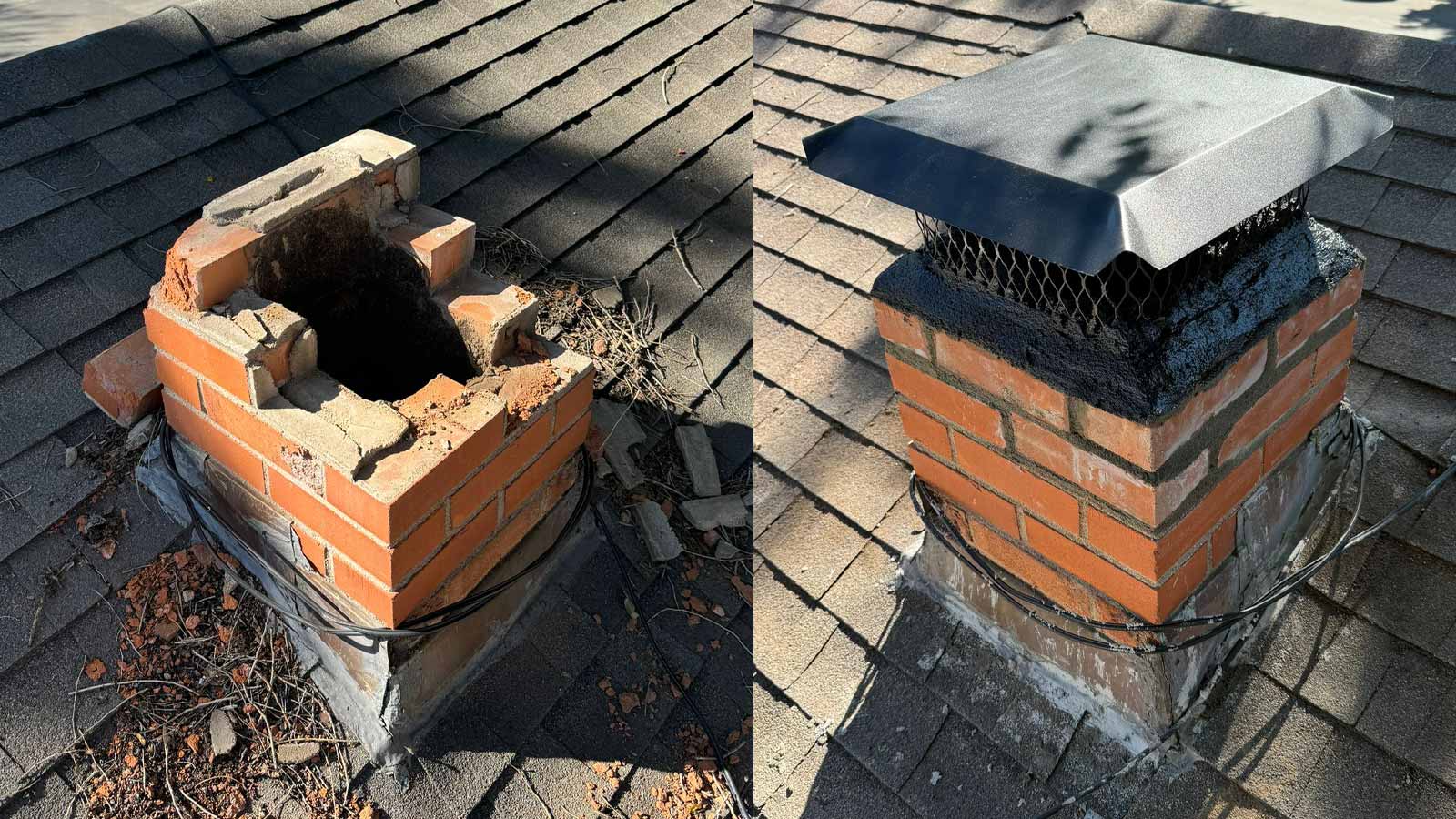
- Chimney caps and shrouds sit on top and keep rain, snow, leaves, squirrels, and birds out of the flue. A good cap also throws sparks back down instead of letting them land on your roof. The K&M Concave, Royal, and Multi-Flue caps in this list are the decorative-but-tough end of the range, built for homes where the chimney is a feature, not just a vent.
- Cap-dampers like the Northline Lock-Top do double duty. They cap the flue and seal it from the top when you’re not burning, so you stop heated air from leaking straight up the chimney all winter. In a Denver January, that’s real money saved on the furnace.
- Chase covers are the metal lids on factory-built chimneys boxed in siding or stucco. When the original galvanized cover rusts, water runs straight down into the chase. A stainless chase cover is one of the best small upgrades you can make on a prefab system.
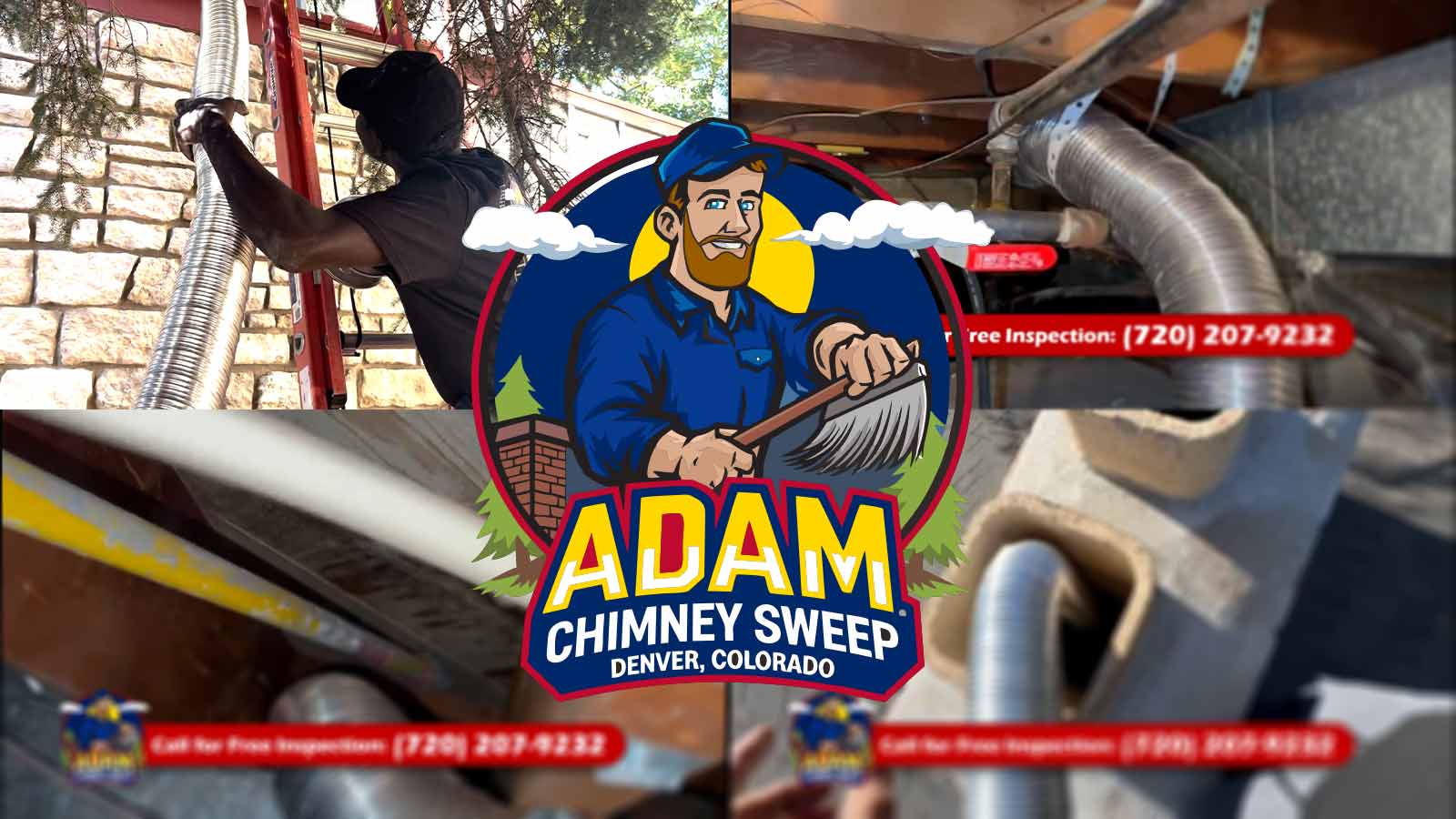
- Stainless steel liners are the safe path for smoke and gas to travel up and out. If your clay tiles are cracked, a 6-inch stainless liner restores a safe, smooth, properly sized flue. We install these constantly.
- Blowers and draft inducers move air. A fireplace blower like the AIRBLAZE pushes the heat your fire makes out into the room instead of up the flue. A rooftop draft inducer helps a stubborn chimney pull when height or layout works against it.
- Gas inserts and firebox inserts turn a drafty old open fireplace into a sealed, efficient heater. The Kingsman direct-vent insert and the Pleasant Hearth vent-free firebox are two very different ways to get there, and I’ll help you figure out which fits your house.
- High-temp paint and creosote remover are the small consumables that keep the rest in shape. The 1400°F brush-on paint stops a steel cap or shroud from rusting. Rutland creosote remover, used between professional sweeps, helps break down the gunk that builds up in the flue.
You don’t need every one of these. Most folks need one or two. The trick is matching the part to your actual chimney, which brings me to sizing.
Getting the Size Right the First Time
The single biggest mistake I see with parts people buy online is the wrong size. A cap that’s an inch too small rattles loose in the first windstorm. A liner that’s too wide kills your draft and lets creosote build up fast. Measure before you order, and if you’re even a little unsure, send me a photo and a couple of measurements.
I get calls every fall from someone who ordered a cap off the internet, got it on the roof, and found out it was the wrong size for their flue tile. Now they’ve got a part they can’t return and a chimney that’s still open to the weather. Measure the outside of your flue tile, length and width, before you buy anything. Two minutes with a tape measure saves you the whole headache.
- Adam, Owner, Adam Chimney Sweep
Here’s how I size the common parts when a customer asks:
- Single-flue cap: measure the outside length and width of the flue tile it sits over. The cap’s opening needs to clear the tile with a little room to grip.
- Chase cover: measure the full outside dimensions of the chase top, plus you’ll want a downturned edge so water sheds off instead of pooling.
- Liner: the diameter has to match what your appliance calls for. A wood fireplace, a wood stove, and a gas furnace all want different sizes. Guessing here is genuinely unsafe, so this is the one I’d always check.
- Blower: match it to your firebox model and the available power. Some need a hearth outlet you may not have yet.
How a Parts Install Actually Goes
People ask me what happens if they buy a part here and have us put it in. It’s a straightforward visit. Here’s the order of a typical cap or chase cover job:
- We confirm the measurements against the part before anyone goes up, so there are no surprises on the roof.
- We set up safe roof access, ladders, and fall protection. Denver roofs get icy, and we don’t cut corners on this.
- We remove the old part and clean the seat it sits on. A new cover over a rusty, dirty crown won’t seal right.
- We dry-fit the new part, check the fit, and adjust if needed.
- We fasten and seal it with the right high-temp sealant or stainless hardware, depending on the part.
- We do a quick draft and visual check, clean up, and show you photos of the finished work.
Most single caps and chase covers are a same-day job. A liner takes longer because we’re working the full height of the chimney. Either way, you get a part that’s installed to hold, not just dropped in place.
Warning Signs a Part Has Failed
You usually don’t need to climb up to know something’s wrong. Your chimney tells you from inside the house. Watch for these:
- Water stains on the ceiling or wall around the chimney. That’s often a failed cap, a cracked crown, or a rusted-through chase cover letting rain in.
- A rusty smell or rust streaks running down the brick or siding below the chimney top.
- Animals or scratching sounds in the flue, which means the cap screen is gone or the cap is missing entirely.
- Smoke rolling back into the room when you light a fire. That can be a draft problem a cap, liner, or inducer fixes.
- Cold air pouring down the chimney when it’s closed up. A worn damper or missing cap-damper is usually the cause.
- Visible rust, dents, or a leaning cap if you can see the top from the ground or a window.
If you spot any of these, it’s worth a look before the next hard freeze. Small leaks become big masonry repairs once water gets in and the freeze-thaw goes to work. If you’d rather have a pro confirm what’s going on, our chimney inspection in Denver covers exactly this kind of top-to-bottom check.
Why Colorado Is Hard on Chimney Parts
I’ve worked chimneys in a lot of conditions, and the Front Range is genuinely tough on hardware. A few reasons:
The freeze-thaw cycle is relentless. We’ll hit fifty degrees on a sunny afternoon in February and drop below freezing by night. Any water that’s soaked into a crown, a mortar joint, or under a chase cover expands when it freezes and pries things apart. That’s why a watertight cap and a good chase cover matter so much here. They keep the water out so the cycle has nothing to work on.
The air is dry, and the sun is strong at altitude. Mortar and sealants weather faster than they do at sea level. Galvanized steel that might last a decade in a milder climate can start showing rust here sooner, which is why I push stainless for caps and covers and the high-temp paint for anything steel that stays exposed.
And the wind is no joke, especially closer to the foothills. A poorly fitted cap becomes a sail. Wind also causes downdrafts that shove smoke back into the house, which is where a properly designed cap or a draft inducer earns its place. The U.S. EPA’s Burn Wise program has solid, plain guidance on burning cleaner and more efficiently, and a well-sealed, correctly drafting chimney is a big part of that.
The chimneys that give me the least trouble belong to folks who treat the cap and chase cover as the first line of defense. Keep water out at the top and you’ve solved most of what wrecks a chimney in Colorado. I’ve pulled apart chimneys that fell apart in ten years because of a five-dollar gap, and others going strong at forty because somebody kept a decent cap on it. That’s the whole game up here.
- Adam, Owner, Adam Chimney Sweep
Buying the Part vs. Having Us Handle It
Plenty of customers are handy and want to do the work themselves. If that’s you, I’m happy to sell you the right part and point you in the right direction. A cap on a single-story home with easy roof access is a reasonable weekend job for someone comfortable on a ladder.
Where I’d call a pro: anything involving a liner, a gas insert, a steep or tall roof, or a chimney you can’t safely reach. Liners and gas appliances have to be done to code, and a mistake there isn’t a cosmetic problem, it’s a safety one. If you want us to install something you bought here, or you’d like us to recommend and install the whole thing, our chimney repair team in Denver does this every day. We also offer full chimney services if you’re not sure what your chimney actually needs yet.
Frequently Asked Questions About Chimney Parts
How do I know what size chimney cap to buy?
Measure the outside length and width of your flue tile, the clay liner sticking up out of the crown. The cap needs to fit over that tile with enough room to grip it. If you have an unusual setup or a multi-flue chimney, send me the measurements and a photo and I’ll confirm the right one before you spend a dime.
Is a stainless steel cap really worth it over galvanized?
In Colorado, yes. Our dry air and strong sun rust galvanized steel faster than you’d like. Stainless costs a bit more up front and then it just keeps doing its job for years without streaking rust down your chimney. I’d rather you buy it once.
Can I install a chimney liner myself?
I won’t tell you it’s impossible, but I will tell you it’s the one part I’d leave to a pro. The diameter has to match your appliance, the liner has to be the right type for what you burn, and it usually needs insulation and a proper connection at top and bottom. Get it wrong and you’ve got a draft or safety problem. We size and install liners all the time, so this is an easy one to hand off.
What’s the difference between a chimney cap and a chase cover?
A cap sits right on top of the flue and keeps rain, animals, and sparks in check. A chase cover is the larger metal lid on a factory-built chimney that’s boxed in siding or stucco, and it sheds water off the whole top of that box. Masonry chimneys typically need a cap and a sound crown. Prefab chimneys need a chase cover and a cap.
How often should I replace these parts?
It depends on the part and how exposed your chimney is, but as a rough guide: a quality stainless cap can go fifteen to twenty-plus years, a chase cover similar, and a liner often lasts the life of the chimney if it’s installed and maintained right. The consumables, paint and creosote remover, you use as needed. A yearly look is the easiest way to catch a part that’s on its way out before it lets water in.
Do you install parts I buy from this page?
We do. Order the part, give us a call, and we’ll get it installed correctly and safely. If you’re not certain you ordered the right thing, hold off and call first, (720) 207-9232, and we’ll make sure it fits before it ships.
Let’s Get the Right Part on Your Chimney
Whether you’re grabbing a creosote remover for between sweeps or pricing out a new K&M shroud, the goal is the same: the correct part, installed so it lasts, on a chimney that keeps your home warm and safe through another Colorado winter. I’ve spent more than two decades doing exactly this work across Denver, and I’m glad to help you get it right.
If you want a hand picking parts, sizing them, or putting them in, call me at (720) 207-9232 or reach out through our contact page. Send a couple of photos and measurements, and I’ll tell you straight what you need and what you don’t. You can also browse the full lineup of chimney parts and tools any time. For broader fire-safety standards behind a lot of this work, the Chimney Safety Institute of America is a trustworthy place to read up.