Chimney Types for Colorado Homes: Costs, Trends, and Brands
 Picking the right chimney type is one of those decisions that quietly shapes how safe, warm, and efficient your home feels for the next few decades, and here in Colorado it matters more than most places. I'm Adam, and my family has been sweeping, lining, repairing, and building chimneys around Denver since 2001. Over those years I've climbed onto roofs in Capitol Hill, Aspen, Aurora, and just about everywhere in between, and the one thing I tell every homeowner is the same: the chimney that works great for your neighbor might be the wrong call for your house. Altitude, snow load, the age of your home, and even which side of town you're on all change the math.
Chimneys have been part of home design for centuries. They started as plain smoke holes in medieval houses and grew into the engineered venting systems we install today. Early ones were stone and brick, built to pull wood smoke up and out so a family could stay warm without choking. The materials and the engineering got better over time, and now a chimney can be efficient, long-lasting, and good-looking all at once. The three big families you'll run into are masonry, metal, and prefabricated, and below I'll walk you through each one the way I'd explain it standing in your living room.
A chimney does two jobs at the same time. It carries smoke and carbon monoxide safely out of the house, and it helps your heating system actually work the way it's supposed to. A poorly designed or neglected chimney can let dangerous gases back into your living space, so this isn't just an aesthetic choice. That said, a chimney also gives a home a lot of its character, and a well-built brick stack on an old Denver Victorian is a beautiful thing.
 For Colorado homeowners, the climate throws some curveballs you won't find in a flatter, milder state. City homes in Denver have to meet tight emission rules. Mountain places like Aspen need chimneys built for brutal cold, heavy snow, and wildfire season. Whether you're protecting a 100-year-old brick chimney in Capitol Hill or dropping a modern prefab system into a newer Aurora build, the right chimney type keeps you safe, keeps your fuel bills sane, and keeps the place looking good.
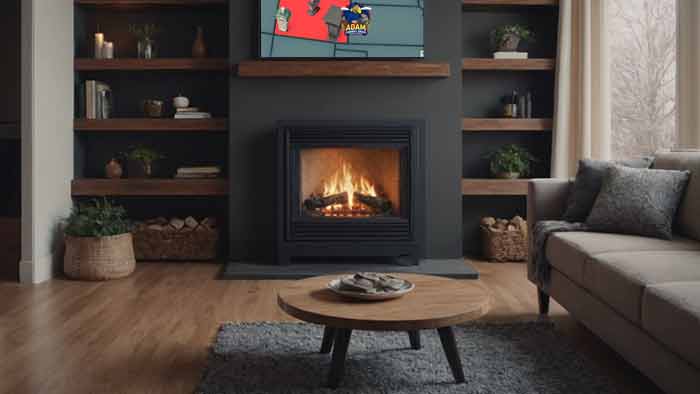 Chimney Types | Best Fireplace Builders In Colorado
Types of Chimneys
Chimneys come in several types, and each one has its own strengths, headaches, and best-fit situations. The right pick depends on your home's style, your local climate, and your budget. Below is a close look at the three main types you'll deal with in Colorado, with real examples from neighborhoods we work in every week.
1. Masonry Chimneys
Overview:
Masonry chimneys are the old-school, built-to-last option. They're made from brick, stone, or concrete block, and that heavy construction is exactly why you see them on historic and high-end homes. A masonry chimney soaks up heat from the fire and keeps radiating it into the room long after the flames die down, which is a nice bonus on a cold Denver night.
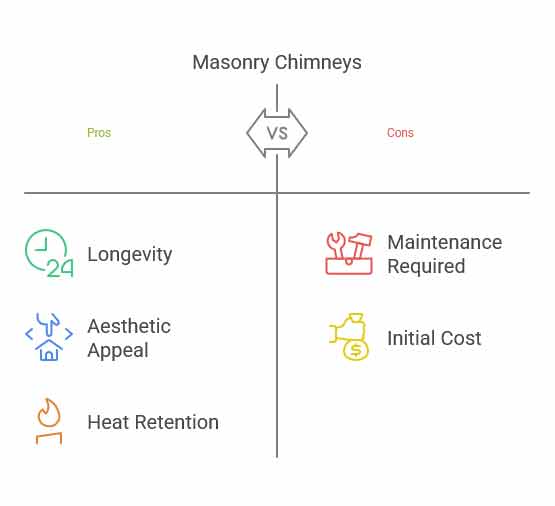 Chimney Types | Masonry Chimney Diagram
Benefits:
- Longevity: Take care of a masonry chimney and it can outlast you. Many last over a century.
- Aesthetic Appeal: Adds real charm and character, and it tends to bump up property value too.
- Heat Retention: Stores and slowly releases warmth into the rooms around it.
Drawbacks:
- Cost: Building one isn't cheap. Construction runs from $4,000 to $15,000, which puts it at the high end.
- Maintenance: You have to keep up with inspections and small repairs, or the mortar starts breaking down and water finds its way in.
Examples in Denver:
In neighborhoods like Capitol Hill, Washington Park, and Five Points, masonry chimneys top a lot of the older Victorian and Craftsman homes. The brickwork on some of those is gorgeous, and it's a big reason people fall in love with those houses in the first place.
People ask me which chimney type is "the best," and honestly there's no single answer. On a 1910 brick home in Wash Park, ripping out the masonry would be a crime, so we restore it. On a brand-new build out in Aurora, a prefab unit makes way more sense for the budget. I match the chimney to the house, not the other way around.
- Adam, Owner, Adam Chimney Sweep
2. Metal Chimneys
Overview:
Metal chimneys, usually built from stainless steel, are the modern, practical answer to masonry. They're light, quicker to install, and flexible enough to fit a lot of different homes. You'll find them in a few flavors, including double-walled, triple-walled, air-cooled, and insulated, so we can match the system to your climate and your heating setup.
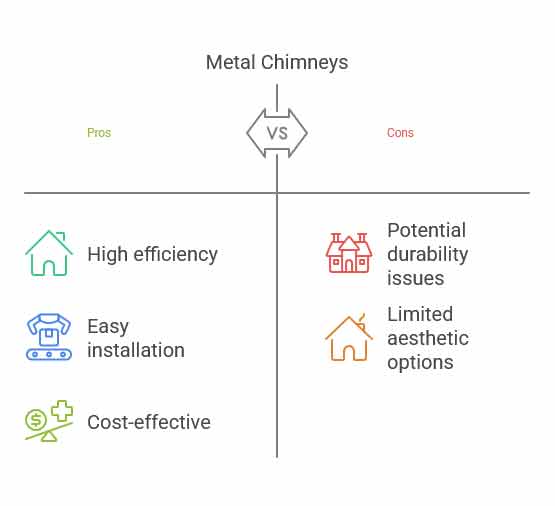 Chimney Types | Pros And Cons Of Metal Chimneys
Benefits:
- Efficiency: Insulated systems do really well in cold weather. They hold a steady draft and cut down on creosote buildup.
- Ease of Installation: Pre-fabrication and light materials make the install faster, which keeps labor costs down.
- Affordability: Easier on the wallet than masonry, with installation costs ranging from $1,500 to $5,000.
Drawbacks:
- Aesthetics: A metal chimney won't give you the same classic look as brick or stone.
- Durability: They're sturdy, but they generally don't last as long as masonry, and Colorado weather wears on them over time.
Examples in Denver:
Metal chimneys show up a lot in newer developments around Lowry and Stapleton. The clean, modern look fits the architecture in those communities.
3. Prefabricated Chimneys
Overview:
Also called factory-built chimneys, prefab systems keep getting more popular because they're affordable and go in fast. They come pre-designed in a bunch of finishes, so you can get the look of masonry or metal without paying masonry or custom-metal prices.
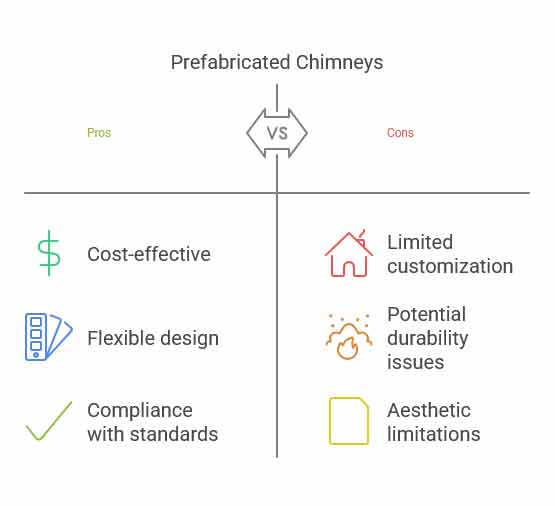 Chimney Types | Top Prefabricated Chimney Benefits In Colorado
Benefits:
- Cost-Effective: Much cheaper to install, with materials and labor often coming in under $5,000.
- Flexible Design: Available in finishes like faux brick and stone to match different home styles.
- Compliance: Factory-built systems are made to meet current safety standards, so you're not guessing about code.
Drawbacks:
- Limited Customization: Prefab units don't bend much for unusual or custom design ideas.
- Durability: Usually not as tough as masonry or metal, with a shorter lifespan.
Examples in Denver:
Prefabricated chimneys are everywhere in suburban areas like Aurora and Centennial, where folks want a cost-friendly system that still looks sharp and works well.
Colorado-Specific Regulations and Challenges
Colorado's mix of urban plains and rugged mountains makes chimney work tricky in ways a lot of homeowners don't expect. The state enforces strict regulations to keep things safe, efficient, and clean, and knowing the rules ahead of time saves you money and surprises. Here's what actually applies to your home.
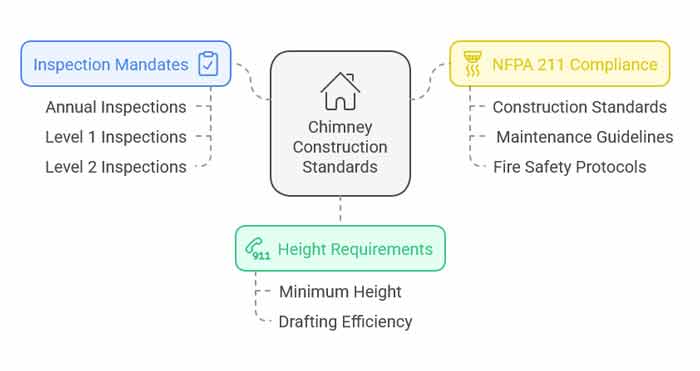 Chimney Types | Chimney Construction Standards
Construction Standards
Chimneys in Colorado have to follow specific guidelines built around safety and good performance.
- Height Requirements: A wood-burning chimney has to rise at least two feet above anything within a ten-foot radius. That's what gives you a proper draft and keeps fire hazards down.
- Inspection Mandates: Every active chimney needs a yearly inspection. Most homes get a Level 1, which checks the visible parts. After a big storm or a structural change, you'll want a deeper Level 2.
- NFPA 211 Compliance: Every chimney has to meet the National Fire Protection Association's standards for construction, upkeep, and fire safety, from clearances right down to the materials used.
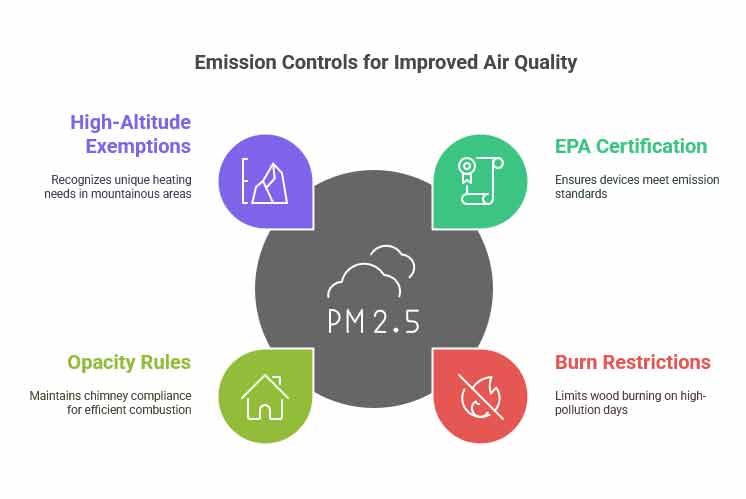 Chimney Types | Emission Controls For Improved Air Quality Regulations In Colorado
Emission Controls
Colorado works hard to cut air pollution, and that shows up in some strict rules for wood-burning appliances.
- EPA Certification: Only EPA Phase III-certified wood-burning devices can be sold or installed, which keeps particulate emissions lower and the air cleaner.
- Burn Restrictions: A lot of urban areas ban wood fires on high-pollution days. The goal is to cut smog and soot, especially in packed areas like Denver.
- Opacity Rules: If your chimney puts out smoke thicker than 20% opacity, it's considered out of compliance, so clean combustion and good maintenance really matter.
- High-Altitude Exemptions: Homes above 7,000 feet, like those in Breckenridge or Aspen, often get a pass on some burn restrictions because they genuinely need the heat in those colder months.
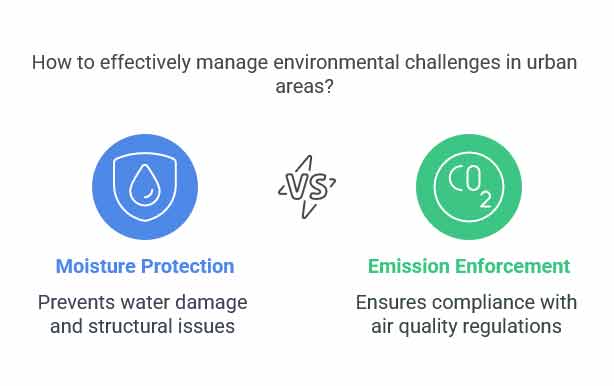 Chimney Types | Moisture Protection Vs. Emission Enforcement
Urban vs. Mountain Needs
Colorado's geography is all over the map, so chimney design and upkeep change a lot depending on where you live.
Urban Areas (e.g., Denver, Boulder):
- Moisture Protection: Regular snow and rain mean you need waterproofing and solid chimney caps to stop water from getting in and wrecking the structure.
- Stricter Emission Enforcement: Cities go hard on air quality, so you've got to stay within EPA standards and opacity limits.
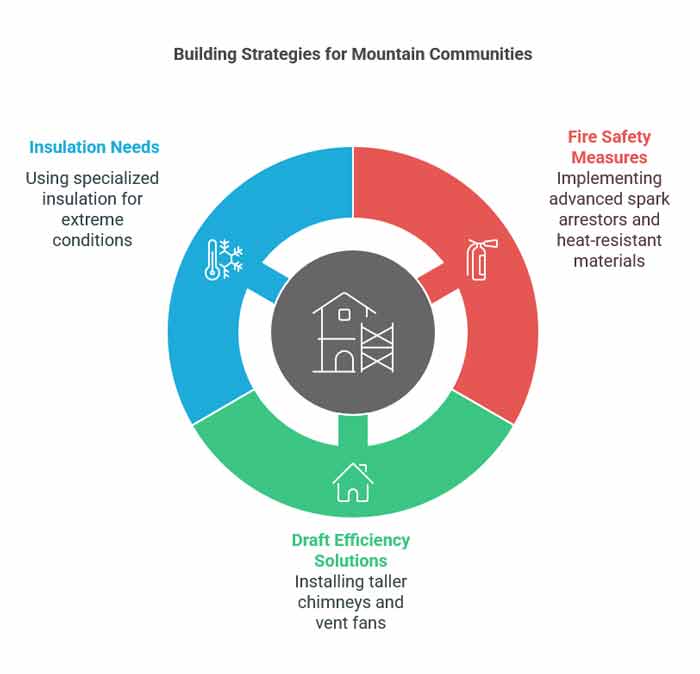 Chimney Types | Building Strategies For Mountain Communities
Mountain Communities (e.g., Aspen, Vail):
- Fire Safety: Wildfire risk is higher up there, so you want good spark arrestors, heat-resistant materials, and regular cleaning to keep embers in check.
- Draft Efficiency: Thinner air at elevation can choke a draft. Taller chimneys or vent fans often fix it.
- Insulation Needs: Good insulation keeps heat from bleeding out and helps the system hold up in extreme cold and wind.
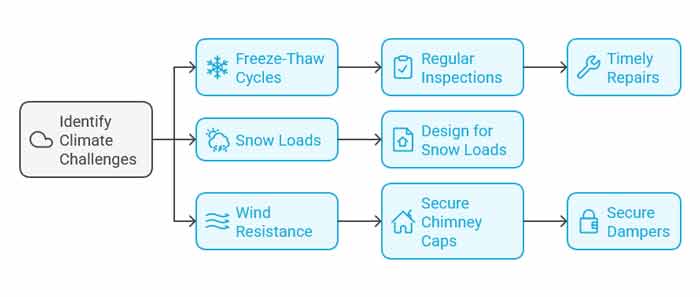 Chimney Types | Climate Challenges In Colorado Chart
Climate Challenges
Our climate hits chimneys with a few specific problems that affect how well they work and how long they last.
- Freeze-Thaw Cycles: Water gets into masonry, freezes, expands, and cracks the brick. We see this constantly in Denver and Fort Collins. Regular inspections and quick repairs stop small cracks from turning into big structural problems.
- Snow Loads: Mountain homes pile up serious snow. Crowns and caps have to handle that weight without buckling.
- Wind Resistance: Strong wind in open and foothill areas can cause downdrafts or even damage. Well-secured caps and dampers keep that under control.
Stick to the construction standards, the emission rules, and the location-specific stuff, and your chimney stays safe, efficient, and legal. Deal with the climate head-on and you'll get years more life out of the whole system while protecting the house from rough weather.
Freeze-thaw is the silent killer of Colorado chimneys. Water sneaks into a hairline crack in October, freezes solid in January, and pops the brick apart by spring. I've seen a $200 sealing job that a homeowner skipped turn into a $3,000 rebuild two winters later. Catch it early and it's cheap. Ignore it and the mountain weather will bill you.
- Adam, Owner, Adam Chimney Sweep
Costs of Chimneys
Understanding the costs around chimneys helps you budget, whether you're planning a brand-new install, keeping an existing one healthy, or upgrading to newer features. Here's a detailed breakdown of chimney costs in Colorado, from materials to labor to the way prices shift by region.
Material Costs by Type
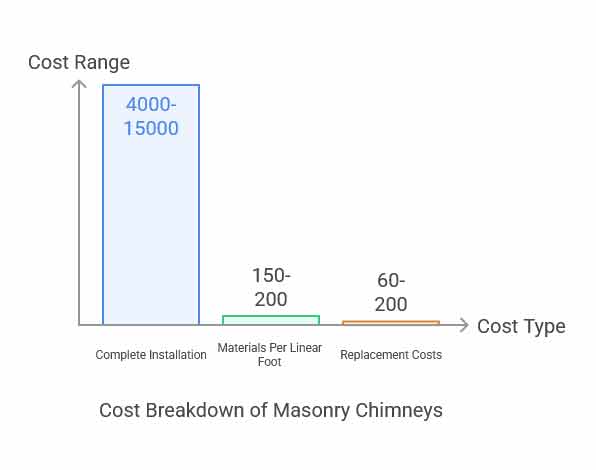 Chimney Types | Cost Breakdown Of Masonry Chimneys In Colorado
1. Masonry Chimneys
Masonry is the most traditional and durable option, made from brick, stone, or concrete. The catch is that it takes real money to build.
- Complete Installation: $4,000–$15,000, depending on size and complexity.
- Materials Per Linear Foot: $150–$200 for good brick or stone.
- Replacement Costs: Fixing or swapping out damaged sections runs $60–$200 per linear foot.
You'll see these all over Denver's historic neighborhoods, where the look fits the classic architecture.
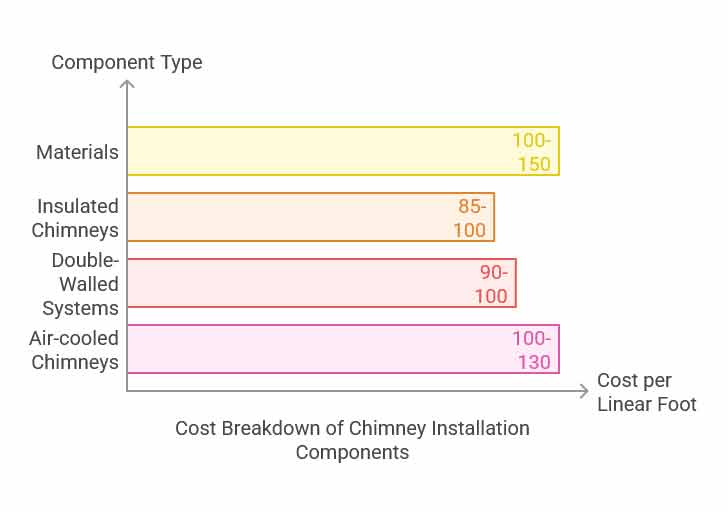 Chimney Types | Chart Of Chimney Components Cost
2. Prefabricated Chimneys
Prefab or factory-built chimneys are cheaper and faster to install than masonry.
- Complete Installation: $1,500–$5,000, including labor.
- Materials Per Linear Foot: $100–$150.
- Specialized Components:
- Insulated Chimneys: $85–$100 per foot.
- Double-Walled Systems: $90–$100 per foot.
- Air-cooled chimneys: $100–$130 per foot.
Prefab chimneys are popular in newer developments like Aurora and Thornton, where cost and flexibility come first.
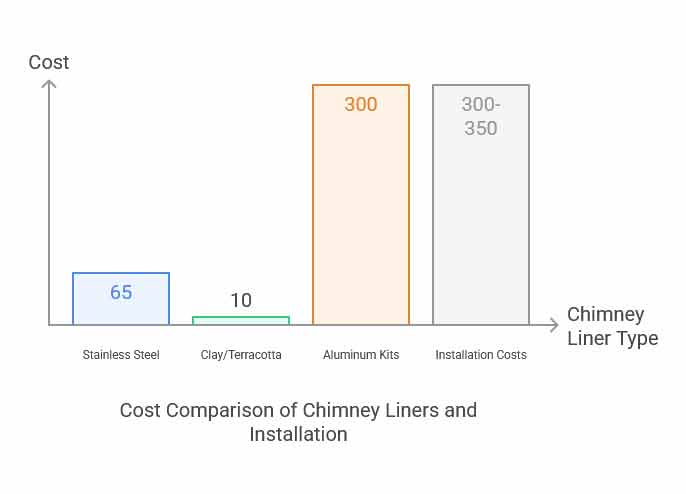 Chimney Types | Chimney Liners Costs Diagram
3. Chimney Liners
A liner protects the chimney structure and helps it run better. The material you pick changes the price a lot:
- Stainless Steel: $65 per square foot; tough and corrosion-resistant.
- Clay/Terracotta: $10 per square foot; cheap, but it cracks more easily.
- Aluminum Kits: $300 per kit; fine for gas appliances but not great for wood-burning systems.
- Installation Costs: $250–$350 per linear foot, depending on material and chimney height.
Stainless steel liners are the go-to in Colorado because they shrug off freezing temps and resist moisture.
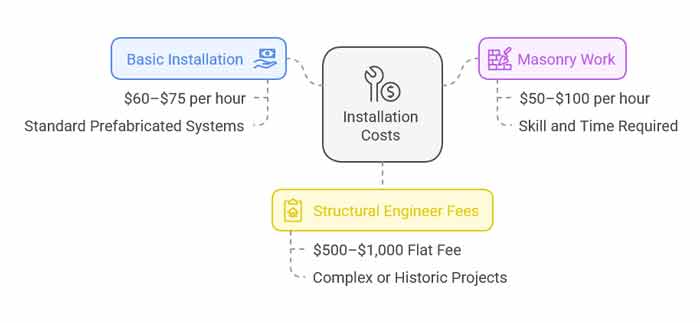 Chimney Types | Installation Costs Chart
Labor Costs
Labor changes with the type of chimney, how complicated the job is, and where you live.
1. Installation Costs
- Basic Installation: $60–$75 per hour for standard prefab systems.
- Masonry Work: $50–$100 per hour, since it takes real skill and time.
- Structural Engineer Fees: Complex or historic projects sometimes need a structural engineer, which runs $500–$1,000 as a flat fee.
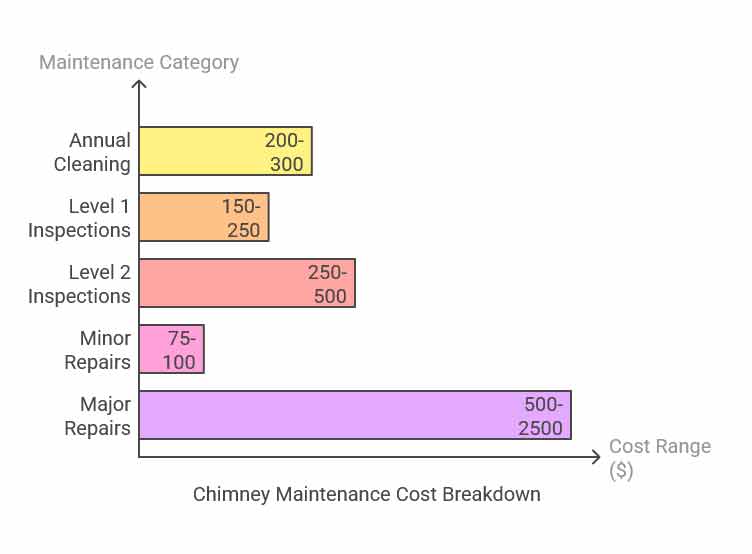 Chimney Types | Maintenance Pricing In Colorado Diagram
2. Maintenance Costs
Routine upkeep keeps a chimney safe and working.
- Annual Cleaning: $200–$300, depending on how much creosote has built up.
- Inspections: A Level 1 runs $150–$250, while a deeper Level 2 usually costs $250–$500.
- Repairs: Small fixes like cap replacements cost $75–$100 per hour, while bigger masonry repairs land between $500 and $2,500.
Regional Pricing in Colorado
Colorado's geography moves chimney prices around based on location and environment.
Urban Areas (e.g., Denver, Boulder, Aurora):
- Higher Labor Rates: Demand for skilled crews and tighter emission rules nudge costs up a bit.
- Waterproofing: Sealing and waterproof coatings add $200–$500 per project to guard against heavy snow and rain.
Mountain Communities (e.g., Aspen, Breckenridge):
- Specialized Insulation: Better insulation systems cost 10–15% more than standard installs to fight the extreme cold.
- Wildfire Precautions: Spark arrestors, heat-resistant materials, and advanced cleaning are a must up there, and they add to the bill.
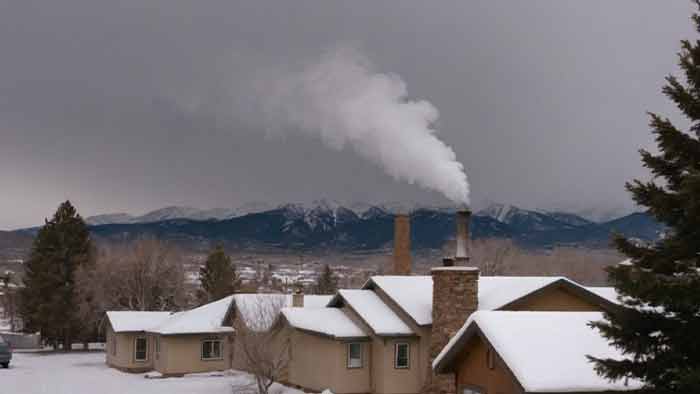 Chimney Types | High Or Short Chimney? Call Adam Pros.
Factors Affecting Costs
A handful of things swing the final price on a chimney project:
1. Accessibility
- Chimneys in tough spots, like steep roofs or multi-story homes, need extra gear like scaffolding, which adds $100–$500 to labor.
2. Chimney Height
- Taller chimneys eat up more material and labor. A 30-foot chimney typically costs 20–30% more to install or repair than a 15-foot one.
3. Seasonal Variations
- Winter installs cost more thanks to rough weather and a flood of service calls. Booking maintenance in spring or summer saves you money.
4. Project Complexity
- Big jobs, like restoring a historic masonry chimney, take specialized skill and sometimes an engineer or preservation expert, which pushes the price up.
Cost-Saving Tips
- Choose Prefabricated Systems: If you're watching the budget, a prefab chimney gives you a cheaper option that still works well.
- Schedule Off-Season Maintenance: Book inspections and cleanings in spring or summer when crews aren't slammed.
- Combine Services: Bundling jobs, like a cleaning and an inspection together, trims your labor fees.
- Invest in Quality Materials: Good stuff like stainless steel liners or insulated systems costs more upfront but saves you on maintenance down the road.
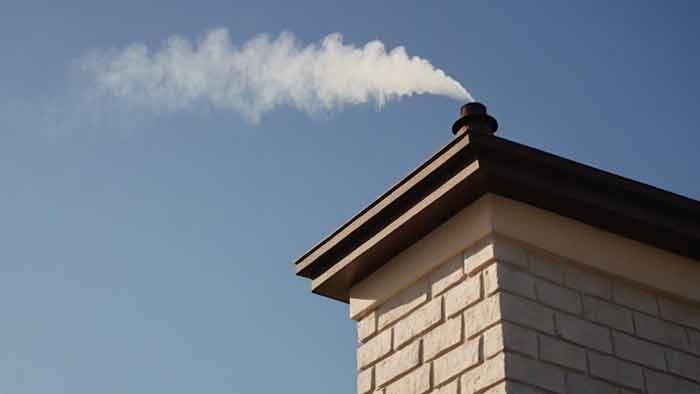 Chimney Types | Get The Most Out Of Your Chimney
How We Help You Choose the Right Chimney Type
If you're not sure which chimney type fits your home, you're in good company. Most people aren't, and that's fine. Here's the step-by-step we actually walk through with homeowners, so you know what to expect when you call us.
- We look at the house first. Age, style, roof pitch, and existing flue all tell us a lot before we ever talk price.
- We check your altitude and location. A home in Denver and a cabin in Breckenridge need different draft and insulation choices, so where you are changes the recommendation.
- We figure out how you'll use it. Wood burner, gas insert, pellet stove, or a fireplace that's mostly for looks? The fuel and the frequency drive the right setup.
- We inspect what's already there. Sometimes the smart move is repairing or relining what you have instead of replacing it. We'll tell you straight if that's the case.
- We give you real numbers. You get a clear estimate with options, not a vague range, so you can make the call that fits your budget.
That whole process usually starts with a simple inspection. If you want to see where your chimney stands, our chimney inspection in Denver is the easiest first step, and it tells us exactly what your home needs before anyone spends a dime on materials.
Modern Trends in Chimney Design
Homeowners want chimneys that are more efficient, safer, and easier on the environment, and the industry has stepped up with new tech and smarter designs. These upgrades make chimneys work better and fit how people actually live now, mixing convenience with sustainability.
Efficiency Upgrades
Modern chimneys are built to squeeze out more energy efficiency, so you get better performance while burning less fuel.
- Insulation Enhancements: Insulated liners and double- or triple-walled construction hold steady flue temperatures. That cuts heat loss, slows creosote buildup, and keeps the draft strong.
- Improved Draft Technology: Adjustable draft systems let you fine-tune airflow so combustion byproducts get pushed out cleanly. That's a big deal in Colorado's high-altitude towns, where thin air can choke a draft.
- Moisture Resistance: Better waterproofing and moisture-resistant materials block water intrusion, which is a constant headache in snowy, rainy spots like Denver. Caps and crowns are shaped to steer water away from the weak points.
Safety Innovations
As people get more aware of fire and carbon monoxide risks, safety stays front and center in chimney design.
- Spark Arrestors: Newer spark arrestors use finer mesh to stop embers from drifting out and catching nearby brush, which is huge for wildfire-prone parts of Colorado.
- Top-Sealing Dampers: These sit at the top of the chimney and seal it tight when it's not in use, cutting downdrafts, blocking debris and pests, and saving energy.
- Advanced Ventilation Systems: High-performance ventilation clears smoke, carbon monoxide, and other gases efficiently, which keeps the air inside your home safer.
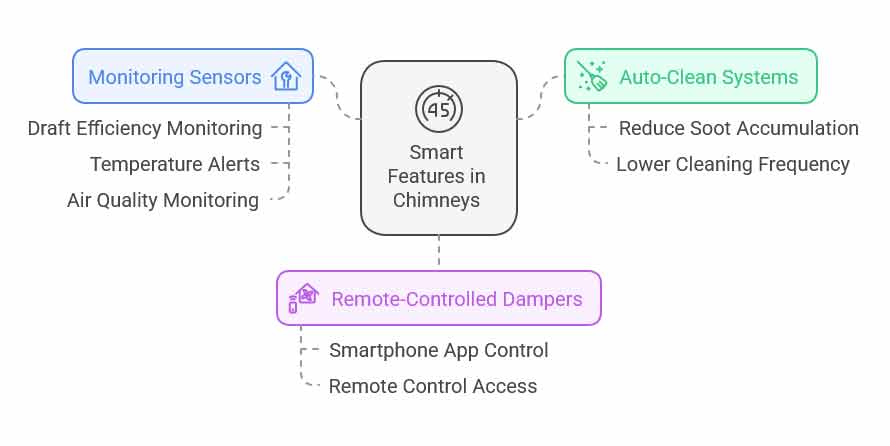 Chimney Types | Smart Chimney Features Chart
Smart Features
Smart tech has changed how people manage and maintain their chimneys, adding a lot of convenience and control.
- Auto-Clean Systems: Some designs include self-cleaning mechanisms that knock down soot and creosote, so you don't need professional cleanings quite as often.
- Remote-Controlled Dampers: You can adjust dampers from a phone app or remote, dialing in airflow without climbing or fiddling.
- Monitoring Sensors: Sensors track draft, temperature, and air quality and send you real-time alerts when something's off. That heads off problems like backdrafts or heavy creosote before they get dangerous.
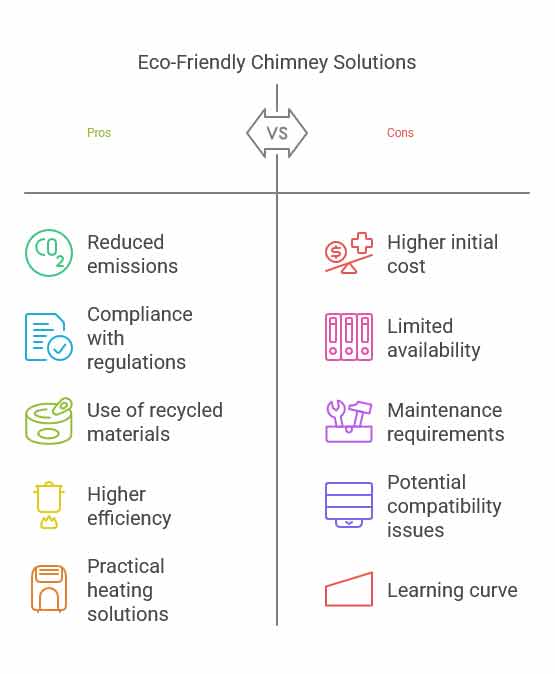 Chimney Types | Learn About Our Eco-Friendly Chimney Solutions
Eco-Friendly Solutions
Sustainability has become a real priority in chimney design, and manufacturers keep rolling out lower-impact options.
- EPA-Certified Appliances: Modern chimneys often pair with EPA Phase III-certified wood stoves and fireplaces that put out far less pollution than older models. Those are a great fit in places like Denver with strict air rules.
- Recycled Materials: Some liners, caps, and components now use recycled materials, which trims resource use without giving up durability.
- Pellet Stoves and Gas Inserts: Pellet stoves burn compressed biomass and run cleaner and more efficiently than old wood setups. Gas inserts, fueled by natural gas or propane, burn clean with minimal emissions. Both line up with Colorado's environmental goals and heat a modern home well.
Why These Trends Matter
These design changes tackle the real problems people face now, like rising energy costs, environmental worries, and safety risks. Better insulation, stronger safety gear, and eco-friendly systems pay off especially well for Colorado homeowners. City homes in Denver benefit from staying within emission rules, while mountain places lean on draft improvements and fire prevention.
Lean into these trends and you get a chimney that works well and fits how you live, with real safety, efficiency, and sustainability baked in.
The smartest upgrade I push isn't some fancy gadget, it's a good stainless liner paired with a solid cap. People want the app-controlled damper, and that's cool, but the liner and cap are what actually save your house and your money up here. Get the fundamentals right first, then add the bells and whistles.
- Adam, Owner, Adam Chimney Sweep
Top Chimney Brands
Picking the right chimney brand matters almost as much as picking the right type. The leading makers offer different designs and technologies built for specific needs, budgets, and home environments. Here's a rundown of some top brands, what they're good at, and where they fit best for Colorado homeowners.
Leading Brands and Their Features
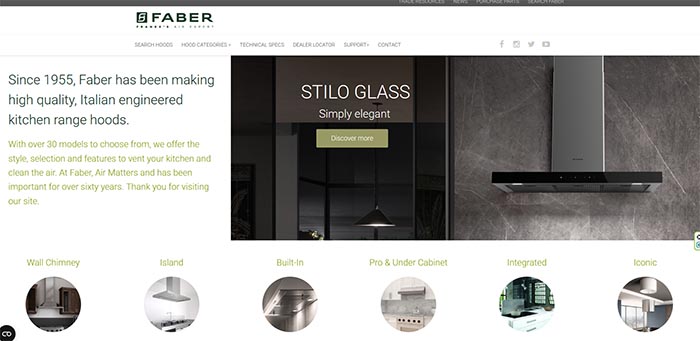 Chimney Types | Faber Us And Canada
1. Faber
Faber is known for high-end European designs that pair innovation with a clean, elegant look.
- Key Features: Suction power up to 1500 m³/hr, auto-clean technology, sleek aesthetics.
- Best For: Homeowners who want premium solutions with modern style. Great for urban areas like Denver where design is a priority.
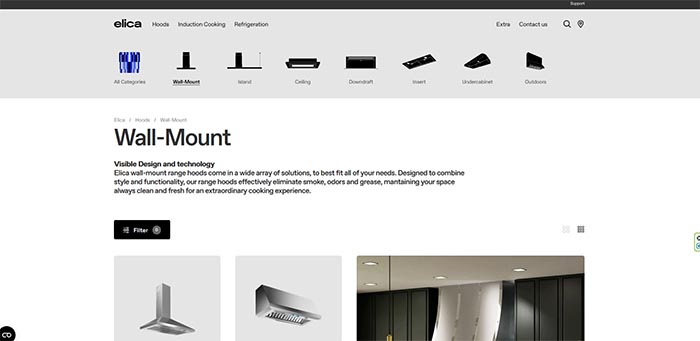 Chimney Types | Elica Wall-Mount Range Hoods
2. Elica
Elica is big on advanced technology, with a focus on convenience and durability.
- Key Features include filterless auto-clean systems, motion sensor controls, and warranties up to 15 years.
- Best For: Families who want low-maintenance, tech-forward chimneys. A good match for busy suburban households in Aurora and Thornton.
 Chimney Types | For A Smoke-Free And Healthy Cooking Experience
3. Hindware
Hindware makes budget-friendly options that still look good and work well.
- Key Features: Smart appliance integration, pyramid and curved designs, affordability.
- Best for: First-time buyers or homeowners on a budget. Good for stylish but economical installs in starter homes.
 Chimney Types | For The Hvac Industry Of The Future
4. DuraVent
DuraVent focuses on heavy-duty chimneys built for durability and safety.
- Key Features: Double- and triple-wall construction, premium safety features, over 50 years of experience.
- Best For: Mountain homes in areas like Aspen or Breckenridge, where rough conditions demand a tough system.
 Chimney Types | Fireplace &Amp; Stove Accessories
5. Selkirk
Selkirk's reputation rests on long-lasting, professional-grade chimneys.
- Key Features: All-fuel compatibility, lifetime warranties, corrosion-resistant materials.
- Best For: Homeowners who want a reliable, long-term solution for either city or rural properties.
 Chimney Types | Quality All-Fuel Chimney Systems
6. ShastaVent
ShastaVent blends European engineering with sustainability for eco-conscious buyers.
- Key Features: Corrosion-resistant materials, laser-welded seams, sleek designs.
- Best For: Eco-minded buyers who want a sustainable, efficient system in modern or traditional homes.
Brand Suitability
- Urban Homes: Brands like Faber and Elica bring the modern look and smart features that suit city living in Denver and Boulder.
- Mountain Climates: DuraVent and Selkirk give you the durability and fire safety you need for harsh weather and wildfire country.
- Eco-Conscious Buyers: ShastaVent, plus EPA-certified options from Hindware and Elica, fit homeowners who care most about sustainability and clean burning.
Maintenance and Care
Good chimney maintenance is what keeps the whole thing safe, working, and lasting. Regular inspections and a little proactive care head off expensive repairs, keep things running efficiently, and protect your home from hazards. For Colorado homeowners, dealing with freezing temps and snow loads is a big part of that.
 Chimney Types | Types Of Chimney Inspections Diagram
Regular Inspections
A yearly inspection is the best way to catch small problems before they blow up into big ones.
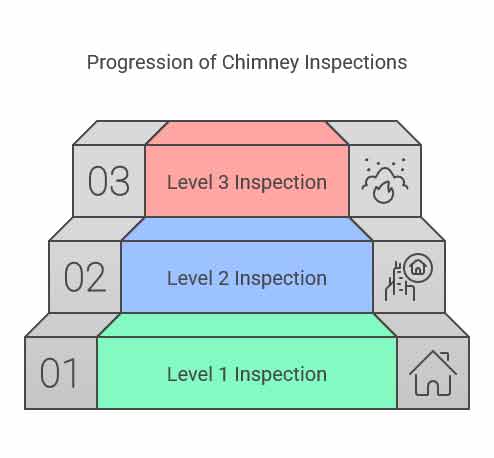
- Level 1 Inspection: A basic check of the parts you can see, like the flue, damper, and cap. Right for chimneys used under normal conditions.
- Level 2 Inspection: After a major storm or a structural change, you want a deeper look that includes internal camera work.
- Level 3 Inspection: A full teardown-level inspection that may mean removing parts of the chimney to check the structure. Reserved for serious damage or long-term neglect.
Regular inspections help you avoid chimney fires, carbon monoxide leaks, and structural trouble, so the whole system keeps running safely.
Seasonal Care Tips
Colorado's swings in weather mean you've got to match your maintenance to the season.
- Post-Winter Inspections:
Check for cracks or damage from freeze-thaw cycles. Ice expansion weakens masonry and opens the door to water.
Look for creosote buildup, which piles up after a long winter of wood fires. - Fall Cleaning and Preparation:
Book a professional cleaning before heating season to clear out creosote, soot, and debris.
Inspect caps, crowns, and flashing for wear so they're ready for snow and wind. - Winter Maintenance:
Keep an eye on snow loads on the chimney, especially in the mountains. Heavy snow can crack caps and crowns.
Keep the flue and damper sealed tight when you're not using the fireplace to block downdrafts and cold air.
 Chimney Types | Creosote Buildup In A Fireplace
Warning Signs Your Chimney Needs Attention
You don't have to be a pro to spot trouble. Call us if you notice any of these:
- A strong, smoky, or tar-like smell coming from the fireplace, even when it's not lit.
- White staining (efflorescence) or dark streaks on the exterior brick.
- Bits of brick, mortar, or rust showing up in the firebox or on the roof.
- Smoke pushing back into the room instead of drawing up the flue.
- A damper that's stuck, rusted, or won't seal all the way.
- Visible cracks in the crown or gaps around the flashing where it meets the roof.
Common Issues and Solutions
Staying ahead of these common problems keeps small stuff from turning into big repairs.
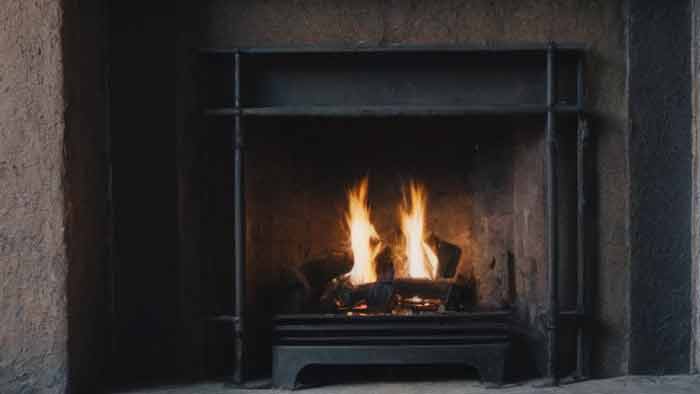
- Creosote Buildup:
- Cause: Wood that doesn't burn all the way leaves creosote deposits inside the flue.
- Solution: Get an annual cleaning to clear out that flammable residue and lower your chimney fire risk.
- Blocked Flues:
- Cause: Debris, nesting animals, or heavy soot can choke off airflow.
- Solution: Put on a chimney cap to keep blockages out and have the flue checked regularly.
- Cracked Masonry:
- Cause: Freeze-thaw cycles and water work the brick and mortar loose.
- Solution: Fix cracks fast and waterproof the masonry to stop more damage. If it's gone too far, our chimney repair in Denver can rebuild the affected sections.
Proactive Approach
Getting ahead of chimney care saves homeowners real time and money.
- Early Detection: Handling little stuff, like small cracks or light creosote, keeps it from snowballing into pricey repairs.
- Seasonal Planning: Scheduling inspections and cleanings in spring or summer means better availability and usually lower prices.
- Invest in Quality: Good caps, liners, and dampers cost more upfront but save you over time by cutting down on maintenance.
Put regular maintenance first and stay on top of the seasonal challenges, and you'll keep your chimney safe, efficient, and ready all year. That kind of care protects your investment and keeps the house warm and cozy through our rough Colorado winters.
Chimney Types FAQ
How often should I have my chimney inspected in Colorado?
Once a year, no matter the chimney type. Our freeze-thaw cycles are hard on masonry, and even a lightly used fireplace can hide creosote or a cracked crown. An annual Level 1 inspection catches almost everything before it becomes expensive.
Which chimney type lasts the longest?
A well-maintained masonry chimney wins on lifespan and can run over a century. Metal and prefab systems cost less and install faster, but they generally don't last as long, especially with our weather working on them year after year.
Can I switch from a wood-burning chimney to a gas insert?
Usually yes, and a lot of Denver homeowners do exactly that for the convenience and cleaner burn. We check the existing flue, fit the right liner, and make sure everything's up to code so the conversion is safe.
Why does my fireplace smoke into the room instead of up the chimney?
It's often a draft issue, which is common at our altitude, or a blockage from debris or a nesting animal. Sometimes it's a cap or damper problem. An inspection pins down the cause fast so we're not guessing.
Is waterproofing my chimney really worth it?
In Colorado, absolutely. Sealing runs a few hundred dollars and it stops water from getting into the brick, freezing, and cracking it apart. Skip it and a small crack can turn into a major rebuild after a couple of hard winters.
Chimney Types Conclusion
Chimneys are a core part of any home and they matter for safety, energy efficiency, and curb appeal all at once. Picking the right type, whether that's a traditional masonry build, a modern prefab unit, or a durable metal system, gets you the best performance for your specific house. For Colorado homeowners, knowing the local stuff like climate wear and strict emission rules is what separates a smart decision from an expensive guess.
Keeping up with maintenance is just as important. Proactive care, including annual inspections and seasonal cleaning, heads off costly repairs and keeps the chimney running well all year. Catch the usual suspects like creosote buildup, cracked masonry, and blocked flues early, and you'll save yourself time, money, and stress. It's also worth reading up on safe burning practices straight from the source; the EPA's Burn Wise program has solid, no-nonsense guidance on cleaner-burning appliances.
For expert help and professional chimney service in Colorado, Adam Chimney is ready to step in. From installs and repairs to inspections and cleaning, we know the real-world needs of homes in Denver's urban core and out in the mountain communities. Give us a call at (720) 207-9232 and let our team make sure your chimney is safe, efficient, and built to last. You can also browse all of our chimney services to see everything we handle.