Chimney Gas Inserts in Denver: What's New for 2025
 Chimney gas inserts have become one of the most popular upgrades Denver homeowners ask us about, and 2025 has pushed the bar higher with cleaner designs, smarter controls, and better safety hardware. I've been putting these units into Denver homes for years, and the change in the last two seasons is real. Folks in Capitol Hill want something that disappears into a modern wall. Families in Cherry Creek want heat they can count on when a March snow rolls in off the foothills. A gas insert solves both, and it does it without the mess and constant cleaning a wood fire demands.
If you've got an open masonry fireplace that eats firewood and still leaves the room cold, you're the exact homeowner these units were built for. Below I'll walk you through why they're catching on here, which brands hold up to Colorado winters, what a real installation looks like, and what the whole thing actually costs once permits and venting are figured in. No fluff, just what I tell people on their own living room floor.
Nine times out of ten, when somebody calls me about a gas insert it's because their old wood fireplace is pulling more heat up the flue than it's putting in the room. You light a fire, the fire's nice, but the rest of the house gets colder. A sealed gas insert flips that around. That's the whole pitch, and it's an easy one to make once people feel the difference.
- Adam, Owner, Adam Chimney Sweep
Why Chimney Gas Inserts Are Trending in Denver

 Energy Efficiency And Cost Savings Diagram
1. Energy Efficiency and Cost Savings
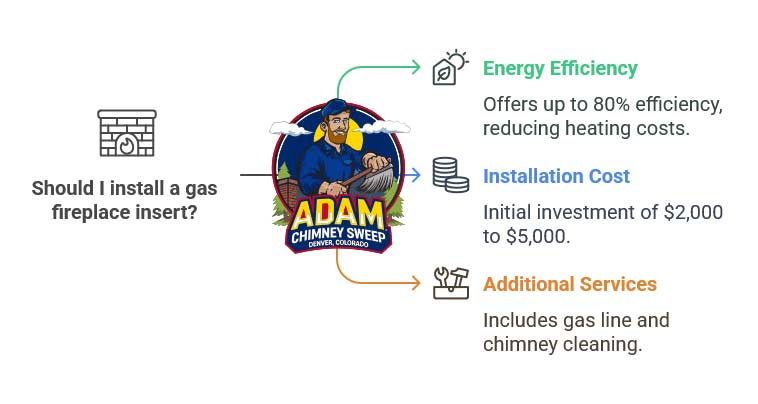
Energy prices in Colorado keep climbing, so people are looking hard at how they heat their homes. Modern gas fireplace inserts run up to 80% efficient because of direct vent technology, which keeps the heat in the room instead of sending it up the chimney. That's a big deal in older Denver homes with drafty open fireplaces, and it knocks down heating bills through the cold months.
Around Denver, installs usually land between $2,000 and $5,000. The spread depends on the unit you pick, the labor, and any extras like a gas line ($200-$1,000) or a chimney cleaning ($100-$150). Most homeowners I work with make that money back through lower utility bills, and the unit adds value when it's time to sell.
2. Smart Features for Modern Living
The 2025 lineup of bright chimney inserts comes loaded with the kind of features Denver homeowners actually use. Whether it's a small place in LoDo or a bigger house out in Highlands Ranch, people want WiFi connectivity, voice control through Alexa or Google Home, and programmable thermostats. You can turn the fireplace on from your phone on the drive home, so the living room's warm by the time you walk in.
3. Stylish and Customizable Designs
A lot of Denver buyers go for clean, minimalist designs with frameless glass fronts that look right at home in a contemporary space. Brands like Napoleon and Mendota build out statement surrounds, so you can dress the insert up with bold tile or a shape that ties into the rest of the room.
Leading Gas Insert Brands for Denver Homes
Premium Tier
If you want the best build quality and the newest tech, start here:
- Napoleon: Built around strong burner systems and the SAFEGUARD automatic gas shutoff. Their Inspiration Series is a workhorse, and the safety hardware is genuinely good.
- Mendota: The SIT Proflame 2 system gives you tight thermostat control, which is why I recommend them for Denver homes that need steady, zoned heat.
- Heat & Glo: Strong on looks and smart connectivity, so they tend to win over homeowners who care a lot about how the fireplace finishes out.
Mid-Range Options
For folks in Parker or Aurora watching the budget, these brands give you quality without the top-tier price:
- Majestic: Over 125 years in the business. The Jasper Series has good customization and realistic log sets.
- Empire/White Mountain Hearth: Known for hand-painted log sets and Slope Glaze burner technology, which gives you a flame that actually looks like fire.
- Kozy Heat leans into zone heating, so it's a smart pick for Denver homes that want to warm one part of the house without running the furnace harder.
Notable Mentions
If you're after a mix of price and performance, take a look at these:
- Superior: The DRI Series uses efficient ceramic logs and spreads heat well.
- Regency: Solid, durable construction that holds up fine through a long Colorado winter.
- Monessen: Offers vent-free inserts rated at 99.9% efficiency, so almost none of the heat goes to waste.
 Chimney Gas Insert Innovations
Key Technical Innovations in 2025 Gas Inserts
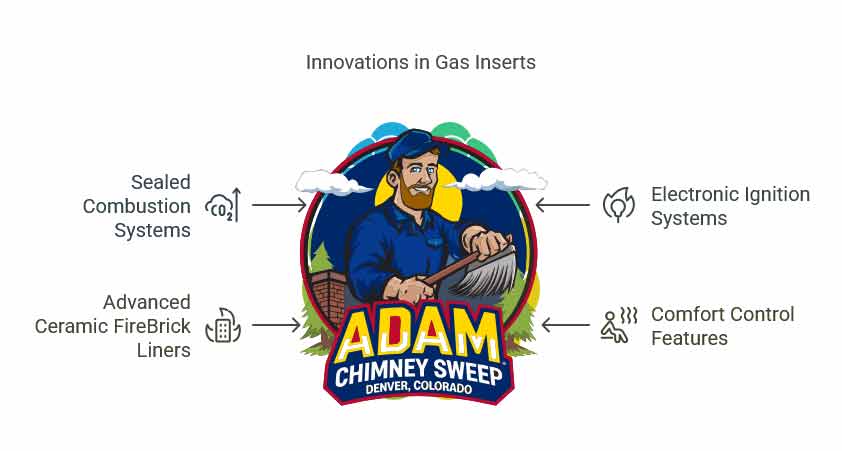
The newest gas inserts have picked up some genuinely useful upgrades. Here's what's worth knowing:
- Sealed Combustion Systems: They pull air from outside the home, which cuts drafts and helps your indoor air stay cleaner.
- Electronic Ignition Systems: No more standing pilot light burning gas all winter. The unit only fires when you ask it to, so you save fuel.
- Advanced Ceramic FireBrick Liners: These reflect about 25% more heat back into the room without burning any extra gas.
- Comfort Control Features: Smart sensors read the room and adjust the flame height and heat output on their own.
Safety Considerations for Denver Homeowners
Safety comes first any time you put in a new gas appliance. Today's inserts burn clean, so you get less smoke, fewer sparks, and almost no odor. Built-in automatic shutoff and carbon monoxide detection mean you can run the unit and not lie awake worrying about it.
The other half of safe operation is upkeep. Chimney sweeping and flue inspections keep things running the way they should. Denver homes should get the chimney cleaned at least once a year so buildup doesn't turn into a problem. If you want to read the national standard on annual service yourself, the Chimney Safety Institute of America spells out why yearly inspections matter and what a certified sweep should be checking.
People assume a gas unit means zero maintenance, and that's not quite right. The fire's clean, sure, but the venting still has to stay clear, the glass gasket still wears, and I still want eyes on that flue once a year. A bird's nest in a low-run vent or a cracked liner doesn't care whether you burn wood or gas. One annual check catches all of it before it costs you.
- Adam, Owner, Adam Chimney Sweep
 Chimney Gas Insert Installations In Colorado
Chimney Gas Insert Installation Process in Denver
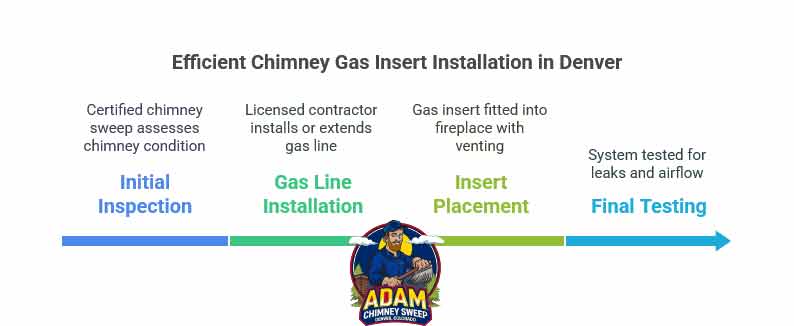
A proper install runs about 4 hours with two technicians on site. Here's how we do it, step by step:
- Initial Inspection: A certified sweep checks the chimney and flue and makes sure everything's up to safety standards before we touch the insert.
- Gas Line Installation: If the fireplace doesn't already have gas to it, a licensed contractor runs or extends a line to the spot.
- Insert Placement: We fit the insert into the fireplace opening and set up the venting so it runs efficiently.
- Final Testing: We test for leaks, confirm the airflow's right, then walk you through how to run it before we pack up.
Choosing the Right Gas Insert for Your Denver Home
Picking the right insert comes down to a few things:
- Home Size and Layout: A bigger home in Stapleton may want a high-output unit with zoned heating so you're not fighting cold corners.
- Aesthetic Preferences: Sleek glass fronts look great in a downtown loft, while a more rustic style suits a suburban house.
- Budget: Premium brands stack on the high-end features, but mid-range models give you a lot of value and heat just as well.
 Gas Insert Project In Colorado
The Future of Chimney Gas Inserts in Denver
Sales jumped 20-25% from 2024 to 2025, and the reasons are pretty simple: energy costs went up and people care more about an efficient home. The industry keeps leaning toward cleaner-burning units and energy monitoring that lets you watch your usage and dial it in. I don't see that slowing down.
Chimney Gas Insert Installation Services in Denver
The provider you hire matters more than people think. Denver's a patchwork of neighborhoods, from historic Five Points to newer builds in Stapleton, and every home throws its own curveballs. Chimney condition, venting, and local building codes all shape how the install goes, so it pays to work with someone who's seen a lot of Denver chimneys.
Why Choose Professional Installation?
A certified pro gets your insert in safely and running the way it should. We handle the parts that go wrong when people DIY it:
- Gas Line Connections: Done to Denver's gas codes so you don't end up with a leak or a hazard.
- Chimney Relining: If your flue won't play nice with the new insert, we reline it to fix the airflow and efficiency.
- Clearance and Venting: Set up right so nearby wood like mantels and walls never gets too hot.
At Adam Chimney, our team handles full fireplace insert installs and keeps your home warm and efficient. We work across Denver, including Aurora, Highlands Ranch, and Lakewood.
Understanding the Cost Breakdown for Gas Inserts in Denver
What you'll pay for a gas insert in Denver shifts with a handful of factors:
1. Unit Price
The insert itself runs:
- Premium Brands (Napoleon, Mendota, Heat & Glo): $3,500 – $7,000
- Mid-Range Brands (Majestic, Empire, Kozy Heat): $2,000 – $4,000
- Budget-Friendly Brands (Superior, Regency, Monessen): $1,500 – $3,000
2. Installation Labor
Professional install usually runs $1,000 to $2,500, depending on:
- How tricky the install is
- Any changes the chimney or gas line needs
- Extra structural reinforcement, if it comes up
3. Additional Costs
- Gas Line Installation: $200 – $1,000 (based on how far it is from the gas source)
- Chimney Cleaning: $100 – $150 (we recommend it before the install)
- Permits and Inspections: Varies by Denver's building codes, but figure $100 to $500
Gas Insert Maintenance Tips for Denver Homes
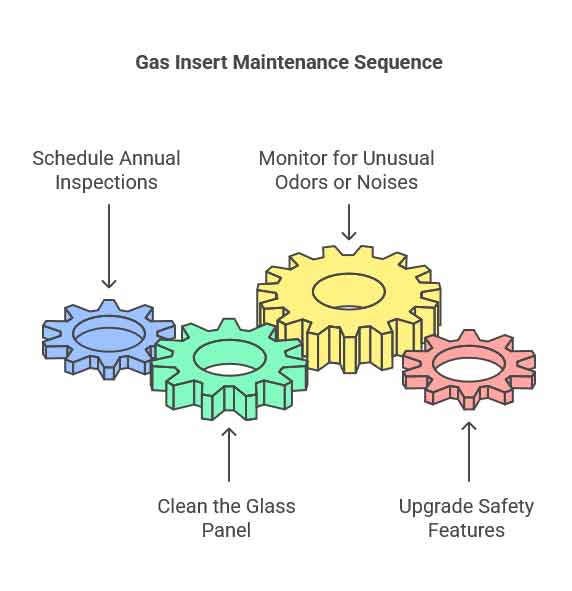
Once your insert's in, a little regular care keeps it running clean and safe. Denver's swings in temperature, especially during a rough winter, put extra strain on any heater. Here's how to keep yours in shape:
1. Schedule Annual Inspections
A professional inspection confirms that:
- The burner and logs are firing the way they should
- The venting is clear of blockages
- There's no gas leak or carbon monoxide buildup
2. Clean the Glass Panel
Residue builds up on the glass over time and clouds the view of the flame. Use a non-abrasive cleaner the manufacturer recommends so the glass stays clear and the fire looks good.
3. Watch for Odd Smells or Noises
If you catch a sulfur smell, a hiss, or the unit gets hard to light, call a pro right away to check for a leak or a mechanical problem. Don't sit on it.
4. Upgrade Safety Features
Put a carbon monoxide detector near the insert. It's cheap insurance and worth doing.
 Vents For Gas Inserts In Colorado
Choosing the Right Venting Options
Before you settle on an insert, it helps to understand your venting choices, especially with the mix of older and newer homes around Denver.
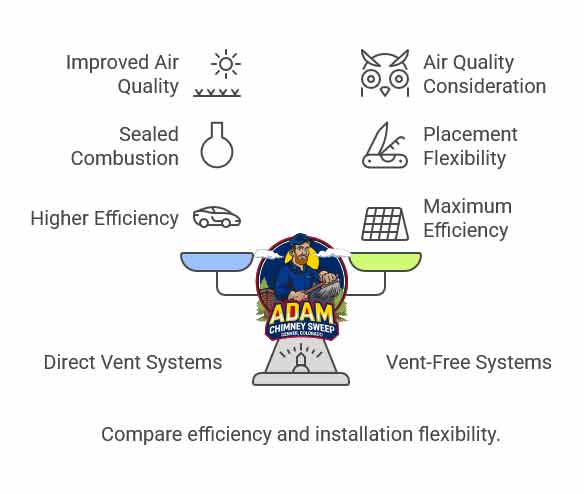
Direct Vent Systems
Direct vent inserts are what most people end up choosing. You get:
- Higher Efficiency: Up to 80%, since they pull air from outside and send the combustion gases back out the same way.
- Sealed Combustion: Cuts drafts and helps your indoor air, which is nice in Denver's dry climate.
- Versatile Installation: Works in older homes where running a traditional chimney vent isn't practical.
Vent-Free Systems
If a home doesn't have a chimney to work with, vent-free inserts are a good alternative:
- 99.9% Efficiency: Nothing gets lost up a vent.
- Placement Flexibility: They can go in basements, on interior walls, in spots a vented unit can't.
- Air Quality: They need decent room ventilation so you don't get moisture buildup or low oxygen, so this is a conversation worth having before you buy.
Top Neighborhoods in Denver for Gas Inserts
Different parts of Denver want different things out of a fireplace. Here's where I see the most gas insert work:
- Capitol Hill: Homeowners go for sleek, modern inserts that match a trendy interior.
- Wash Park: Classic homes get inserts that keep the traditional look while heating better.
- Cherry Creek: Higher-end properties tend to pick Napoleon and Mendota for the style and the performance.
- Golden Triangle: Tight on space, so a lot of condo owners go vent-free.
Eco-Friendly Heating Solutions for Denver Residents
More homeowners care about their footprint now, and gas inserts have kept pace. A few of the greener trends:
- Low-Emission Burners: They put out fewer pollutants, so they're a cleaner way to heat.
- Energy Monitoring Systems: Track how much fuel you're burning and trim the output for better efficiency.
- Recycled Materials: Some makers build sustainable materials right into the design.
 Fast And Affordable Chimney Gas Inserts In Colorado
Chimney Gas Insert Costs in Colorado: A Comprehensive Guide
Based on January 2025 data
A gas insert is one of the better ways to heat a home more efficiently and get some ambiance out of it too, no matter where you are in Colorado. Whether you live in Denver, Boulder, Colorado Springs, Fort Collins, or a smaller spot like Granby or Durango, knowing the real numbers helps you budget without surprises. Here's the full breakdown: unit prices, install fees, and the extras that sneak up on people.
Base Unit Costs
You've got plenty of options depending on your budget and how much heat you need. Here's the ballpark:
| Gas Insert Type | Average Cost | Price Range | Budget Options | Premium Models |
|---|---|---|---|---|
| Standard Inserts | $3,700 | $2,300 – $8,000 | Starting at $1,300 | Up to $13,500 |
In places like Aspen or Breckenridge, where luxury homes call for premium features, folks tend to spring for high-end inserts with better looks and more heat. Down in Greeley or Pueblo, a budget-friendly unit usually does the job fine.
Installation Labor Costs
You want this done by a pro for it to run safe and efficient. The cost of labor in Colorado shifts with how complex the job is and where you are.
| Installation Type | Cost Range |
|---|---|
| Basic Installation | $500 – $1,500 |
| Complex Installation | Up to $6,000 |
Hourly rates for skilled trades in Aurora, Centennial, or Brighton usually run:
- Plumbers: $45 – $150 per hour
- HVAC Technicians: $75 – $150 per hour
- Electricians: $50 – $130 per hour
Trickier jobs, like the historic homes in Golden or Arvada, can eat up more labor hours and push the total up.
Additional Costs for Installation Components
Gas Line Installation
Running or extending a gas line is often part of the job, depending on what's already there.
| Component | Cost Estimate |
|---|---|
| New Gas Line (per linear foot) | $12 – $25 |
| Gas Line Extension | $250 – $500 |
| Total Cost Range | $200 – $1,000 |
Homes out in rural spots like Steamboat Springs or Montrose can run higher here, just because the gas supply is farther away.
Venting and Chimney Work
Good venting keeps things safe and working right. Chimney costs can include:
| Service | Cost Estimate |
|---|---|
| Chimney Cleaning | $100 – $150 |
| Chimney Repair | $160 – $750 |
| Chimney Rebuild | $1,000 – $5,000 |
| New Chimney Liner | $900 – $3,800 |
Older homes around Manitou Springs or Estes Park sometimes need real chimney work, which adds to the bill.
Size-Based Pricing
The right insert size depends on how much space you're heating. Here's how the costs break out by size:
| Insert Size | Coverage Area (sq ft) | Average Cost |
|---|---|---|
| 18-inch | 100 sq ft | $500 |
| 21-inch | 500 sq ft | $1,200 |
| 30-inch | 1,000 sq ft | $1,700 |
| 36-inch | 2,000 sq ft | $2,000 |
| 42-inch | 3,000 sq ft | $2,300 |
In colder spots like Telluride or Silverthorne, you usually need a bigger unit to hold the heat through a hard winter.
Surround Material Costs
The surround material you pick changes both the look and the price of the job.
| Material | Cost per Sq. Ft. Installed |
|---|---|
| Concrete | $5 – $25 |
| Tile | $10 – $50 |
| Metal | $15 – $50 |
| Brick | $25 – $50 |
| Stone Veneer | $45 – $75 |
| Natural Stone | $50 – $150 |
Metal and tile are popular in urban spots like Boulder for a modern look. Natural stone is the favorite up in mountain towns like Aspen for that rustic, high-end feel.
The part of the budget that surprises people most isn't the insert, it's the venting and the surround. I've had folks fall in love with a natural stone front and then realize the masonry work costs as much as the unit. None of that's a problem, you just want to know it going in. I always price the whole job, insert plus venting plus finish, so nobody gets a number that doubles on them halfway through.
- Adam, Owner, Adam Chimney Sweep
Permit and Inspection Fees
Colorado counties want a permit on gas insert installs so the work meets local safety rules. The cost moves around by location:
| Permit Type | Cost Estimate |
|---|---|
| Installation Permit | $100 – $400 |
| Annual Inspection | $75 – $200 |
Permits cost more in cities like Boulder and Denver, where the building codes are stricter.
 Gas Insert Operating Costs For Homeowners
Operating Costs
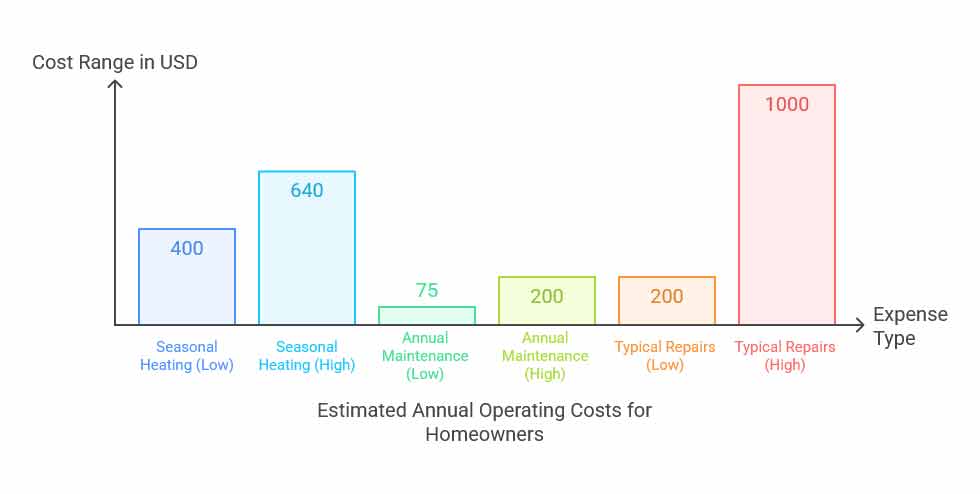
After it's in, plan for the ongoing cost of running and maintaining it.
| Expense | Annual Cost Estimate |
|---|---|
| Seasonal Heating | $400 – $640 |
| Annual Maintenance | $75 – $200 |
| Typical Repairs | $200 – $1,000 |
Folks in colder climates like Leadville or Gunnison will run higher seasonal heating costs than people down in a milder spot like Grand Junction.
Choosing the Right Gas Insert for Your Colorado Home
When you're picking an insert, weigh these:
- Climate: Mountain areas need higher-BTU units to keep up.
- Home Size: Bigger homes need bigger inserts to heat properly.
- Aesthetic Preferences: Modern or rustic, whatever fits the room.
- Budget: Look at both the upfront cost and what it costs to run.
A gas insert adds comfort and home value whether you're in a busy city like Colorado Springs or a quiet town like Salida.
Factors That Influence Chimney Gas Insert Costs in Colorado
A few things move the price of a gas insert in your Colorado home. Knowing them upfront helps you budget and dodge surprise costs.
1. Geographic Location
Material and labor prices change depending on where you are in the state. For example:
- Urban Areas (Denver, Colorado Springs, Boulder):
- Higher labor rates because demand and living costs are up.
- More contractors around, which can shorten your wait.
- Rural Areas (Steamboat Springs, Gunnison, Salida):
- Extra transport costs for materials and crew.
- Fewer contractors, which can drive labor rates up.
2. Home Age and Condition
Older homes, like the ones in the historic districts of Golden or Manitou Springs, often need extra work such as:
- Updating an outdated chimney structure.
- Reinforcing walls and insulation.
- Bringing things up to modern building codes.
Depending on the shape the home's in, that added work can run the budget up by $1,000 to $5,000.
3. Fuel Type and Efficiency Ratings
Most Colorado homeowners go with natural gas inserts because they're available and cheap to run. Propane makes more sense in remote areas like Delta County, CO, where there's no natural gas line.
Efficiency ratings shape your long-term costs too. Higher-efficiency units (80% AFUE or above) cost more upfront but can cut seasonal heating bills by 10-30%, so they pay you back over time.
 Gas Insert Brands Trends In Colorado
Comparing Gas Insert Brands Available in Colorado
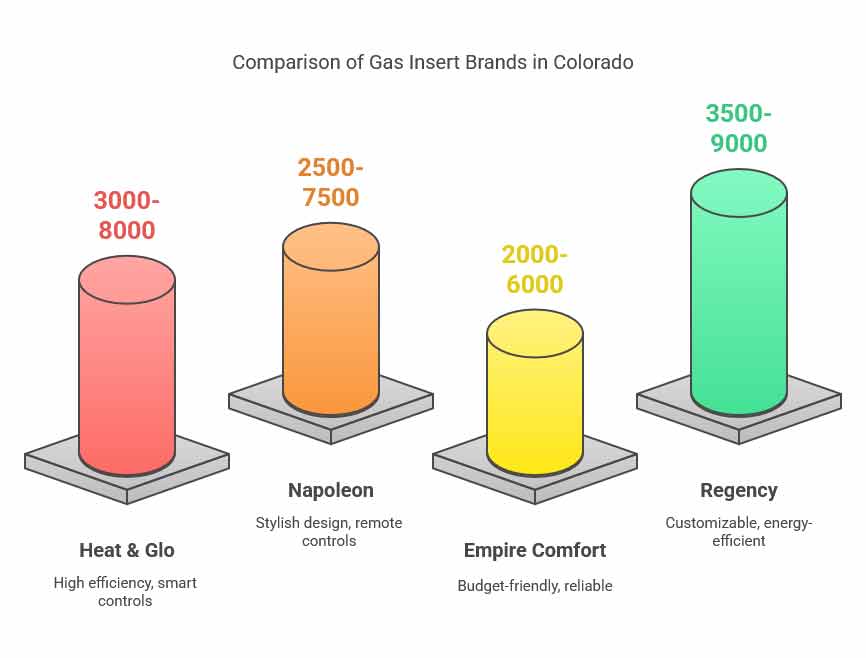
Several solid brands make gas inserts that hold up to Colorado's climate. Here's how the popular ones stack up:
| Brand | Average Cost | Key Features | Best For |
|---|---|---|---|
| Heat & Glo | $3,000 – $8,000 | High efficiency, smart controls | Modern homes in Boulder |
| Napoleon | $2,500 – $7,500 | Stylish design, remote controls | Luxury homes in Aspen |
| Empire Comfort | $2,000 – $6,000 | Budget-friendly, reliable | Rental properties in Greeley |
| Regency | $3,500 – $9,000 | Customizable, energy-efficient | Mountain homes in Vail |
Which brand's right for you comes down to budget, the features you want, and the style of your home.
Return on Investment (ROI) and Energy Savings
A gas insert pays you back in comfort and in dollars. A few of the bigger upsides:
- Energy Efficiency: Modern gas inserts turn up to 85% of fuel into heat.
- Increased Property Value: A well-installed insert can add 5-10% to resale value.
- Reduced Carbon Footprint: Next to an open wood fire, gas inserts put out fewer emissions.
Up in colder country like Summit County, a gas insert can shave roughly $500 to $1,000 a year off heating, which makes it an easy call.
Maintenance and Longevity of Gas Inserts
Keep up with the maintenance and your insert runs efficiently for years. Here are the main tasks and what they cost:
| Maintenance Task | Recommended Frequency | Cost Range |
|---|---|---|
| Annual Inspection | Once per year | $75 – $200 |
| Chimney Cleaning | Every 1-2 years | $100 – $150 |
| Component Replacement | As needed | $200 – $1,000 |
| Thermostat Calibration | Annually | $50 – $100 |
People in heavy-snow areas like Steamboat Springs should book inspections more often so the vents don't get blocked.
DIY vs. Professional Installation: Which Is Right for You?
Some Colorado homeowners think about a DIY install to save a few bucks, but a pro is almost always the safer, smarter route.
| Installation Method | Pros | Cons |
|---|---|---|
| DIY Installation | Cost savings, personal satisfaction | Risk of safety issues, code violations |
| Professional Install | Guaranteed safety, warranty included | Higher upfront costs |
In counties like Douglas and Jefferson, the building codes require a professional install to meet safety rules, which adds another $500 to $1,500 in inspection and permit fees.
 Top Chimney Gas Inserts And Accessories
Permitting Process in Colorado Counties
Every Colorado county has its own permit rules for a gas insert. Here's a rough guide for the central counties:
| County | Permit Cost | Average Processing Time |
|---|---|---|
| Denver County | $150 – $400 | 2-4 weeks |
| El Paso County | $100 – $300 | 1-3 weeks |
| Boulder County | $200 – $500 | 3-5 weeks |
| Arapahoe County | $125 – $350 | 2-4 weeks |
Work with a licensed contractor who knows the local rules and the permit side goes a lot smoother.
Available Rebates and Incentives in Colorado
Colorado hands out a few incentives for energy-efficient upgrades. Some worth checking:
- Xcel Energy Rebates: Up to $300 on high-efficiency gas inserts.
- State Tax Credits: You may qualify for up to 10% of the install cost as a tax credit.
- Local Utility Programs: Counties like Larimer and Weld often add rebates for switching to efficient heat.
Check with your local energy provider for the latest offers before you buy. The state also runs energy and air-quality programs worth a look through Colorado's Department of Public Health and Environment.
 Chimney Gas Insert Costs Chart
Top Benefits of Chimney Gas Inserts for Creosote Prevention
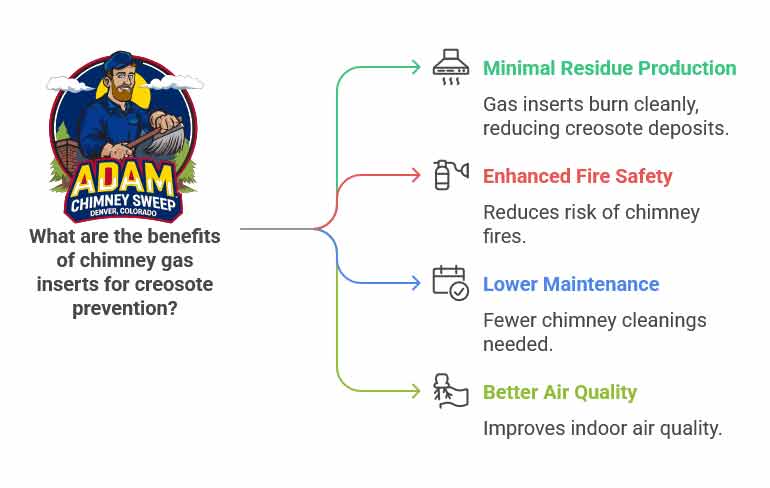
Here's why a gas insert is a strong pick for cutting down on creosote buildup:
- Minimal Residue Production:
- Gas inserts burn clean and leave little to no creosote inside the chimney.
- Enhanced Fire Safety:
- Less creosote means a much lower chance of a chimney fire.
- Lower Maintenance Requirements:
- Gas needs fewer cleanings than a wood system, which saves you time and money.
- Better Indoor Air Quality:
- No smoke or particulates indoors, which is better air for homes with kids and pets.
- Energy Efficiency:
- Gas inserts run more efficiently, so you cut heating costs and the room stays cozy.
Key Differences: Gas Inserts vs. Wood-Burning Fireplaces
Set a gas insert next to a traditional wood fireplace and the gap on creosote and upkeep is hard to miss.
| Feature | Gas Inserts | Wood-Burning Fireplaces |
|---|---|---|
| Creosote Buildup | Minimal to none | High – requires regular cleaning |
| Fire Safety | Lower risk due to cleaner combustion | Higher risk due to creosote buildup |
| Maintenance Costs | Low – occasional inspections | High–frequent cleanings required |
| Air Quality | Excellent – no smoke or pollutants | Poor – emits smoke and particulates |
| Operating Cost | Moderate–efficient fuel use | High – wood costs and inefficiency |
Trendy Chimney Gas Insert Types
Gas insert costs in Colorado swing a lot based on the unit, how complex the install is, and where you live. From a budget unit for a smaller home in Longmont to a high-end model in a ski town like Vail, getting the cost breakdown straight helps you make a smart call.
Reach out to a local pro if you want details on installation in your own area.
Common Challenges in Chimney Gas Insert Installation in Colorado
Even with all the upsides, Colorado homeowners can hit a few snags during a gas insert install. These can affect cost, timeline, and whether the job goes smooth.
1. Altitude and Airflow Efficiency
Colorado's high elevations, places like Breckenridge (9,600 ft) and Leadville (10,152 ft), mess with how a gas insert performs. There's less oxygen up there, so combustion can drop off, which means:
- You may need a high-altitude unit, which runs 10-20% more than a standard model.
- The air-to-gas ratio has to be tuned so it burns clean and doesn't soot up.
2. Compliance with Local Building Codes
Colorado counties each set their own rules for gas insert installs. In spots like Yuma County, CO, environmental policies can add emissions limits, which means:
- You'll need a high-efficiency, low-emission unit.
- Extra permits tack on $100 to $500.
Check with the local building department before you start.
3. Existing Chimney Condition
A worn-out chimney is a common headache in older homes, like the ones in Colorado Springs' historic Old North End. Cracked masonry, a shot liner, or shaky structure can mean surprise repairs running from:
- $500 for minor work like sealing cracks.
- $3,000 – $5,000 for a full reline or rebuild.
Popular Gas Insert Styles for Colorado Homes
The right style fits your home's look while still doing its job. Colorado homeowners usually land on one of these:
| Style | Description | Best For Locations | Average Cost Range |
|---|---|---|---|
| Traditional | Classic designs with faux logs and rustic appeal | Evergreen, Estes Park, Durango | $2,500 – $7,000 |
| Contemporary | Sleek, minimalist look with glass pebbles | Denver, Boulder, Fort Collins | $3,000 – $9,000 |
| Transitional | A blend of classic and modern styles | Highlands Ranch, Littleton | $2,800 – $8,500 |
Mountain homes around Vail usually lean traditional with log-style inserts, while Denver homes go more contemporary with clean lines.
Energy Efficiency Tips for Colorado Homeowners
To get the most out of your gas insert and make it last, try these:
- Programmable Thermostats:
- A smart thermostat lets you set heating schedules and cut fuel use, saving up to 20% on heating.
- Proper Venting:
- Keep vents clear of obstructions, especially after a big snow in areas like Ouray County, CO, or Lincoln County, CO.
- Sealing and Insulation:
- Good insulation around the chimney stops heat loss and can trim energy bills by $100-$300 a year.
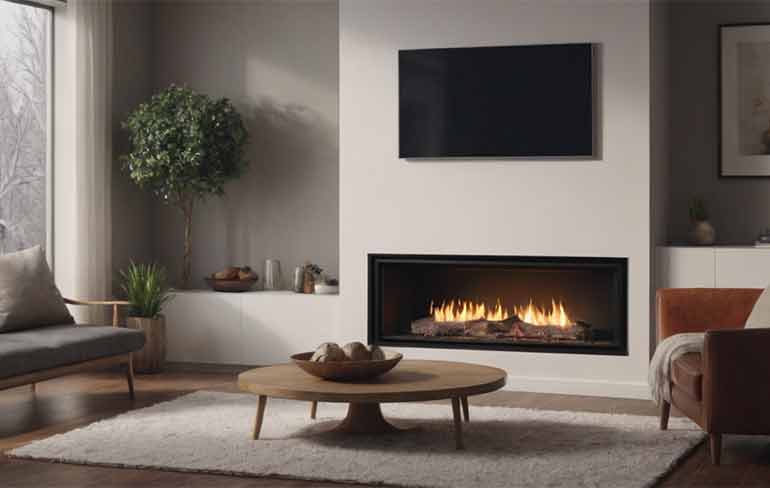 Top Chimney Gas Insert Brands In Colorado
Frequently Asked Questions (FAQs) About Chimney Gas Inserts in Colorado
Q: How long does it take to install a gas insert?
A: Usually 1 to 3 days, depending on how complex it is and the shape of the chimney. Remote areas like Teller County, CO, can run longer if contractors are booked up.
Q: Can I use a gas insert during power outages?
A: Yes. Most come with battery backup ignition, which is handy in areas that lose power a lot, like Baca County, CO.
Q: Are gas inserts safe for homes with children and pets?
A: With safety screens and temperature controls, they're a safer bet than an open wood fire.
Q: How much can a gas insert really save me on heating?
A: It depends on your home and your old setup, but swapping an open wood fireplace for a sealed direct vent insert often cuts that room's heating waste in a big way. In a mountain home up in Summit County, I've seen people save $500 to $1,000 a year because they stop running the furnace to make up for a drafty firebox.
Q: Do I still need my chimney swept if I switch to gas?
A: Yes, just not as often. Gas burns clean so you won't get the creosote a wood fire leaves, but the flue or vent still needs a yearly look to catch nests, debris, or a liner problem. Don't skip it.
Choosing a Reliable Installer in Colorado
Getting a qualified, experienced installer is the whole ballgame for a gas insert. A few tips to pick the right one:
- Verify Licensing and Insurance:
- Make sure the contractor's licensed in your county (for example, Arapahoe or Jefferson County).
- Check Reviews and References:
- Read reviews from customers near you, especially on local Colorado home improvement forums.
- Request Multiple Quotes:
- Get quotes from at least three providers so you know you're getting fair value.
Final Thoughts
A chimney gas insert in Colorado gives you comfort, efficiency, and a better-looking fireplace. Whether you're upgrading in Clear Creek County, CO, settling into a new home in Castle Rock, or fixing up a vacation place in Aspen, knowing the full range of costs and trade-offs sets you up to make a good decision.
Talk to local experts and look hard at the efficient options to get the most out of it long term.
Ready to Upgrade Your Fireplace? Contact Us Today!
If you're thinking about a gas insert for your Denver home, Adam Chimney is here to help. Our team handles the whole thing, from install to maintenance, and we'll match you to the right heating setup for your house. Give Adam a call at (720) 207-9232, or head over to our contact page to set up a time. If you'd rather start with an honest look at your existing chimney before you spend a dime, book a chimney inspection in Denver and we'll tell you straight what your flue needs.