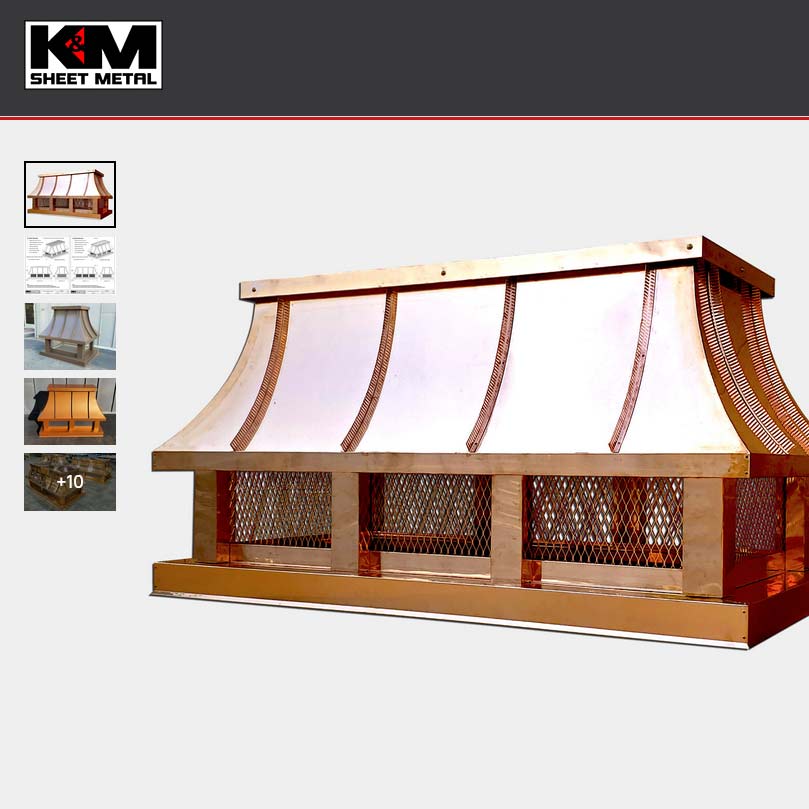
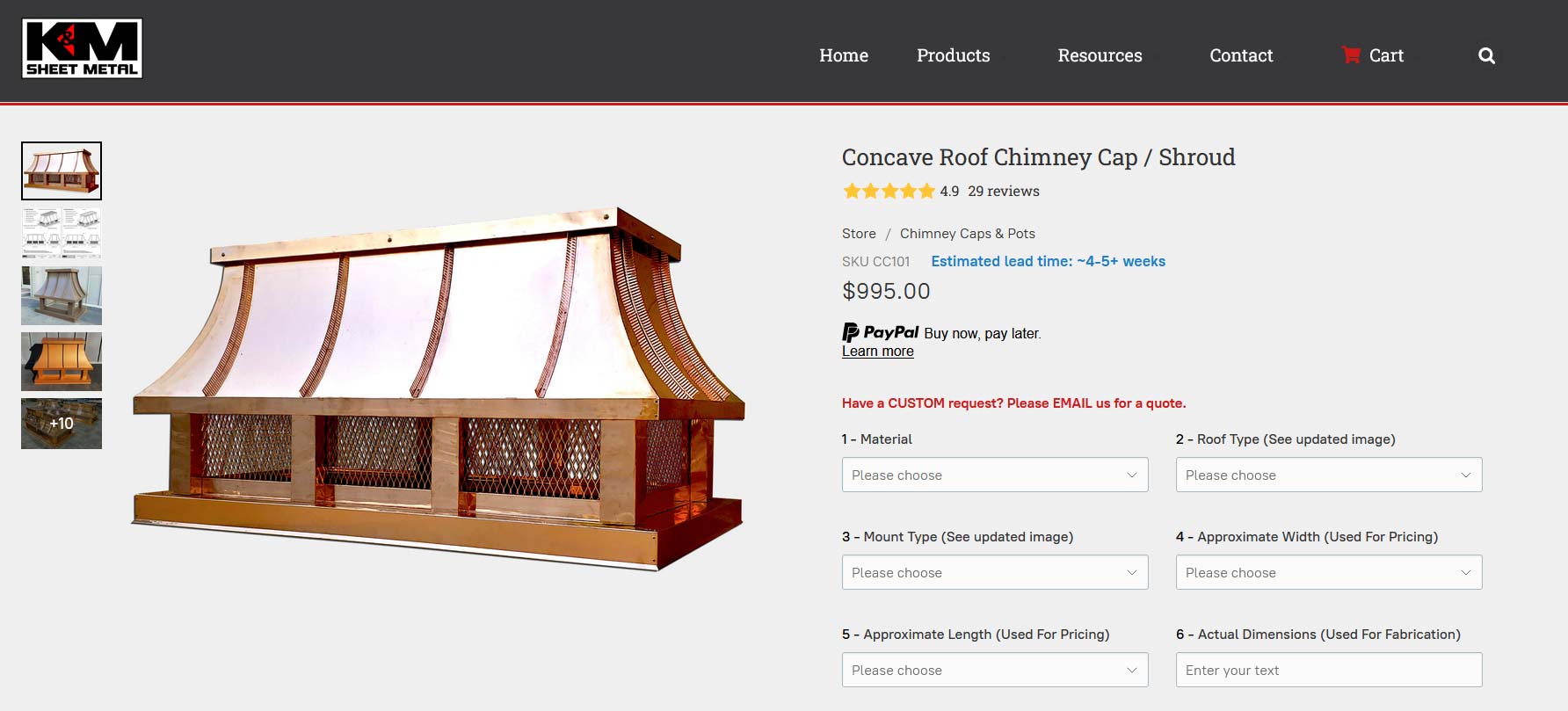
Concave Roof Chimney Cap / Shroud: A Reliable Cover for Colorado Homes
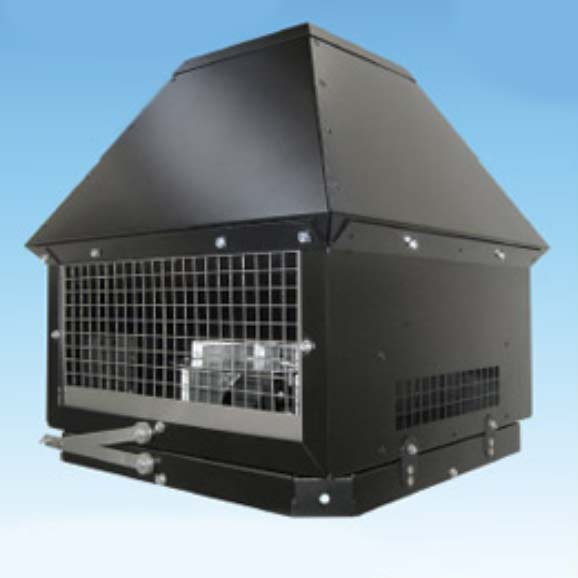
 A concave roof chimney cap shroud is one of the smartest covers you can put on a Colorado chimney, and the one designed by K&M Sheet Metal does the job about as well as anything we install. It keeps weather, falling debris, and curious animals out of your flue, and it looks sharp doing it. We've fitted these on homes up in the foothills of Park County and out on the flat, windblown plains of Yuma County, and the cap holds up in both places.
The shroud comes in copper, stainless steel, and Kynar-coated aluminum, so it can be sized and styled to match almost any chimney. That flexibility matters a lot in Colorado, where the weather on one side of a mountain pass can look nothing like the weather on the other.
If you've ever found soot streaks down your firebox after a storm, or heard scratching above the damper on a quiet night, a good cap is usually the fix. Below I'll walk you through why these caps earn their keep here, what your material and mounting options are, how we install them, and a few questions homeowners ask us almost every week.

 Get a Concave Roof Chimney Cap / Shroud installed today. Call us at (720) 207-9232.
I've pulled bird nests, twigs, and one very surprised squirrel out of capless chimneys all over the Front Range. A concave shroud closes off the top the right way, with a slope that throws water clear of the flue instead of letting it pool. Nine times out of ten, that one part stops the call I get six months later about water in the firebox.
- Adam, Owner, Adam Chimney Sweep
Why Colorado Homes Need a Chimney Cap Shroud
A chimney cap shroud earns its spot fast in Colorado, because the weather here throws a lot at an open flue. Here's what we see most often on service calls:
- ✅ Heavy snowfall: Up in places like Gunnison County, snow packs into an open flue, melts, and drips straight down into the chimney. That moisture rots mortar and rusts dampers over a few seasons.
- ✅ Strong winds: The wind in Kit Carson County doesn't mess around. It drives rain sideways and carries grit, leaves, and small branches right down an uncovered chimney.
- ✅ Wildlife getting in: Birds, raccoons, and insects love a warm, sheltered flue, especially out in rural spots like Rio Grande County. A nest can block the flue and push smoke back into the house.
- ✅ Fire safety: A cap with a spark screen keeps embers from drifting out and landing on a dry roof or nearby brush. In wildfire-prone counties like Archuleta, that's not a small thing.
Most folks don't think about the top of their chimney until something goes wrong. By then you're often looking at a stained ceiling, a rusted damper, or a blockage that needs clearing before the fireplace is safe to use. A cap is cheap insurance against all of it. If you're not sure what shape your chimney is in up top, a quick chimney inspection in Denver will tell you exactly what you're working with before you spend a dime on parts.
Key Features of the Concave Roof Chimney Cap Shroud
1. Premium Material Options
The concave roof chimney cap shroud comes in several metals, and the right one really does depend on where you live and what your chimney has to survive. Here's how the choices stack up:
| Material | Key Benefits | Best for Counties |
|---|---|---|
| Copper | Elegant patina over time, corrosion-resistant | Chaffee, Park |
| Stainless Steel | Strong, rust-resistant, perfect for snow-heavy areas | Gunnison, Rio Grande |
| Kynar Aluminum | Lightweight, durable, available in various colors | Kit Carson, Yuma |
| Galvalume Steel | Zinc/aluminum coating for superior weather protection | Archuleta, Las Animas |
If you want a cap that ages into a rich, green patina and you don't mind paying for it, copper is hard to beat. For a snow-heavy spot where the cap just has to shrug off moisture and last, I usually steer people toward stainless. Kynar aluminum is the budget-friendly pick when you want a specific color to match trim or a metal roof. None of these are wrong choices, but matching the metal to your climate is how you get the longest life out of the cap.
2. Concave Roof Design for Water Drainage
The whole point of the concave top is water. Instead of a flat lid that lets rain and snowmelt sit and seep, the dished roof channels it off to the sides and away from the flue. That's a big deal in moisture-prone areas like Chaffee County, where freeze-thaw cycles can crack masonry in a single winter if water keeps getting in.
What that design buys you:
- Stops water from pooling on top and working its way into the brick and crown.
- Slows the freeze-thaw damage that breaks masonry apart over time.
- Cuts erosion inside the flue, so the chimney lasts longer.
- Looks clean and finished from the street, not bolted-on.
People ask me why the shape of the cap top even matters. Here's the short version: water is what kills chimneys in Colorado, not fire. A flat cap traps it. A concave one sheds it. I've torn out crowns that crumbled in five years under a flat cover, and I've seen brick stay tight for fifteen under a concave shroud that did its job. The slope is the whole game.
- Adam, Owner, Adam Chimney Sweep
3. Custom Sizing and Flexible Mounting Options
No two chimneys are quite the same, so the cap gets sized to yours. Whether you've got a sleek modern home in Las Animas County or an older brick place in Park County, we measure the flue and crown and build the fit around them. A cap that's even a little off doesn't seal right, and a cap that doesn't seal might as well not be there.
There are two main ways to mount it, and which one you want comes down to your chimney's shape and how much coverage you're after.
Top Mount (Best for Kit Carson and Archuleta Counties)
- Good for irregular or odd-shaped chimney tops.
- Fastens straight to the crown with adhesive or anchors.
- Sits low and clean, so it barely changes the roofline.
Side Mount (Recommended for the Rio Grande and Yuma Counties)
- Wraps the top and the sides for the most coverage you can get.
- Bolts on with masonry screws or anchors so it won't shift in high wind.
- Seals tight against weather, which is why we like it in windy plains country.
4. Long-Term Durability for Colorado Weather
This cap is built to take a beating. Between the materials and the design, it holds up through the swings that wear lesser covers out fast, including the brutal cold snaps you get in Gunnison County.
What you get over the long haul:
- Keeps snow and ice from packing into the flue.
- Cuts down on maintenance by blocking the leaves and debris that clog things up.
- Holds its shape and seal season after season instead of loosening or rusting through.
Installation Process: What to Expect
We handle the install ourselves at Adam Chimney, so the cap goes on level, anchored, and sealed the right way. It's not a complicated job for us, but doing it cleanly on a steep, snowy Colorado roof takes the right gear and some experience. Here's how a typical install goes:
- Assessment: We get up top and check the chimney's dimensions and the condition of the crown and flue.
- Customization: We pick the material and mounting style that fit your chimney and your local weather.
- Installation: We fit and fasten the cap with the proper tools, squared up and snug.
- Quality check: We do a final look to confirm the flue still drafts freely and the cap is sealed against water.
The visit usually wraps up in well under an hour once we're on the roof, and you're left with a chimney that's covered for years. We install for homeowners across Chaffee, Gunnison, Kit Carson, Rio Grande, Park, Archuleta, Las Animas, and Yuma Counties. If your crown is cracked or your masonry needs attention before the cap goes on, we can knock that out in the same trip with our chimney repair in Denver crew.
The part homeowners don't see is the safety side of getting up there. A lot of these caps sit on roofs that are steep and iced over half the year. We rope off, we move slow, and we double-check the anchor points before we trust our weight to anything. I'd much rather my guys take an extra ten minutes than rush a job two stories up. That's the difference between a pro install and a weekend ladder accident.
- Adam, Owner, Adam Chimney Sweep
Benefits of Installing a Concave Roof Chimney Cap
Once the cap is on, you'll notice the difference in a few ways:
- 🏡 Better curb appeal: It finishes the look of the chimney and works on both modern and older homes.
- 🔥 A fireplace that drafts better: Cutting downdrafts means smoother airflow and less smoke spilling back into the room.
- 🐿 No more uninvited animals: Birds, squirrels, and bugs stay out, so you don't get the blockages they cause.
- 🌧 Weather stays out: Rain, snow, and debris hit the cap instead of your flue.
- 🌿 Added fire safety: The spark screen keeps stray embers from drifting onto a dry roof or brush.
Common Problems a Cap Helps You Avoid
To put it plainly, here's what tends to go wrong on an uncapped chimney in Colorado, and what we get called out to fix when there's nothing up top:
- Water damage: Rain and snowmelt soak into the crown and brick, and once water is in the masonry, our freeze-thaw winters do the rest. This is the single most common chimney problem we see on the Front Range.
- Animal nests and blockages: A bird or raccoon nest can choke the flue, push smoke and carbon monoxide back into the house, and turn into a fire hazard once it dries out.
- Rusted dampers and fireboxes: Metal parts that get rained on directly will rust and seize up, and a damper that won't close wastes heat all winter.
- Debris buildup: Leaves, twigs, and trash collect in an open flue and feed creosote problems down the line.
- Stray embers: Without a screen, sparks from a hot fire can ride the draft right out the top.
None of these are rare. They're the bread and butter of what a chimney company deals with, and a properly fitted cap heads off most of them before they start. If you've already got water stains or a blockage, don't wait on it. Reach out through our contact page and we'll come take a look.
How to Keep Your Chimney Cap in Good Shape
A quality cap doesn't need much from you, but a little attention keeps it working its best for the long run. Here's what I tell homeowners to do:
- Have it looked at once a year. A yearly chimney check catches a loose anchor or a clogged screen before it becomes a problem. We usually do this during a routine sweep anyway.
- Clear the screen of debris. Leaves and soot can build up on the spark screen over a season. A quick clean keeps the draft strong.
- Check after big storms. Colorado wind and hail can knock things loose. After a rough storm, it's worth a glance up to confirm the cap is still seated.
- Watch for rust or loose fasteners. If you spot rust streaks or a cap that looks like it's shifted, call us before water finds its way in.
That's really it. For most homeowners, the cap just does its job quietly for years, and the once-a-year look is plenty.
Honestly, the best caps are the ones you forget about. You put a good concave shroud on, you have it glanced at when we come sweep the chimney, and otherwise it just sits up there earning its keep. The folks who run into trouble are usually the ones who never had a cap at all, or who let a cheap one rust out and never replaced it. Spend a little once, and you save yourself the headache later.
- Adam, Owner, Adam Chimney Sweep
Customer Testimonials
“We love our new chimney cap! It has withstood the harsh winters in Chaffee County and still looks fantastic.”— John M., Chaffee County, CO.
“Adam Chimney installed our stainless steel chimney cap in Gunnison County, and it has been a game-changer for keeping out debris and snow.”— Sarah L., Gunnison County, CO.
“Great product, great service! The cap fits perfectly and enhances our home’s appearance.”— Tom W., Kit Carson County, CO.
Frequently Asked Questions
Q: What materials are best for high-snow regions like Gunnison County?
A: Stainless steel is the one I reach for in snow country. It shrugs off moisture, won't rust, and holds up to the weight of packed snow and ice better than the lighter metals.
Q: How do I maintain my chimney cap?
A: Not much to it. Have it checked once a year, usually during a sweep, and clear any leaves or soot off the screen. After a bad storm, take a quick look to make sure it's still seated. That's about all most caps ask for.
Q: Can the cap be painted to match my home?
A: Yes. K&M Sheet Metal offers Kynar-coated aluminum in a range of colors, so you can match the cap to your trim, your roof, or your shutters without it standing out.
Q: How long does a good chimney cap last?
A: It depends on the metal and the weather, but a quality stainless or copper cap that's installed right will commonly go fifteen to twenty years or more. A cheap, ill-fitting one might rust out in five, which is why the fit and the material matter as much as the cap itself.
Q: Will a cap hurt my fireplace's draft?
A: No, a properly sized cap actually helps. It cuts wind-driven downdrafts that push smoke back into the room, so your fireplace tends to draw smoother once it's on. We always confirm the flue still drafts freely during the final check.
Q: Do I really need one if my chimney has gone this long without it?
A: You'd be surprised how much damage builds up quietly on an open flue. Water and animals are working on it whether you notice or not. Getting a cap on stops the clock on that wear. If you want a baseline first, the Chimney Safety Institute of America is a solid, no-sales-pitch resource on why caps matter.
Order Your Concave Roof Chimney Cap Today!
Keep your chimney covered with a durable, good-looking cap installed by Adam Chimney. We've been doing this in Colorado since 2001, and we'll size, fit, and seal your cap so it lasts. We proudly serve homeowners in Chaffee, Gunnison, Kit Carson, Rio Grande, Park, Archuleta, Las Animas, and Yuma Counties. Give Adam a call at (720) 207-9232, or see everything we offer on our services page.