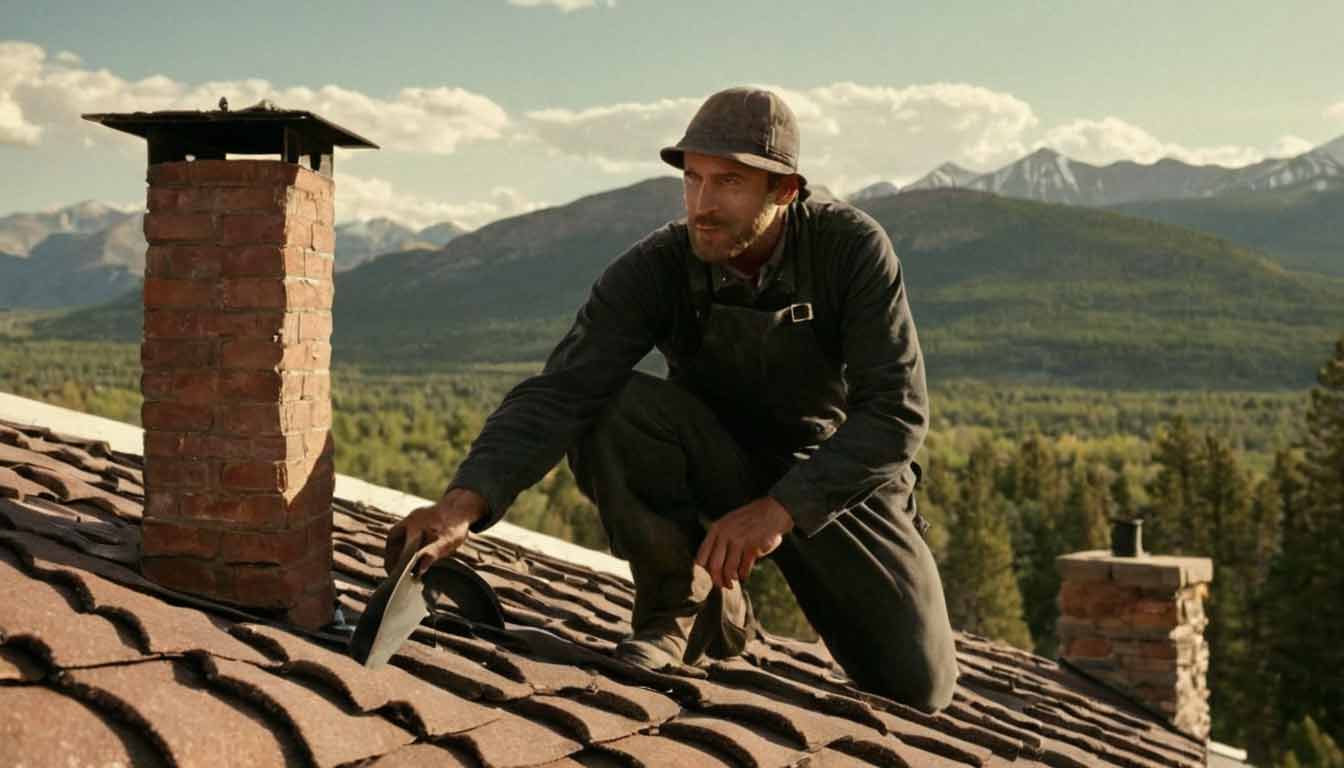
 When I walked into a home in Cherry Creek last winter, the homeowner pointed at their crumbling brick chimney and asked me the question I hear almost every week: “Can this be fixed, or do we have to start over?” The chimney had been ignored for years. The mortar joints were falling apart and the crown was badly cracked. Here’s what I’ve figured out after years of doing this work, though: most chimneys don’t need a full rebuild. What they need is smart remodeling that fixes how the chimney works and how it looks at the same time.
Chimney remodeling in Colorado isn’t just about how things look. Our weather forces the issue. Freeze-thaw cycles crack the masonry, the high-altitude sun ages materials faster than people expect, and a lot of us keep adding fireplaces to mountain homes. Colorado chimneys take a real beating. I’ve walked up to gorgeous houses with dangerous chimneys, and I’ve helped a lot of families turn a failing system into something safe, efficient, and honestly nice to look at.
Why Colorado Chimneys Need Special Attention
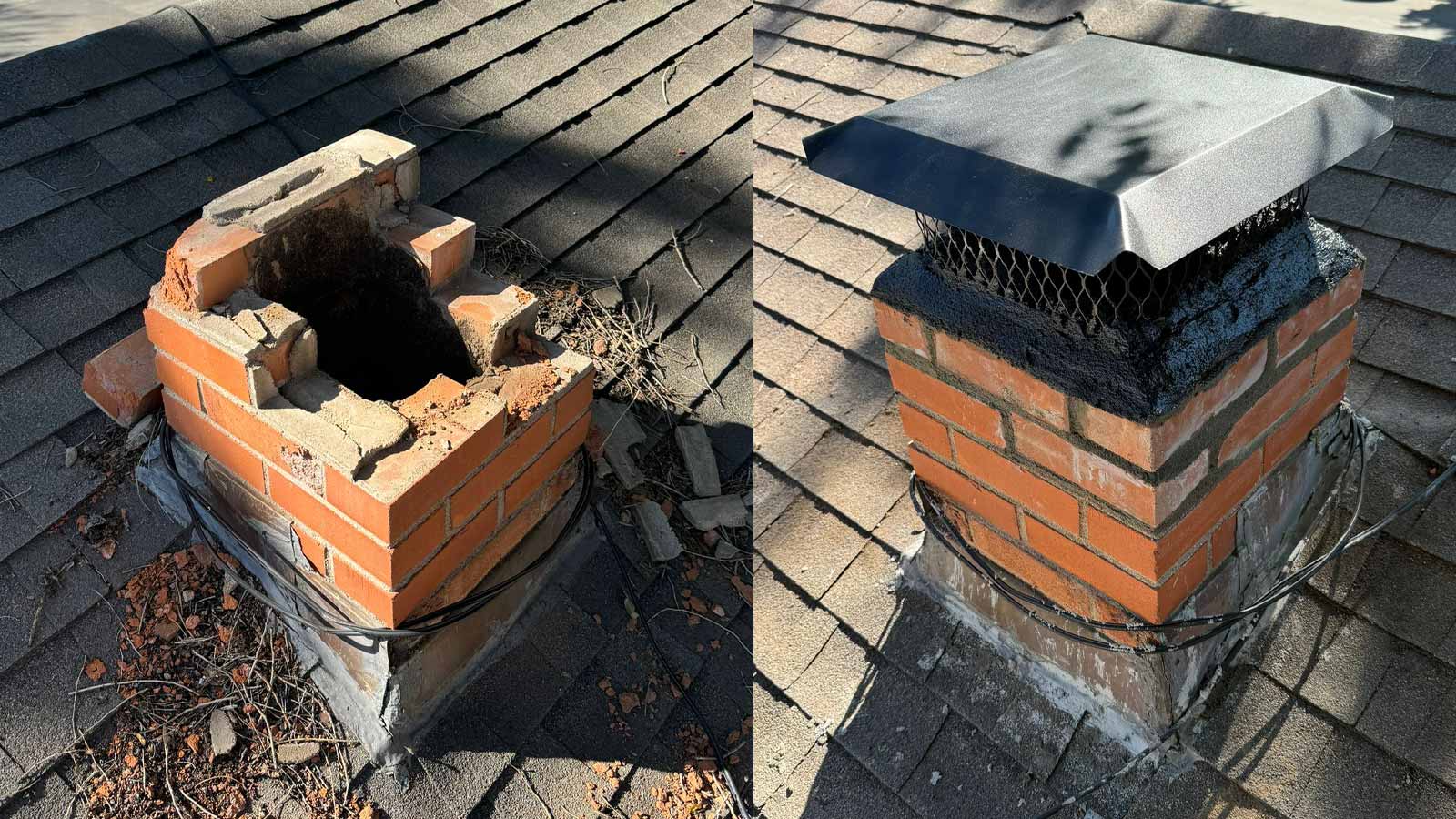
 Chimney remodeling in Colorado starts with understanding what our state does to masonry, because the conditions here are rough. The altitude by itself changes how a fire burns and how a chimney drafts. Now add temperature swings of 40 to 50 degrees in a single day and you’re asking brick and mortar to expand and shrink over and over. Water sneaks into hairline cracks during an afternoon thunderstorm, then freezes overnight. That happens even in summer once you get up to higher elevations.
I’ve inspected chimneys in Highlands Ranch that were built just 15 years ago and looked 40 years old. Intense sun, surprise hailstorms, a bone-dry climate, then a heavy dump of snow. That mix wrecks masonry. By the time most homeowners call me about remodeling, they’re dealing with damage that’s been building for years, usually because nobody ever scheduled a proper chimney inspection.
People think a chimney that looks a little rough is just cosmetic. Up here it almost never is. I've pulled bricks off Colorado chimneys with my bare hands because the freeze-thaw turned the mortar to sand. The day to remodel is before that happens, not after a chunk lands in your yard.
- Adam, Owner, Adam Chimney Sweep
When Remodeling Makes Sense
Not every chimney problem calls for remodeling. Sometimes a simple chimney repair or routine upkeep takes care of it. But I tell folks to think about remodeling in these situations:
- The structure is compromised. If the chimney leans, has big cracks running through several courses of brick, or shows signs of the foundation settling, remodeling or rebuilding becomes a safety job, not an option.
- The flue doesn’t fit the appliance. Plenty of older Colorado homes have chimneys built for a wood fire that now vent a gas insert or a furnace. The flue might be too big, too small, or just set up wrong. Remodeling lets us drop in the right chimney liners and get the venting correct.
- You’re losing heat and money. Chimneys built before modern codes often lack insulation or have gaps that let warm air leak straight out of the house. Remodeling is the chance to seal those leaks and make the whole system tighter.
- You’re switching heating systems. Going from wood to gas, adding a second appliance, or putting in a gas insert usually means flue changes, and that falls squarely under remodeling.
- You want a new look while you’re at it. If you’re already fixing the function, it’s smart to update the appearance too, whether that’s re-facing with stone veneer, a custom chase cover, or modernizing the hearth through fireplace repair and installation.
Common Remodeling Projects I Handle
Every remodeling job has its own quirks, but a handful of projects come up again and again across the Denver metro and the mountain towns.
| Remodeling Service | Typical Cost Range | Timeline |
|---|---|---|
| Tuckpointing (single story) | $1,500 – $2,500 | 2-4 days |
| Crown Replacement | $400 – $800 | 1-2 days |
| Flue Liner Installation | $1,500 – $4,000 | 2-3 days |
| Chase Cover Replacement | $300 – $600 | 1 day |
| Stone Veneer Installation | $2,500 – $6,000 | 3-5 days |
| Complete Remodeling Package | $5,000 – $15,000+ | 1-2 weeks |
Tuckpointing and masonry restoration are the backbone of a lot of remodeling jobs. Once mortar joints break down, water gets in faster and faster. I cut out the bad mortar and repoint with new material that matches the original. That stabilizes the structure and stops the damage from spreading. On a recent job in Washington Park, we tuckpointed a 1920s chimney that somebody had patched badly years earlier. The fresh mortar made it stronger and brought the old brickwork back to looking the way it should.
Chimney crown repair and replacement deals with one of the most common failure points on any chimney. The crown is the concrete or mortar cap at the very top, and it keeps water off the masonry below. Colorado weather chews through crowns faster than just about anywhere. I’ve swapped out hundreds of badly cracked chimney crowns for properly built, code-compliant ones with real slope for drainage and an overhang that throws water clear of the brick.
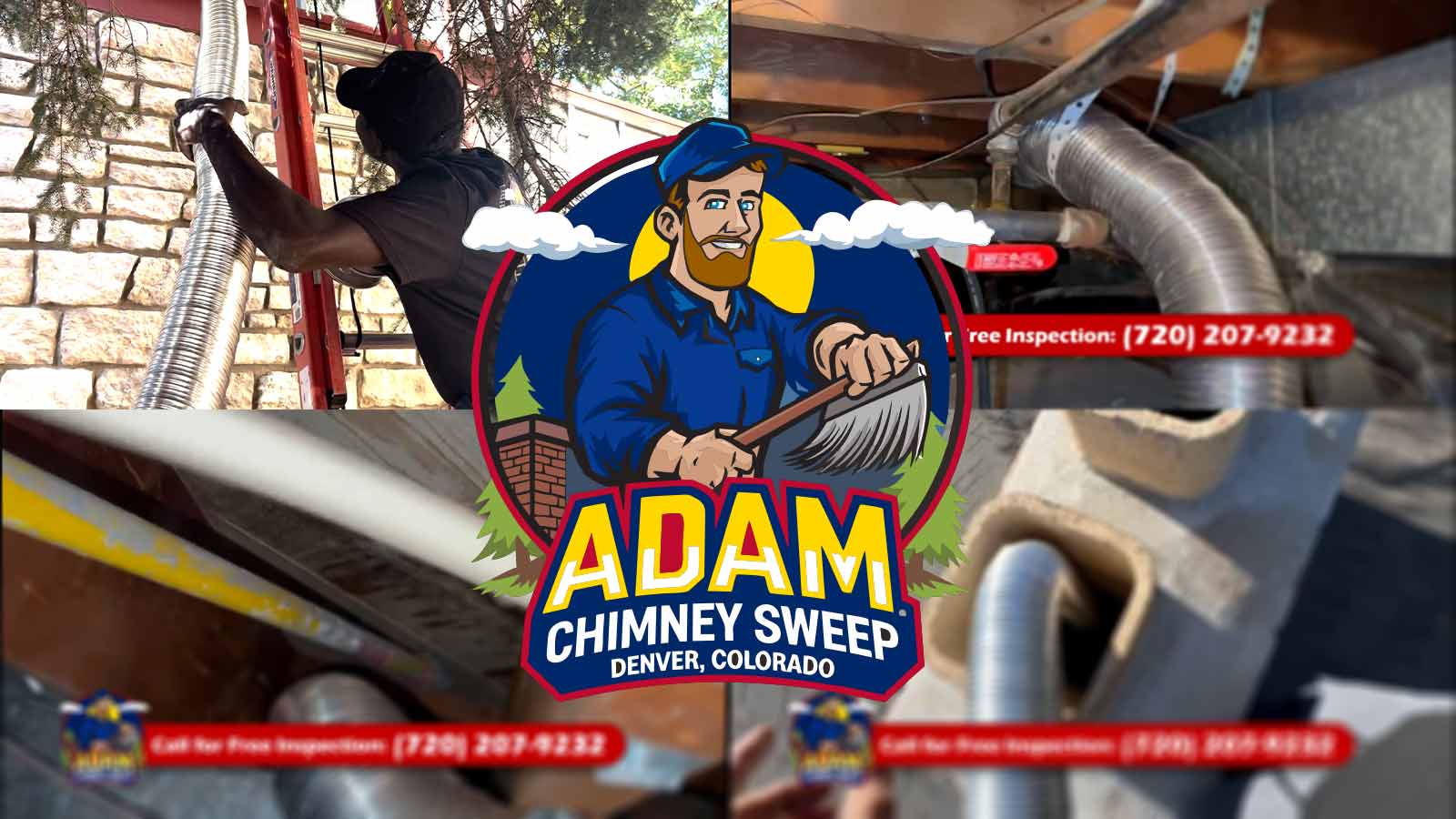
Flue liner installation or replacement often comes up mid-remodel. Clay tile liners crack from thermal stress or from a past chimney fire, and a lot of older chimneys never had a liner at all. I install stainless steel liners that meet today’s safety standards and play nice with modern appliances. They handle high heat, resist corrosion, and noticeably improve draft.
My rule on remodeling is that we fix the cause, not just the symptom. If your crown failed, I'm not going to smear patch over it and call it good. I want to know why water got in, fix that, then make it look right. Otherwise you're paying me again in two winters.
- Adam, Owner, Adam Chimney Sweep
Chase cover replacement matters a lot for factory-built fireplaces, which are standard in newer homes. The metal chase cover up top rusts fast in our weather. Once it’s corroded, it leaks, stains the walls, and damages the structure underneath. I replace them with stainless steel or copper chase covers that last decades instead of a few years.
Stone or brick veneer installation can completely change how a chimney reads from the curb. A homeowner in Stapleton wanted their plain brick chimney to match the modern look of the rest of the house. We put up stacked stone veneer that tied right into the exterior without messing with the chimney’s structure. Three days of work, and their curb appeal jumped.
Waterproofing should ride along with most remodeling projects. I use breathable water repellents that block moisture from getting in while still letting vapor escape from inside the masonry. That treatment stretches out the life of the work and helps hold off freeze-thaw damage.
The Remodeling Process: What to Expect
When someone calls me at (720) 207-9232 about remodeling a chimney, we always start with a thorough inspection. I have to know what’s failing and why before I’ll recommend anything. You can learn more about our services and how the process goes.
During the inspection I work the chimney from the foundation up to the cap. Here is how the remodeling job moves once we get going:
- Full inspection. I check the structure, read the condition of the mortar joints, look at the flue liner, evaluate the crown and cap, and hunt for water or fire damage. I run a camera up the flue when I need a closer look.
- Detailed written estimate. I break the work down by component so you can see exactly what you’re paying for and why. No vague lump sums.
- Prep and protection. We set up scaffolding or fall protection, cover the roof and surrounding areas, and stage materials so we’re not tracking debris through your house.
- Masonry and structural work. Tuckpointing, rebuilding bad courses of brick, and crown work happen first, because everything else sits on top of solid masonry.
- Relining and venting. If the flue needs it, we install the correctly sized stainless liner and connect it to your appliance.
- Finish work. New cap or chase cover, flashing, any veneer, and a coat of breathable waterproofing to lock it all in.
- Final walkthrough. We clean up, show you the work, and go over how to keep it in good shape.
Our chimney sweep services start at $150 for inspections that give you a clear picture of what the work actually involves. After the inspection I hand you that detailed estimate, and you can also check our pricing page for general guidelines. Prices swing a lot by scope. Tuckpointing might run $1,500 to $4,000 depending on chimney size and access. Crown replacement usually lands between $400 and $800. A complete flue liner installation runs $1,500 to $4,000. Big remodeling jobs that bundle several repairs, relining, and aesthetic updates can hit $5,000 to $15,000 or more on large chimneys.
The work timeline depends on the scope. Simple jobs like a crown replacement or chimney cap installation usually take a day or two. Heavy tuckpointing and relining can run a week or more. Weather drives a lot of this. We can’t lay certain mortars or apply sealants in freezing temperatures, and we don’t work in high wind or during storms.
Watch a Denver Restoration in Action
If you want to see what a remodel actually looks like, here’s one of our restoration and painting jobs here in the Denver metro. It’s a good look at how masonry repair and a fresh finish come together on a real chimney.
A Story from Greenwood Village
Last spring a family in Greenwood Village called me about their two-story chimney. They’d spotted interior water stains and found pieces of brick in the yard after a hailstorm. When I got up there, I found a pile of problems: the crown had broken apart, the flashing was failing, a lot of the mortar joints needed tuckpointing, and the clay flue liner had cracks running through it.
They’d collected quotes that ranged from “tear it down and rebuild” to “just patch the crown.” I walked them through why remodeling could save real money while making the chimney safe and usable for years. We built a plan that handled every issue without full demolition.
We started by carefully taking off the damaged crown and a few courses of brick at the top. We repointed every deteriorating joint on the exterior. We installed a new stainless steel liner rated for their gas fireplace. We rebuilt the top courses with matching brick, added new flashing, and cast a properly designed crown with a good overhang and a drip edge. Last, we waterproofed the whole thing.
The job took six days and cost a lot less than a rebuild would have. That family now has a chimney that looks great and will serve them reliably for a long time. They texted me photos last week. Two Colorado winters later and it still looks perfect.
That Greenwood Village job is the one I point to when somebody's been told to rebuild. Three contractors wanted to demo a perfectly good chimney. We saved the structure, fixed everything that mattered, and they spent maybe a third of a teardown. Remodeling beats rebuilding far more often than people are told.
- Adam, Owner, Adam Chimney Sweep
Colorado Code Requirements
Colorado has adopted the International Residential Code with state amendments, but local jurisdictions pile on their own rules too. Denver, Aurora, Colorado Springs, and the mountain towns all have specific requirements for chimney construction and remodeling. We serve all of those areas and keep up with the local codes, so check our service areas to see if we cover your address.
As a rule, any remodeling that touches the structure or the flue needs a permit. That covers relining, crown replacement that involves removing masonry, and major tuckpointing. Simple stuff like swapping a chase cover or applying waterproofing usually doesn’t need one, but it varies by town.
I always check local requirements before we start. Permits can feel like a hassle, but they make sure the work meets safety standards and they protect your investment. Inspectors have caught things on my jobs that we corrected before they turned into real problems. The permit paper trail also helps if you ever sell the house. For the bigger picture on fire safety standards behind a lot of these rules, the National Fire Protection Association is a solid place to read up.
Working height matters too. OSHA rules apply to chimney work, and a lot of jurisdictions require specific fall protection above certain heights. That affects cost and timeline, but it keeps everyone safe.
Material Choices for Colorado Climate
What materials we pick has a huge say in how well a remodel holds up to our weather. I’ve tried a lot of products over the years and learned what actually survives Colorado conditions.
| Material Category | Recommended Options | Why It Works in Colorado |
|---|---|---|
| Mortar | Type N or Type S with air entrainment | Flexibility handles thermal movement; air entrainment resists freeze-thaw damage |
| Flue Liners | 316L stainless steel | Superior corrosion resistance; handles temperature extremes and moisture |
| Crowns | Portland cement with plasticizers | Strong yet workable; proper drainage design prevents water pooling |
| Waterproofing | Vapor-permeable masonry sealers | Repels water while allowing interior moisture to escape; prevents spalling |
| Chimney Caps | Stainless steel or copper | Won’t rust in our weather; lifetime durability compared to galvanized steel. |
For mortar, I use Type N or Type S depending on the job. Both give good strength while staying flexible enough to take the thermal movement we get here. I match the mortar color to the existing work when I can, using pigments that hold up against UV fading.
For flue liners, stainless steel beats everything else in Colorado. The alloy matters: 316L stainless resists corrosion better than 304 in our climate. I size liners carefully based on the appliance and the fuel. Get the sizing wrong and you hurt draft, efficiency, and safety all at once.
For crowns, I build with Portland cement mixes that have plasticizers for workability and air entrainment for freeze resistance. The crown needs real slope, at least a quarter inch per foot, and it should overhang the chimney by at least two inches on every side.
For waterproofing, I use vapor-permeable sealers made specifically for masonry. They repel water but still let vapor escape. The cheap sealers trap moisture and cause spalling, and I’ve repaired way too many chimneys ruined by the wrong product.
For chimney caps, we carry several options, including adjustable safety caps and stainless steel caps, that give you lasting protection.
Warning Signs Your Chimney Needs Work
You don’t need to climb up on the roof to catch a chimney that’s heading for trouble. A lot of the early signs show up from the ground or inside the house. Keep an eye out for these:
- Pieces of brick, mortar, or concrete showing up in the yard or on the roof, especially after a storm
- White, chalky mineral deposits (efflorescence) on the outside of the masonry
- Water stains on the ceiling or walls near the chimney
- A damp or musty smell coming from the fireplace
- Rust streaks on the cap, chase cover, or firebox
- Visible cracks in the crown or gaps in the mortar joints
- A fireplace that smokes back into the room or just won’t draft right
If you’re seeing any of these, don’t wait for the next freeze to make it worse. Catching it early is the difference between a small repair and a full remodel.
DIY vs. Professional Remodeling
Homeowners ask me now and then if they can tackle chimney remodeling themselves. A few parts are doable for an experienced DIYer, but most of this work needs professional skills and gear.
Tuckpointing looks simple, but it takes proper technique, the right mortar mix, and an eye for matching joint profiles. Bad tuckpointing fails fast and can damage the masonry around it. Building a crown means knowing concrete work and proper reinforcement. Liner installation has to follow the manufacturer’s specs and local code, and mistakes there create serious safety hazards.
The height alone makes most chimney work dangerous without the right setup. I use scaffolding, fall protection, and safety gear that most homeowners just don’t own. Working on roofs and at height takes training and experience. We also have specialized tools built for chimney work that keep the job both safe and clean.
That said, there’s some upkeep homeowners can handle that keeps you out of a big remodel down the road. Reapplying waterproofing every few years, keeping the cap in good shape, and dealing with small mortar issues before they grow are all within reach for someone comfortable working at height with proper safety measures. For step-by-step guidance, check our chimney and fireplace blog, where I share maintenance tips and what I’m seeing out in the field.
Cost Considerations and Value
Chimney remodeling costs swing a lot with scope, but I can give you realistic ranges for the common projects we do around Denver.
| Project Scope | Cost Range | What’s Included |
|---|---|---|
| Minor Remodeling | $1,000 – $3,000 | Crown repair, cap replacement, minor tuckpointing,and waterproofing |
| Moderate Remodeling | $3,000 – $7,000 | Full tuckpointing, liner installation, crown rebuild, new cap, flashing repair |
| Major Remodeling | $7,000 – $15,000+ | Extensive masonry work, complete relining, stone veneer, multiple system updates |
Basic tuckpointing for a single-story chimney usually costs $1,500 to $2,500. Two-story chimneys can run $2,500 to $4,000 or more depending on access and how bad the damage is. Crown replacement by itself costs $400 to $800 on most residential chimneys. Flue liner installation runs from $1,500 for a simple straight shot to over $4,000 for tricky runs with multiple bends or a lot of length.
Complete remodeling projects that knock out several issues at once might cost $5,000 to $10,000 for a typical chimney, or top $15,000 on large, complicated jobs. Those numbers look big, but they’re a good deal less than a full rebuild, which often runs past $20,000.
The value you get back depends on the work. The necessary repairs and remodeling protect your home from water damage, improve safety, and keep the structure sound. That kind of work heads off much more expensive problems later. The aesthetic upgrades add curb appeal and can bump home value, though probably not dollar-for-dollar against what you spend.
Seasonal Timing in Colorado
Timing makes a difference for chimney remodeling here. I stay busy all year, but some seasons suit certain projects better than others.
Spring and fall give us the best conditions for most remodeling work. The temperatures are moderate, there’s less rain and snow, and we can work without extreme heat or cold messing with the materials. Those seasons book up fast, so planning ahead helps you lock in the schedule you want.
Summer works fine, but it brings its own headaches. Afternoon thunderstorms can stop a job cold, and high heat shortens mortar curing times. We start early and work around the weather. Mountain properties open up in summer, so it’s often the only window for high-elevation homes.
Winter remodeling is possible but limited. We can knock out certain repairs on a mild day, but a lot of materials need temperatures above freezing to cure right. Emergency repairs happen no matter the weather, but planned remodeling often waits for spring.
I usually tell people to schedule the inspection in late summer or fall. That gives us time to plan the remodel for the following spring, before the chimney faces another hard winter. Planning early also makes it easier to budget for the work.
Maintenance After Remodeling
Good maintenance protects what you spent on remodeling and makes it last longer. I give specific instructions based on the work we did, but a few general guidelines apply to every remodeled chimney.
Schedule annual inspections even after a remodel. These checkups catch small issues before they grow into big ones. I offer yearly inspection packages that bundle cleaning and minor maintenance for a flat fee.
Keep the chimney cap in good shape. The cap keeps animals out and shields the crown from getting hammered by weather. Replace a damaged cap right away. We stock plenty of Master Flow caps and custom multi-flue caps for a quick swap.
Clean the chimney on a schedule that fits how you use it. Wood-burning fireplaces need a yearly cleaning with proper chimney sweep services. Gas appliances need service less often, but they still need periodic inspections to confirm the venting is right. We also handle dryer vent services, since those get overlooked during home maintenance more than almost anything else.
Watch for water stains or efflorescence, those white mineral deposits, on the outside of the chimney. Both are signs water is getting in and needs attention soon.
Trim tree branches back from the chimney. Falling branches damage crowns and caps, and overhanging limbs hold moisture against the masonry. Speaking of wildlife, we also handle animal removal from roofs and chimneys. Squirrels and raccoons love to nest in there, and they do real damage.
Reapply waterproofing every 3 to 5 years depending on how much weather your chimney takes. It’s a small step that prevents a lot of damage and stretches the life of your tuckpointing and masonry work. For homeowners who burn wood, the EPA’s Burn Wise program has practical advice on cleaner, more efficient burning that also keeps your flue in better shape.
Finding the Right Professional
Picking who remodels your chimney matters a lot. This isn’t work you want to hand off on price alone. Learn more about our company and how we approach chimney work.
Look for contractors with real chimney experience, not just general masonry. Chimneys have requirements a general mason may not know. Ask about certifications. A lot of chimney pros hold credentials from the Chimney Safety Institute of America (CSIA) or the National Fireplace Institute (NFI).
Ask for detailed written estimates that break the work down by component. Vague estimates lead to disputes and surprise change orders. A good contractor will tell you what they’re doing and why.
Check references and look at past work when you can. Ask specifically how the work held up over time, whether the contractor communicated well, and whether the final cost matched the estimate.
Verify insurance and licensing. Chimney work is hazardous, and you want protection in place if someone gets hurt on your property. Colorado requires contractors to be registered with the state, and many towns add their own licensing on top of that.
Be wary of a bid that’s way too low. Quality materials and skilled labor cost money. Rock-bottom prices usually mean shortcuts, inexperience, or an incomplete scope. I’ve remodeled too many chimneys that got “fixed” cheap just months before.
If you’re thinking about getting into the chimney trade yourself, we hire now and then. Check our chimney career opportunities page.
Frequently Asked Questions
How long does a chimney remodel take?
It depends entirely on scope. A crown replacement or a cap swap can be a one to two day job. A full remodel with tuckpointing, relining, new flashing, and waterproofing usually runs about a week. Weather can stretch that out, since we can’t lay certain mortars or sealants when it’s freezing or storming.
Is it cheaper to remodel or rebuild my chimney?
Almost always cheaper to remodel. A full rebuild often runs past $20,000, while even a major remodel that addresses several issues at once usually lands between $5,000 and $15,000. Most chimneys I see still have a sound enough structure that a smart remodel makes far more sense than a teardown.
Do I need a permit to remodel my chimney in Colorado?
For anything that affects the structure or the flue, usually yes. That covers relining, crown replacement that involves removing masonry, and major tuckpointing. Smaller jobs like a chase cover swap or waterproofing often don’t need one, but it varies by town. I check the local rules before we start every job.
How do I know if my chimney needs remodeling or just a repair?
It comes down to how widespread the problem is. One cracked section of mortar or a single failed component is usually a repair. When you’ve got several issues at once, like a broken crown plus failing joints plus a cracked liner, remodeling is the smarter, more cost-effective fix. A proper inspection tells you which camp you’re in.
Moving Forward
Chimney remodeling protects your home, makes it safer, and can seriously upgrade how it looks. Whether you’re dealing with weather damage, aging materials, or a system change, the right approach saves money against a full rebuild and gives you results that last.
At Adam Chimney, I’ve walked hundreds of Colorado homeowners through remodeling projects. Our chimney sweep services start at $150 for inspections that pin down exactly what your chimney needs. From there, we build a plan that fixes the problems efficiently and stays inside your budget.
If you’re noticing chimney issues or just want to know where your system stands, reach out at (720) 207-9232. We’re located at 12894 E Villanova Dr, Aurora, CO 80014, and we serve the whole Denver metro area and the surrounding mountain communities. You can also contact us online to learn more about our services and schedule an inspection.
Your chimney works hard every day to keep your home safe and comfortable. The right remodeling, done when it’s actually needed, keeps it doing that job for decades.