Chimney Sweep Jobs in Denver: Join the Adam Chimney Sweep Team

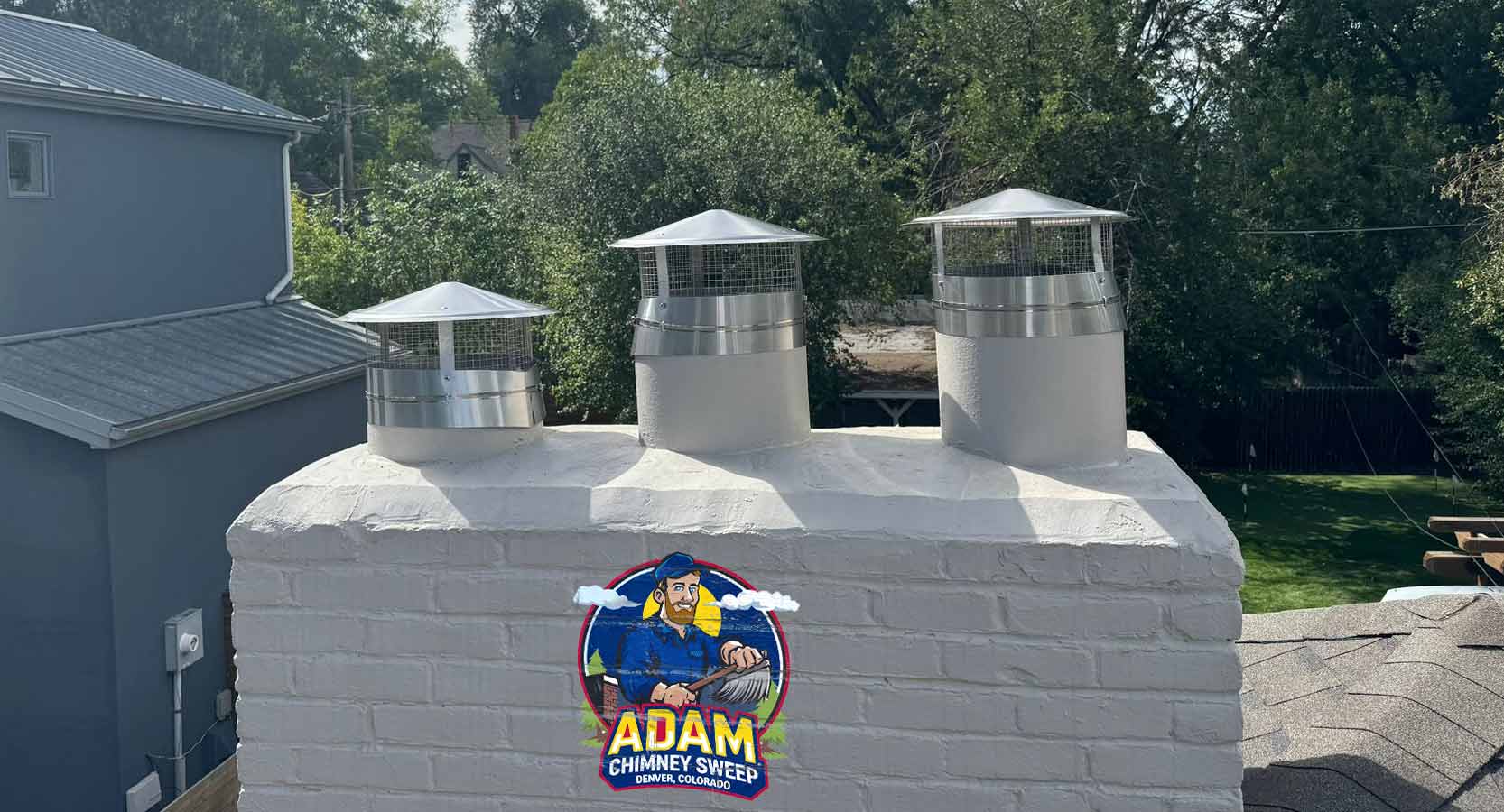
We're hiring for chimney sweep jobs in Denver, and we'd rather talk to a real person than read a stack of perfect resumes. Adam Chimney Sweep has been a family-owned chimney and fireplace company here in Denver since 2001, and the crew is growing. If you like working with your hands, you don't mind heights, and you want a trade that actually pays and keeps families safe, keep reading. You don't need a background in chimneys. We've trained plenty of folks who walked in knowing nothing about a flue and now run their own truck.
We handle chimney sweeping, inspections, repairs, and fireplace installations for homes and businesses across Denver, Aurora, Lakewood, Centennial, and the towns around them. Some days you're on a roof in Capitol Hill clearing out a season of soot. Other days you're relining a flue in Littleton or setting a new gas insert in Cherry Creek. No two weeks look the same, and that's part of why people stick around.
I started this company in 2001 with one truck and a brush. The guys who do best here aren't the ones with the fanciest resume. They show up on time, they're honest with the homeowner, and they're not scared of a ladder. I can teach the rest. I've done it dozens of times.
- Adam, Owner, Adam Chimney Sweep
Why People Like Working Here
I'm not going to pretend it's an easy job. It's physical, you're outside in Colorado weather, and roofs are roofs. But the people who join us tend to stay, and there are real reasons for that. Here's what you get as part of the crew:
- Fair pay with overtime. We pay competitive wages, and when the busy season hits and the hours run long, you get paid for them. No games.
- Full training, start to finish. Never touched a chimney? That's fine. We'll teach you how to sweep, inspect, and work toward certification. You learn on the job from guys who've done it for years, not a video module.
- Room to move up. We promote from inside. Plenty of our lead techs started out riding shotgun and carrying gear. Do good work and the path is there.
- Hours that fit your life. We run full-time and part-time spots, so we can work around school, a second gig, or family stuff.
- Short drives. Most of our work is right here in the metro, in neighborhoods like Highlands, Capitol Hill, and Cherry Creek, or close-by towns like Aurora and Littleton. You're not burning two hours a day in traffic.
- A crew that has your back. This is a small company that feels like family. We work hard, we look out for each other, and yeah, we have a good time doing it.
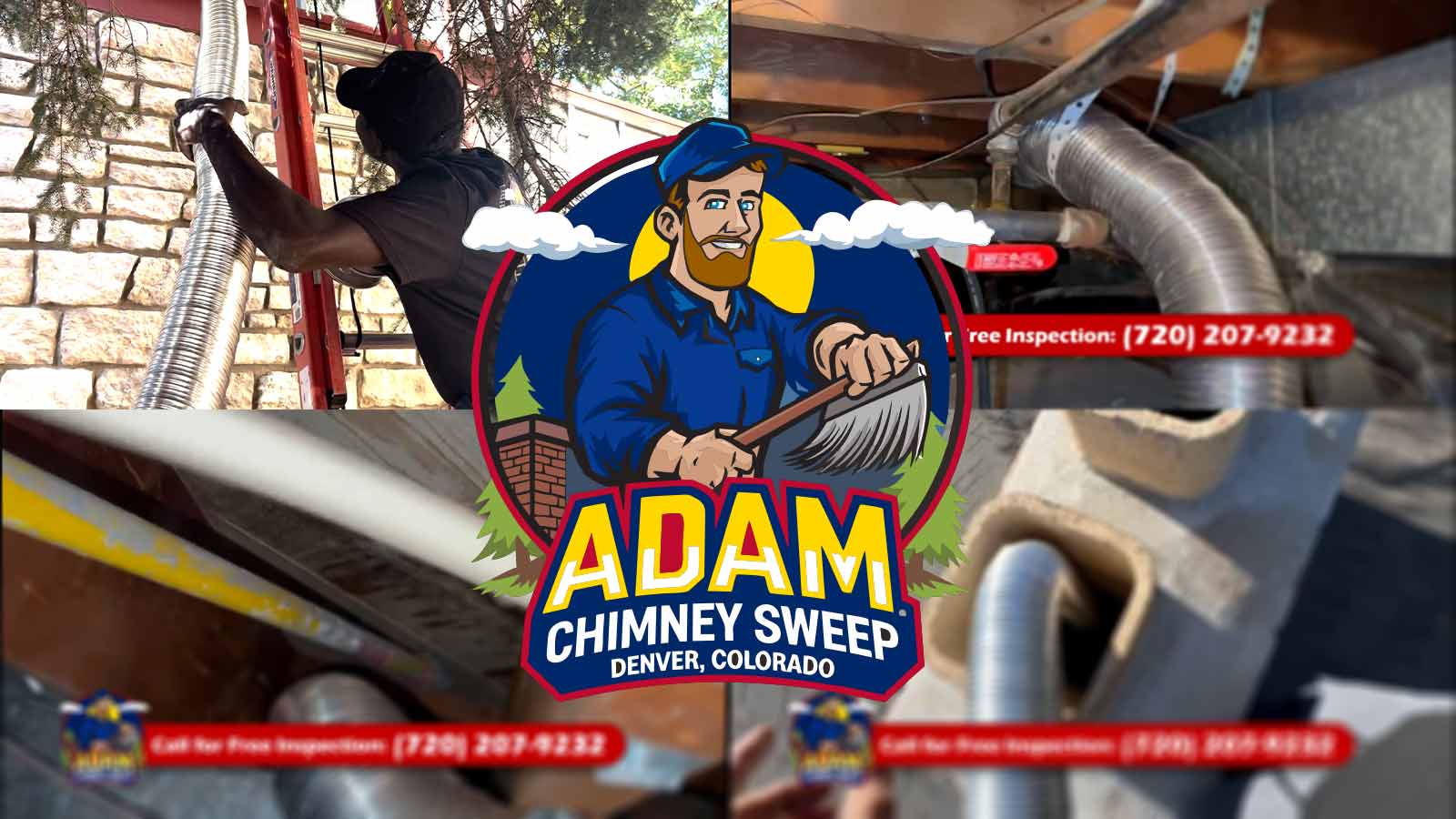
Want to see what a normal workday actually looks like before you apply? Here's our crew up on a snowy roof in Lyons, Colorado, doing the real thing.
Open Positions
We've got four roles open right now. Read through them and pick the one that fits where you are. If you're stuck between two of them, just apply and we'll sort it out when we talk.
- Chimney Sweep Technicians. You'll clean, inspect, and maintain chimneys, fireplaces, and venting systems. We provide full training and help you get certified. You'll need to be comfortable working at heights, because most of the job happens on a roof.
- Chimney Repair Technicians. You'll repair and rebuild damaged chimneys, including masonry work, crown work, and relining. Past experience in construction or masonry is a nice bonus, but we'll train the right person who's never laid a brick.
- Customer Service & Scheduling Representatives. You'll handle calls, book appointments, and answer questions from homeowners. This one's about communication and a good attitude more than anything technical.
- Fireplace & Wood Stove Installers. You'll install fireplace inserts, gas inserts, wood stoves, and chimney liners. If you've done HVAC or anything similar, that experience carries over well.
People ask me which job is the "starter" one. Honestly, most of our techs begin as sweeps. You learn the whole chimney from the inside out that way, so when you move into repairs or installs later, you actually understand what you're looking at. There's no wasted time here.
- Adam, Owner, Adam Chimney Sweep
What We're Looking For
The requirements are short, and they're the same for everyone on the truck:
- You're 18 or older.
- You've got a valid driver's license and a clean driving record, since you'll be in a company vehicle.
- You can lift 50 pounds and handle working in all kinds of weather, cold and heat both.
- You've got a strong work ethic and you're willing to learn the trade.
That's it. Notice "chimney experience" isn't on that list. We handle the training and the certification. What we can't hand you is showing up on time and caring about the work. Bring those two things and we'll teach you everything else.
What the Job Is Really Like
Let me be straight with you, because I'd rather you know now than quit in week two. Chimney work in Colorado is seasonal and weather-driven. Fall and early winter are our busiest stretch, when everybody suddenly remembers they've got a fireplace and wants it cleaned before the first fire. That's when the hours pile up and the overtime is real. Summer slows down a bit, which is when we do a lot of repairs, tuckpointing, and bigger installs.
A typical sweep starts with laying down drop cloths inside so we don't track soot through somebody's living room. We're careful in people's homes. Then it's up on the roof or working from the firebox, running brushes and a vacuum to pull out the creosote and buildup. Creosote is the tarry stuff that collects in a flue, and it's the main reason chimney fires happen, so getting it out is the whole point. After that we inspect the cap, the crown, the liner, and the masonry, and we walk the homeowner through whatever we found.
Here's roughly how a service call goes, start to finish, so you know what you'd be doing day to day:
- Show up on time and introduce yourself. First impression matters. The homeowner is letting you into their house.
- Protect the space. Drop cloths down, vacuum staged, the fireplace opening sealed off before any soot moves.
- Sweep and clean. Brush the flue, vacuum the firebox, clear out creosote and debris from top to bottom.
- Inspect the system. Check the cap, crown, liner, damper, and brickwork for cracks, gaps, or water damage. A lot of this gets done with a camera now so the homeowner sees what you see.
- Walk the homeowner through it. Explain what you found in plain language, no scare tactics, and recommend only what's actually needed.
- Clean up and close out. Leave the home cleaner than you found it. That's how we earn the repeat calls and referrals that keep us busy.
Working at heights is the part most people are curious about. We don't throw anyone up a steep roof on day one. You build up to it, you learn the safety gear, and you learn how to read a roof before you step on it. Safety isn't a poster on the wall for us. It's how everybody goes home in one piece.
The roof stuff scares people off, and I get it. But I've never lost a guy to a fall, and that's because we go slow with new folks. You shadow somebody experienced, you learn where to put your feet, and you don't go up alone in bad conditions. I tell every new hire the same thing: no chimney is worth getting hurt over. Ever.
- Adam, Owner, Adam Chimney Sweep
Colorado-Specific Stuff You'll Run Into
Working chimneys along the Front Range is its own thing, and you'll pick these quirks up fast. Our freeze-thaw cycles are brutal on masonry. Water gets into a tiny crack in a crown or some worn mortar, it freezes overnight, expands, and pries the crack wider. Do that a few hundred times over a few winters and you've got spalling brick and a leaking chimney. A big part of repair work here is crown sealing and tuckpointing to stay ahead of that cycle.
Altitude and our dry air change how fireplaces burn, too. Plenty of Denver homeowners burn wood through long, cold winters, and that builds creosote faster than you'd think. We see a lot of older homes in places like Capitol Hill and the Highlands with original masonry chimneys that need liners brought up to current standards. And because so much of the metro heats with wood and gas in winter, indoor air quality matters. The state takes wood-burning seriously, and you can read more from the experts at the Colorado Department of Public Health and Environment. Knowing this background helps you talk to homeowners like you actually understand their house, because you will.
Warning Signs You'll Learn to Spot
Part of the training is teaching your eye what trouble looks like. Once you've done this a while, you catch these things from the driveway. Here's some of what we teach new techs to watch for on every job:
- White staining on the outside brick, called efflorescence, which usually means water is getting in where it shouldn't.
- Chunks of masonry or mortar sitting on the roof or in the gutters.
- A rusted or missing chimney cap, which lets rain, leaves, and animals straight into the flue.
- Cracks in the crown, the cement slab on top of the chimney that sheds water away from the brick.
- Heavy creosote buildup in the flue, especially the glazed Stage 3 kind, which is a real fire hazard and the thing we're there to clean out.
- A damper that won't open, close, or seal right.
You don't need to know any of this before you apply. We're listing it so you can see the kind of skill you'll pick up. After a season with us, you'll read a chimney the way a mechanic reads an engine.
A Few Questions People Ask Before Applying
Do I really need zero experience?
Correct. Most of our best techs came in green. We pair new hires with experienced crew, start you on the fundamentals, and build from there. If you've done masonry, construction, HVAC, or roofing, that's a head start, but it's not required. What we can't train is showing up and caring about the work, so bring that and we'll handle the rest.
Is this full-time or part-time?
Both. We've got full-time and part-time spots open, so tell us what you're looking for and we'll see what fits your schedule.
How seasonal is the work?
Fall and winter are our busy stretch with plenty of overtime, since that's when everybody fires up the fireplace. It slows a little in the warm months, when we lean into repairs, masonry, and installs that are easier to schedule in good weather. There's steady work year-round for people who want it.
What if I'm nervous about heights?
That's normal, and it's fine. We bring new people along slowly and you're never up there alone in rough conditions. A lot of folks who thought they'd hate the roof end up loving the view. And if heights really aren't your thing, our office and scheduling roles keep you on the ground.
Can I grow into something bigger?
Yes. We promote from within first. Sweeps move into repair and install work, and some move into lead and crew roles. Guys who started with me knowing nothing about chimneys are now running their own crews and buying houses. If you want a real trade and not just a paycheck, the room is here.
If you want a fuller picture of what we do out in the field every day, take a look at our full list of chimney services, or see how a typical chimney sweep and cleaning job runs from start to finish. It's the same work you'd be learning. For the broader safety standards behind everything we do, the Chimney Safety Institute of America is a solid place to read up.
How to Apply
Ready to join a crew where your hard work actually gets noticed? We'd love to hear from you. Fill out the application form below to get started, or give us a call at (720) 207-9232 and ask about the open positions. If you've got questions before you apply, you can always reach out to us here and we'll get back to you. Come build a career with a Denver company that's been doing this the right way since 2001.