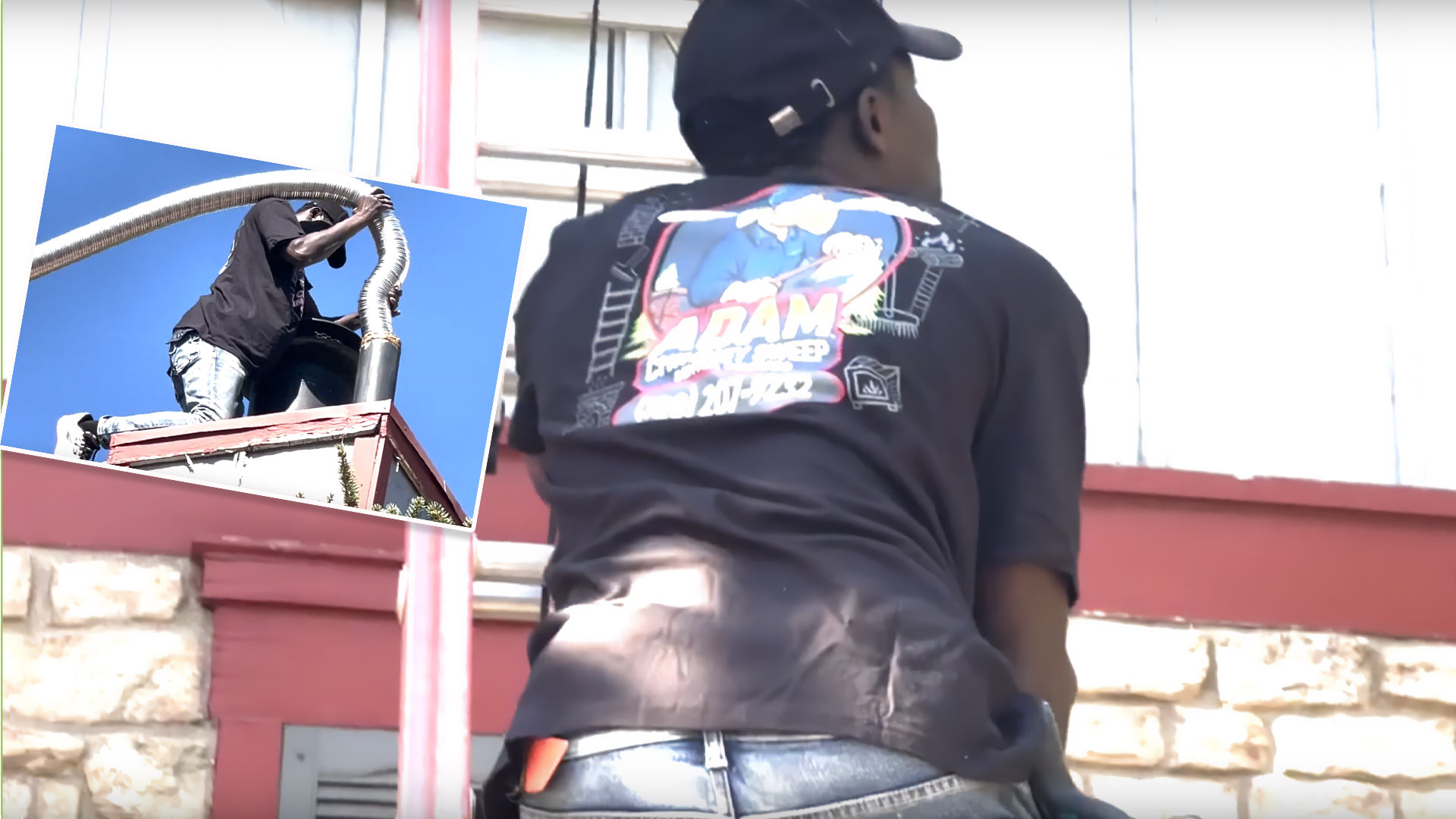
Chimney Lining: A Complete Guide for Denver Homeowners
A good chimney liner is the one part of your fireplace most people never see, and it's the part that keeps a Denver winter from turning into a house fire. If you burn wood, gas, or pellets to stay warm through our cold months, the liner is what carries the heat and smoke up and out safely. I've spent years up on Denver roofs, and I can tell you the liner does the quiet, important work: it keeps high heat off your brick, channels gases out of the house, and stops creosote from soaking into the masonry. Below I'll walk you through what a liner costs here, the material choices, the warning signs that yours is failing, and how we actually put a new one in. No fluff, just what I'd tell a neighbor over the fence.
I've crawled into chimneys all over this city, and the unlined ones scare me the most. Brick alone wasn't built to take that kind of heat year after year. A liner is cheap insurance compared to what a chimney fire costs you.
- Adam, Owner, Adam Chimney Sweep
How Much Does a Chimney Liner Cost in Denver?
A chimney liner is what safely vents your fireplace or stove, so it's not the place to cut corners. Most Denver homeowners spend between $2,500 and $5,000. The range is wide, though. Depending on the size of your chimney, the material, and how much repair work it needs first, I've seen jobs come in as low as $625 and climb as high as $7,000. The big swing usually comes down to which material you pick and whether the old liner has to come out before the new one goes in.
Chimney Liner Material Options and Pricing
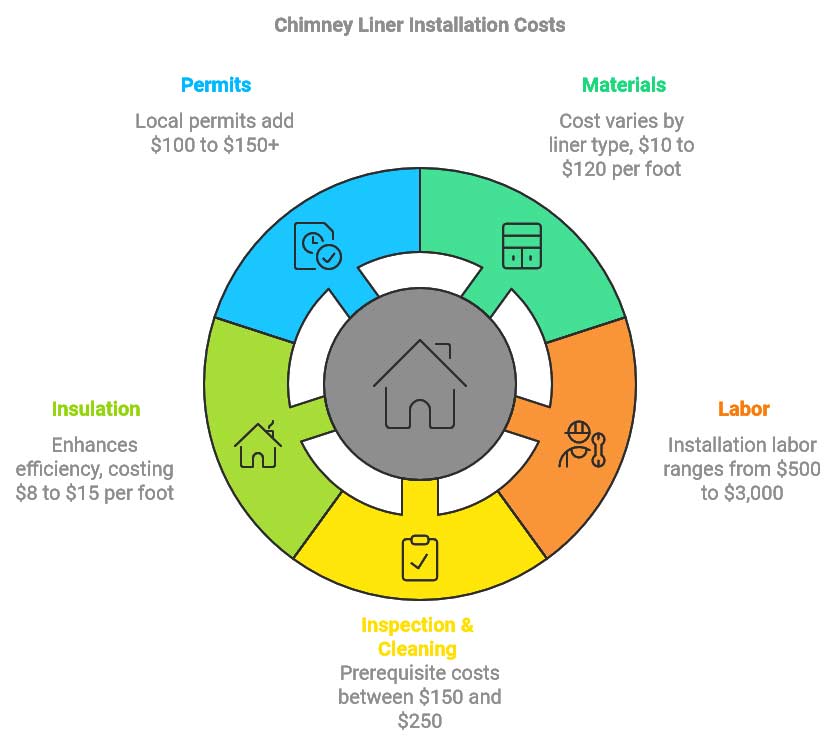
The material you choose drives both the price and how long the liner lasts. Here are the three main types I install, and where each one makes sense:
- Stainless Steel: This is what I put in most homes. It's tough, resists corrosion, and handles the heat from high-efficiency appliances without trouble. Stainless runs between $900 and $3,800, and it'll outlast nearly everything else in the chimney.
- Aluminum: A budget pick for medium-heat gas appliances. Aluminum liners cost between $625 and $2,250, but they only last about five years, so think of them as a short-term fix rather than a forever solution.
- Cast-in-Place: The heavyweight option. It's the most durable and longest-lasting liner you can get, running $2,000 to $7,000. You pay more up front, but it asks for almost no maintenance, which suits folks who'd rather not think about it again.
Detailed Breakdown of Installation Costs
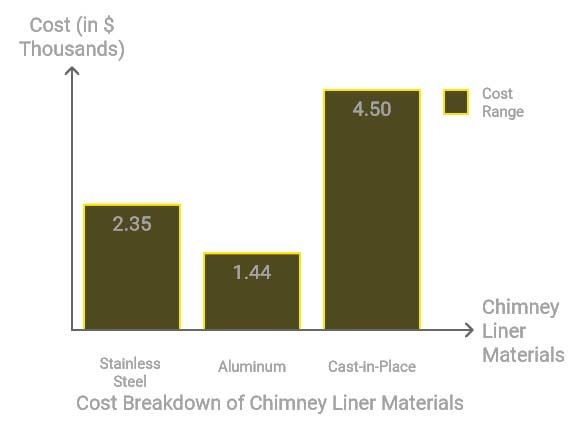
The total price isn't one number, it's a few pieces added together. Here's where the money goes:
- Materials: Usually $10 to $120 per linear foot, depending on the liner type.
- Labor: Installation labor runs anywhere from $500 to $3,000, based on how tall, wide, and complicated your chimney is.
- Inspection & Cleaning: Often required before we start, and it costs $150 to $250.
- Insulation: We usually wrap the liner to boost efficiency, which adds about $8 to $15 per foot.
- Permits: Local permits can tack on $100 to $150+, and the exact amount shifts by jurisdiction.
Influencing Factors for Installation Costs
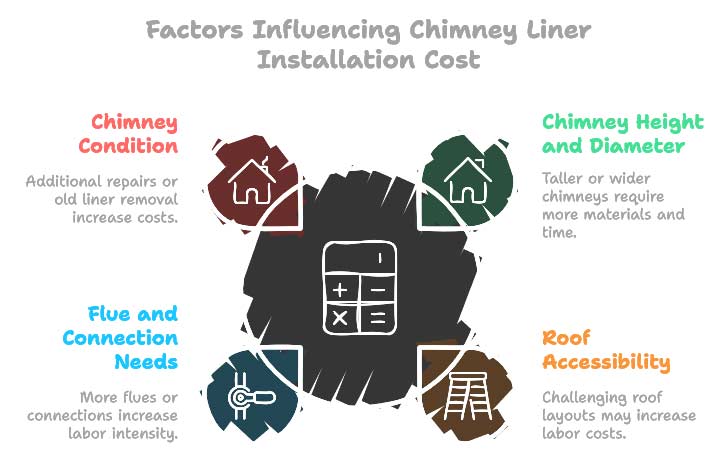
A handful of things move the final price up or down. The main ones I look at on a quote:
- Chimney height and diameter: Taller or wider chimneys eat up more material and take more time.
- Roof Accessibility: A steep or awkward roof slows us down and bumps up the labor.
- Flue and Connection Needs: More flues or extra connections mean more work.
- Condition of the Chimney: If we have to make repairs first or pull out an old liner, the cost goes up.
Local Cost Variations and Considerations
Here in the Denver area, prices shift with local labor rates and permit rules. The freeze-thaw swings we get along the Front Range are hard on chimneys, so a fair number of the homes I visit need a little masonry work before the liner even goes in. The best move is to have a local company walk your roof and give you a real number for your specific chimney. That's how you get accurate pricing and stay on the right side of code. For a budget-minded path, here's the cheapest chimney reline solutions in Colorado.
Are Chimney Liners a Good Idea for Denver Homes?
Yes, and honestly they're more than a good idea, they're necessary. Local building codes usually require one. A liner is the barrier that protects your home from the high heat, gases, and byproducts your fireplace or stove throws off. It helps stop the dangerous stuff like carbon leaks and chimney fires, which matters a lot in Denver's older brick homes where the original clay tile has often given out.
How a Chimney Liner Installation Works, Step by Step
People always ask what actually happens on install day. Here's the order we work in, from the truck pulling up to the first fire:
- Inspection first. We run a camera up the flue to see the real condition, measure the size, and spot any cracks or blockages hiding inside.
- Sweep and clear. The chimney gets cleaned out so the new liner drops in clean, with no creosote or debris in the way.
- Size the liner. We match the liner diameter to your appliance. Too big or too small and the draft suffers, so this step matters.
- Insulate and drop it in. We wrap the liner, lower it down the flue, and feed it past any bends or offsets, which older Denver chimneys love to have.
- Connect and cap. We tie the liner into the appliance at the bottom, seal the top plate, and finish with a cap to keep out rain, leaves, and critters.
- Final check and a test fire. We confirm the draft pulls right and walk you through what we did before we leave.
How Long Will a Chimney Liner Last?
That depends on the material and how well it's kept up. Stainless steel chimney liners, which I install all over Denver, can last 20 years or more with regular care. Clay liners, the kind you find in a lot of older chimneys, can go even longer in theory, but they crack and break down faster under the hard freeze-thaw cycles we get in Colorado. Once a clay tile cracks, the protection is gone, even if the chimney still looks fine from the street.
When Should You Reline a Chimney?
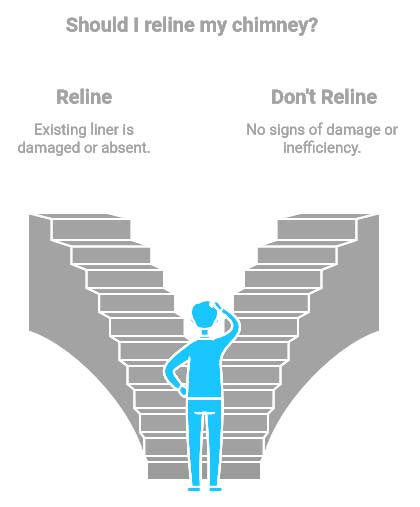
You should reline if the current liner is damaged or your home doesn't have one at all. The signs I watch for are cracked flue tiles, smoke backing up into the house, and crumbling masonry. If you're upgrading to a more efficient heater, like a wood, electric, or pellet stove, you may also need a new liner sized for the different flue gas temperatures that appliance puts out.
The question I get most is whether they can wait another season. If you're seeing smoke roll back into the room or chunks of flue tile in the firebox, no, don't wait. That's the chimney telling you it can't vent safely anymore.
- Adam, Owner, Adam Chimney Sweep
What is the Cheapest Way to Line a Chimney?
 A clay tile liner is the cheapest way to line a chimney up front. It's easy on the wallet on day one, but for Denver homeowners it's often not the smartest long-term call, since clay cracks so readily in our up-and-down climate. Aluminum liners are another affordable route for gas appliances, though they won't last nearly as long as stainless. Cheapest today can mean paying twice, so weigh the lifespan against the sticker price.
Can I Install a Chimney Liner Myself?
 You can install a liner yourself, but I wouldn't recommend it unless you've worked on chimney systems before. A pro makes sure the liner seats correctly, which gets tricky in chimneys with bends or offsets, and those are everywhere in older Denver homes. Get it wrong and you're looking at draft issues or a real fire hazard. The roof work alone is dangerous, and that's before you factor in sizing and code.
Can You Put a Liner in an Old Chimney?
Yes. Older chimneys, including the ones in Denver's historic neighborhoods, can be lined or relined with modern materials like stainless steel. Relining an old chimney makes it safer and more efficient, and it shields the original masonry from more damage caused by heat and condensation. I've brought plenty of century-old chimneys back to safe, working order this way.
Do Brick Chimneys Need a Liner?
Yes, brick chimneys need a liner. Brick and mortar on their own can't stand up to the intense heat or the corrosive byproducts a fireplace or stove produces. A properly installed liner shields the brick and keeps the whole chimney safe and working the way it should.
How Do I Know If My Chimney Needs a Liner?
Some common warning signs that your chimney needs a liner, or a new one, include:
- Excessive soot buildup that keeps coming back fast after a cleaning.
- Smoke leaking into your home instead of going straight up the flue.
- Visible cracks in the masonry or the crown.
- Pieces of flue tile showing up in the firebox.
- A strong odor from the fireplace, especially after rain.
If your chimney isn't venting right, treat it as a safety issue and have a pro like Adam Chimney take a look before you light another fire.
What Happens If a Chimney Is Not Lined?
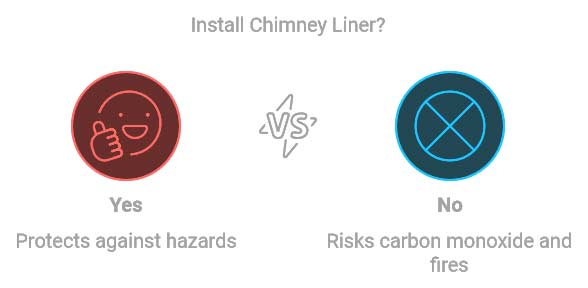
An unlined chimney can run into masonry damage, heat transfer to nearby combustible materials, and carbon monoxide leaks. On top of that, creosote builds up faster inside an unlined flue, which raises your odds of a chimney fire. None of that is worth the gamble when a liner fixes all three.
Does a Chimney with a Liner Need Sweeping?
Yes. Even with a liner in place, your chimney still needs regular sweeping. Creosote, which is highly flammable, keeps building up over time no matter what's lining the flue. Regular cleaning keeps fires at bay and your liner in good shape. A liner protects the chimney, but it doesn't clean itself.
Do Chimney Liners Need to Be Cleaned?
Yes, liners need cleaning just like unlined chimneys do. This goes double for wood-burning systems, which produce a lot more creosote than gas. Routine sweeping stretches the life of your liner and keeps dangerous buildup from piling up where you can't see it. You can book a chimney sweep and cleaning in Denver with my crew to stay on top of it.
How Much Is a Typical Chimney Liner?
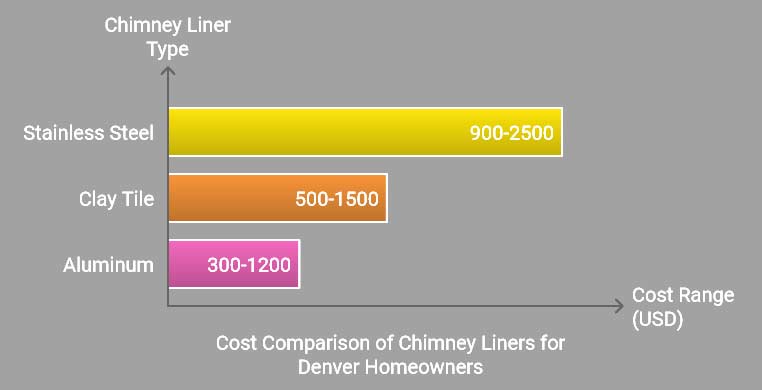
For most Denver homeowners, a stainless steel chimney liner runs between $900 and $2,500, depending on the chimney's height and how complicated the job is. Clay tile or aluminum liners can come in cheaper if budget is the main concern.
Do I need a chimney liner for a wooden stove?
A wood stove has to connect to a properly sized, properly installed chimney liner. That's what safely carries the smoke and gases out of your home and cuts your risk of carbon monoxide exposure and creosote buildup. Hooking a wood stove to an oversized or unlined flue is asking for draft and safety problems.
Do Chimney Liners Smell?
If a liner doesn't get cleaned regularly, yes, it can start to smell, and it's usually worst after rain. Moisture mixing with creosote or soot creates that sour, smoky odor that drifts into the living room. Staying on a regular cleaning schedule keeps it from happening in the first place.
How Long Does It Take to Install a New Chimney Liner?
On average, my crew installs a new chimney liner in Denver in 4 to 8 hours. The height of your chimney, any existing damage, and extra repairs we run into can stretch that timeline. Most straightforward jobs are done in a single day, and we clean up after ourselves before we go.
A liner is only as good as the install. I've gone behind cheap jobs where the liner wasn't insulated or sized right, and the homeowner couldn't figure out why their fire smoked. Get it done properly the first time and you won't think about it for twenty years.
- Adam, Owner, Adam Chimney Sweep
Does a Concrete Chimney Need a Liner?
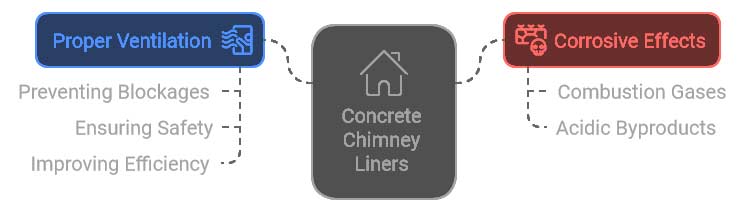
Yes, even concrete chimneys should have a liner to protect them from the corrosive effects of combustion gases and to keep ventilation working the way it should. Concrete holds up well, but it isn't immune to what comes up the flue.
Which Chimney Liner Is Best?
Stainless steel chimney liners are the best fit for most Denver homes thanks to their durability, heat resistance, and long life. They work with wood, gas, and oil-burning appliances. If you're running a gas appliance and want to spend less, aluminum liners are a reasonable alternative, just know they won't last as long.
How Much Does It Cost to Get Your Chimney Lined?
Getting your chimney lined in Denver typically runs $900 to $2,500, depending on the liner material and how complex the installation turns out to be. A quick inspection is the only way to pin down where your chimney lands in that range.
Can You Reline an Old Chimney?
Relining an old chimney is one of the best ways to bring it back to life. It takes care of damaged flue tiles, fixes a poor draft, and clears up the safety concerns that come with worn-out or missing liners. Older doesn't mean unfixable.
Is It Worth Lining a Chimney?
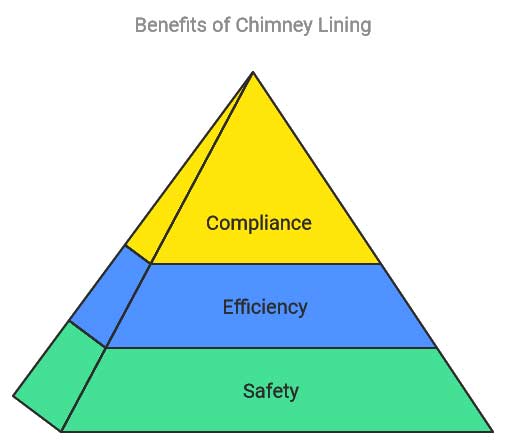
Absolutely. Lining a chimney makes it safer, helps it run more efficiently, and brings it up to modern building codes. For any homeowner who uses their fireplace, it's money well spent.
Why Are Chimney Liners So Expensive?
Liners are built from durable, heat-resistant materials like stainless steel, and that material isn't cheap. The install also takes real skill and specialized gear, which adds to the total. You're paying for something that sits in extreme heat for two decades, so the cost reflects the job it's doing.
Does a Wood-Burning Chimney Need a Liner?
A wood-burning chimney should have a liner to keep it safe and to vent smoke and gases the right way. That's especially true here in Colorado, where wood-burning appliances are common and the cold keeps them running hard all winter.
What Happens If You Don't Have a Chimney Liner?
Without a liner, your home is exposed to carbon monoxide leaks, fires, and structural damage. Unlined chimneys don't move smoke and gases out cleanly, and that turns into a health hazard for everyone in the house. The fix is simple compared to the risk.
Why a Stainless Steel Chimney Liner is the Best Choice for Your Fireplace
A stainless steel chimney liner is a tough, reliable choice for anyone looking to make their chimney system safer and more efficient. It handles flue gases from high-temperature appliances, like a wood or pellet stove or a gas fireplace, because it shrugs off corrosion and takes extreme heat in stride. Professional chimney lining installation makes sure the liner fits snugly and works the way it should, protecting both the chimney and the home. Staying on top of chimney maintenance, including an annual chimney cleaning, is what keeps a stainless steel liner going for the long haul, especially in a fireplace you use often.
Essential Chimney Repairs: The Role of Chimney Liners in Long-Term Safety
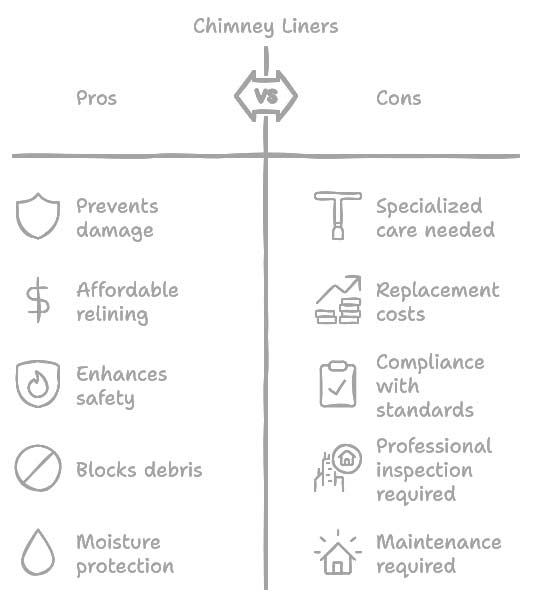
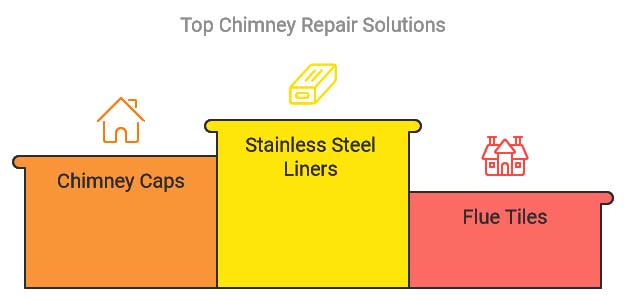
 For chimney repairs, a solid liner heads off a lot of damage by keeping high heat and corrosive byproducts off the interior walls. When a chimney starts to break down, chimney relining is an affordable, effective fix. Just know that older liners, like flue tiles, may need specialized care or full replacement to meet today's safety standards from groups like the National Fire Protection Association. You can read more about home heating safety straight from the National Fire Protection Association. For a chimney that needs a full restoration, chimney specialists can inspect it and recommend the right path, from stainless steel liners to chimney caps that block debris, animals, and moisture.
Prevent Chimney Fires with Regular Maintenance and Professional Sweeps
 Whether you're keeping up a wood-burning fireplace or a gas or propane fireplace, chimney sweeps catch the problems that can grow into a chimney fire. Creosote, that sticky byproduct of burning wood, builds up along the chimney lining, and left alone it becomes a serious fire risk. Regular inspections from certified chimney pros, like the team at Midtown Chimney Sweeps, confirm that everything from the liner to the chimney cap is doing its job, so your system stays safe and efficient all year.
Common Chimney Liner Problems We See in Denver
After years on local roofs, the same handful of issues come up again and again around here. Knowing them helps you catch trouble early:
- Cracked clay tiles from freeze-thaw. Water gets into a small crack, freezes overnight, and pries it wider. Our climate is brutal on old clay.
- Wrong-sized liners. A liner that's too big for the appliance won't draft properly, and you end up with a smoky room and slow-burning fires.
- No insulation. An uninsulated liner lets gases cool too fast, which speeds up creosote buildup and weakens the draft.
- Gaps at connections. If the liner isn't sealed tight to the appliance, gases can sneak back into the home.
- Rust on old aluminum. Aluminum corrodes faster than stainless, so an older aluminum liner may already be failing without any outside sign.
Chimney Liner FAQ for Denver Homeowners
A few quick answers to questions I get on almost every job:
- How often should I have my liner inspected? Once a year, ideally before heating season. An annual check catches small cracks before they turn into big repairs.
- Will a new liner help my fireplace draft better? Usually, yes. A properly sized, insulated liner improves the draft and cuts down on smoke rolling back into the room.
- Do I need a permit to reline? Often, yes, depending on your jurisdiction. We handle the permit details so you don't have to chase them down.
- Can you reline without tearing out my chimney? In most cases, yes. We work from the top down and rarely need to open up the masonry.
If you're not sure where your chimney stands, the smartest first step is a real inspection. You can book a chimney inspection in Denver and we'll tell you straight whether you need a new liner or just a good cleaning. Want to talk it through first? Reach out through our contact page or call Adam Chimney Sweep at (720) 207-9232. We've been taking care of Denver chimneys since 2001, and we'll give you an honest answer either way.
- Comprehensive Chimney Flue and Cap Repairs for Safer Fires at Home. Protecting your chimney flue keeps ventilation safe, and that's especially true for gas and propane fireplaces. Over time, chimney flues wear down, which makes chimney repair an important step in keeping things safe and efficient. With a well-fitted chimney cap, homeowners in the Mile High City can guard against moisture, debris, and critters that would otherwise cause damage. Whether you're in Highlands Ranch or downtown Denver, reliable repair services keep your chimney and fireplace ready for safe enjoyment.
- Exceptional Chimney and Fireplace Services in the Mile High City. To keep your chimney and fireplace in shape, you want great service from people who actually know the work and care about it. Denver homeowners, including folks in Wheat Ridge, like friendly service that makes chimney care simple. With an eye on long-term durability, local experts deliver excellent service for every home. From cap installations to deep flue repairs, that kind of work gives you confidence in the safety and efficiency of your heating system.
- Gas Fireplace Repair and Maintenance for Denver's Homes. For Denver homes with gas fireplaces, keeping both the chimney and flue in good shape is a must. Regular maintenance and repair chimney services stretch the life of your fireplace while keeping safety high. Count on solid work from certified pros who put safety, efficiency, and customer satisfaction first, so your gas or propane fireplace runs smoothly in every season.