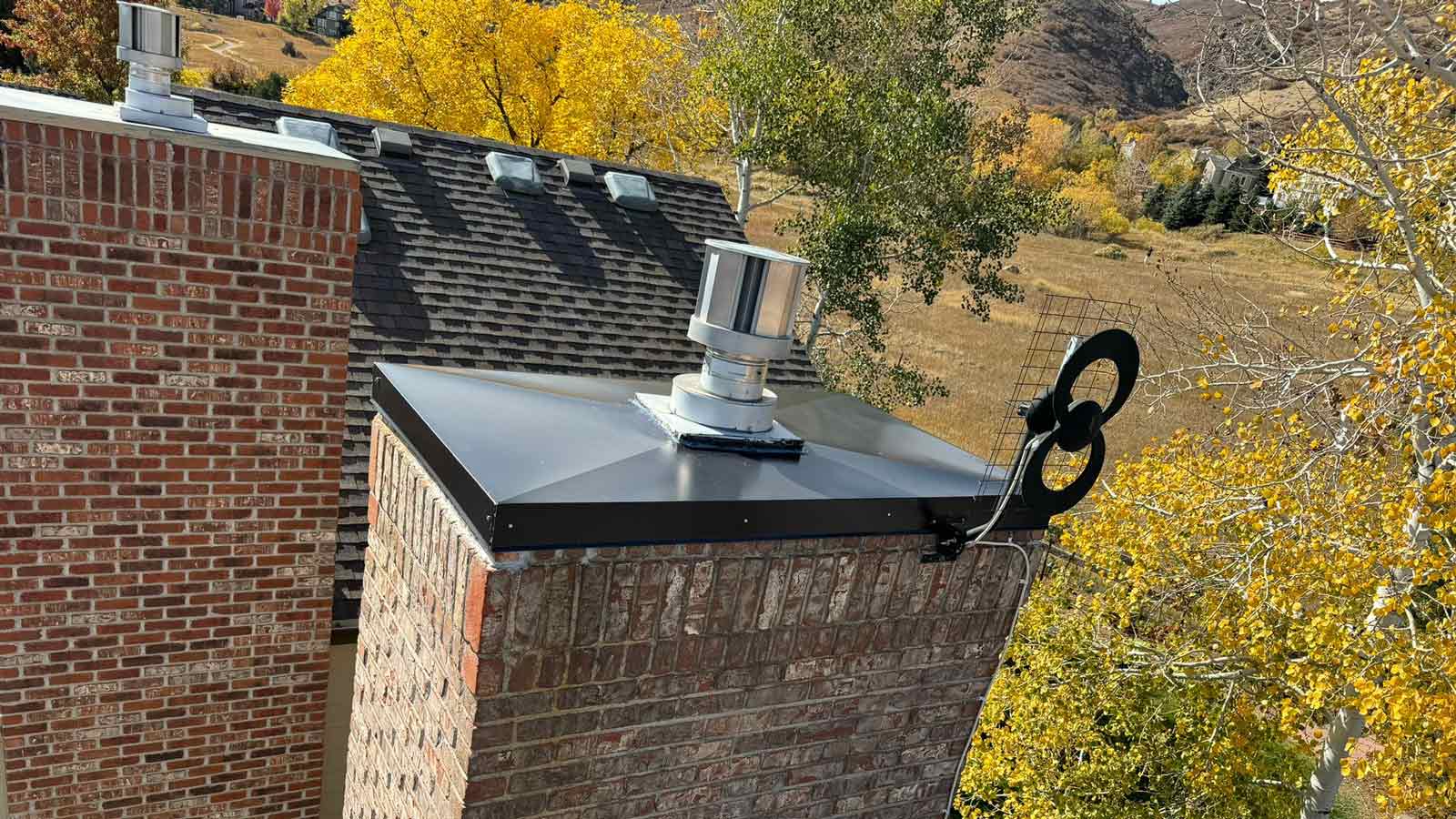
 Chimney and fireplace services in Vail, CO have to stand up to weather that most of the country never sees. Perched above 8,000 feet in Eagle County, Vail gets some of the longest, snowiest winters in Colorado, and the folks who live here lean on their fireplaces hard from October all the way through May. That kind of use, at that kind of altitude, asks a lot of a chimney.
High-altitude burning and the constant freeze-thaw swing are rough on masonry and metal alike. Thin mountain air weakens your draft, so smoke that would clear easily in Denver can hang and roll back into the room up here. Heavy seasonal use packs creosote into the flue faster than most people expect. And the snow load plus the ice that forms and melts and forms again will work a cap or crown loose over a single season. We see it every spring.
That's the short version of why we do things a little differently in the high country. Below I'll walk you through what we handle, how a typical visit goes, the problems we run into most often around Vail, and a few answers to the questions homeowners ask us on almost every call.
Chimney & fireplace services in Vail, CO

Adam Chimney Sweep is a family-owned crew that has looked after Colorado homes since 2001. Adam started the company himself and still runs it, so when you call you're dealing with the people who actually climb the roof. In Vail and across Eagle County, we cover the full range of chimney and fireplace care:
- Chimney sweeping & cleaning — HEPA-vacuum sweeps that pull out creosote and soot without leaving a gray film on your furniture.
- Inspections — dual-camera inspections that catch cracks, blockages and code problems while they're still cheap to fix.
- Repairs & tuckpointing — crown rebuilds, firebox repair and masonry repointing for joints the freeze-thaw has chewed up.
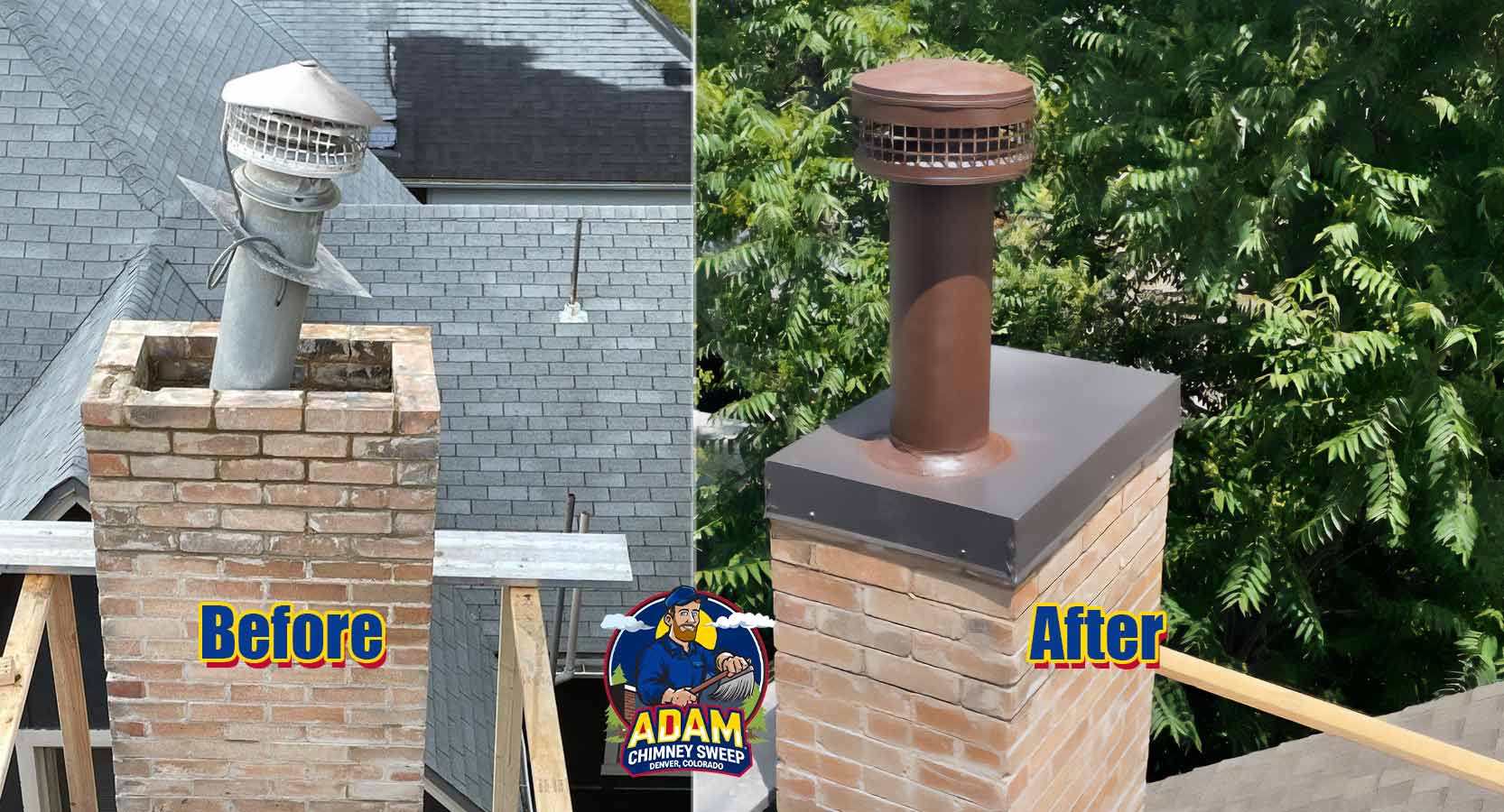
- Caps, crowns & liners — stainless caps and relining that keep weather, animals and stray sparks where they belong.
- Fireplace & insert installation — safe, code-compliant wood, gas and insert installs done right the first time.
You don't have to know which of those you need before you call. Most people don't. Tell us what the fireplace is doing (or not doing) and we'll figure out the rest when we get eyes on it.
Up here in Vail I tell every customer the same thing: your chimney works harder than a chimney down in the city, so it needs looking at more often, not less. The altitude and the snow don't give it a break, and neither should you. I'd rather catch a hairline crack in your crown in June than get a panicked call in January.
- Adam, Owner, Adam Chimney Sweep
Why Vail homeowners choose Adam Chimney Sweep
There are plenty of folks who'll clean a flue. What sets us apart in Eagle County is that we actually know how mountain chimneys behave, and we don't treat a Vail home like a flatland one. A flue sized and swept for sea-level draft will underperform up here, and a cap that's fine in a mild climate can get crushed or pried open by ice. We account for all of that.
Snow, ice & altitude in Vail
Three things make Vail tough on a chimney, and we build our work around each one.
Thin air weakens draft. The higher you go, the less dense the air, and draft depends on that density difference between the hot gases inside the flue and the cold air outside. So we size and clean flues so they pull properly up here. If your fireplace smokes or struggles to get going, the flue dimensions or a partial blockage are usually the culprit, not the wood.
Snow load and meltwater find every gap. We install heavy-duty stainless caps that shed snow and keep meltwater from running down inside the flue. A cheap cap is one of the most common reasons we get called back to a house, because once water gets in, it speeds up everything else that goes wrong.
Freeze-thaw cracks open every winter. Water gets into a tiny crack in the crown or the mortar joints, freezes overnight, expands, and makes the crack bigger. Do that a few hundred times over a season and a hairline becomes a real gap. We repair the crown and repoint the masonry that Vail's winters keep opening back up.
Below is a quick look at a roof-top winter sweep on a snowy Colorado day, so you can see the kind of conditions we work in and how we keep things safe up there.
How a chimney service visit works
People like knowing what they're paying for before we show up, so here's how a typical visit runs from start to finish.
- You call and tell us what's going on. A sweep before the season, a fireplace that smokes, water stains on the wall by the chimney, a real estate inspection coming up — whatever it is, we'll book a time that works and give you upfront pricing on the phone.
- We protect your space. Drop cloths go down, the HEPA vacuum gets set up, and we seal off the opening so no soot drifts into the room. Your floors and furniture stay clean.
- We inspect first. Before we touch anything, we run the dual cameras up the flue and look over the crown, cap and masonry. That tells us what's actually going on instead of guessing.
- We sweep and clear. Brushes and the vacuum pull the creosote and soot out of the flue and smoke chamber. If there's a nest or a blockage, that comes out too.
- We walk you through what we found. You get a plain-language rundown, photos from the cameras, and an honest answer on whether anything needs repair now or can wait. No pressure, no scare tactics.
If we do spot something — a cracked crown, a worn-out liner, a cap that's done — we'll quote it on the spot and you decide. A lot of the time the answer is "you're good for the season," and we're happy to tell you that.
The camera is the part folks remember. I've had Vail homeowners swear their chimney was perfect, then watch the screen and see a crack running right through the crown where the ice got in. It's hard to argue with a picture. I'd rather show you exactly what's happening than ask you to take my word for it.
- Adam, Owner, Adam Chimney Sweep
Common chimney problems we see around Vail
After two decades in the Colorado high country, the same handful of issues come up again and again. Here's what tends to go wrong up here, and the warning signs worth watching for between visits.
- Creosote buildup from heavy burning. A long heating season means more fires, and more fires mean more creosote glazing the inside of the flue. Stage 3 creosote is the hard, shiny kind, and it's the fuel for a chimney fire. If you burn most nights all winter, you need a sweep more than once a year.
- Cracked or spalling crowns. The crown is the concrete slab on top of the chimney, and it takes the full beating of snow and freeze-thaw. Cracks here let water straight into the structure.
- Failed or undersized liners. An old clay liner can crack from heat and cold cycling, and a flue that's the wrong size for the appliance will never draft right at altitude. A stainless liner fixes both.
- Caps knocked loose by ice and animals. Snow, ice, and the occasional squirrel will work a weak cap off its seat. Once the cap's gone, water and critters move right in.
- Masonry joints opening up. Freeze-thaw pulls mortar out of the joints over time. Tuckpointing puts it back before the brick itself starts to go.
- Draft and smoke problems. If smoke rolls back into the room, the fire is slow to catch, or you smell smoke after the fire's out, something's off with the draft or there's a partial blockage. Don't just live with it.
None of these are emergencies the day they start. The trouble is they all get worse quietly, and the bill grows with them. A crown crack you fix for a few hundred dollars in summer can turn into a relined flue and water-damaged interior if it's ignored through a couple of winters.
Warning signs it's time to call
You don't need to be an expert to know something's wrong. Pick up the phone if you notice any of these:
- Smoke coming back into the room instead of up the flue
- A strong, tarry smell from the fireplace, especially on warm days
- White staining or water marks on the chimney or the wall beside it
- Bits of brick, mortar or debris showing up in the firebox
- A cap that looks crooked, rusted or missing when you glance up at the roof
- It's been more than a year (or a heavy burning season) since your last sweep
My rule for Vail is simple: get it swept and inspected before the first snow, every year. Once the roof's iced over, safe access gets a lot harder and a lot of repairs have to wait until spring. A little planning in the fall saves you a cold, smoky surprise in the middle of ski season.
- Adam, Owner, Adam Chimney Sweep
Frequently asked questions
How often should a Vail chimney be swept?
The standard advice is once a year, and that's a fine baseline. But if you burn wood most nights through a long mountain winter, more creosote builds up and you may want a mid-season sweep too. Gas fireplaces still need an annual inspection even though they don't soot up the same way. When we inspect yours, we'll tell you straight what cadence makes sense for how you actually use it.
Why does my fireplace smoke more up here than it did at lower elevation?
Altitude. The thinner air at 8,000-plus feet gives you less draft to pull smoke up and out, so a flue that drew fine somewhere lower can struggle in Vail. The fix is usually getting the flue sized and cleaned correctly, sometimes adding a properly matched liner, and making sure the cap isn't restricting flow. We sort out which it is during the inspection.
Do you do real estate inspections?
Yes. Buying or selling a home in Eagle County often means a chimney inspection, and our dual-camera reports give buyers, sellers and agents a clear, documented picture of the chimney's condition. If repairs are needed, you'll have photos and a written quote to work from.
What does it cost?
We give upfront pricing over the phone before we ever come out, and we quote any repairs on the spot once we've inspected. No surprise add-ons, no vague estimates that balloon later. You'll know the number before we start the work.
Can you work in the winter?
We do, but snow and ice make some roof work slower and a few jobs genuinely have to wait for safer conditions. That's exactly why we push so hard for fall scheduling. Routine sweeps and many repairs are still doable in winter; major masonry work is easier and safer once the roof's clear.
Book a sweep, inspection or repair in Vail
Whether it's a yearly sweep before ski season, a fireplace that won't draft, or a crown the freeze-thaw finally got to, we'll take care of it like it's our own house — because that's how a family business stays around for 20-plus years. If you want to read more about what a thorough visit covers, see our chimney inspection services, and you can always reach the whole team through our contact page.
For homeowners who like to dig into the safety side, the Chimney Safety Institute of America is a solid, no-nonsense resource on why annual inspections matter and how creosote fires start. It lines up with everything we tell people on the roof.
Ready to get on the schedule? Call Adam Chimney Sweep at (720) 207-9232 for upfront pricing and a crew that treats your home like its own.