Hi, I'm Adam, and I've owned Adam Chimney Sweep here in Denver since 2001. I want to walk you through brick tuckpointing, because it's one of those repairs that quietly saves homeowners thousands of dollars and a lot of grief. If your chimney mortar is starting to crumble, this is the page for you.
Brick Tuckpointing in Denver: What It Is and Why Your Chimney Needs It
Brick tuckpointing in Denver is the process of digging out the old, failing mortar between your bricks and packing fresh mortar back in. That mortar is what holds the whole chimney together, and once it starts breaking down, water gets in and the damage snowballs fast. I've seen a hairline gap turn into a leaning chimney over a couple of bad winters. Catch it early and the fix is straightforward and affordable.
Chimneys in the Mile High City take a real beating. We get blasting summer sun, freeze-thaw swings that crack things open overnight, and the kind of dry-then-wet cycle that mortar hates. So Denver chimneys tend to need tuckpointing sooner than chimneys in milder climates. That's not a knock on your masonry, it's just our weather doing what it does at 5,280 feet.
I tell folks the same thing every week: mortar is cheaper than bricks, and bricks are way cheaper than a whole new chimney. Tuckpointing is the step that keeps you out of the expensive end of that line. Most of the rebuilds I get called out for could've been a $700 tuckpointing job three years earlier.
- Adam, Owner, Adam Chimney Sweep
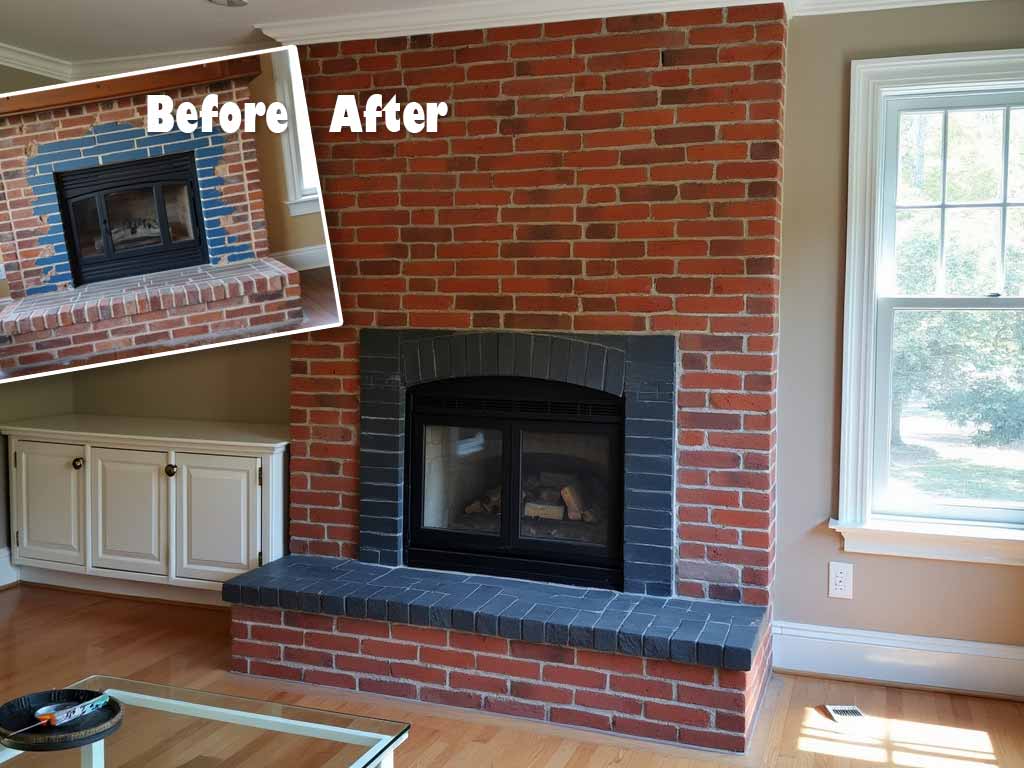
Let's talk about something a lot of companies skip: tuckpointing for fireplaces and fireboxes, not just the chimney you see on the roof. Your fireplace and firebox take a beating from extreme heat and the cooling that follows every fire. Over time that crumbles the mortar and leaves dangerous gaps right where the fire lives. Our tuckpointing service for fireplaces starts at $300, depending on the size and condition. We use high-temperature mortar built to handle the heat your fires throw off. It's a small spend that heads off major repairs later and keeps your cozy winter nights safe and warm.
Brick Tuckpointing: The Key to Chimney Longevity
From intense sun to harsh winters, Denver's weather works on your mortar joints year-round. Tuckpointing fixes that, but it's more than a patch job. Done right, it brings the chimney back to solid, structural condition and resets the clock on its lifespan. Think of it less like a bandage and more like swapping out worn brakes before they fail.
What is Tuckpointing?
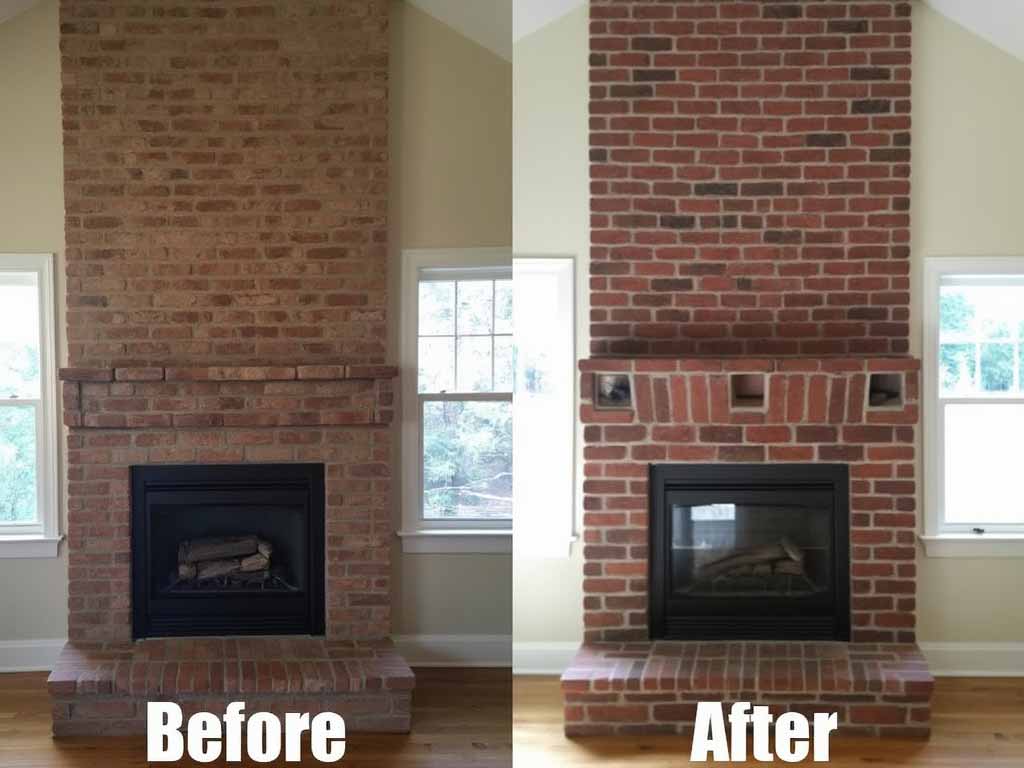
 Tuckpointing means removing the deteriorated mortar from the joints between your bricks and replacing it with fresh mortar. The name comes from the two motions involved: the "tuck" of pushing new mortar into the joint, and the "point" of shaping a sharp, clean finish. It's old-world masonry work, and when it's done well you can barely tell we were there.
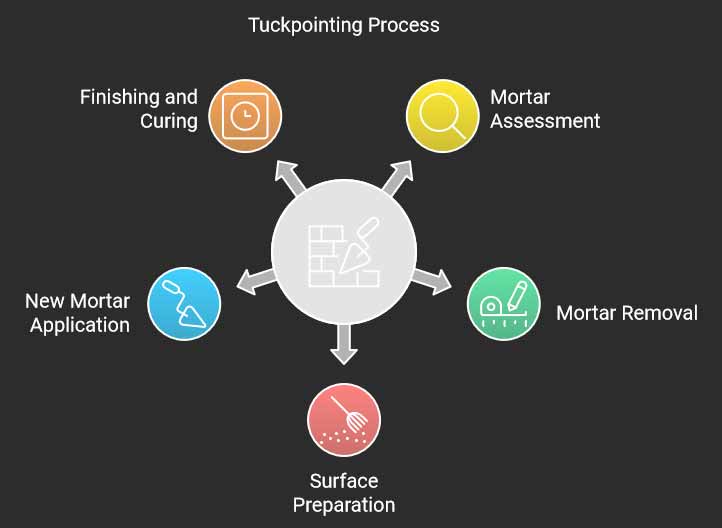
Here's how the tuckpointing process actually goes, step by step:
1. Assessment
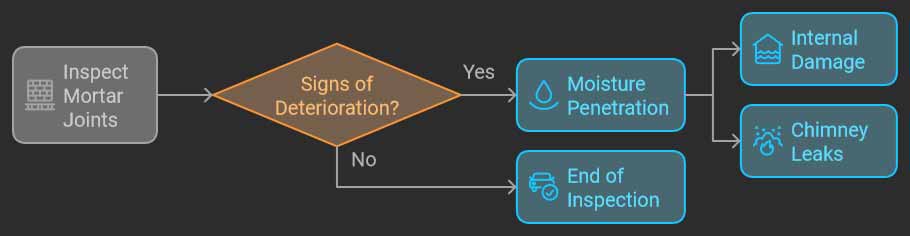
We start with a close inspection of the mortar joints. Our chimney sweeps and masons look for cracks, gaps, and flaking, the weak spots that let water sneak in. Those failing joints are usually the reason behind internal damage and chimney leaks, so we map them all out before touching a tool.
2. Mortar Removal
Next we carefully grind, chisel, or hammer out the bad mortar. The trick is getting the weak stuff out without nicking the bricks around it. This part is slow and precise on purpose. Rush it and you damage the brick faces, which just creates a bigger problem than the one you started with.
3. Preparing the Surface
With the old mortar gone, we clean every joint to clear out dust and debris so the new mortar bonds tight. On dry days we'll mist the brick with a little water first, because damp masonry grabs onto fresh mortar far better than bone-dry brick does. In Denver's climate, that step matters more than most people think.
4. Applying New Mortar (Tucking and Pointing)
We mix mortar to match your original color and composition as closely as we can. Then we tuck it into the cleaned joints with a trowel and shape it with a pointing tool for a tight, clean seal. Color matching is where a lot of cheap jobs fall apart, especially on older brick, so we take our time getting the blend right.
5. Finishing and Curing
Once all the mortar is in, the joints need time to cure. Depending on the weather, that's usually a few days. We'll often brush on a clear masonry sealer afterward for an extra layer of protection against moisture, which is well worth it given how much water our freeze-thaw cycles try to push into your chimney.
Benefits of Tuckpointing
- Keeps water out: Fresh mortar seals the joints and stops moisture from soaking in, which cuts your risk of leaks and structural damage.
- Extends the life of the chimney: Strong joints mean a stable chimney, and a stable chimney lasts decades longer.
- Looks better: Worn, crumbling mortar makes a chimney look tired. Fresh pointing brings back that clean, sharp look.
- Adds value: Solid brickwork is a selling point. Buyers and inspectors both notice a well-kept chimney.
- Protects your investment: A few hundred dollars now can save you a five-figure rebuild later.
Why is Tuckpointing Important?
- Structural integrity: Mortar is the glue holding your chimney together. When it fails, the stability of the whole stack is on the line.
- Water protection: Damaged mortar lets water seep in, and that water does its worst damage during our freezing Denver winters when it expands inside the joints.
- Energy efficiency: Properly sealed joints cut drafts, which keeps your home warmer and your heating bills lower.
- Curb appeal: A well-kept chimney lifts the look of your whole house and helps its value.
The thing about our freeze-thaw cycles is that water gets into a tiny crack, freezes overnight, and pries the joint a little wider. Then it does it again the next night. By spring a small gap I could've sealed in an afternoon has opened up six inches of joint. That's why I push Denver homeowners to deal with crumbling mortar before winter, not after.
- Adam, Owner, Adam Chimney Sweep
The Tuckpointing Process
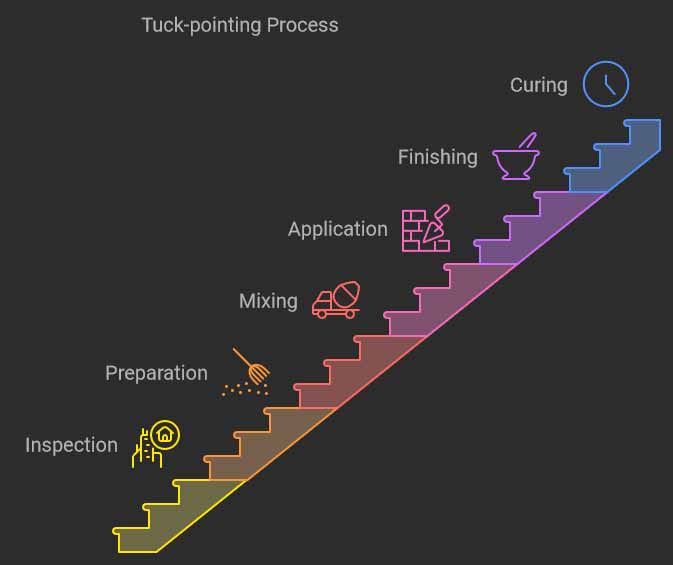
At Adam Chimney Sweep, here's the process we follow on every job:
- Inspection: We start with a thorough look at your chimney's condition, inside and out.
- Preparation: We clean the area and clear out the old, deteriorated mortar.
- Mixing: We prepare a mortar mix that matches your chimney's original color and makeup.
- Application: We pack the new mortar in carefully and make sure it's fully compacted.
- Finishing: We shape and smooth the joints for a clean, professional look.
- Curing: We give the mortar proper time to set so the repair actually lasts.
A Denver Success Story
Last month I worked on a beautiful 1920s bungalow over in the Washington Park neighborhood. The homeowner, Sarah, had spotted some crumbling mortar near the top of her chimney. "I was worried about water damage, especially with winter coming," she told me. We ran the tuckpointing process start to finish, and Sarah was thrilled. "It looks better than new," she said. "I feel so much more secure knowing my chimney is protected." That's the kind of call I love getting, because she reached out before the problem turned into a rebuild.
Warning Signs You Need Tuckpointing
You don't have to be a mason to spot trouble. Walk around your house, look up at the chimney, and watch for these:
- Mortar you can scrape out with a screwdriver or that's flaking off on its own
- Gaps or thin cracks running along the joints between bricks
- White, chalky staining on the brick (that's efflorescence, a sign water is moving through the masonry)
- Bricks that feel loose, shifted, or sound hollow when tapped
- Bits of sand or mortar collecting on the roof or in the gutters below the chimney
- Damp spots, stains, or a musty smell on the ceiling or walls near the chimney
If you're seeing two or three of these, don't wait for the next storm. Give us a call and we'll take a look.
Pricing and Value
Our brick tuckpointing services start at $500, depending on how much work the chimney needs. That can feel like a real investment, but it's a fraction of what rebuilding a damaged chimney costs. And regular upkeep like this can add decades to your chimney's life, so the math works strongly in your favor.
When to Consider Tuckpointing
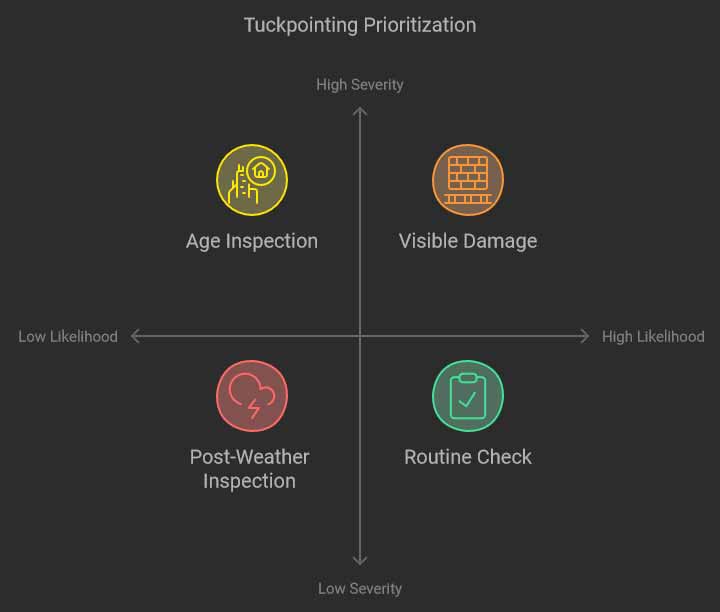
- Age: If your home is over 25 years old, it's time for an inspection. Mortar from that era is usually due.
- Visible damage: Crumbling mortar, loose bricks, or white staining (efflorescence) are clear signals.
- After extreme weather: Denver's storms can be brutal, so it's smart to have things checked after a bad hail or wind event.
DIY vs. Professional Tuckpointing
I get why DIY is tempting, especially with so many videos online making it look simple. But tuckpointing is genuinely a job for a pro. It takes specialized tools, real knowledge of mortar composition, and the experience to know how deep to grind and how to match the original mix. A sloppy job traps moisture instead of sealing it out, and that does more harm than leaving the chimney alone. I've redone plenty of weekend repairs that cost the homeowner more the second time around.
At Adam Chimney Sweep, we bring more than two decades of experience and a deep feel for Denver's climate to every job. Our team is certified by the Chimney Safety Institute of America (CSIA), so you're getting work that meets a real industry standard. If you want to understand the safety side of why solid masonry matters, the Chimney Safety Institute of America is a great place to read up.
Matching mortar on a 100-year-old chimney is half the job and the part nobody talks about. Old lime mortar is soft on purpose, and if some guy packs modern hard mortar into those joints, it'll actually crack the antique brick over time. We test and blend until the new joints disappear into the old ones. That's the difference between a repair that lasts and one that looks fine for a season.
- Adam, Owner, Adam Chimney Sweep
Detailed Brick Tuckpointing Pricing
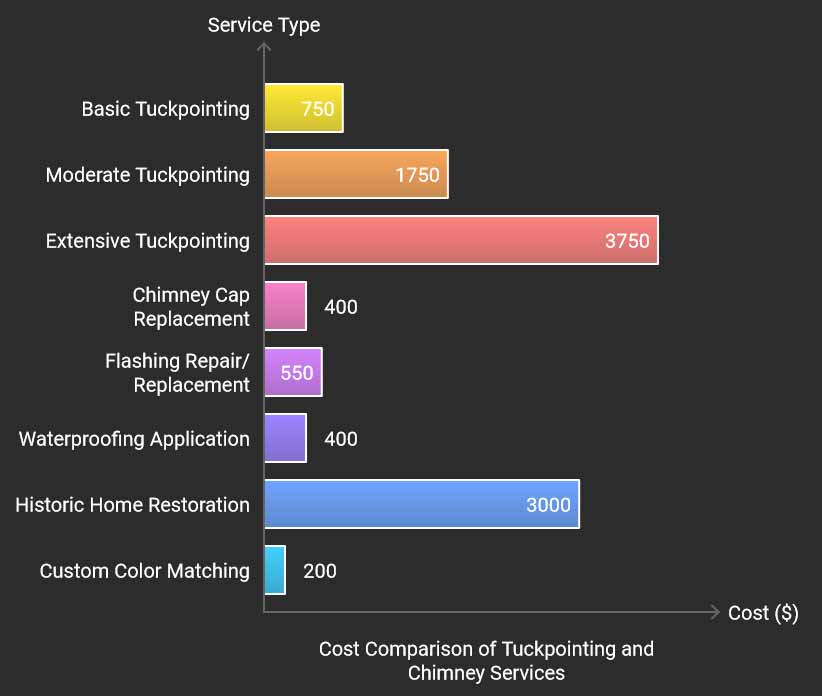
Our tuckpointing services start at $500, but the final number depends on a few things. Here's a fuller breakdown so you know what drives the cost:
- Basic Tuckpointing: $500 – $1,000 covers minor repairs for chimneys in relatively good shape. It typically includes:
- Up to 20 linear feet of mortar joint repair
- Basic cleaning and preparation
- Color-matched mortar application
- Moderate Tuckpointing: $1,000 – $2,500 for chimneys with more extensive damage:
- 20-50 linear feet of mortar joint repair
- Deeper mortar removal and replacement
- Minor brick replacement (up to 10 bricks)
- Extensive Tuckpointing: $2,500 – $5,000 for severely damaged chimneys or ones that haven't been maintained in many years:
- Over 50 linear feet of mortar joint repair
- Comprehensive mortar removal and replacement
- Significant brick replacement (10-30 bricks)
- Potential structural reinforcement
- Additional Services:
- Chimney cap replacement: $200 – $600
- Flashing repair/replacement: $300 – $800
- Waterproofing application: $300 – $500
- Specialty Work:
- Historic home restoration: Additional 20-30% due to specialized materials and techniques
- Custom color matching: $100 – $300 extra for precise blending with unique or aged bricks
See the Work in Action
If you want to see what real tuckpointing looks like before you book, here's a walkthrough of one of our recent Denver jobs. You'll get a feel for how we grind out the old joints and pack in fresh, color-matched mortar.
Real-Life Pricing Example
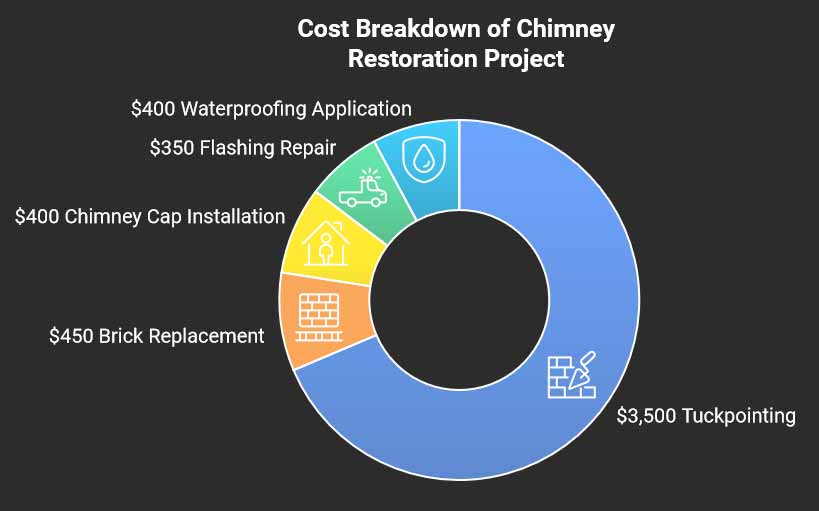
Let me share a recent job we did over in the Cherry Creek neighborhood. The homeowner, Mike, had a 100-year-old brick chimney that hadn't been serviced in decades. Here's what his project involved:
- Extensive tuckpointing (about 75 linear feet): $3,500
- Replacement of 15 damaged bricks: $450
- New chimney cap installation: $400
- Flashing repair: $350
- Waterproofing application: $400
Total project cost: $5,100
Mike was thrilled with the result, saying, "It's like I have a brand new chimney, but it still perfectly matches the character of my historic home."
Financing Options

We know these repairs can be a real chunk of change, so we offer flexible financing:
- 0% interest for 12 months on projects over $1,000
- Low-interest extended plans for up to 60 months
- 10% discount for senior citizens and military personnel
Value for Money
These prices might look steep at first, but proper tuckpointing can add 25 years or more to your chimney's life. Set that against a full chimney rebuild, which runs anywhere from $10,000 to $20,000, and tuckpointing is the clear money-saver. You're spending a little to avoid spending a lot.
Tuckpointing FAQ
How long does tuckpointing last?
A quality tuckpointing job in Denver typically holds up 20 to 30 years, sometimes longer if we seal it afterward. The big variables are the original brick, how exposed your chimney is to weather, and whether the work was done by someone who knew what they were doing. Soft brick on a south-facing chimney that gets hammered by sun will need attention sooner than a sheltered one.
How long does the job take?
Most residential chimney tuckpointing takes one to two days of on-site work, though the mortar then cures for several days after that. A small firebox repair might be a half-day. A large, badly weathered chimney with brick replacement can run longer. We'll give you a clear timeline with your quote so there are no surprises.
What's the best time of year to tuckpoint in Denver?
Late spring through early fall is ideal, because mortar cures best in mild, dry conditions and we want it fully set before the freeze-thaw season hits. That said, we work year-round and can tackle urgent repairs in colder months using cold-weather techniques. If your mortar is actively failing, don't wait for perfect weather. Water damage doesn't take the winter off.
Is tuckpointing the same as repointing?
People use the terms almost interchangeably, and the core work is the same: removing failed mortar and replacing it. The classic definition of tuckpointing also involves that fine finishing touch that gives the joints a crisp look. Either way, what you care about is that the bad mortar comes out and solid, matched mortar goes back in.
Will tuckpointing stop my chimney leak?
Often, yes. Failed mortar joints are one of the most common ways water gets into a chimney. But leaks can also come from a cracked crown, bad flashing, or a missing cap, so we always inspect the whole system first. If we find the leak is coming from somewhere else, we'll tell you straight and point you to the right fix rather than selling you tuckpointing you don't need.
Free Inspection and Quote
We always start with a free, no-obligation inspection and quote. That lets us assess exactly what your chimney needs and give you an accurate price up front. We'll never push services you don't need, and if your mortar has years of life left, we'll tell you that too.
Call us at (720) 207-9232 to book your free inspection. We serve all of Denver, from Highlands Ranch to Boulder, plus Englewood, Cherry Creek, Washington Park, and the neighborhoods in between. If you'd rather start with a broader look at your chimney's health, our Denver chimney inspection page covers what we check and why.
Looking after your chimney's health is a real part of keeping your home safe and holding its value. At Adam Chimney Sweep, we're committed to honest, top-quality work at fair prices. Let's keep your Denver home warm, safe, and good-looking for years to come.
Preventative Maintenance
Prevention beats repair every time. Regular chimney inspections catch small problems while they're still small, which saves you money and a lot of hassle down the road. For most homes in the Denver area, an annual inspection is the sweet spot. It's a quick visit that can spot failing mortar, a tired cap, or early water damage long before any of it turns into a big bill. Stay ahead of it, and your chimney will keep doing its job quietly for decades.