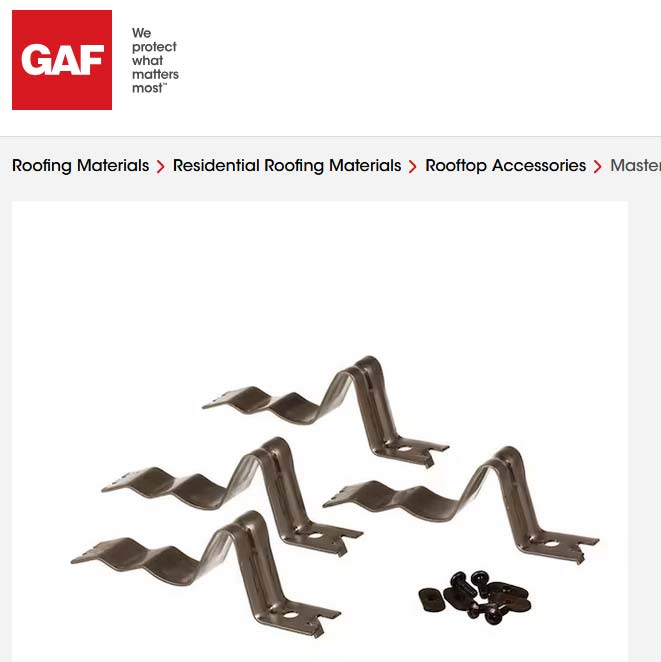
Master Flow® Safety Cap Leg Kits for Denver Chimneys
 A Master Flow® safety cap leg kit is the small piece of hardware that decides whether your chimney cap stays put through a Denver winter or ends up in the neighbor's yard after the first big wind. I'm Adam, and I've been sweeping and repairing chimneys around Denver since 2001. Over those years I've climbed onto more roofs than I can count, and one thing keeps coming up: a good cap is only as good as the way it's anchored. The LKSS leg kit is how we anchor it. It bridges the gap between the cap and a flue that's rarely as square or as flat as the factory assumed.
This page walks through what the leg kit does, which caps it fits, why it matters here in Colorado, and how we install it. If you'd rather just talk it through, call me at (720) 207-9232 and we'll figure out the right size for your chimney.
1. Extra Support for Installation on Irregular Surfaces
Colorado chimneys come in every shape you can think of. You've got traditional brick and mortar in the older homes around Boulder County, and then newer prefab chimneys all through the suburban builds in Douglas County. The trouble is, a lot of those flue tops aren't level. Mortar wears down, brick settles, and the prefab caps weren't always cut clean. Try to clamp a standard cap onto a surface like that and you'll get a wobble, a gap, or both.
 That's the whole reason the leg kit exists. It gives the cap something solid to grab onto even when the flue underneath is fighting you.
How the LKSS Leg Kit Helps:
- Adds stability on uneven flue surfaces, like the chimneys in older homes near the historic districts of Denver County, where decades of settling have thrown the flue tops out of level.
- Gets you a snug fit even on chimneys with odd shapes or custom masonry, the kind you'll find in scenic spots like Telluride over in San Miguel County.
- Cuts down the movement and rattling that high winds cause, which is a constant headache in exposed areas like Elbert County out on the Eastern Plains.
I'll be honest about why I push these so hard. The number one cap problem I get called out for isn't a worn-out cap. It's a cap that was fine but never had a fighting chance because it was bolted to a crooked flue with nothing to true it up. The leg kit fixes that before it starts.
Nine times out of ten, when a homeowner tells me their cap blew off, I get up there and find it was just clamped straight onto a flue that wasn't level. The cap never had a fair shot. A leg kit gives it the footing it needs, and I sleep better knowing the one I installed isn't coming down in February.
- Adam, Owner, Adam Chimney Sweep
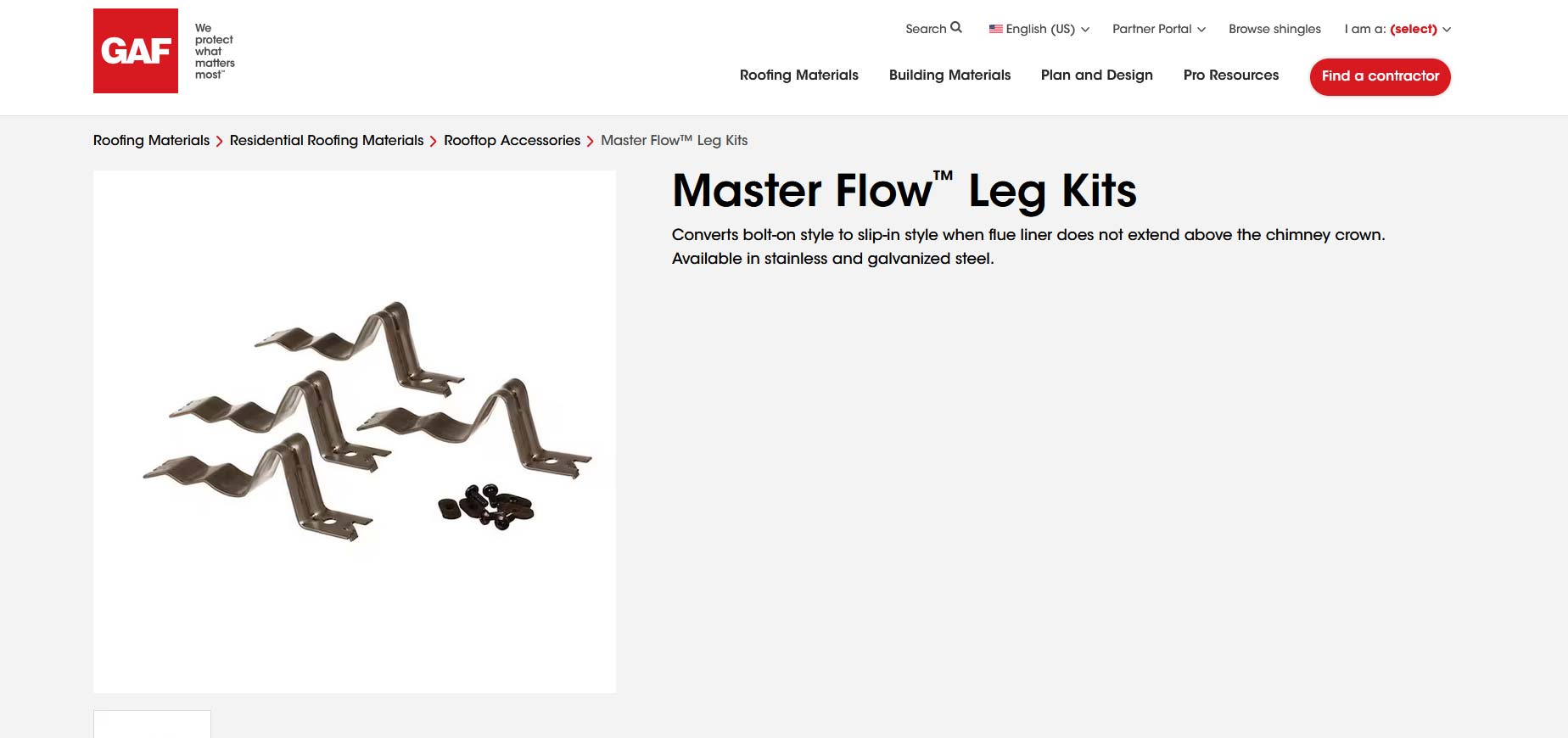 Get Master Flow® Cap Leg Kits Today!
2. Compatibility with Various Safety Cap Models
One thing I like about the Master Flow® LKSS Leg Kit is that it isn't fussy about which cap it pairs with. It works across a whole range of chimney caps, so it's a flexible pick whether you're a homeowner in Colorado Springs, a property manager up in Fort Collins, or anywhere in between. You're not locked into one brand or one size.
Compatible Models Include:
| Safety Cap Model | Size Range | Ideal Application |
|---|---|---|
| CC99 | 7½” x 7½” – 9½” x 9½” | Small residential chimneys in rural counties like Park County. |
| CC913 | 7½” x 11½” – 9½” x 13½” | Medium-sized chimneys in growing urban areas like Arapahoe County. |
| CC1313 | 11½” x 11½” – 13½” x 13½” | Large homes and commercial properties in tourist-heavy areas like Eagle County. |
| CC1313SS | Stainless steel option | Chimneys in high-moisture areas near lakes and rivers like Mesa County. |
Why Compatibility Matters:
- Colorado homes were built in a dozen different eras and styles, so you need hardware that bends to the chimney instead of the other way around.
- A kit that fits across several cap sizes saves you from paying for custom brackets or one-off fabrication later on.
If you're not sure which model you've got up there, don't guess. Send me a photo or give me the rough measurements over the phone and I'll tell you what you need. Measuring a flue wrong by even half an inch is the easiest way to end up with a cap that doesn't seat right, and I'd rather catch that before you order than after.
How to Measure Your Flue for the Right Leg Kit
People ask me all the time how to size this stuff without a pro on the roof. Here's the order I'd do it in if you're comfortable up there. If you're not, that's exactly what we're for.
- Get safe first. Stable ladder, dry roof, someone holding the base. Colorado roofs get slick fast when there's frost or snowmelt, so pick a clear, dry day.
- Measure the outside of the flue tile. Width and length, in inches. Most clay flues are rectangular, so you'll have two numbers.
- Check the flue height above the crown. The leg kit needs a little tile sticking up to grab. If your flue is flush with the crown, tell me, because that changes the approach.
- Match your numbers to the model chart above. Round to the nearest size range. The CC913 and CC1313 cover most Denver homes I see.
- Confirm before you buy. Snap a photo of the flue top and the measurements. I'll double-check it for free before anything ships.
That last step matters more than folks expect. A flue that looks square from the ground is often a sixteenth or an eighth off once you actually put a tape on it, and that's the slop the leg kit is there to absorb.
Why Colorado Homeowners and Businesses Need Safety Cap Leg Kits
From the ski towns up in Pitkin County down to the farm country of Weld County, chimneys here take a beating from the weather. Wind, snow, swinging temperatures, the works. A cap that isn't locked down properly is just waiting for the right gust. The leg kit takes a lot of that worry off the table, and here's how.
1. Protection Against Harsh Weather
Colorado weather doesn't pull punches. We get strong winds, heavy snow, and temperature swings that can drop forty degrees in an afternoon. For a cap to do its job, it has to stay firmly seated through all of it.
How the LKSS Leg Kit Helps in Colorado Counties:
- Wind Resistance: Keeps caps from loosening or tearing off during the windstorms out in counties like Bent and Baca, where gusts blow past 60 mph.
- Snow Load Support: Adds backbone against heavy snowfall in places like Gunnison and Lake, where the season can pile on more than 200 inches.
- Heat Expansion Compensation: Lets the cap shift a hair as the chimney materials expand and contract with our quick temperature changes, instead of cracking or working loose.
I see the wind damage most after the first cold snap of the year. A cap that survived all summer suddenly lets go because the metal contracted just enough to free up a loose bracket. The leg kit's job is to keep that connection tight through the whole cycle, not just the easy months.
2. Wildlife and Debris Protection
Plenty of Colorado counties, Larimer and Boulder among them, are full of critters that treat an open chimney like a free apartment. Birds, squirrels, and raccoons all nest in flues, and once they do you've got blockages, smells, and a real fire risk on your hands.
How the LKSS Leg Kit Helps:
- Stiffens the cap so animals can't pry it loose or shove their way past it into the flue.
- Helps hold the cap tight against wind-blown debris in forested spots like Routt County, the leaves and twigs that pile up and clog things.
- Lowers the odds of pests setting up house inside the chimney, which is a bigger problem the further you get into rural and mountain country.
I pulled a raccoon nest out of a flue in Larimer County last spring, and the cap was right there the whole time, just loose enough for the animal to muscle it aside. With a leg kit holding that cap firm, that doesn't happen. It's the difference between a cap that's resting on the flue and one that's actually locked to it.
- Adam, Owner, Adam Chimney Sweep
3. Keeping You Square with Local Fire Codes
Wildfire is a serious concern in counties like Jefferson and El Paso, so chimney caps here have to meet local fire-safety rules. The LKSS Leg Kit helps you get the cap mounted the way it's supposed to be, which cuts the chance of sparks slipping out and catching dry brush nearby.
How It Helps in Fire-Prone Counties:
- Gives you a firm attachment with no gaps or loose fittings, which is exactly what you want for homes in the wildfire-prone parts of Larimer and Douglas counties.
- Backs up your spark arrestor so it actually does its job under local ordinances and keeps embers from escaping.
If you want to dig into the safety side of caps and spark arrestors, the Chimney Safety Institute of America is a solid, no-nonsense source. And if you're not sure your current setup is up to code, a chimney inspection in Denver is the fastest way to find out. We'll tell you straight whether your cap and arrestor are doing what they should.
Installation Guide for Master Flow® LKSS Leg Kits
Putting a cap on with the LKSS Leg Kit is pretty straightforward, and plenty of handy homeowners get it done themselves. That said, if your home is in a high-wind or high-altitude spot like Clear Creek or Summit County, I'd lean toward having a pro do it. The stakes are higher up there, and a cap that comes off at 9,000 feet is a lot harder to chase down.
Watch a Cap Job in Action
Sometimes it's easier to see the work than read about it. Here's one of our cap repair and restoration jobs around Denver, start to finish, so you can see how the cap seats and gets locked down.
Step-by-Step Installation Process:
| Step | Description | Recommended for |
|---|---|---|
| Step 1: Measure | Measure the chimney flue for cap sizing. | Homes in historic districts. |
| Step 2: Position | Place the cap with leg kit brackets aligned. | Irregular chimney tops. |
| Step 3: Secure | Tighten the bracket legs with provided screws. | High-wind areas like Elbert County. |
| Step 4: Inspect | Confirm cap stability and test airflow. | All homes, before first use. |
A couple of field notes I'd add to that chart. On Step 3, don't crank the screws down like you're trying to crush the tile. Snug and even is the goal. Over-tighten one corner and you can crack a clay flue, which turns a quick cap job into a much bigger repair. And on Step 4, give the cap a firm wiggle by hand once you're done. If there's any play in it, back off and reseat it. A cap that moves under your hand will move in a windstorm.
Warning Signs Your Cap Needs Attention
Even with a good leg kit, caps don't last forever, and weather works on everything up there. Here's what I tell folks to watch for from the ground:
- Rattling or banging in the wind. That's almost always a loose connection, and it only gets worse.
- Rust streaks running down the crown or brick. A sign the cap metal is breaking down and the fasteners may be going with it.
- Visible tilt or a cap that's clearly shifted off center. Settling or a failed bracket, either way it needs a look.
- Birds, smells, or smoke backing up into the room. Could mean the cap's let something in or shifted enough to block draft.
- Chunks of mortar or cap hardware on the ground after a storm. Self-explanatory, and worth a call.
If any of those sound familiar, don't wait for it to get worse over a Denver winter. A loose cap is cheap to re-secure now and expensive to deal with after water's been getting into the flue for a season. If the cap itself is shot, we also handle full chimney repair in Denver and can swap the whole assembly while we're up there.
Why Choose Master Flow® Safety Cap Leg Kits for Your Colorado Home
With Colorado's weather doing whatever it wants and the terrain changing every twenty miles, a cap-and-support setup you can count on isn't a luxury, it's just smart. Here's what the LKSS Leg Kit brings to the table:
🏠 Adaptability: Fits all sorts of chimney types across Colorado homes and businesses.
🏔 Weather-Resistance: Built to take what the Rocky Mountains and the Eastern Plains throw at it.
🔧 Easy Installation: Friendly enough for a DIY weekend, with a pro on call when you want one.
🔥 Fire Code Compliance: Meets most Colorado fire-safety requirements for homes in wildfire country.
Bottom line, it's a small part that does a big job. I've installed hundreds of these, and the homes that have them are the ones I almost never get a callback from about a loose or lost cap.
Common Questions About Cap Leg Kits
Do I really need a leg kit, or can I just bolt the cap on?
You can bolt a cap straight to the flue, and on a perfectly flat, square tile it'll hold for a while. The problem is most flues aren't perfectly flat or square, especially older ones. The leg kit gives the cap a true, level footing and a stronger grip, which is what gets you through wind and snow without a callback. On a crooked or worn flue top, I'd call it a need, not a nice-to-have.
Will the leg kit work with a cap I already own?
Usually, yes. The LKSS kit is built to pair with a wide range of safety cap models, including the CC99, CC913, CC1313, and the stainless CC1313SS. If you tell me the make and size of your current cap, I can confirm the fit before you order anything.
Can I install it myself, or should I hire someone?
If you're comfortable on a roof and you've got the right tools, a DIY install is doable, and the steps above will get you there. But if your home sits in a high-wind or high-altitude area, or you're just not eager to be up on a steep roof, that's what we do every day. We'll size it, mount it, and double-check the draft before we leave.
How long does a properly installed cap and leg kit last?
A quality stainless cap with a leg kit holding it firm can go many years before it needs real attention, often a decade or more depending on weather exposure. The leg kit itself doesn't wear out the way mortar does. What usually ages first is the cap mesh or the crown underneath, which is why I always recommend a periodic look. Pair it with a routine chimney sweep and cleaning in Denver and you'll catch small issues long before they turn into roof repairs.
Customer Comments from Colorado Residents
“The wind in El Paso County is no joke! Thanks to the LKSS Leg Kit, my chimney cap stays put, and I don’t have to worry about it flying off anymore.”— David L., Colorado Springs, CO
“We have an older home in Boulder County with an irregular brick chimney. The leg kit made installation so much easier and more secure!”— Susan P., Boulder, CO
“Living in the mountains, snow, and ice was a major concern for our chimney cap. The leg kit keeps everything stable, even after a heavy storm.”— Mark H., Aspen, CO
I've been doing this around Denver since 2001, and the calls I hate getting are the ones where a cap let go in the middle of winter and now there's water in the flue. A leg kit is twenty minutes of work that heads off a whole season of trouble. If you're ordering a cap, just get the kit with it. You'll thank yourself.
- Adam, Owner, Adam Chimney Sweep
Order Your Master Flow® Safety Cap Leg Kit Today!
Keep your chimney cap locked down no matter the weather or how crooked your flue is, with the Master Flow® LKSS Leg Kit. Whether it's for a home out on the plains in Morgan County or up on the peaks of San Juan County, we've got you covered. Want us to handle the whole thing? Take a look at our full range of chimney services or just reach out and we'll get you scheduled.
📞 Call us now at (720) 207-9232
📍 Visit us at 12894 E Villanova Dr, Aurora, CO 80014