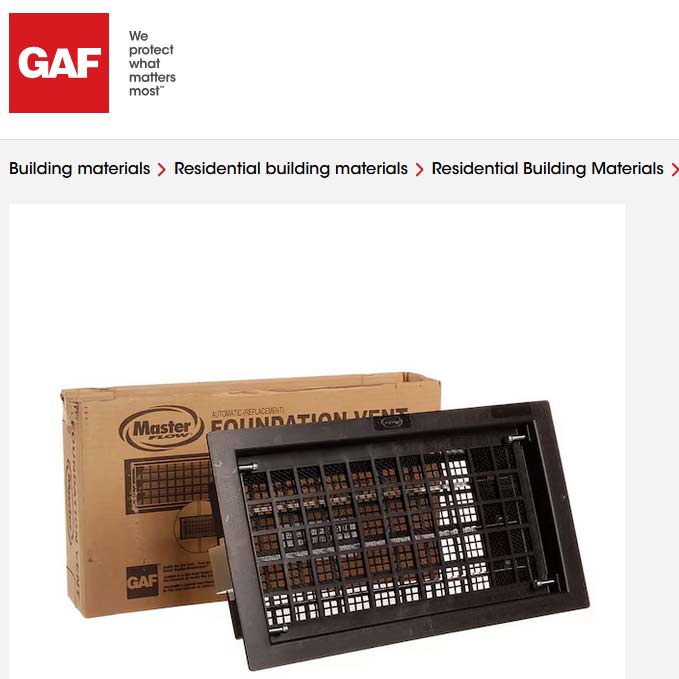
Automatic Foundation Vents for Colorado Homes
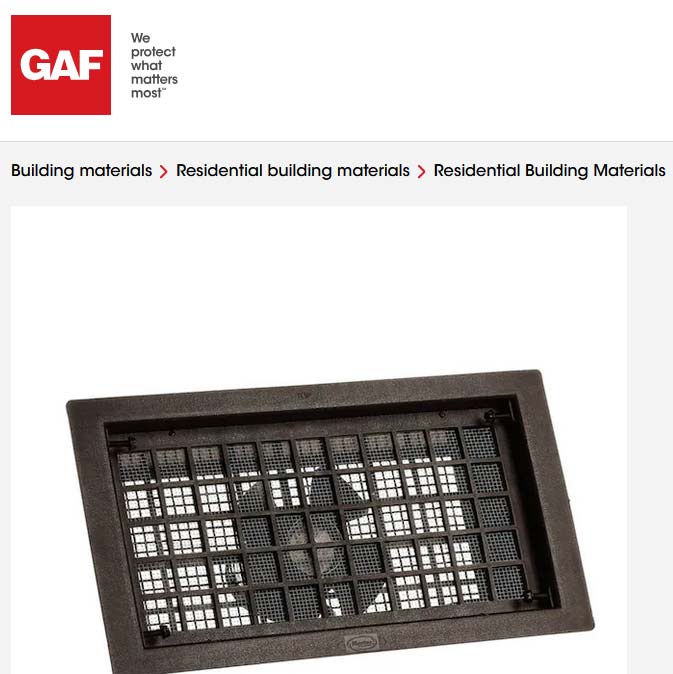
 Automatic foundation vents take one more chore off your plate, because they open and close on their own as the outside temperature changes. That matters a lot here in Colorado, where you can scrape frost off the windshield in the morning and be in shorts by the afternoon. The vents we install most often are the Master Flow® Automatic Style Foundation Vents, and they're a good fit for homes that see big seasonal swings, like the ones we work on in Colorado Springs and Vail.
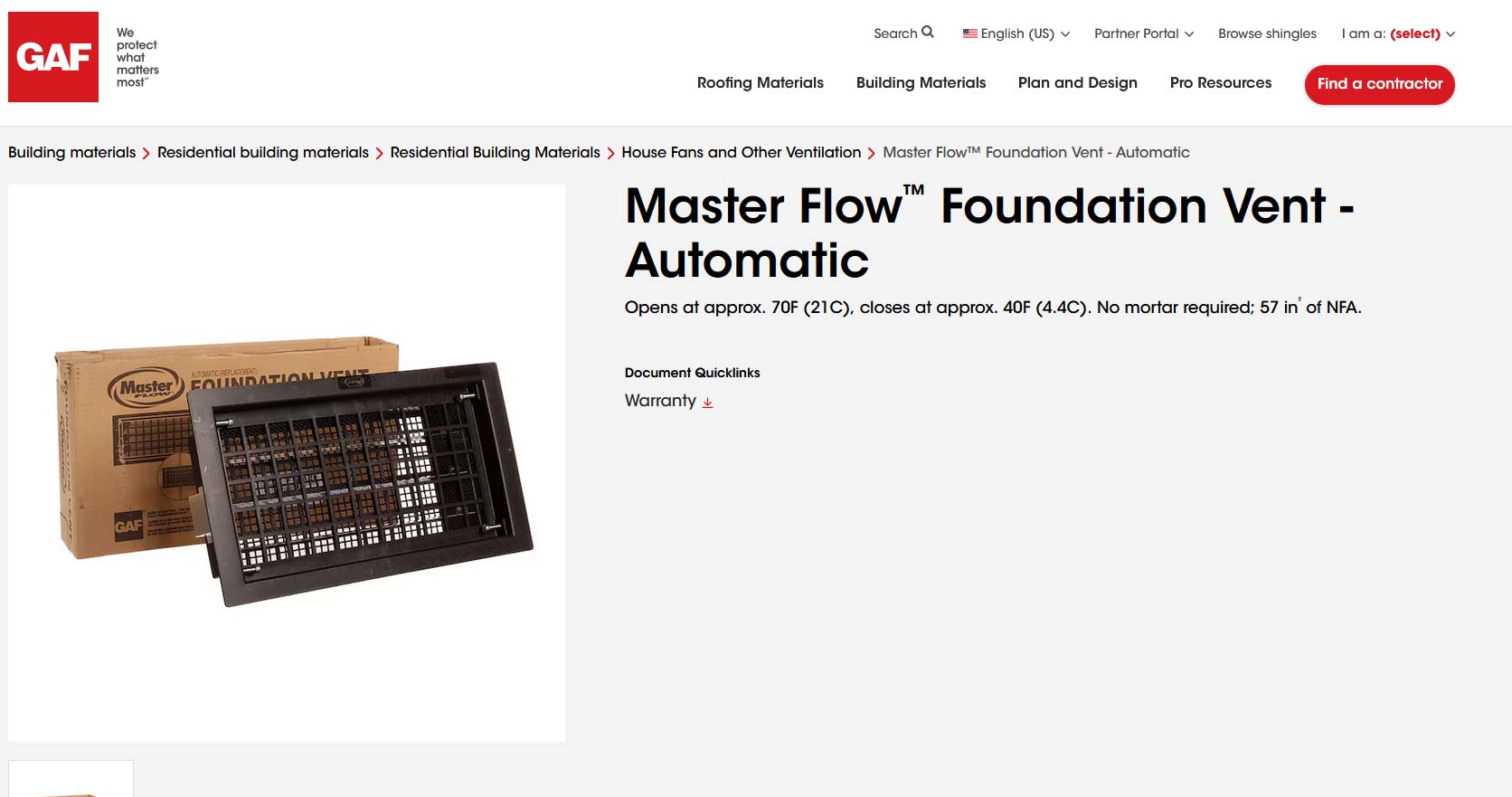 Get Master Flow® Automatic Style Foundation Vents Installed Today!
A crawl space needs to breathe in the warm months and stay buttoned up in the cold ones. Do that by hand and you'll forget half the time, or you'll be crawling under the house in January wishing you'd dealt with it in October. An automatic vent handles the timing for you, so the air moves when it should and stops when it shouldn't. Below I'll walk through how they work, where they make the biggest difference around the state, and what we look at before we put them in.
Key Features
- Opens at 70°F and closes at 40°F, so you get the right airflow in every season without touching a thing.
- Helps keep frozen pipes, damp crawl spaces, and mold from becoming your problem.
- Snap-in design that drops right into a standard opening, whether you're a handy homeowner or hiring it out.
I've crawled under more Colorado houses than I can count, and the ones that stay dry almost always have vents that actually close in winter. With the manual kind, folks forget, and that's how you end up with a frozen pipe in February. The automatic vents just take that worry off the table.
- Adam, Owner, Adam Chimney Sweep
Model Numbers & Specifications
| Model Number | Material | Features | Ideal Applications |
|---|---|---|---|
| FVRABL | High-density polyethylene | Temperature-controlled open/close function | Energy-conscious homes in Aspen |
Perfect for: Homeowners up in the mountains around Estes Park, where the temperature can't seem to make up its mind from one hour to the next.
If your home swings from freezing nights to hot afternoons, you want a vent that keeps up on its own. That's the whole idea here in Colorado. The Master Flow® Automatic Foundation Vents give you steady airflow and moisture control without you running outside to flip anything. They earn their keep in counties that see wild seasonal swings, like Pitkin County, Douglas County, Summit County, and Garfield County.
Why Colorado Homes Need Automatic Foundation Vents
Colorado throws a lot at a house. Up in Summit County, snow and ice pile up for months, and a damp, unventilated crawl space turns into frozen pipes and rot fast. Drop down into Garfield County with its hot summers and you've got the opposite problem: trapped heat and humidity working away at the wood under your floor. One vent setting can't handle both. That's exactly why a vent that reacts to the temperature on its own beats anything you'd have to remember to adjust.
Here's how the Master Flow® Automatic Foundation Vents handle Colorado's mood swings:
✅ Opening at 70°F and closing at 40°F, so the air moves freely in summer and the cold stays out in winter, which is a real plus in Chaffee County and Pitkin County.
✅ Cutting down on trapped moisture, the stuff that quietly rots framing and feeds mold, especially in damper spots like Mesa County.
✅ Easing the load on your furnace and AC by keeping the crawl space closer to where it should be, which can shave a bit off the bills in places like Douglas County.
Think of it this way. Your house already works hard to hold its temperature. Every cold draft that sneaks up through an open winter vent is heat your furnace has to make again. Close that gap and the whole system runs a little easier.
How Automatic Foundation Vents Work
People ask me all the time what's actually moving inside these things, since there's no motor and nothing to plug in. It's simpler than you'd guess. Here's the short version of how one cycles through a Colorado year:
- The temperature climbs past 70°F. A coil inside the vent reacts to the warmth and flexes, which pushes the louvers open. Now the crawl space can dump its humid summer air.
- Air moves through all season. As long as it stays warm, the vent holds open and keeps a steady flow going, so moisture doesn't get a chance to settle on the wood or pipes.
- Fall arrives and things cool down. Once the air drops toward 40°F, that same coil relaxes and the louvers start drawing shut on their own.
- Winter locks it down. Below 40°F the vent stays closed, blocking the freezing drafts that crack pipes and chill your floors from underneath.
- Spring thaws it back open. When the warm weather returns, the cycle starts over. You never touched it once.
No wiring, no batteries, no app. The coil does the work, and that's part of why these hold up so well in the kind of conditions we get out here.
Key Features of Master Flow® Automatic Foundation Vents
1. Temperature-Controlled Opening and Closing
The vent reads the outside air and acts on its own. It opens at 70°F to let summer heat escape, and it closes at 40°F to keep cold air from pouring in once winter sets in. Homes in Eagle County see this pay off, since the temperature there bounces around all the time.
What you get out of it:
- Steady airflow that pulls humidity down through the summer.
- A closed-up crawl space that won't freeze when the cold hits.
- A setup that's great for cabins and second homes that sit empty for weeks at a stretch.
That last one is bigger than it sounds. A vacant mountain place with no one checking on it is exactly where a forgotten open vent does the most damage. The automatic kind keeps watch while you're away.
2. Prevents Frozen Pipes and Moisture Buildup
Folks in Summit County and Pitkin County know the bill that comes with a burst pipe or a moldy crawl space. These vents hold the humidity and temperature down under the house steadier, so the whole space stays calmer through the seasons.
Where that saves you money:
- Fewer plumbing emergencies from pipes that froze and split overnight.
- Less mold and mildew, which is good news for the air you actually breathe upstairs.
- A foundation that lasts longer because water isn't slowly working on it.
The most expensive call I get every winter is the frozen pipe that already burst. By then you're looking at water damage on top of the plumbing repair. A vent that closes itself at 40 degrees is cheap insurance against that, and around here I'd say it's the smartest forty bucks you can spend on your foundation.
- Adam, Owner, Adam Chimney Sweep
3. Snap-In Installation for Easy Setup
Whether you're handy and live in Douglas County or you'd rather call a pro out in Chaffee County, the Master Flow® Automatic Foundation Vent snaps right into place. It's one of the easier upgrades you can make to a crawl space.
Why it works well for Colorado homes:
- No special tools to buy. It snaps in and you're done.
- Fits standard foundation openings, so there's usually no cutting or framing.
- Seats tight, which keeps out drafts and the mice looking for a warm spot.
I'll be honest, plenty of homeowners handle this one themselves. But if your openings are an odd size, or the old vents are rusted in, or you just want a second set of eyes on the crawl space while we're under there, that's where we come in. We can also flag any moisture or critter issues you didn't know about before they turn into something bigger.
Model Numbers & Specifications
Master Flow® Automatic Foundation Vents are built tough enough to handle the range of climates you'll find across Colorado counties.
| Model Number | Material | Features | Ideal Applications |
|---|---|---|---|
| FVRABL | High-density polyethylene | Temperature-controlled open/close | Energy-conscious homes in Aspen |
Perfect for: Homeowners in the high country around Estes Park, where the temperature shifts fast and you need airflow that keeps up without any babysitting.
Installation Considerations for Different Colorado Regions
Getting these vents in the right spot is half the battle, and the right spot changes depending on where in the state you are. Here's what we watch for across the different regions we cover.
1. High-Altitude Mountain Areas (Pitkin, Eagle, Summit Counties)
- Set the vents in sheltered spots so deep snow doesn't pile up against them.
- Check now and then for ice on the louvers, since a frozen-over vent can't open and close the way it's meant to.
- Makes a real difference for homes in Breckenridge, where the temperature can drop and rebound several times in a single day.
2. Semi-Arid Regions (Mesa, Garfield, Chaffee Counties)
- Place the vents to pull the most air through during those hot summer stretches.
- Pair them with a moisture barrier so condensation doesn't collect on the crawl space floor.
- Works great for homes around Grand Junction, where summer heat calls for steady airflow under the house.
3. Front Range Urban Areas (Douglas, Boulder, El Paso Counties)
- Good pick for homes with high heating and cooling bills, since tighter winter vents help the whole house hold its temperature.
- Pays off for properties in Colorado Springs, where energy costs climb fast during the harsh stretches.
Common Foundation Vent Problems We See in Colorado
After enough years under enough houses, you start to notice the same handful of issues over and over. Here are the ones worth knowing about, so you can catch them early:
- Old manual vents left open all winter. This is the big one. Someone opened them in spring, summer came and went, and they were never closed. That's a season of cold air hitting your pipes.
- Painted-shut louvers. On older homes we'll find vents that someone painted over years ago, and now they can't move at all. An automatic replacement fixes that for good.
- Screens torn or missing. Once the screen goes, the crawl space turns into an open door for mice, squirrels, and bugs.
- Ice jamming the mechanism. Up high, a vent in a bad spot can ice over and stick. Placement matters, which is why we think about it before we install.
- Standing water down below. If we find moisture already pooling, vents alone won't cut it. We'll talk to you about a vapor barrier or grading fix too.
None of these are the end of the world if you catch them. Most are a quick fix. The trouble starts when they sit ignored for a few seasons and the damage stacks up.
Why Choose Master Flow® Automatic Vents for Your Colorado Home?
Master Flow® Automatic Vents give you reliable, year-round ventilation, which helps homeowners in counties like Eagle, Douglas, and Mesa stay comfortable and keep their bills in check.
🏡 Hassle-Free Operation: Set it and forget it. There's nothing to adjust by hand.
🌡 Climate-Adaptive Performance: Adjusts on its own to whatever Colorado's weather is doing that week.
🔧 Long-Lasting Durability: Built to hold up across the toughest conditions our state can throw at a house.
What I like about putting these in is how little folks have to think about them afterward. I had a customer up near Vail tell me she didn't remember her vents existed until I mentioned them, and that's exactly the point. They did their job all year and she never had to lift a finger. That's the kind of upgrade I'm happy to stand behind.
- Adam, Owner, Adam Chimney Sweep
See How We Work
We're a family-owned crew that's been crawling under Denver-area homes since 2001, and we treat your house the way we'd treat our own. Here's a look at how we handle a job out in the field.
Customer Testimonials from Across Colorado
“We installed these vents in our cabin near Vail, and they have been fantastic in keeping our crawl space dry during the heavy snow season!”— David P., Eagle County, CO.
“As a homeowner in Douglas County, I appreciate how the automatic vents have helped regulate my basement humidity levels without needing constant attention.”— Jessica T., Douglas County, CO.
“The snap-in installation made it so easy for us to prepare our home in Summit County for the winter. Highly recommend!”— Mike L., Summit County, CO.
Frequently Asked Questions
Q: How do these vents help improve energy efficiency?
A: By keeping cold drafts and heat loss out, they take some of the strain off your heating system in colder spots like Chaffee County, which usually means a lower bill.
Q: Can these vents be used in commercial buildings?
A: Yes, they work for both homes and commercial properties in busier areas like Boulder County.
Q: Are they effective in extreme winter conditions?
A: They are. The vents close on their own at 40°F, which keeps freezing air from getting in for homes in cold counties like Summit County.
Q: How many vents does my crawl space need?
A: It depends on the square footage and how the space is laid out. A good rule of thumb is one vent for every 150 square feet of crawl space, but we'll measure and tell you straight when we come out.
Q: Do I still need to check on them?
A: They run themselves, but it's smart to glance at them once a year, usually in fall, to make sure nothing's blocking the louvers or icing them up. If you'd rather, we'll check them during a regular visit.
If you're not sure whether your foundation airflow is part of a bigger moisture or draft issue, it's worth having someone look. A quick home and chimney inspection often turns up the real cause, and we can sort out the vents while we're there. You can also dig into the building-science side of ventilation and moisture through the EPA's Burn Wise program if you like knowing the why behind it.
Order Your Master Flow® Automatic Foundation Vents Today!
Don't let trapped moisture and swinging temperatures chip away at your home. Put in a set of Master Flow® Automatic Foundation Vents and let them handle the seasons for you. Give us a call at (720) 207-9232 or reach out here, and we'll get you set up with year-round comfort and a crawl space that takes care of itself.