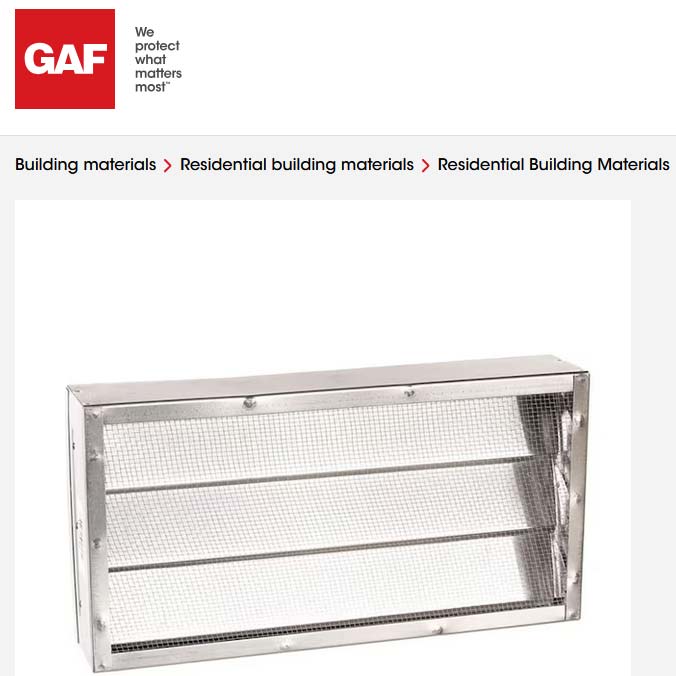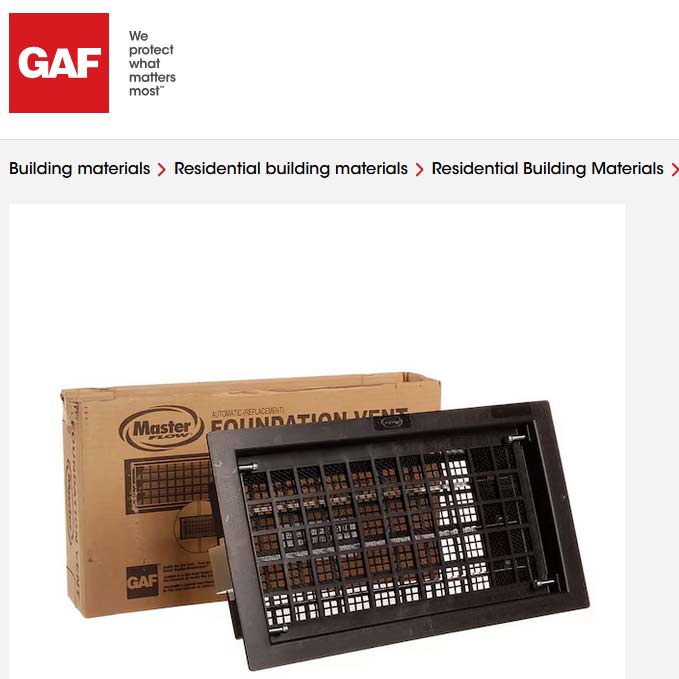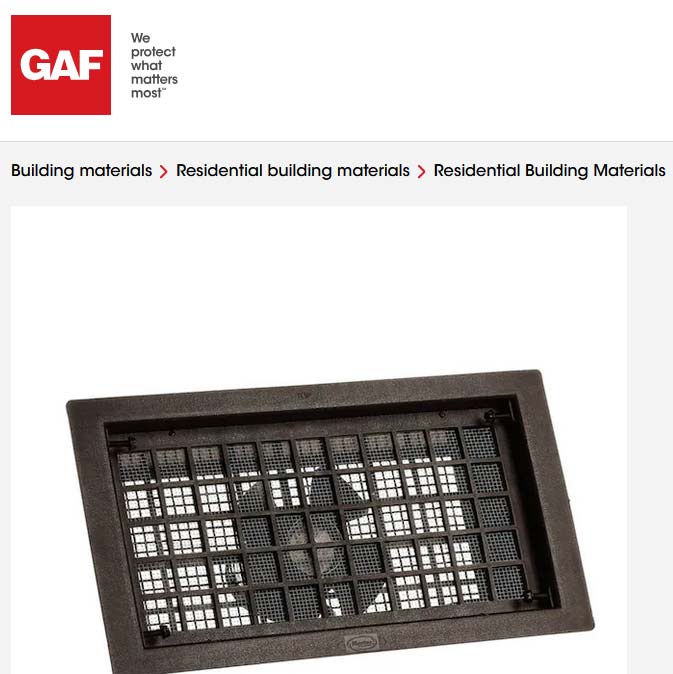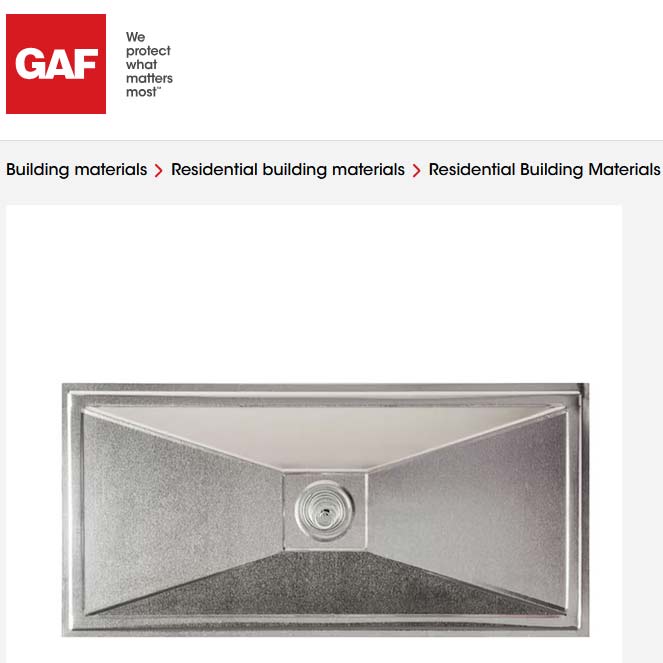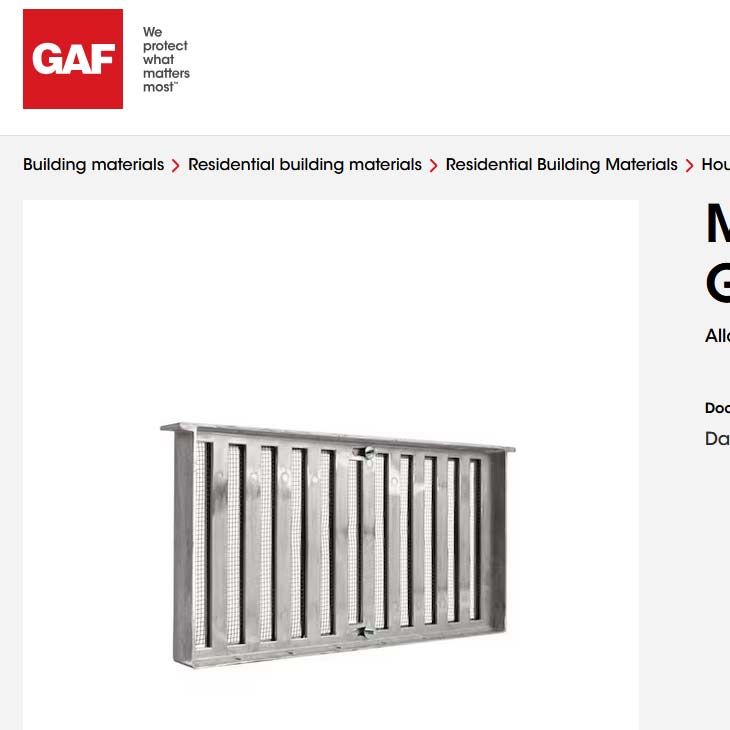
 The Grate Style Foundation Vents use a positive open/close damper action, so you get real control over airflow, energy use, and moisture in the crawl space. We put these on a lot of homes built with lintel foundation block construction around Fort Collins and Grand Junction, and they hold up to our weather. Master Flow® Grate Style Foundation Vents
Grate Style Foundation Vents for Colorado Homes
Grate style foundation vents are one of the cheapest upgrades that actually pay you back here in Colorado. I'm Adam, and I've run Adam Chimney Sweep in Denver since 2001. Over those years I've crawled under more homes than I can count, and the pattern is always the same: the houses with good, working foundation vents stay dry and the ones with rusted-shut or missing vents grow mold, rot their sills, and freeze a pipe or two every January. A vent is a small part. The damage when it fails is not small.
The Master Flow® Grate Style vent is built for that job. The body is cast aluminum, so it won't rust out the way the old galvanized steel louvers do. The slide damper opens and closes with a positive action, which is a fancy way of saying it actually stays where you put it instead of rattling halfway open in a windstorm. You crack it open in spring to dry out the crawl space, and you shut it down in late fall to keep the cold and the frozen-pipe risk out. That's the whole rhythm.
Key Features
- Made from high-strength aluminum, so it resists rust and corrosion even after years of snowmelt.
- Adjustable damper to control airflow and cut energy loss through the winter.
- Helps prevent frozen pipes and foundation decay, which adds years to the life of the home's structure.
- Sized to drop into standard lintel block openings, so swaps are usually quick.

 Master Flow® Grate Style Foundation Vents Installation In Colorado
Good ventilation matters across Colorado, where the weather swings hard. We go from heavy snow in Steamboat Springs to dry, gusty afternoons in Grand Junction, and both ends of that range push moisture where you don't want it. The Master Flow® Grate Style Foundation Vents give you a simple, low-cost way to manage that air, keep water out, and hold heat in when it counts.
These vents fit best on homes with lintel foundation block construction, which you'll find all over places like Fort Collins and Durango. Keeping frozen pipes and slow structural decay off your plate is a big part of holding a home's value over time.
Folks think a foundation vent is just a grille in the wall. It isn't. That little slide damper is the difference between a dry crawl space and a sill plate I have to tell you is rotting. I'd rather sell you a forty-dollar vent than break the news that the framing under your kitchen is soft.
- Adam, Owner, Adam Chimney Sweep
Why Colorado Homes Need Grate Style Foundation Vents
Colorado's terrain runs from high mountain valleys to the open plains, and that mix throws a lot at a house. When a foundation can't breathe, moisture builds up under the floor and you start seeing real problems. Here's what we run into most:
✅ Frozen Pipes: In colder counties like Summit County, vents with an adjustable damper let you hold a steadier crawl-space temperature and skip the burst-pipe repair bill.
✅ Structural Decay: Trapped moisture softens framing and sill plates, and we see it bite hardest in damper pockets like Mesa County, where it turns into expensive repairs fast.
✅ Energy Loss: Managed airflow keeps warmth in during winter and lets cool air move in summer, which trims the utility bill in areas like Arapahoe County.
There's one more thing worth saying about our climate. Denver and most of the Front Range sit at altitude in a semi-arid zone, so the air outside is usually dry. That works in your favor, but only if the crawl space can actually trade air with the outside. Seal it up tight with no working vents and the ground moisture has nowhere to go. It condenses on the cold underside of your floor, and that's where the rot and the musty smell start. The state health department has plenty of good reading on indoor moisture and air quality if you want to dig in; the short version is that air movement is your friend down there.
Key Features of Master Flow® Grate Style Foundation Vents
1. High-Strength Aluminum Construction
The die-cast aluminum body holds up where cheaper metal gives out. In a place like Lake County, where snow piles against the foundation and melts slow, steel louvers rust and seize. Aluminum just keeps going.
What that gets you:
- Resists rust and corrosion, which makes it a good match for wet, snowy ground.
- Light but stiff, so it's easy to set and fasten.
- Shrugs off the freeze-thaw swing without warping or cracking the frame.
2. Adjustable Slide-Action Damper
The built-in positive open/close damper lets homeowners in counties like Larimer County dial the airflow in instead of leaving it to chance. Slide it down for winter to hold heat, slide it open in summer to move stale, damp air out.
What that gets you:
- Keeps cold air infiltration down through the winter in places like El Paso County.
- Helps hold humidity in check so mold doesn't get a foothold, which matters in Routt County.
- Gives you a setting for every season instead of one compromise all year.
My rule with customers is simple. Open them up on the first warm week of spring, shut them down before the first hard freeze. Set a phone reminder if you have to. I've pulled apart crawl spaces where someone left the vents wide open all winter and froze the water line, and others where they were sealed shut for years and the joists were black. The damper only works if you actually move it twice a year.
- Adam, Owner, Adam Chimney Sweep
3. Protection Against Frozen Pipes and Foundation Decay
Foundation vents do a lot to head off cold-weather damage. In a county like Chaffee County, where winter nights get brutal, the grate-style vent helps keep the under-floor space stable, so you're less likely to freeze a pipe or crack a foundation.
What that gets you:
- Cuts frost damage by giving you control over airflow and temperature.
- Knocks down the moisture that leads to foundation decay and mold growth.
- Adds years to the foundation by easing the thermal stress it takes every season.
Warning Signs Your Foundation Vents Aren't Doing Their Job
You don't need to crawl under the house to catch most of these. Walk the perimeter and pay attention inside, and the vents will usually tell on themselves. Keep an eye out for:
- A musty or earthy smell that drifts up through the floor, strongest in spring and after a wet stretch.
- Vent louvers or dampers that are rusted, painted over, packed with debris, or won't budge when you try to slide them.
- Condensation, frost, or beads of water on ductwork or pipes under the house.
- Soft, springy spots in the floor near outside walls, which can mean the subfloor or joists are taking on moisture.
- Higher heating bills with no other clear cause, since a stuck-open vent in winter bleeds heat straight out.
- Mold or dark staining on the underside of the floor or along the sill plate.
Hit two or three of these and it's worth a closer look. Plenty of folks find out their old vents rusted open or shut years ago and nobody noticed. While we're out for a chimney inspection we're happy to glance at the foundation vents too and tell you straight whether they need swapping.
Available Model Numbers & Specifications
Master Flow® makes a range of grate-style foundation vents to suit the different construction you'll find across Colorado, town and country alike.
| Model Number | Material | Features | Ideal Applications |
|---|---|---|---|
| 500 | Die-cast aluminum | Slide-action damper for energy savings | Cold climates like Gunnison County |
Best fit: Homes up high, like the ones around Steamboat Springs, where a poorly vented foundation takes real damage once winter sets in.
How Foundation Vent Installation Works
Swapping a foundation vent isn't rocket science, but doing it right keeps water and cold out for the long haul. Whether you're in the mountain valleys of San Miguel County or a suburban block in Douglas County, here's the order we follow:
Step-by-Step Installation Guide
- Measure the opening. Check the rough size before you buy so the vent actually fits, which matters most in older homes around Boulder County where openings aren't always standard.
- Prep the surface. Pull out old caulk, crumbled mortar, and any debris so the new vent seats flat. This step earns its keep in dust-prone spots like Pueblo County.
- Set and fasten the vent. Anchor it with weatherproof fasteners so it stays put when the wind comes up hard, the way it does in Elbert County.
- Adjust the damper. Set it for the season, closed to hold heat in winter and open to move air in summer, so cold drafts stay out of homes in Park County.
- Seal the edges. Run a bead of exterior-grade sealant around the frame to lock out wind-driven rain and snowmelt.
Pro tip: That sealant bead around the edges does more than you'd think to keep moisture out, and it's worth the extra five minutes in wetter spots like Clear Creek County, where rain and snow are just part of the deal.
If you're handy, model 500 is a Saturday job. The two things people get wrong are skipping the prep, so the vent rocks on a lump of old mortar, and forgetting to seal the perimeter. Get those two right and you'll never think about that vent again. If the opening's odd or the block is crumbling, that's when I tell folks to give us a call and let us handle it.
- Adam, Owner, Adam Chimney Sweep
Why Choose Master Flow® Grate Style Vents for Your Colorado Home?
Picking the right foundation vent goes a long way toward a healthy, energy-smart home, and the Master Flow® Grate Style vent lines up well with what Colorado throws at a house:
🏡 Energy Efficiency: Helps steady the indoor temperature and trim heating costs in cold spots like Summit County.
🏔 Weather Resistance: Built to take heavy snow and stiff wind, the kind you get up in Telluride.
🔧 Easy Maintenance: Quick to adjust and clean, which busy homeowners in urban counties like Jefferson County appreciate.
We sweep, inspect, and repair chimneys all over the metro, and foundation vents are one of those small jobs we tack on while we're already at the house. If something bigger turns up, like water getting into the masonry or a liner problem, we can take care of that too. You can see the full list on our services page, and you're always welcome to call and talk it through.
A Quick Word on Crawl-Space Moisture in Colorado
People are sometimes surprised that a dry state like ours has crawl-space moisture trouble at all. It comes down to the ground, not the sky. Soil holds water from snowmelt and the occasional summer downpour, and that water evaporates straight up into the space under your floor. Without vents to carry it off, it just sits there. The fix is air movement, and that's exactly what these vents are for. For the bigger picture on home moisture and indoor air, the Colorado Department of Public Health and Environment is a solid, no-nonsense resource. The practical takeaway stays the same: give the crawl space a way to breathe, and run the damper with the seasons.
See the Kind of Work We Do
Foundation vents are a small slice of what we handle. Here's a quick look at our crew on a typical Denver job so you can get a feel for how we work before you call.
Customer Testimonials from Colorado Residents
“We had issues with frozen pipes every winter in our home in Gunnison County. Since installing the Master Flow® Grate Style Foundation Vents, we’ve seen a huge improvement in our heating efficiency and no more costly repairs!”— Mike L., Gunnison County, CO.
“Living in Steamboat Springs, we needed a foundation vent to handle heavy snow without rusting. The die-cast aluminum build is perfect for our climate!”— Jessica P., Routt County, CO.
“Our basement used to get so damp during the summer in Mesa County. These vents provided the perfect solution to keep moisture out and prevent mold!”— Sarah W., Mesa County, CO.
Frequently Asked Questions
Q: How do I know if my home needs a foundation vent?
A: If you've got a crawl space, a basement, or a foundation block structure, ventilation helps, and it helps even more in damper pockets like Delta County. A musty smell or condensation under the floor is a clear sign you need it.
Q: How often should I adjust the damper settings?
A: Twice a year is the rhythm. In a cold spot like Lake County, close it down for winter and open it back up in summer to let the air move.
Q: Can I install these vents myself?
A: For most folks, yes. The design is straightforward enough for a confident DIYer. For bigger or older properties in counties like Eagle County, or if the block around the opening is in rough shape, having a pro do it is the safer bet.
Q: Will more vents make my floors cold in winter?
A: Only if you leave them open. That's the whole point of the damper. Shut it for the cold months and the vent seals off the draft while still being there to open up come spring.
Q: How long do aluminum foundation vents last?
A: A lot longer than the old steel ones. Because aluminum doesn't rust, a Master Flow® grate vent can outlast several of the cheap galvanized louvers it replaces. Most homeowners set it once and never think about the body again, just the damper twice a year.
Order Your Master Flow® Grate Style Foundation Vents Today!
Keep your home's foundation dry and protected with ventilation that's built for our climate. Whether you're getting ready for winter in Chaffee County or fighting summer humidity in Fremont County, the Master Flow® Grate Style Foundation Vents have you covered. Questions about your crawl space, or want us to handle the swap while we're out for a sweep? Call Adam Chimney Sweep at (720) 207-9232 or reach us through our contact page, and we'll point you the right way.