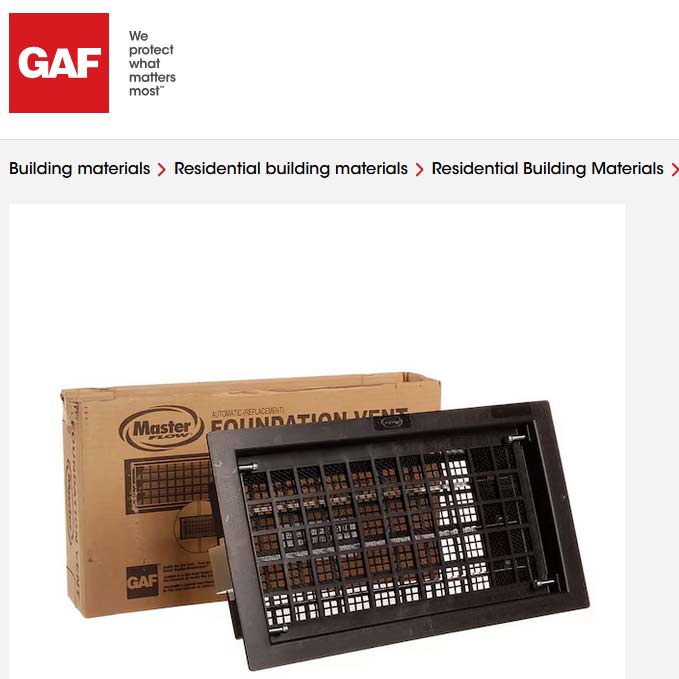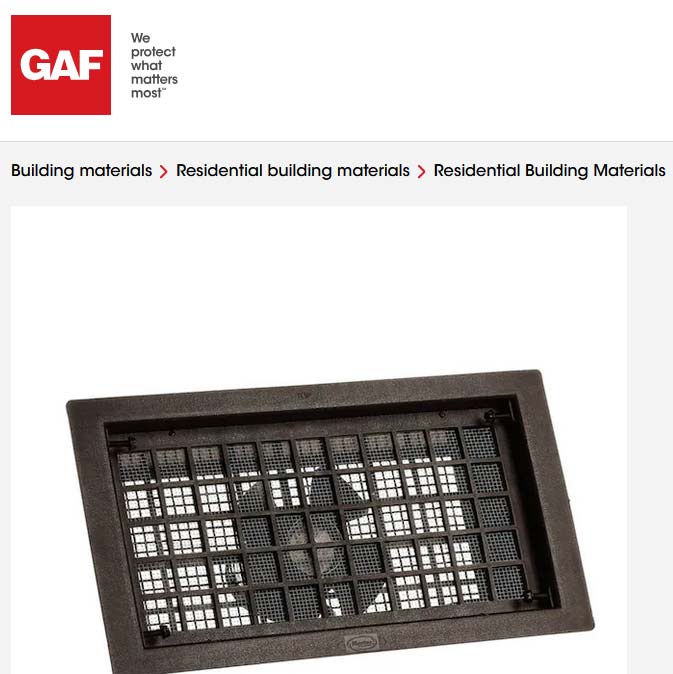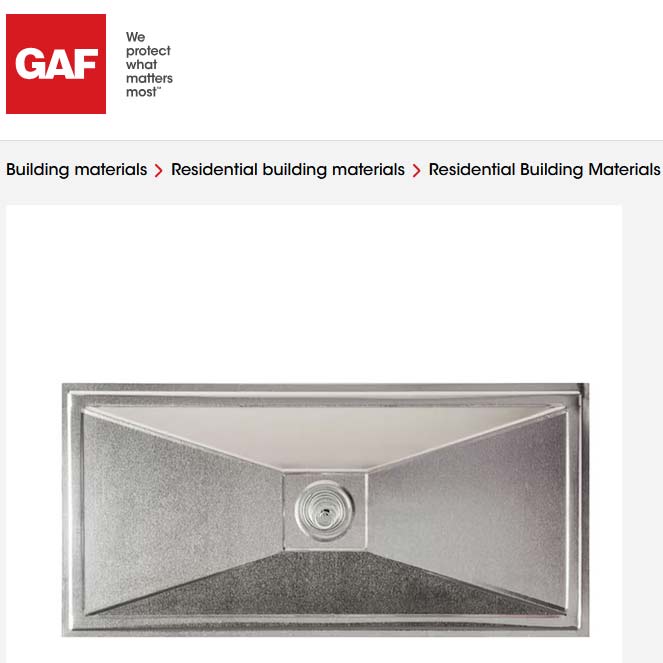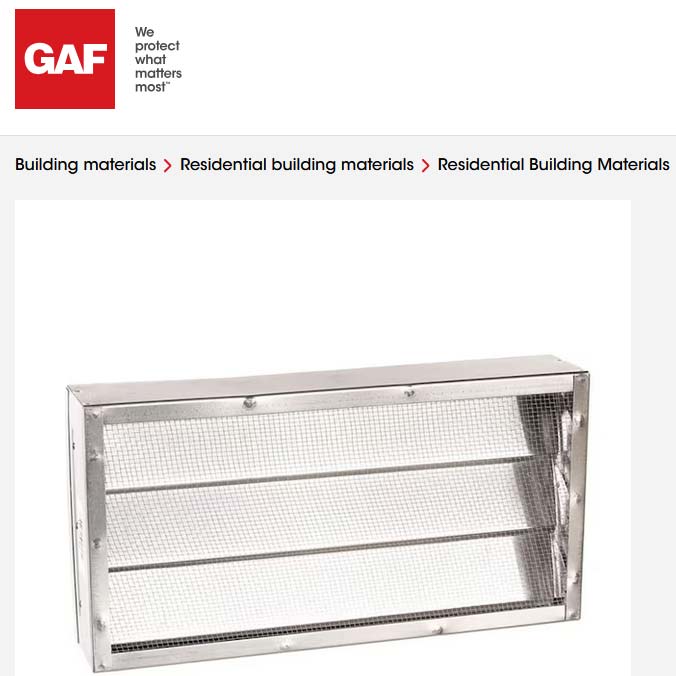
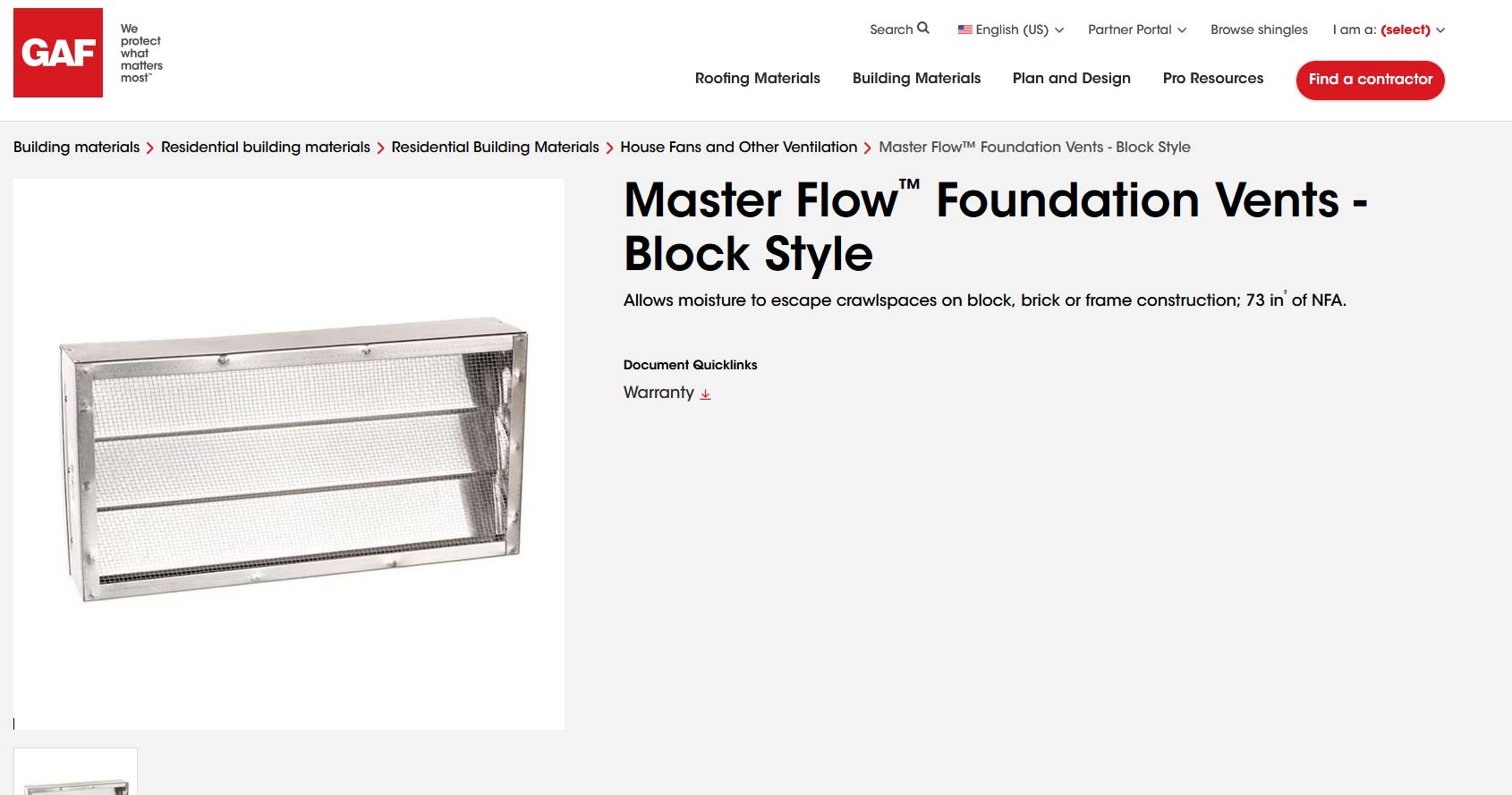
 The Block Style Foundation Vents are built to drop right into walls made of blocks, bricks, or frames. They give you a simple, dependable way to move air through a crawl space, and they hold up well in homes all over Colorado. That matters a lot in older neighborhoods like Denver’s Capitol Hill district, where the brick is a hundred years old and the foundation has seen a lot of wet springs. We install the Master Flow® Block Style Foundation Vents on jobs like that all the time.
I’m Adam. My family has run this chimney and fireplace business in Denver since 2001, and over the years we’ve crawled under a lot of houses. A bad foundation vent, or no vent at all, is one of those quiet problems that wrecks a home from the bottom up. You don’t see it until the joists are soft and the crawl space smells like a wet basement. Good vents fix that for next to nothing compared to what the damage costs.
Half the moldy crawl spaces I crawl into could have been avoided with a couple of working foundation vents. People spend thousands fixing rot they never had to deal with. A good block-style vent is cheap insurance against the most expensive repair you can have under a house.
- Adam, Owner, Adam Chimney Sweep
Key Features
- Made from galvanized steel and aluminum, so they stay strong and don’t rust out on you.
- Move plenty of air without making you add a lintel above the opening.
- Cut down on condensation and keep moisture from chewing up the wood and masonry around the foundation.

 Get Master Flow® Block Style Foundation Vents In Colorado
Model Numbers & Specifications
| Model Number | Material | Features | Ideal Applications |
|---|---|---|---|
| BVSII | Galvanized steel/aluminum | Movable louvers for airflow control | Masonry homes in Summit County |
Perfect for: Homes in places like Leadville, where the temperature swings hard from day to night and the crawl space needs steady airflow to stay dry.
If you’re trying to keep air moving and moisture out of a home built with block, brick, or frame construction, the Master Flow® Block Style Foundation Vents are a solid pick. They work on properties all over Colorado, and they really shine in historic spots like Denver’s Capitol Hill district, where the old houses need steady ventilation so the brick and the framing don’t hold water against themselves.
These vents hold up for years, which makes them a smart choice whether you’re trying to keep the character of an old home in Denver County, manage moisture up in the thin air of Lake County, or just stay comfortable year-round in Summit County.
Why Colorado Homes Need Block Style Foundation Vents
Colorado homes need block style foundation vents because our weather is rough on a crawl space and most older houses were never set up to handle it. We get freezing cold in Eagle County and dry heat down in Mesa County, sometimes in the same week. That kind of swing pushes moisture in and out of the ground under your house, and it has to go somewhere. Good airflow gives it a way out. Here’s what proper ventilation helps you avoid:
✅ Condensation Buildup: When warm, damp air hits cold foundation walls it turns to water, and that water feeds mold. We see it a lot in wetter spots like Pueblo County.
✅ Structural Decay: The wood in a foundation rots if it stays wet. Sills, joists, the works. Moving air keeps it dry, which is why airflow matters so much in counties like Jefferson County.
✅ Energy Inefficiency: A damp, poorly vented crawl space makes your furnace and AC work harder. Your bills creep up. That hits hardest in areas with big temperature swings like Summit County.
One thing folks don’t realize is how tied together the crawl space and the chimney are. Both are about moving air and keeping water out of the house. A wet crawl space pushes humidity up into the living space, and that same damp air can speed up rust in a fireplace damper or a metal liner. If you’re fixing one, it’s worth looking at the other. We handle both, so we usually spot the connection on a single visit.
Key Features of Master Flow® Block Style Foundation Vents
1. Heavy-duty galvanized Steel and Aluminum Construction
These vents are built from galvanized steel and aluminum, so they shrug off rust and corrosion. That’s a big deal in a place like Leadville, where snow piles up and meltwater finds its way into everything. A cheap vent rusts out in a few seasons. These don’t.
Benefits:
- Takes the hard temperature swings without warping or rusting.
- Keeps doing its job for years, not seasons.
- Works on homes and commercial buildings alike in Denver County.
2. No Additional Lintel Installation Required
Some foundation vents make you put in a lintel to carry the load above the opening, which adds labor and cost. The block-style design skips that. It drops in clean, so it’s a cheaper, faster fix for older homes in Mesa County and anywhere else with original masonry.
Advantages:
- Saves you time and money on the install.
- Slides right into the existing masonry opening.
- Sits snug and secure, which matters in historic districts like Denver’s Capitol Hill.
The no-lintel thing is what sells most of my customers. On an old brick foundation, cutting in a new lintel can double the job. With these you just clean up the opening and set the vent. I’ve had crews knock out a few of them in an afternoon and the homeowner barely knew we were there.
- Adam, Owner, Adam Chimney Sweep
3. Adjustable Louvers for Airflow Control
The louvers move, so homeowners in counties like Eagle County can dial the airflow in or out as the seasons change. Open them up to dry things out, close them down to hold heat. It’s a small thing that makes a real difference over a year.
Why This Feature Matters:
- Opens all the way in summer to keep air moving through the crawl space.
- Closes part way in winter so you lose less heat and keep cold drafts out.
- Holds humidity steady down there instead of letting it spike.
Model Numbers & Specifications
Master Flow® Block Style Foundation Vents come in a few different models so you can match the right one to your home’s style and how it’s built. The BVSII is the one we reach for most on Colorado masonry homes, since the movable louvers give you real control and the galvanized build holds up to our weather. If you’re not sure which model fits your opening, send us a photo and a rough measurement and we’ll tell you straight.
How Block Style Foundation Vent Installation Works
People ask what the job actually looks like, so here’s how we do it from start to finish. It’s not a mystery, and on most homes it goes quick.
- We look at the crawl space first. Before anything else, we get under the house and check for standing water, soft wood, and how many vents you already have. The rule of thumb is one square foot of vent for every 150 square feet of crawl space, so we count what you need.
- We measure your openings. Old foundations are rarely uniform, so we measure each spot and pick the model that fits without a lot of fuss.
- We clean up the opening. We knock out the old broken vent or screen, clear away crumbling mortar, and make a clean seat for the new unit.
- We set the vent and seal it. The block-style vent drops in, we secure it, and we seal the edges so water and pests can’t sneak around the frame.
- We set the louvers and walk you through it. We open them for the season you’re in, show you how to adjust them, and tell you when to flip them over to winter mode.
Most homes take part of a day. If your crawl space already has rot or water damage, that’s a bigger conversation, and we’ll be honest with you about it before we start swinging tools.
Installation Considerations for Different Colorado Regions
Where you live in Colorado changes how these vents should go in. A mountain cabin and a Denver bungalow have different problems, so we don’t use a one-size approach. Here’s what we keep in mind by region.
1. Mountainous Areas (Summit, Lake, Eagle Counties):
- Set the vents high enough that snow doesn’t bury them.
- Add weatherproofing around the frame so freeze-thaw cycles don’t crack the seal.
- Check for ice on the louvers through the winter and clear it when it builds.
2. Urban Areas (Denver, Pueblo Counties):
- Place the vents to get good cross-flow through old brick homes.
- Use pest-resistant covers so mice and bugs stay out of the crawl space.
- Pair them with automatic vent options if you want to set it and forget it.
3. Semi-Arid Regions (Mesa, Jefferson Counties):
- Position the vents so air can cross the space instead of dead-ending in a corner.
- Watch the airflow on hot days so heat doesn’t pool under the floor.
- Go with rust-resistant coatings to squeeze more years out of the install.
The biggest mistake I see is vents that are too low. Up in Summit County folks put them in flush with the grade, and by January they’re packed with snow and doing nothing. Set them a little higher and add some weatherproofing, and they’ll breathe all winter. Where you put the vent matters as much as which vent you buy.
- Adam, Owner, Adam Chimney Sweep
Common Foundation Vent Problems We See in Colorado
After all these years under Colorado houses, the same handful of issues come up again and again. Catch them early and the fix is small. Let them ride and you’re looking at structural work. Watch for these warning signs:
- A musty smell in the house. If the living space smells like a damp basement, that air is coming up from a crawl space that can’t breathe.
- Rusted or broken vents. Old steel vents rust through and fall apart. Once the louvers seize up, you’ve basically got no ventilation at all.
- Condensation on ductwork or pipes. Water beading on the metal under your floor means there’s too much humidity down there.
- Soft or springy floors. If a spot in the floor feels bouncy, the subfloor or a joist may be rotting from moisture below.
- Critters getting in. A broken vent is an open door. Mice, squirrels, and bugs will use it.
- Standing water after a storm. Pooling water in the crawl space after rain or snowmelt is a sign the space isn’t drying out the way it should.
If you’ve got any of these, it’s worth a look before the problem grows. We’re happy to crawl under and tell you what’s really going on, and we won’t upsell you on work you don’t need.
Why Choose Master Flow® Block Style Foundation Vents for Your Colorado Home?
Whether you’re fighting cold winters up in Summit County or dry heat down in Mesa County, these vents give you a tough, low-fuss way to keep the foundation dry and the floors solid.
🏡 Versatile Design: Fits block, brick, and frame construction, so it works on homes in the country and the city alike.
🏔 Built for Harsh Conditions: Stands up to whatever Colorado throws at it, from snowstorms in Eagle County to hot summers in Pueblo County.
🔧 Easy Maintenance: The galvanized steel and aluminum build barely needs any upkeep, even in damp spots like Lake County.
Customer Testimonials from Across Colorado
“After installing the block-style vents in our Summit County cabin, we’ve noticed a significant reduction in crawl space moisture. Highly recommend!”— James M., Summit County, CO.
“The vents fit perfectly in our historic home in Denver’s Capitol Hill district. They look great and work even better!”— Sarah L., Denver County, CO.
“We had issues with condensation buildup in our brick foundation in Mesa County, but these vents have solved the problem completely.”— Tom R., Mesa County, CO.
Frequently Asked Questions
Q: Can these vents help reduce energy costs?
A: Yes. By keeping airflow steady and cutting heat loss in winter, they take some of the load off your furnace and AC in homes in counties such as Jefferson and Lake.
Q: Are these vents suitable for older homes?
A: Absolutely. The easy, no-lintel install and the flexible design make them a great fit for retrofitting older homes in areas like Denver and Pueblo Counties.
Q: How often should I check my foundation vents?
A: Give them a look at least twice a year, and definitely before winter sets in if you’re somewhere like Summit County. Make sure the louvers move freely and the screens aren’t clogged with leaves or debris.
Q: How many foundation vents does my house need?
A: A common guideline is one square foot of open vent for every 150 square feet of crawl space, though a vapor barrier on the ground can change that. We count it out for you when we come take a look so you’re not guessing.
Q: Should I close the vents completely in winter?
A: Not all the way. Closing them part way holds heat without trapping moisture down there. Sealing them shut can actually cause condensation, which is the thing you’re trying to avoid in the first place. For more on keeping your home’s systems dry and safe, the EPA Burn Wise program has solid guidance on home heating and indoor air.
Order Your Master Flow® Block Style Foundation Vents Today!
Keep moisture and rot out of your foundation with Master Flow® Block Style Foundation Vents, trusted by homeowners all over Colorado, from the city blocks of Denver County to the mountain cabins of Summit County. We’ll help you pick the right model, get it installed clean, and check the rest of your home’s ventilation while we’re at it. Need a chimney looked at too? Take a look at our full list of chimney and fireplace services and we’ll knock it all out in one trip.
📞 Call us now at (720) 207-9232
📍 Visit us at 12894 E Villanova Dr, Aurora, CO 80014