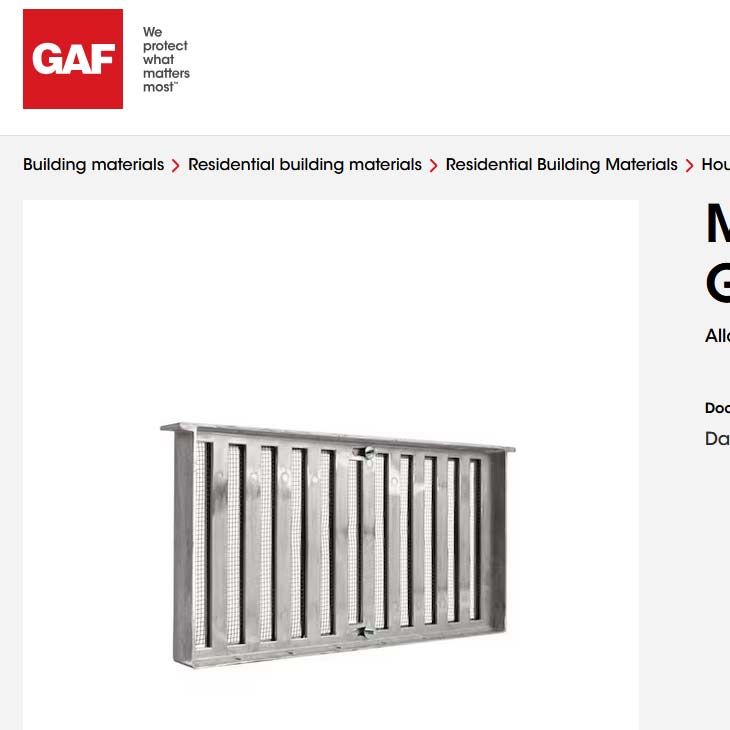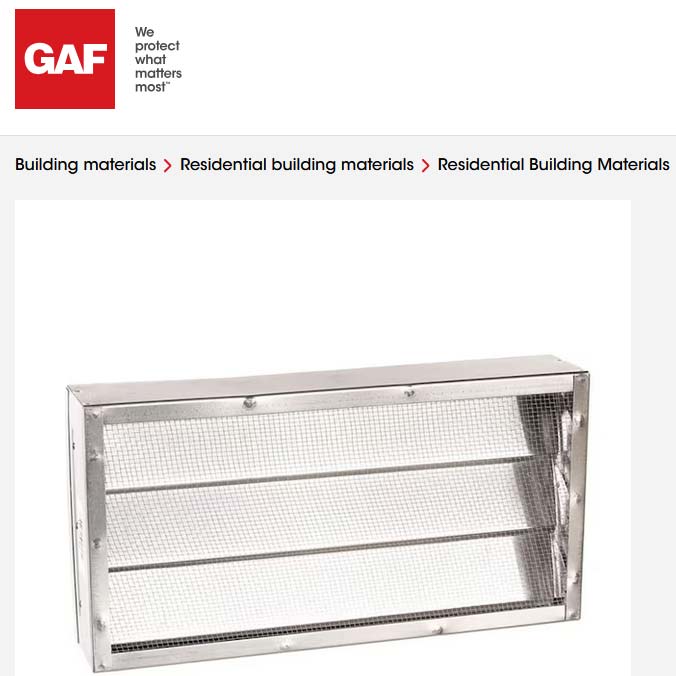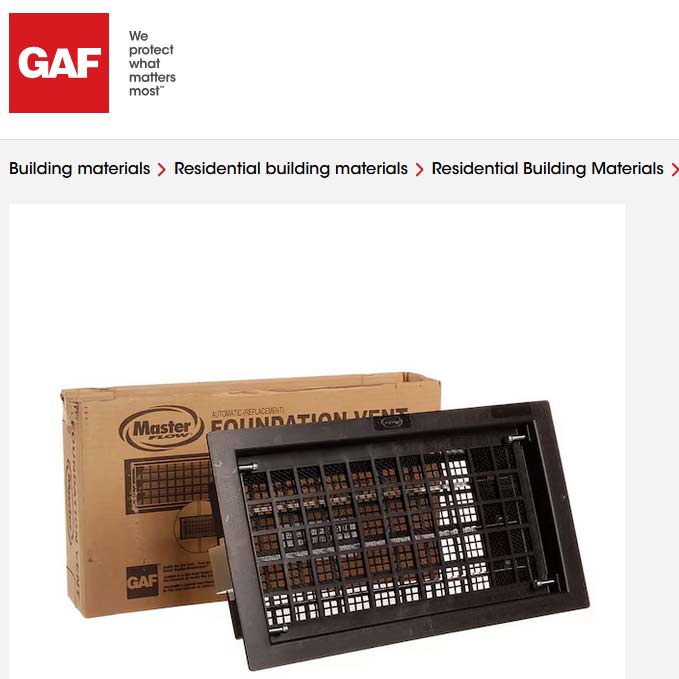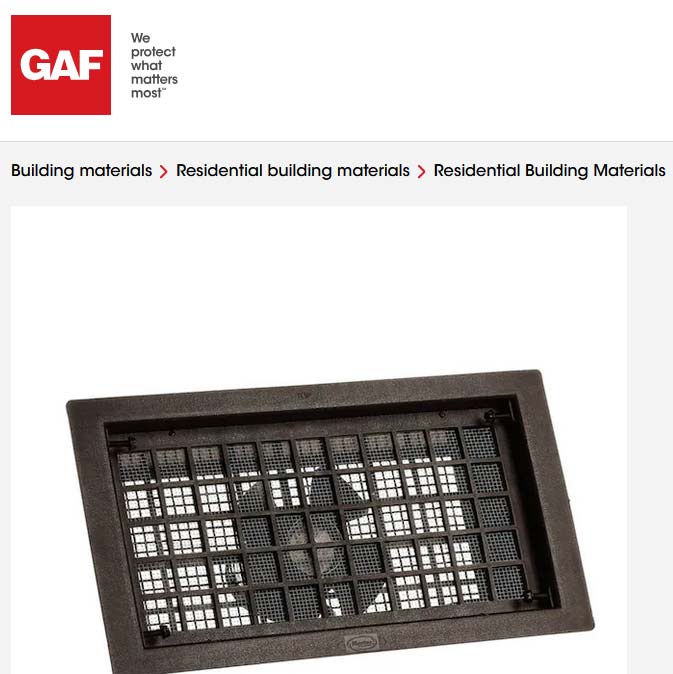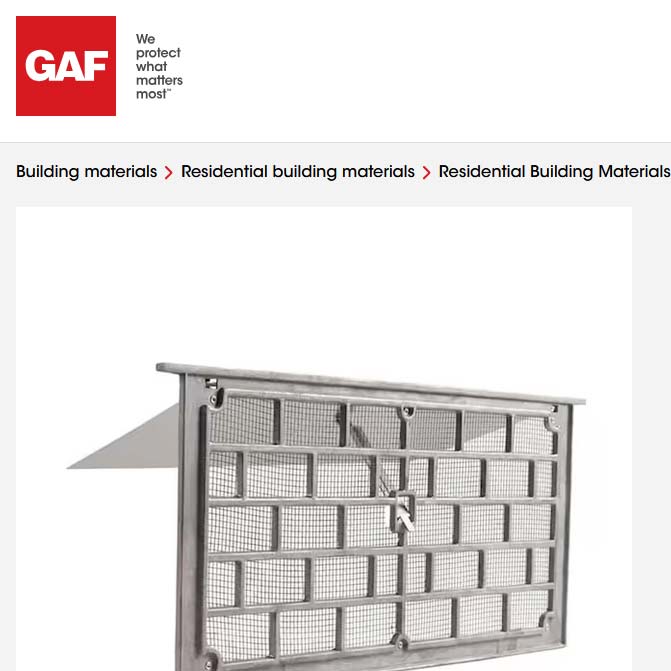
 The Grill Style Foundation Vents are made to drop into floor joists or sit in as a foundation block replacement. They move air through the space under your house without weakening the structure that's holding everything up. We put these in on houses all over Colorado, from the old brick places in Boulder County to the newer builds going up around Colorado Springs. If you want to read the manufacturer's own spec page, here it is: Master Flow® Grill Style Foundation Vents.
I've been crawling around under Denver houses since 2001, and the crawl space is the one spot nobody looks at until something goes wrong down there. A good vent is cheap insurance. Below I'll walk you through what these vents do, why they matter so much in our climate, the models we install, and how the whole thing goes in.
Key Features
- Cast from die-cast aluminum, so they don't rust out or warp the way thin stamped steel does after a few Colorado winters.
- You can get them with or without dampers, which let you open the vent in summer and close it down when the cold hits.
- They cut down on foundation decay by keeping fresh air moving through the crawl space instead of letting damp air just sit there.
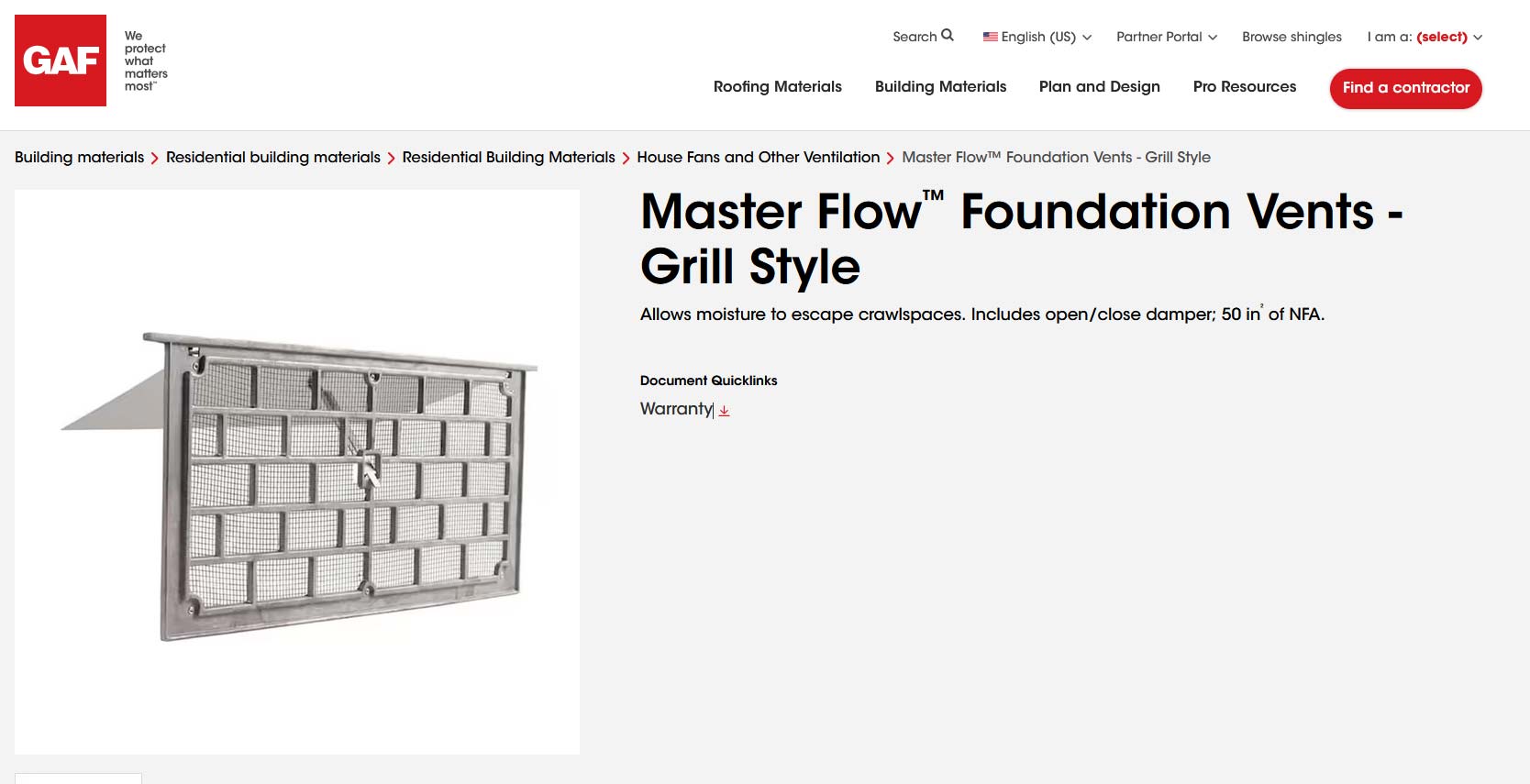 Get Master Flow™ Foundation Vents – Grill Style Installed Today!
 The Master Flow® Grill Style Foundation Vents have been a go-to for homes and businesses across Colorado for years. Keeping air moving under the house is one of those quiet things that stops big problems before they start. Designed to fit in floor joists or work as a foundation block replacement, these vents push back against moisture buildup, mold, and the slow rot that eats away at framing and foundations.
Whether you're up in the hills around Boulder County, down in the heart of Denver County, or out on the eastern plains in Yuma County, a properly vented foundation keeps the bones of your house dry and your floors from getting that soft, springy feel.
The number one thing I tell folks is this: if your crawl space smells musty when you open the hatch, your foundation vents either aren't there, aren't open, or aren't doing their job. That smell is moisture, and moisture is what rots out the wood your whole house sits on. Fixing it usually starts with airflow, and a couple of grill-style vents is the cheapest fix on the list.
- Adam, Owner, Adam Chimney Sweep
Why Colorado Homes Need Foundation Vents
Foundation vents matter more in Colorado than people think, because our weather swings hard. We get the dry stretches everyone talks about, but we also get humid summer afternoons down in Pueblo County and heavy snow that melts and soaks into the ground up in Routt County. That snowmelt and summer humidity both end up as damp air sitting under your house. Without somewhere to go, it does real damage. Here's what good ventilation helps you dodge:
✅ Mold Growth: Damp, still air is exactly what mold and mildew want. We see it a lot in the older homes around El Paso County, where crawl spaces were never set up to breathe.
✅ Structural Decay: Wood rots and metal rusts when it stays wet. In high-moisture spots like Summit County, getting air moving is what keeps your floor joists solid for the long haul.
✅ Pest Intrusion: A wet, dark crawl space is a welcome mat for bugs and critters. Around Mesa County we run into pest problems all the time, and steady airflow makes the space a lot less inviting.
There's a simple rule of thumb the trades have used for years: you want about one square foot of vent opening for every 150 square feet of crawl space, and you want the vents spread out so air can cross the whole area instead of pooling in one corner. We figure that out for you when we come measure, but it's worth knowing so you understand why we might put in more than one.
If you want to dig into the health side of damp basements and crawl spaces, the state of Colorado has solid guidance on indoor air and moisture over at the Colorado Department of Public Health and Environment. It backs up everything we see in the field about why moisture control is worth doing right.
Key Features of Master Flow® Grill Style Foundation Vents
1. Durable Die-Cast Aluminum Construction
These vents are made from solid die-cast aluminum, which holds up to corrosion way better than the cheap stamped stuff. That matters in damp and snowy places like Larimer County, where a flimsy vent would be rusted shut in a few seasons.
What you get out of that:
- Years of service with no rust streaks and no warping out of shape.
- It handles the temperature swing from a 95-degree July afternoon to a single-digit January night without cracking.
- It works on brand-new construction and drops cleanly into older homes during a retrofit.
2. Manual or Automatic Airflow Control
You can order these with or without dampers. A damper just means homeowners in Archuleta County and everywhere else get to control airflow instead of leaving the crawl space wide open all year.
Dampers earn their keep by:
- Shutting out frigid air in the winter so your pipes and floors stay a little warmer.
- Letting heat and humidity escape in the summer instead of cooking the underside of your house.
- Giving you a quick way to adjust as the seasons turn, with no tools and no fuss.
People ask me all the time whether they should close their foundation vents in winter. Honestly, it depends on the house. If you've got exposed water lines down there, dampers let you close things up on the coldest nights so nothing freezes, then crack them back open in spring. What you don't want is to seal everything shut for six months and forget about it. That's how you trap moisture and end up worse off than if you'd had no vents at all.
- Adam, Owner, Adam Chimney Sweep
3. Foundation Decay Prevention
By keeping air moving and pulling moisture out, these vents slow down foundation decay. That's a big deal for houses near rivers and lakes, like a lot of the properties in Chaffee County where the water table sits high.
Here's what that buys you over time:
- Less wood rot and fewer termites, since neither one likes a dry, breezy crawl space.
- A foundation and floor system that lasts the way it was built to.
- Lower repair bills, because catching moisture early beats jacking up a sagging floor later.
Available Model Numbers & Specifications
Master Flow® Grill Style Foundation Vents come in a few different models so they fit a range of homes across Colorado, from the modern builds in Broomfield County to the older places out in Alamosa County.
| Model Number | Material | Features | Ideal Applications |
|---|---|---|---|
| LW1 | Die-cast aluminum | Manual damper control | Homes in high-moisture areas in Gunnison County. |
| LW1L | Die-cast aluminum | 1⅜” lintel for secure fit | New builds and retrofits in Garfield County. |
Great fit for homes in damp spots like Durango, where a wet crawl space turns into mold before you know it.
Not sure which model your house needs? That's normal. The opening size, whether you've got a lintel to work with, and how much moisture you're fighting all factor in. We sort that out on site so you're not guessing from a catalog.
How Foundation Vent Installation Works
Putting in Master Flow® Grill Style Foundation Vents is pretty straightforward, and plenty of handy homeowners tackle it themselves. That said, soil and humidity change a lot from one county to the next, so what works on a dry lot in town isn't always right for a damp lot near the water. Here's the order we follow on a typical job:
- Measure the vent opening. We get the right vent size for the house, which matters a lot in places like Lake County where the older foundations have openings that are anything but square.
- Check the crawl space first. Before anything goes in, we look at what's already down there. If the ground is soaking wet or there's standing water, a vent alone won't fix it, and we'll tell you straight.
- Position the vent securely. We use the right fasteners to lock it in place, which really matters in wind-prone areas like Elbert County where a loose vent rattles itself out.
- Seal around the vent. We run weatherproof sealant around the edges to stop air leaks and water intrusion in cold climates like Rio Blanco County.
- Test the airflow and the damper. Last step, we make sure air actually moves the way it should and that the damper opens and closes clean. Then we walk you through how to run it through the seasons.
The whole thing usually takes us under an hour per vent on a standard opening. Older homes with crumbling block or odd-sized holes take longer, and we'll let you know up front if yours is one of those.
The mistake I see homeowners make is slapping a vent over a hole and calling it done, without ever sealing the gap around the frame. Air and water sneak right through that gap, and then you've got a vent that looks fine but is letting moisture in around the edges. We seal every one we install. It takes five extra minutes and it's the difference between a vent that works and one that just decorates the foundation.
- Adam, Owner, Adam Chimney Sweep
Warning Signs Your Crawl Space Needs Better Ventilation
You don't have to crawl under the house to know something's off. A lot of the time the warning signs show up in the living space above. Keep an eye out for these:
- A musty or earthy smell that hangs around, especially on the first floor or near floor vents.
- Floors that feel soft, bouncy, or slope a little where they used to be flat.
- Condensation or water droplets on ductwork, pipes, or the underside of the subfloor.
- Visible mold or white, fuzzy growth on the wood framing or block walls down below.
- Higher heating and cooling bills, since damp air is harder to keep at a comfortable temperature.
- Rusty nails, fasteners, or metal connectors in the crawl space, which is a dead giveaway for too much moisture.
If you're seeing two or three of these, your crawl space is telling you it needs help. Better venting is usually the first and cheapest move, and it's where we'd start.
Why Choose Master Flow® Grill Style Vents for Your Colorado Home?
From the high-altitude homes up in Pitkin County to the ranch properties out in Weld County, Master Flow® Grill Style Foundation Vents give you serious durability and real protection for the money.
Why folks pick these vents:
🏠 Custom Fit: They're built to match standard foundation openings across the different construction styles you find around Colorado.
❄ Weather Resistant: They shrug off snow, rain, and UV up in high-elevation areas like Eagle County.
🔧 Easy Maintenance: They're simple to adjust and wipe clean, which makes them an easy pick for busy homes in places like Adams County.
We've installed plenty of vent brands over the years, and Master Flow® is one we keep coming back to because the aluminum castings just last. When a customer calls us back five years later, it's almost never because the vent failed. Usually they're just adding more or finally putting dampers on.
Foundation Vents and Your Chimney: Why We Care
You might wonder why a chimney company is talking about foundation vents. Here's the connection. Moisture and airflow problems don't stay in one part of a house. The same damp air that rots a crawl space also creeps up into the structure, and we see the results when we're up working on a chimney or a fireplace. Wet framing, rusted flashing, and musty smells all tie back to a house that isn't moving air the way it should.
Because we're already crawling around foundations, roofs, and everywhere in between, we got into foundation venting as a natural extension of the moisture work we do. If you're having us out for a chimney inspection anyway, it's easy for us to take a quick look at your crawl space ventilation while we're there. One trip, two problems checked off.
See How We Work
Want a feel for how our crew handles a job before you call? Here's a short look at the kind of careful, no-shortcuts work we bring to every property, whether it's a chimney up top or a vent down below.
Customer Testimonials from Across Colorado
“We installed the Master Flow® Grill Style Vents in our home near the Grand Mesa in Delta County, and they’ve been fantastic at keeping moisture out of our crawl space!”— Linda P., Delta County, CO.
“Living in Arapahoe County, we deal with fluctuating temperatures year-round. These vents with dampers have helped us keep our home energy efficient.”— Mark T., Arapahoe County, CO.
“After installing these vents in our new build in Fremont County, we noticed a significant reduction in humidity levels. Highly recommended!”— Susan L., Fremont County, CO
Frequently Asked Questions
Q: How often should I check my foundation vents?
A: Give them a look every season, and pay extra attention before winter in snowy counties like Park County, where drifting snow can pack up against the foundation and block the openings. A two-minute check in fall saves you a wet crawl space come spring.
Q: Can these vents help with radon?
A: They're not a radon mitigation system, so I won't oversell them. But better air circulation under the house can help in high-radon areas such as El Paso County. If radon is a real worry for you, test for it and get a dedicated system. Think of good venting as a helpful piece of the puzzle, not the whole fix.
Q: Are these vents okay for commercial buildings?
A: Yes. We put them in on both homes and commercial properties all the time, including a fair number of jobs over in Jefferson County. The same airflow rules apply, there's just usually more square footage to cover.
Q: Should I close my vents in winter to save on heating?
A: It can help on the very coldest stretches if you've got dampers, but don't seal them shut all season. Trapped moisture causes more expensive problems than the little bit of heat you'd save. If you're unsure, give us a call at (720) 207-9232 and we'll talk through what makes sense for your house.
Q: Can I install these myself, or do I need a pro?
A: A handy homeowner with the right opening can do it. The tricky part is older or crumbling block, getting the seal right, and figuring out how many vents you actually need. If any of that gives you pause, that's where we come in.
Get Your Master Flow® Grill Style Foundation Vents Installed Today!
Keep your home dry and your foundation solid with Master Flow® Grill Style Foundation Vents, a trusted pick for homeowners across Colorado’s 64 counties. We've been doing moisture and airflow work out of Denver since 2001, and we'd be glad to take a look at your crawl space.
Ready to get started, or just have questions? Reach out through our contact page or call Adam and the crew directly at (720) 207-9232. We'll give you a straight answer about what your home needs, no pressure and no upsell.