What Creosote Buildup Is, and Why Denver Homeowners Should Care
 Creosote buildup is the dark, sticky stuff that coats the inside of your chimney or flue every time you burn wood. It looks harmless enough, but it's one of the most flammable things in your house. The National Fire Protection Association (NFPA) names creosote as one of the top causes of chimney fires in the country, and here in Colorado, where folks run their fireplaces hard from October through April, it stacks up faster than most people think.
We've been sweeping chimneys around Denver since 2001, and creosote is the single most common problem we pull out of a flue. The good news is it's also one of the easiest to stay ahead of once you know what you're looking at.
Not sure what shape your chimney is in? Get up to speed on how your chimney is built.

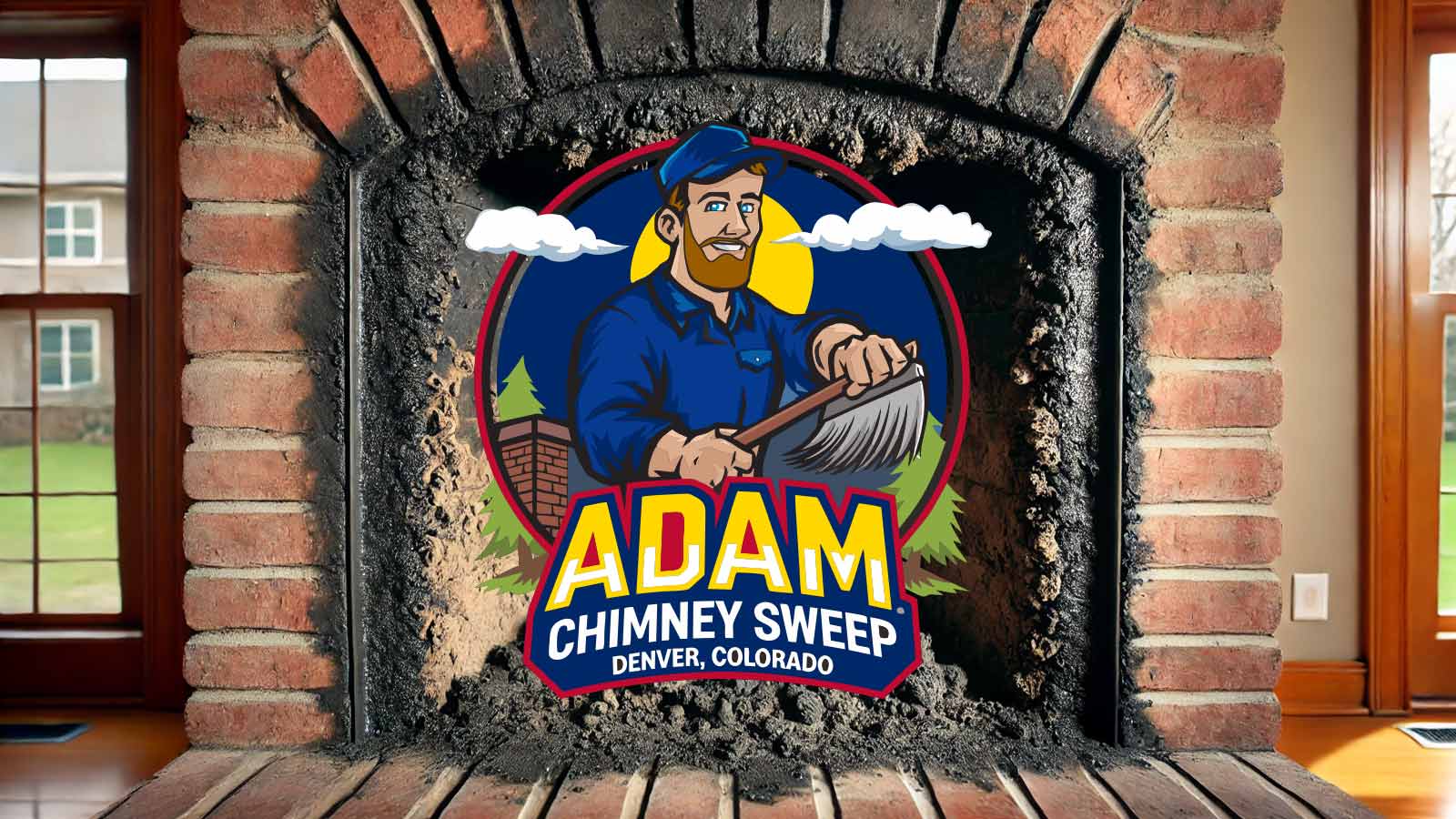
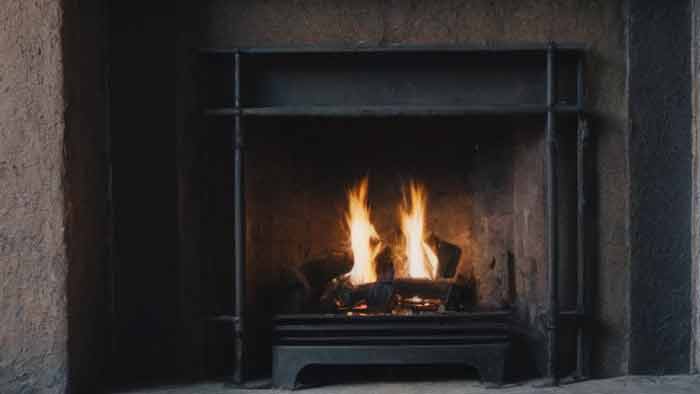 Creosote Buildup In A Fireplace
I've opened up flues in Denver homes where the homeowner swore they barely used the fireplace, and there was a quarter-inch of glazed creosote in there. It doesn't take a roaring fire every night. A few cool, smoky burns a week through a Colorado winter will coat a chimney fast.
- Adam, Owner, Adam Chimney Sweep
How Creosote Actually Forms
When wood burns, it gives off gases, water vapor, and bits of unburned fuel. All of that rises up the chimney and starts to cool as it climbs toward the top. As the smoke cools, those gases condense into a tar-like film that sticks to the flue walls and hardens over time. The colder the chimney, the faster it happens, which is exactly why Denver and the mountain towns west of us see so much of it.
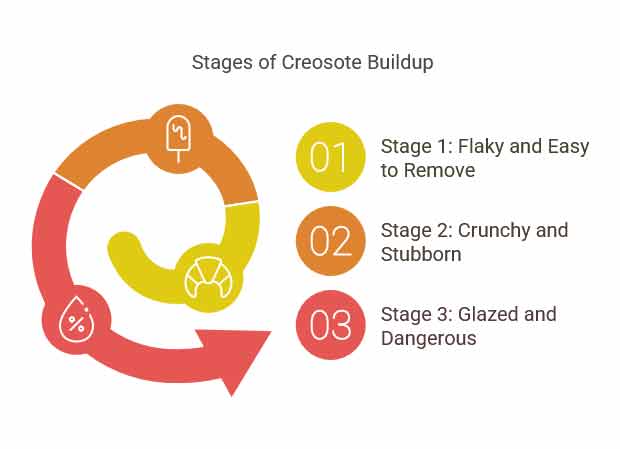 What Are Creosote Buildup Stages?
Creosote shows up in three stages, and each one is harder to deal with than the last:
- Stage 1: Flaky and Easy to Remove
Early on, creosote looks like a flaky, soot-like deposit. At this point a sweep can brush it right off without much trouble. - Stage 2: Crunchy and Stubborn
Left alone, it hardens into a crunchy, tar-like layer. Getting it out now takes specialized tools and a lot more elbow grease. - Stage 3: Glazed and Dangerous
The worst version is a thick, shiny glaze that bonds tight to the chimney walls. It's extremely flammable and usually needs a chemical treatment or professional removal to break loose.
Why Creosote Buildup Is Dangerous
Fire Hazard
Creosote catches fire easily. One stray spark or a spike in flue temperature can set it off, and a chimney fire can punch through into the rest of your home before you even smell smoke.
Reduced Efficiency
A coating of creosote chokes the airflow in your chimney, so your fireplace or stove has to work harder for less heat. You end up burning more wood to stay warm.
Carbon Monoxide Poisoning
When creosote blocks the flue, the exhaust has nowhere to go. That can push carbon monoxide back into your living space, and you won't see it or smell it coming.
Structural Damage
Given enough time, creosote and the heat from a flue fire can crack the liner and weaken the chimney itself, sometimes badly enough that sections start to fail.
Warning Signs of Creosote Buildup
Keep an eye out for these red flags that tell you creosote is getting out of hand:
- Black, sooty deposits you can see in the firebox or on the flue walls.
- A strong, smoky odor coming from the fireplace, especially on humid days. That usually means poor draft or a partial blockage.
- Weak draft that makes it hard to get a fire going or keep it going.
- Thick smoke rolling back into the room when you light a fire.
- Greasy black stains showing up around the chimney cap or the top of the flue.
If you're seeing two or three of these, don't wait for the next "convenient" time. A quick inspection now is a lot cheaper than what comes after a flue fire.
What Speeds Creosote Buildup Along
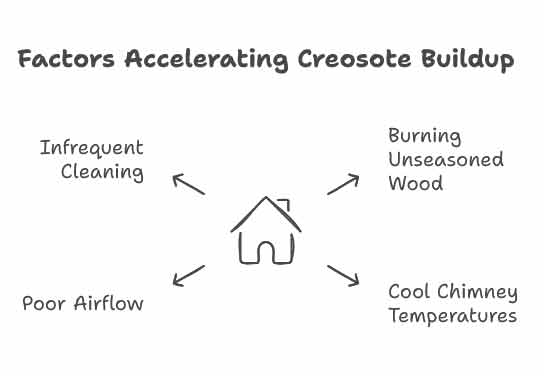 4 Factors Accelerating Creosote Buildup
- Burning unseasoned wood
Wet or green wood throws off way more smoke and water vapor, and that's prime fuel for fast creosote. - Cool chimney temperatures
A poorly insulated chimney cools off quickly, which lets the smoke condense before it ever reaches the top. Exterior masonry chimneys on the north side of a Denver house are notorious for this. - Poor airflow
A clogged cap or a partly closed damper starves the fire of air and lets creosote pile up. - Skipping regular sweeps
Put off cleaning long enough and the buildup just keeps stacking, stage by stage.
The number one thing I tell people in Denver is to check their firewood. If it hisses or the bark won't peel, it's not ready to burn. Wood needs to sit split and covered for at least a season out here. Burn dry wood hot and you cut your creosote problem in half before I ever show up.
- Adam, Owner, Adam Chimney Sweep
How to Prevent Creosote Buildup
- Burn seasoned firewood
Use wood that's been split and dried for at least six months. Seasoned wood lights easier, burns cleaner, and smokes less. - Keep the airflow open
Open the damper all the way and make sure the cap up top is clear of nests and leaves. - Use the right appliance
Modern EPA-certified stoves and fireplaces are built to burn more completely, so they leave behind a lot less creosote. - Book a yearly inspection
A once-a-year look from a certified sweep catches buildup while it's still easy to handle. - Install a chimney liner
A good liner holds heat in the flue, which keeps temperatures steady and gives creosote less of a chance to grab hold. - Don't overload the firebox
Giant, smoldering fires burn incompletely and pump out more creosote, not less. Smaller, hotter fires are the way to go.
Professional Creosote Removal: What to Expect
When a brush and a shop vac aren't cutting it anymore, that's where we come in. Here's how a typical creosote removal job runs:
- Inspection: We check how bad the buildup is and look the whole flue over for cracks or other trouble.
- Cleaning: Using brushes, vacuums, and the right tools for the stage we're dealing with, we scrub the deposits off the walls.
- Chemical treatment: For Stage 3 glaze, we apply a chemical agent that breaks down the hardened layer so it'll release.
- Final inspection: We go back over the chimney to confirm it's clean and there's nothing left hiding up there.
The Cost of Neglect: Real Examples
- Chimney fire in a mountain cabin
A Colorado homeowner skipped their annual cleaning, and the chimney caught fire. It tore through the flue and the roof and ran over $10,000 in repairs. - Carbon monoxide in a suburban home
Creosote plugged up the flue in a suburban house and the exhaust backed up. The family got carbon monoxide poisoning and pulled through only because their detector went off.
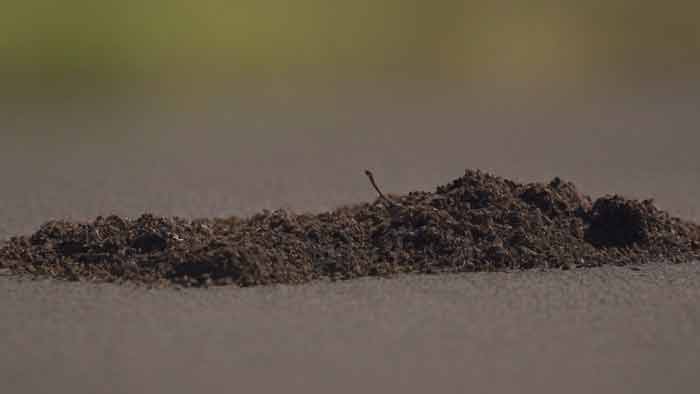 Macro Image Of Creosote Material
FAQs About Creosote Buildup
Q1: How often should I clean my chimney to keep creosote in check?
A: It depends on how much you burn, but the NFPA recommends a yearly inspection and a cleaning whenever it's needed. If you burn most nights through the winter, plan on cleaning every season.
Q2: Can I burn a cleaning log to get rid of creosote?
A: A cleaning log can knock down light buildup, but it won't replace a real sweep. Think of it as a helper between cleanings, not the cleaning itself.
Q3: Is creosote harmful to breathe?
A: Yes. Breathing creosote particles can irritate your lungs and lead to longer-term health problems, so you don't want it loose in the house.
Q4: My fireplace is brand new. Do I still need to worry about creosote?
A: You do. Age has nothing to do with it. Any chimney that burns wood makes creosote, new or a hundred years old.
Smarter Tools Behind Creosote Prevention
The chimney trade keeps getting better gear for fighting creosote:
- Smart chimney caps with sensors that watch airflow and flag a blockage before it gets bad.
- High-efficiency inserts built to burn fuel more completely, which means less creosote in the first place.
- Eco-friendly cleaning agents that break down deposits without the harsh chemistry.
Folks assume Stage 3 creosote means we have to tear the chimney apart. Most of the time we don't. We treat the glaze, let it work, and rod it out the same day. The real fix is what happens after, getting you on a yearly schedule so it never climbs back to that stage again.
- Adam, Owner, Adam Chimney Sweep
DIY Tips for Keeping Creosote Down Between Sweeps
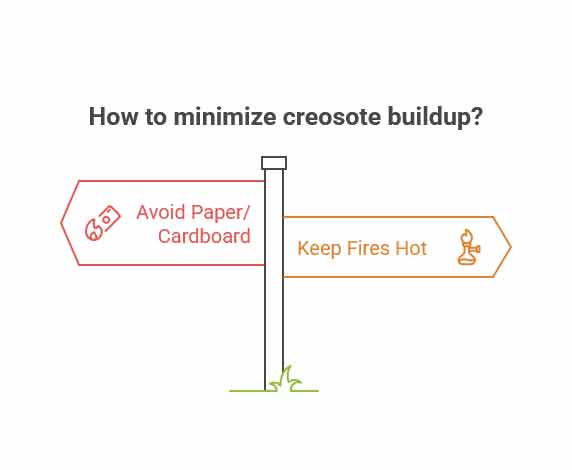
A professional cleaning is still the backbone of chimney safety, but there's plenty you can do on your own to slow creosote down between visits:
1. Burn the Right Way
- Skip paper and cardboard: They flash off fast and throw a lot of smoke and ash, which feeds creosote.
- Keep fires hot: A steady, hot fire burns wood more completely, so fewer unburned particles make it up the flue.
2. Put a Thermometer on the Flue
- A heat-resistant chimney thermometer lets you see the temperature inside the flue. You want it sitting between 250°F and 500°F. Drop below that and creosote starts forming.
3. Clean Out the Firebox
- Shovel out the ash and soot regularly so air can move and your wood burns clean.
4. Stick with Seasoned Hardwood
- Hardwoods like oak, maple, and birch burn hotter and cleaner than softwoods, so they leave behind less creosote. Around here, well-seasoned oak is hard to beat.
How Colorado Weather Plays Into Creosote
Chimneys in tough climates, think cold winters and big swings in humidity, get hit harder by creosote. Here's how our weather works against you:
Cold Climates
- In a place like Colorado, the fireplace runs for months at a stretch. The catch is that frigid outside air cools the smoke faster, so more of it condenses into creosote on the way up.
Humidity and Moisture
- Rain and damp air sneak moisture into the flue, where it mixes with soot and creosote into a sticky mess. A solid chimney cap keeps that water out.
High-Wind Areas
- Strong winds, which we get plenty of along the Front Range, can stall your draft and cause incomplete burns. Make sure your cap is bolted down tight and in good shape.
Creosote and Different Heating Appliances
What you're burning in makes a big difference in how fast creosote builds.
Traditional Fireplaces
- Open fireplaces usually draft less efficiently, so they smoke more and lay down creosote faster.
Wood Stoves
- Newer wood stoves burn far cleaner and make less creosote. Older models, though, can still cake a flue if you're not careful.
Pellet Stoves
- These run on compressed sawdust pellets and wood waste, and they barely produce any creosote at all.
Gas Fireplaces
- Gas fireplaces don't make creosote because there's no wood involved, but they still need regular inspections to keep the venting clear and the unit safe.
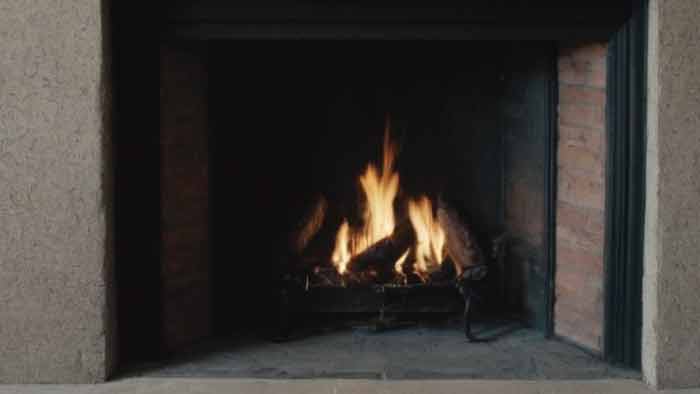 Make Sure To Remove The Creosote.
How to Pick a Chimney Sweep You Can Trust
The company you hire makes or breaks the job. Here's what to look for before you let anyone up on your roof:
- Certifications
- Look for technicians certified through the Chimney Safety Institute of America (CSIA) or a comparable group.
- Experience
- Go with a company that has a real track record in cleaning and repair, not a side gig that pops up every winter.
- References and reviews
- Read the reviews and ask for references so you know how they treat customers.
- Full-service shop
- Pick a company that handles inspections, cleaning, and repairs under one roof, so your chimney gets looked after start to finish.
If you'd rather just talk it through, give Adam a call at (720) 207-9232 and we'll tell you straight what your chimney needs.
Common Creosote Myths, Busted
Bad information leads to neglect, and neglect leads to fires. Let's clear up a few of the myths we hear most:
- Myth 1: "Creosote only shows up in old chimneys."
- Truth: Any chimney builds creosote, no matter how new it is.
- Myth 2: "Burning aluminum cans cleans the chimney."
- Truth: That does nothing for creosote and can damage your flue. Skip it.
- Myth 3: "I barely use my fireplace, so I don't need an inspection."
- Truth: Even light use builds creosote and can lead to blockages. A yearly inspection is still worth it.
Creosote in Older and Historic Homes
Denver has no shortage of older homes, and their chimneys need a little extra attention:
Challenges
- Aging masonry: Cracked brick and crumbling mortar give creosote more places to cling and more ways to do damage.
- Outdated flues: Narrow or beat-up flues choke the airflow, and that means more smoke and more buildup.
Solutions
- Chimney relining: Dropping in a modern stainless steel liner improves the draft and cuts down on creosote.
- Routine maintenance: With an older chimney, staying on top of inspections and cleanings matters even more.
Better Tools for Beating Creosote
The trade keeps coming up with smarter ways to handle creosote:
- Rotary cleaning systems
- These spinning brushes work fast and knock loose even the stubborn deposits.
- Chimney cameras
- High-definition cameras let us see deep into spots you'd never reach by hand, so nothing slips past.
- Creosote-reducing logs
- These release compounds that soften light creosote and make the next cleaning go quicker.
- Catalytic combustors
- Built into many stoves, these help the fire burn more completely, which means less creosote.
How Creosote Affects the Environment
Creosote isn't just your problem. It reaches past your roofline, too.
Air Pollution
- When a creosote-coated chimney burns inefficiently, it sends particulates and harmful gases into the air. That drags down local air quality and can aggravate breathing problems for the neighbors.
Contaminated Soil and Water
- Dumping creosote-laden debris the wrong way lets it leach into soil and water, which is bad news for plants, animals, and people. Let a pro handle the waste.
Cleaner Habits
- Burning seasoned wood and running a modern stove cuts creosote way down and shrinks your chimney's footprint.
When Creosote Turns Into an Emergency
Chimney Fires
- Creosote is the leading cause of chimney fires. They burn ferociously hot and can jump to the rest of the house in minutes.
Carbon Monoxide Poisoning
- A flue plugged with creosote can trap carbon monoxide, which you can't see or smell, right inside your home. A working detector is non-negotiable.
Structural Damage
- Creosote plus moisture eats away at your chimney over time. Cracks and leaks can show up and eventually put the whole structure at risk.
What Creosote Neglect Can Cost You
Letting creosote go can turn into some serious bills. Here's a rough breakdown of what's on the line:
| Issue | Estimated Cost | Prevention Tip |
|---|---|---|
| Chimney Fire Damage | $10,000–$50,000 | Annual cleaning and inspection |
| Carbon Monoxide Remediation | $500–$1,000 | Install detectors and keep the flue clear |
| Chimney Relining | $2,500–$5,000 | Deal with creosote before it ruins the liner |
| Brick-and-mortar repairs | $1,000–$3,000 | Keep moisture out by cleaning regularly |
Spending a little on yearly maintenance saves you a lot of money and a lot of headaches down the road.
Creosote Prevention by Season
Shift your habits with the calendar and you'll keep creosote down all year.
Spring & Summer
- Book your inspection: Use the off-season to get your cleaning and inspection on the books before everyone else does in the fall.
- Seal up the cap: Keep animals and debris out during the months the fireplace sits idle.
Fall
- Test the draft: Make sure the chimney's pulling air right before the heating season kicks off.
- Stock good firewood: Lay in your seasoned wood now so it's ready for winter.
Winter
- Watch your fires: Steer clear of slow, smoldering fires that burn dirty and build creosote.
- Keep it hot: Burning hot keeps the flue warm and gives creosote less chance to condense.
Local Creosote Stories From the Field
A Cabin Near Grand Mesa
A homeowner about half a mile south of Grand Mesa had smoke backing into the cabin from a bad creosote blockage. They called us right away. We cleaned and inspected the flue and pulled out a dangerous Stage 3 buildup, and their chimney was drawing properly again by the time we left.
A Historic Home in Fruita
An older home near Fruita, roughly 0.3 miles from the Dinosaur Journey Museum, had heavy creosote damage in its masonry chimney. We relined it with a modern stainless steel liner, which gave them a strong draft and far less creosote going forward.
A Ski Chalet Near Powderhorn
A chalet up by Powderhorn Ski Resort needed an emergency cleaning after thick smoke poured into the living room. We traced it to a faulty damper paired with heavy creosote. We sorted both, and the owners got back to a warm, safe winter retreat.
Your Creosote-Free Fireplace Checklist
Run through this list to keep your chimney safe and creosote-free:
- ✅ Burn only seasoned hardwood.
- ✅ Schedule annual inspections.
- ✅ Install a chimney cap for moisture and debris protection.
- ✅ Skip the trash, cardboard, and glossy paper.
- ✅ Keep hot, steady fires for clean combustion.
- ✅ Use creosote-reducing logs as a backup, not a replacement.
- ✅ Clean out the firebox and ash box regularly.
Where Chimney Safety Is Headed
The industry keeps rolling out new tech to get ahead of creosote.
AI-Assisted Inspections
- Camera systems with AI can spot creosote and structural trouble in real time, right as we scan the flue.
Cleaner-Burning Solutions
- Newer biofuel stoves and clean-burn technology aim to cut creosote production down to almost nothing.
Self-Cleaning Systems
- Some modern chimneys come with built-in mechanisms that shave down creosote on their own.
At the end of the day, creosote is more than a chore on your to-do list. It's a safety issue that rewards staying ahead of it. Learn the risks, clean on a schedule, and keep an eye on the new tools, and your chimney will stay safe and efficient for years. You can also read up on safe wood-burning straight from the EPA's Burn Wise program, or schedule a visit with us anytime.
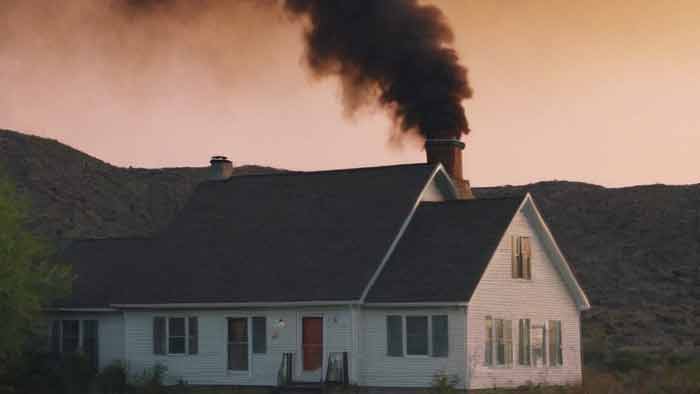 Fire Hazard With Creosote Buildup
A Clean Chimney Is a Safe Chimney
Taking care of your chimney isn't only about getting more heat out of it. It's about keeping your home and your family safe from creosote buildup, chimney fires, and carbon monoxide. Yearly inspections, a real professional cleaning, and good wood-burning habits keep your fireplace running safely and well. Wherever you are around Denver, whether you're near a historic landmark, a scenic drive, or right in the middle of your neighborhood, Adam Chimney Sweep is ready to help you keep things safe and cozy all year. Call us at (720) 207-9232 and we'll get you taken care of.
You'll find more on what causes home fires over at the National Fire Protection Association.