Gas Fireplace Services and Installation in Colorado
 Gas fireplace services cover everything from picking the right unit to the install, the yearly tune-up, and the repair call when the pilot won't catch on a cold morning. More Colorado homeowners are going gas every year, and it's easy to see why. You get the look and warmth of a real fire without hauling wood, sweeping ash, or babysitting a flue full of creosote. Flip a switch and you've got heat. This guide walks through the whole picture, written for our weather and our homes here in the Denver area.
I've been installing and servicing fireplaces around the Front Range since 2001, so most of what's below comes straight off the job, not out of a brochure. If something here raises a question about your own setup, call me at (720) 207-9232 and I'll talk you through it.
Why Homeowners Pick a Gas Fireplace
Gas has a few real advantages over an old wood-burning setup, and they show up the first week you own one:

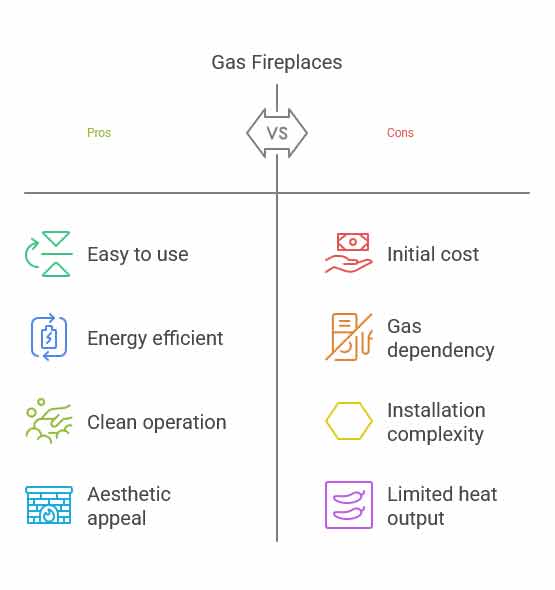 Gas Fireplaces Pros And Cons Chart
- Dead simple to run: A flip of a switch or a press on the remote and you're warm. No splitting wood, no shoveling out ash, no waiting for kindling to catch.
- It keeps the heat: A lot of gas units run between 75% and 90% efficient, so the warmth stays in your living room instead of going up the chimney.
- Cleaner burn: Gas puts out far less than wood does, which is easier on your lungs, your walls, and the air outside.
- Looks the part: They come in enough styles, sizes, and finishes that you can match pretty much any room, old house or new build.
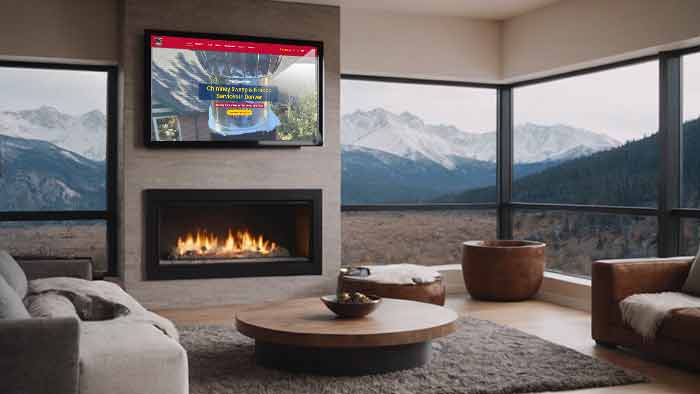 Affordable Gas Chimney Services And Installation
I'll be straight with you. The thing folks fall in love with isn't the BTU rating, it's January at six in the morning when the house is freezing and you don't have to go outside for wood. You press a button from the couch and there's fire. I've put these in for a lot of older customers who were done climbing around with kindling, and not one of them has ever looked back.
- Adam, Owner, Adam Chimney Sweep
Types of Gas Fireplaces
1. Direct Vent Fireplaces
Direct vent is what I put in most Colorado homes, and for good reason. The unit pulls its combustion air from outside and sends the exhaust right back out, so it's sealed off from the room. That makes it both efficient and about as safe as a gas appliance gets.
Where it shines:
- Works great in a tight, well-insulated house since it isn't fighting your indoor air.
- Comes in a huge spread of designs and finishes.
- Goes into rooms that never had a chimney, because it vents straight out a wall or up through the roof.
2. Ventless Fireplaces
Ventless units skip the chimney and the venting altogether, so you can drop one into almost any room. The trade-off is that they send their combustion gases back into the house, and that gives some homeowners pause. They're fine in the right spot with the right room size and a working carbon monoxide detector, but I'll always walk you through whether your room is a good fit before we go that route.
Where it shines:
- Cheaper to buy and quick to put in.
- Adds heat to a room that has no way to vent and no chimney to work with.
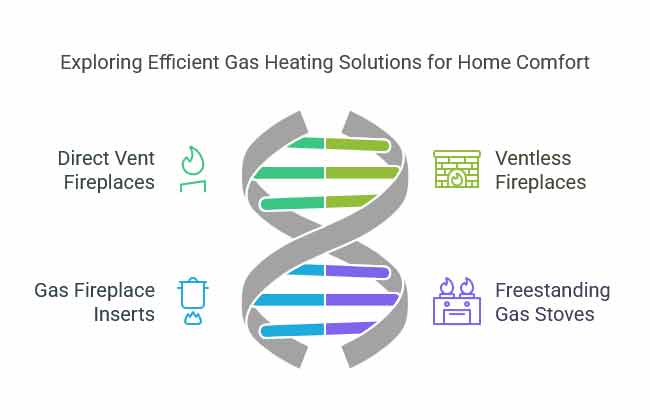 Exploring Efficient Gas Heating Solutions For Colorado Homes
3. Gas Fireplace Inserts
An insert slides into your existing wood-burning fireplace and turns it gas. This is the upgrade I do most often, because you keep the brick and the mantel you already love and just change what's burning inside. No tearing out the old fireplace, no rebuilding the wall.
Where it shines:
- Seals off that big drafty wood flue, so you stop losing heated air up the chimney.
- Marries modern efficiency to the look of the hearth you've already got.
4. Freestanding Gas Stoves
These look like the old wood stoves your grandparents had, but they run on gas and throw real heat. If you want that cabin feel without the woodpile, a freestanding stove gets you there.
Where it shines:
- Small footprint, and you can set it almost anywhere with a gas line.
- A good match for tight homes, additions, or a mountain cabin.
Gas Fireplace Installation: What to Expect
Putting a gas fireplace into your Colorado home is a step-by-step job, and a good installer takes each one seriously so the thing is safe, efficient, and looks right when it's done. Here's how a typical install goes:
- Planning and permits. I come out, look at the room, and figure out the best unit and the best spot for it. Room size and layout matter, so does where your gas line and power are, and we sort out the local code and permit before anything gets cut.
- Gas line work. A licensed tech runs or modifies the gas line that feeds the fireplace. Done right, this is what keeps you safe and keeps the install legal.
- Venting. Direct vent and ventless units each have their own rules. For a direct vent model we run the vent pipe out through the wall or up through the roof, sealed and pitched the way the manufacturer calls for.
- Sealing and testing. Once it's set, we seal every connection against leaks and test the whole system before we hand it over. Nothing gets signed off until it passes.
- The finish work. Then comes the part you actually see, the mantel, the stone or tile face, the cabinetry, whatever ties it into the room.
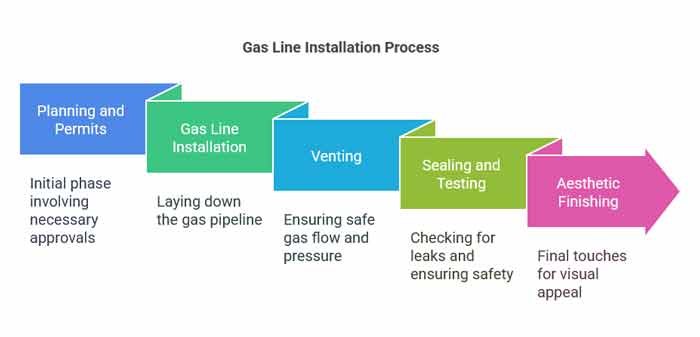 Gas Fireplace Installation Process Chart
Gas Fireplace Maintenance and Servicing
Keeping up with maintenance is what keeps a gas fireplace running clean and safe year after year. Colorado's climate doesn't make it easy, either. The deep cold leans hard on the unit all winter, and the dust we get the rest of the year settles into burners and vents where you'd never think to look.
Annual Inspections
Have a pro check the fireplace once a year. When I'm out for a service call, here's what I'm looking at:
- Gas lines, checked for any leak.
- The pilot light and whether it's holding.
- How the burner's firing and whether the flame is even.
- The venting, top to bottom, for blockage or damage.
Cleaning the Fireplace
Gas leaves a lot less behind than wood, but it isn't zero. Stuff still builds up, and a few parts need a wipe-down now and then to keep things looking and burning right:
- Glass doors: Soot hazes them over, so we clear it for a clean view of the flame.
- Burners and logs: Dust throws the flame off. Clearing it brings the burn back to even.
- Vent pipes: We check for anything blocking them or any damage that's crept in.
People hear gas and figure there's nothing to maintain. I get it, it's not sooty like wood. But a spider can build a web right across a pilot orifice over the summer, and come fall that little nest is enough to keep your fireplace from lighting. Ten minutes of cleaning in October saves you a cold night and a service call in December. I'd rather catch it on a sunny day than have you call me when it's nine degrees out.
- Adam, Owner, Adam Chimney Sweep
Common Issues and Troubleshooting
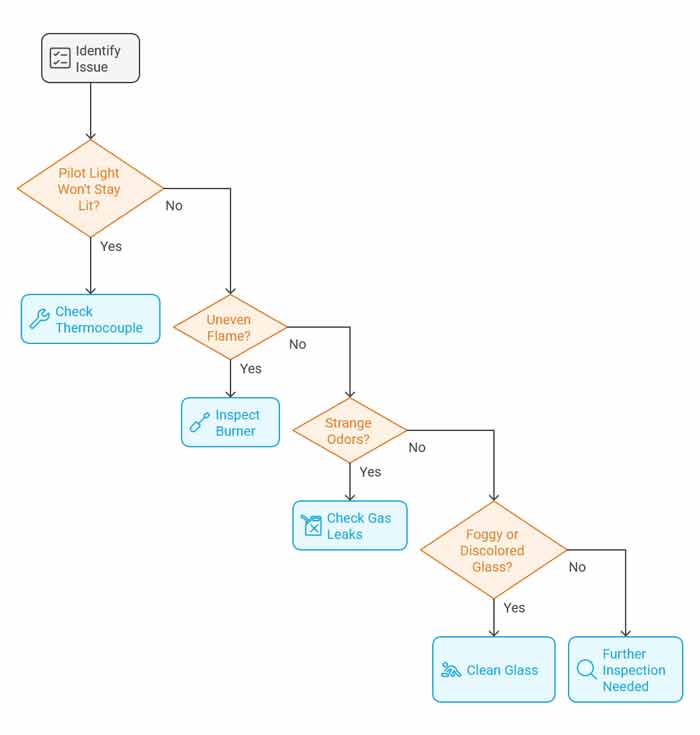 Learn How To Identify Fireplace Issues
1. Pilot Light Won't Stay Lit
Nine times out of ten this is a bad thermocouple or a gas-supply problem. It's a common fix, but it's worth having a tech pin down the real cause instead of guessing, since the pilot is your safety check.
2. Uneven Flame
A flame that's lazy on one side usually means the burner ports are clogged or the gas pressure is off. A good cleaning or a pressure adjustment normally evens it back out.
3. Strange Odors
If you catch a gas smell or anything sharp and off, don't wait on it. Shut the fireplace down and call a technician right away. It could be a leak or bad combustion, and that's not something to sit on.
4. Foggy or Discolored Glass
That film on the glass is condensation and residue settling in over time. A cleaner made for fireplaces takes it right off and you're back to a clear view.
Environmental Benefits of Gas Fireplaces
A lot of folks around here think about their footprint, and gas has some honest advantages on that front:
- Lower emissions: Natural gas and propane put out fewer greenhouse gases than burning wood does.
- Less waste: Far more of the energy turns into heat for your house instead of going up the flue.
- Cleaner air: You skip the fine particulate that wood smoke throws off, which matters on the Front Range where we already fight bad air days.
That last point is worth a note. The Colorado Department of Public Health and Environment calls burn-ban days through the winter when the air gets bad, and on those days you can't legally use a wood fire. A gas fireplace is exempt, so it keeps heating your house on the very days a wood stove has to sit cold. If you want to read the rules yourself, the Colorado Department of Public Health and Environment lays out the current standards.
Cost of Gas Fireplace Installation and Service in Colorado
What you'll spend to put one in or keep one running comes down to a handful of things, mainly the type of unit, how involved the install is, and the materials you pick.
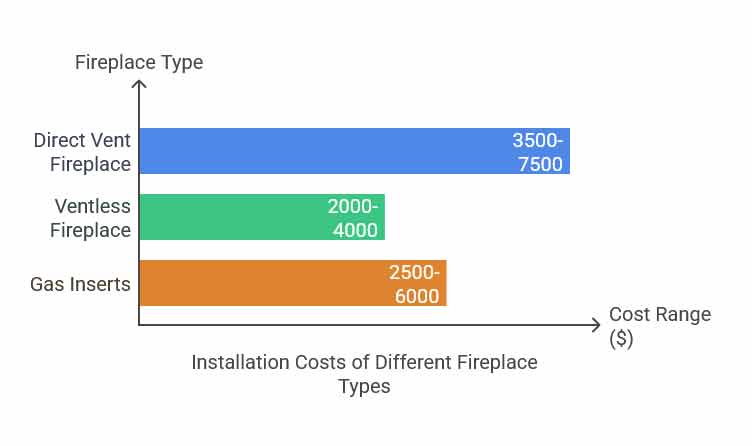 Installation Cost Diagram
Installation Costs
- Direct Vent Fireplace: $3,500–$7,500.
- Ventless Fireplace: $2,000–$4,000.
- Gas Inserts: $2,500–$6,000.
Maintenance Costs
- Annual inspection and cleaning: $150–$300.
- Repairs: $200–$1,000, depending on what's wrong.
Newer Features and Trends in Gas Fireplaces
Today's gas fireplaces have come a long way from the clunky units of twenty years ago. The newer ones bring real features and cleaner looks, and Colorado homeowners are asking for them by name. Here's what's worth knowing about the features, the brands, and the styles people are putting in.
Top Features of Modern Gas Fireplaces
1. Electronic Ignition Systems
The days of fumbling with a manual pilot are mostly behind us. A lot of units now light electronically, which you run off a remote or a smart thermostat. What that buys you:
- Tight temperature control instead of full-on or full-off.
- Scheduling, so the room is warm before you walk in.
- No standing pilot burning gas around the clock, which trims the bill.
2. Clean-Face Designs
Newer units often go with a clean face, meaning thin framing and a big window onto the fire. It's a simple, sharp look that works whether your house is modern or traditional, and the flame becomes the thing you notice.
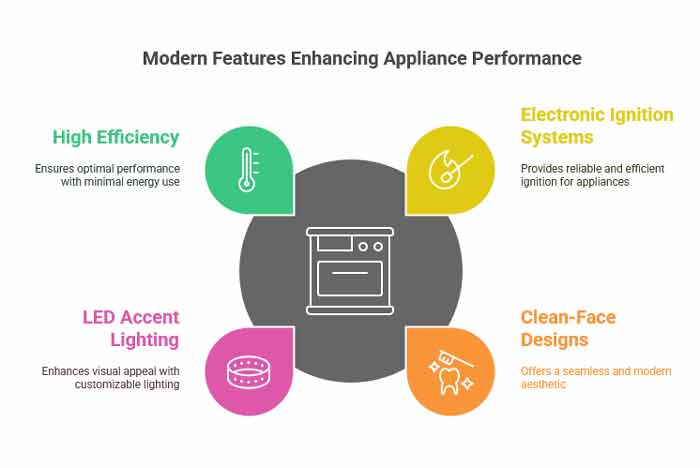 Modern Features Enhancing Appliance Performance Diagram
3. LED Accent Lighting and Customizable Media
LED accent lighting lets you set the mood, dialing the glow up or down to suit the room. Pair that with the media you choose, colored glass, driftwood, or a realistic log set, and you get a look that's yours.
4. High Efficiency and Heat Output
These units are built for a Colorado winter. Efficiency ratings run as high as 99.9%, and heat output lands somewhere between 25,000 and 40,000 BTUs, so they warm a room of just about any size without running your energy costs through the roof.
Leading Brands for Colorado Homes
Picking a solid brand goes a long way toward being happy with your fireplace down the road. These are the names I trust and install:
1. Napoleon
Napoleon has a reputation for sharp design and strong performance, and their gas fireplaces come in plenty of styles. Most of their models carry good electronic ignition and high efficiency numbers.
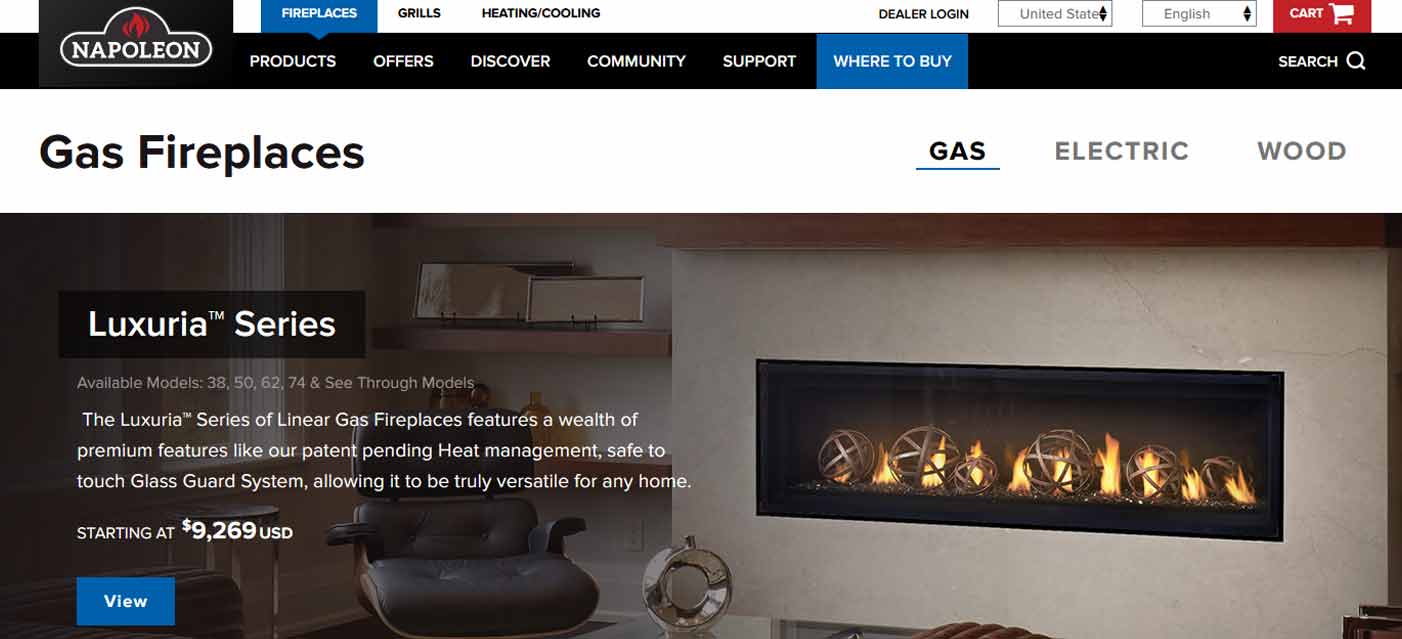 Series Of Linear Gas Fireplaces Features A Wealth Of Premium Features
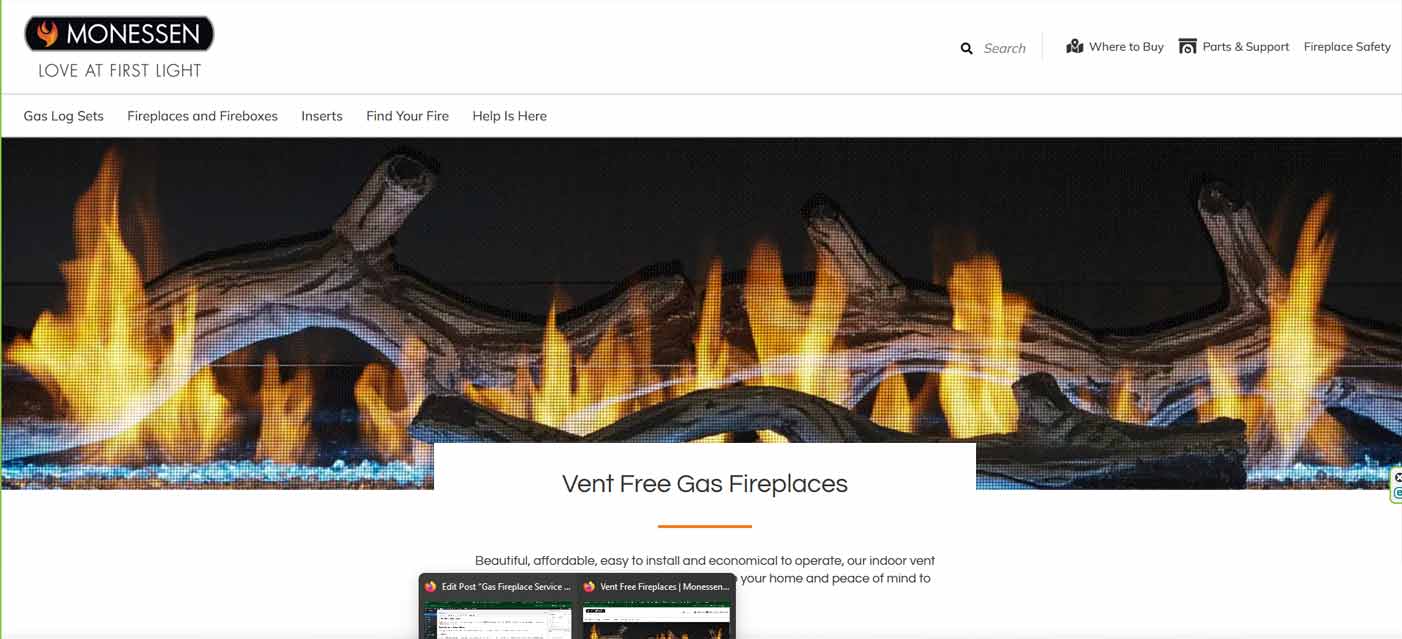
2. Monessen
Monessen builds around convenience, with vent-free options and designs you can tailor. They're a good call for a house that never had a chimney.
 Vent-Free Fireboxes Are Best For…
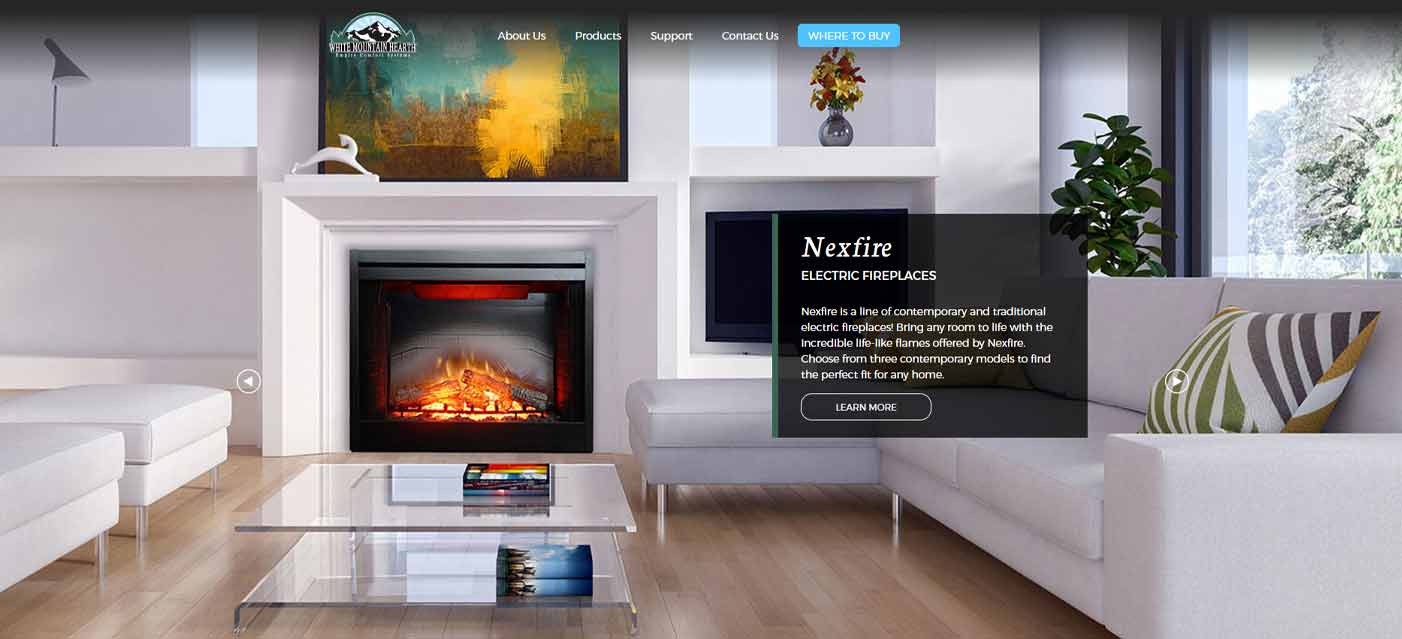
3. Empire White Mountain Hearth
Empire puts its effort into flames and log sets that genuinely pass for wood. Their see-through and multi-sided units are popular in newer open layouts.
 Gas Fireplaces By Empire White Mountain Hearth
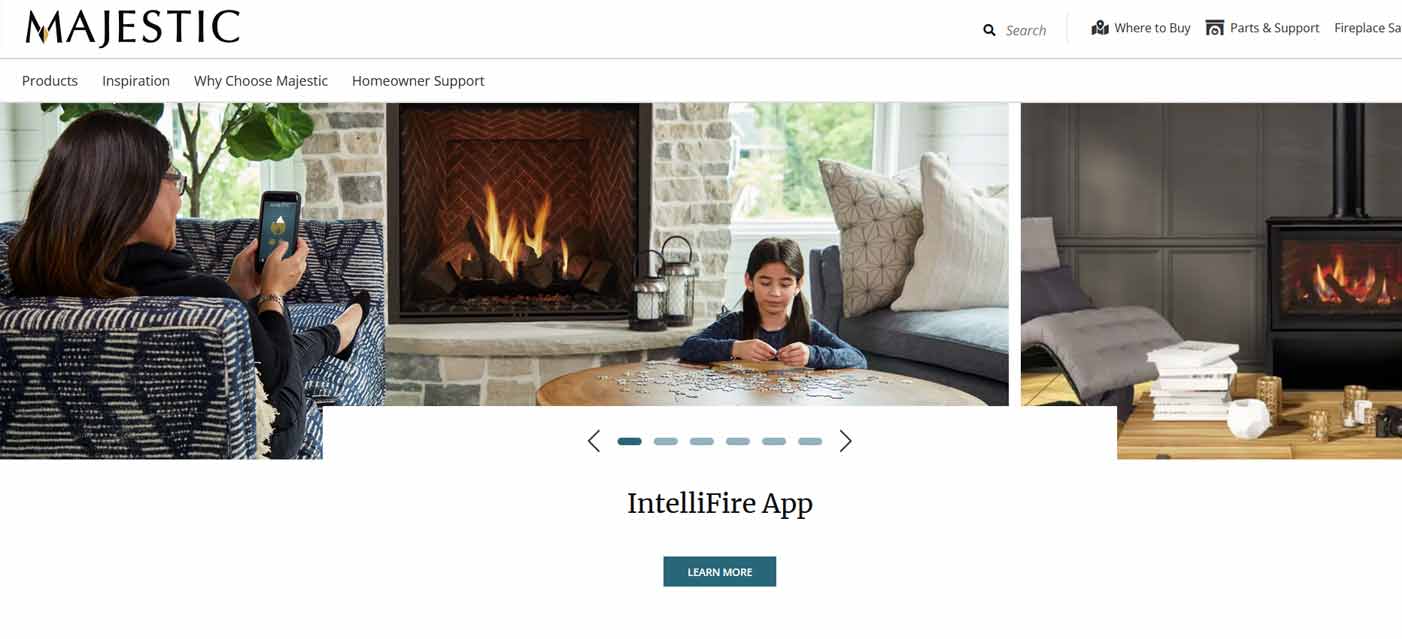
4. Majestic
Majestic fireplaces pair old-school craftsmanship with newer tech, and their models drop into a lot of different home styles without looking out of place.
 Traditional Gas Fireplaces
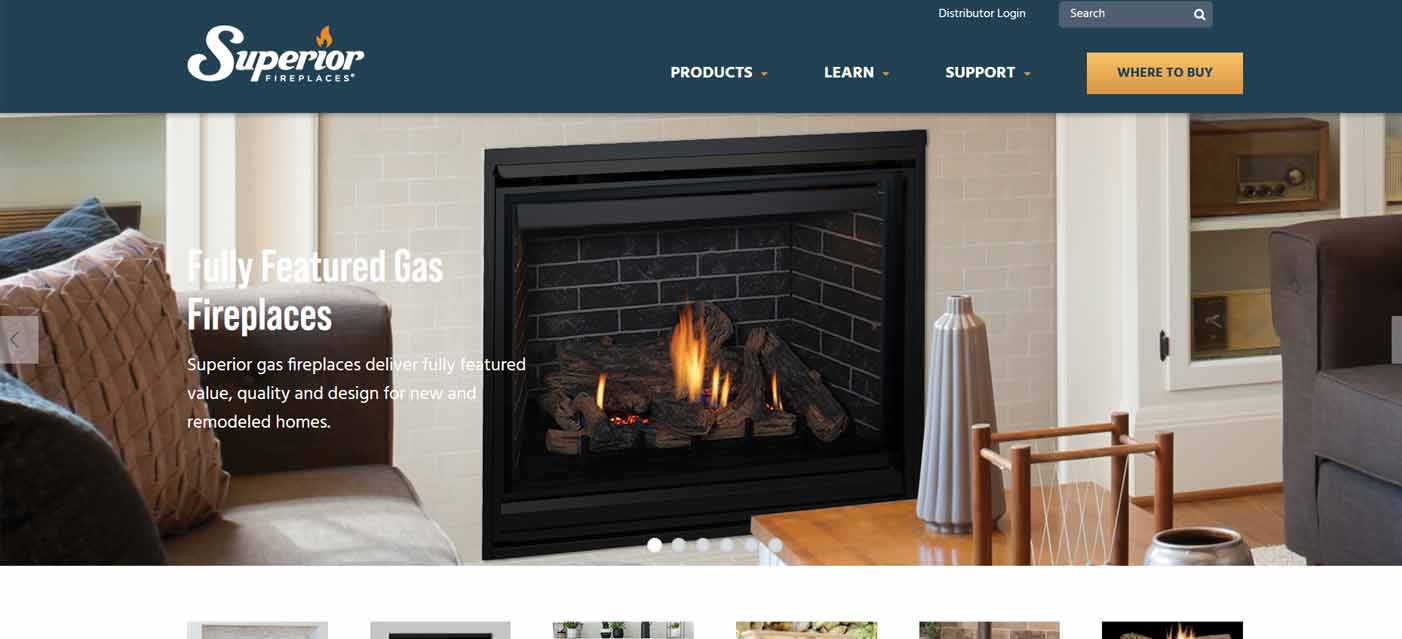
5. Superior
Superior leans clean and modern, and their fireplaces hit the mark for homeowners who want good looks and solid heat in one unit.
Fully Featured Gas Fireplaces
Popular Styles for Gas Fireplaces
1. Linear/Contemporary Models
Long, low, and sleek, these are made for modern homes. Clean lines, glass media, LED lighting you can tune, the whole thing reads like a piece of the room's design rather than just a heater.
2. Traditional Models
If what you want is the classic hearth feel, a traditional gas unit gives you realistic logs and rich detail that reads like a wood fire from across the room.
3. See-Through and Multi-Sided Models
These are great for splitting two rooms or anchoring an open floor plan, since you see the flame from more than one side. They add a nice bit of polish to whatever space they sit in.
Key Benefits of Gas Fireplaces
1. Clean-Burning and Smoke-Free
No ash, no soot, no smoke. That makes a gas fireplace easy on the house and easy on you, with next to no cleanup.
2. Easy to Install
Ventless options in particular go in quick, even in a home that's never had a chimney.
3. Remote Control Operation
Run the fireplace from a remote or a phone app, and on a lot of units a smart thermostat handles the temperature for you so you're not getting up to adjust it.
4. Heat You Can Count On
Models with a battery backup keep working when the power's out, which is exactly when you want them most. That's no small thing during a Colorado storm.
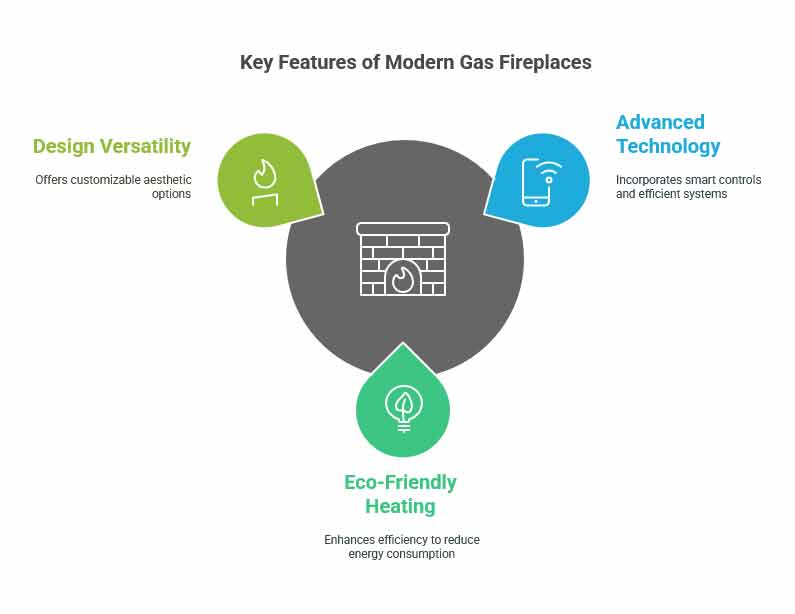 Modern Gas Fireplaces In Colorado Diagram
Last winter I had three calls in one week from folks who'd lost power in a storm, and the ones with a battery-backup gas insert were the warm ones. Their furnace was dead like everybody else's, but the fireplace kept the main room livable until the lights came back. If you live up in the foothills where the power's spotty, that backup feature is worth every dollar. I tell people to spend there before they spend on the fancy glass.
- Adam, Owner, Adam Chimney Sweep
Where Gas Fireplaces Are Headed
Colorado homeowners keep gravitating toward units that look modern but still throw serious heat. The newest models lean into a few things:
- Smarter controls: Wi-Fi operation, smart-home tie-ins, and ignition systems that sip gas instead of guzzling it.
- Greener heating: Higher efficiency means less fuel burned for the same warmth.
- Design range: You can spec anything from a rustic, log-filled box to a sleek glass linear unit, depending on your taste.
Why Professional Installation Matters
Setting up a gas fireplace takes know-how to get safety, code, and performance all right at once. A real installer will:
- Size up your gas line and what the venting needs to be.
- Install the unit to the maker's exact specs, not a close-enough version.
- Run the safety tests that catch a leak before it becomes a problem.
Going with a licensed, experienced installer matters even more here than it does at sea level. Our altitude actually changes how gas burns, so a unit has to be set up for it. We swap the orifice and tune the air-to-gas mix for our elevation on every install, and that's the difference between a clean blue flame and glass that keeps fogging up. A fireplace dialed in for sea level will burn lazy and sooty up here at five thousand feet, so this isn't a place to cut a corner.
Getting More Out of Your Gas Fireplace
Gas units are already efficient, but a few habits squeeze more out of them in our up-and-down climate.
1. Run a Programmable Thermostat
A programmable or smart thermostat holds a steady temperature and cuts the waste. Set it to ease off while you're out and warm the place back up before you're home.
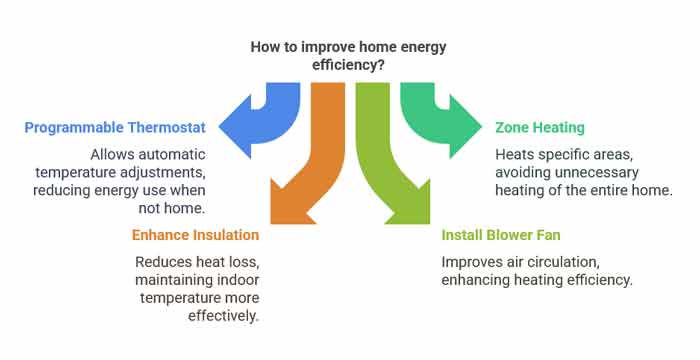 Learn How To Improve Fireplace Efficiency
2. Heat the Room You're In
Gas fireplaces are made for zone heating. Warm the room you're actually using and turn the house thermostat down for the rest. It's an easy way to trim the bill without feeling cold.
3. Tighten Up the Insulation
Better insulation means less heat slipping out, so the fireplace holds a comfortable room with less effort. Worth doing whether you burn gas or not.
4. Add a Blower Fan
A blower pushes the warm air around so the heat spreads even instead of pooling near the unit. A lot of newer fireplaces have one built in, and on the rest it's an easy add-on.
Gas Fireplace Safety Tips for Colorado Homes
Gas is generally safer than wood, but you still want to play it smart. A few rules I give every customer:
1. Put Up Carbon Monoxide Detectors
Even a clean-burning unit can leak carbon monoxide if something fails. Put a detector on every floor of the house and check the batteries when the clocks change.
2. Get a Yearly Inspection
An annual check by a certified tech keeps the gas line, burners, and vents doing their job the way they should.
3. Keep Flammable Stuff Back
Give the fireplace room. Keep furniture, drapes, and decorations a safe distance off so nothing catches that shouldn't.
4. Childproof It
The glass on these gets hot and stays hot a while after you shut it off. If you've got little ones, a safety screen keeps small hands off the glass.
Customizing Your Gas Fireplace
One of the best parts of going gas is how much you can make it your own. You get to pick features and finishes that fit your house and how you live.
Media Options
- Traditional log sets: Ceramic or fiber logs that read like a real wood fire.
- Glass crystals: Colored glass for a sharper, more modern look.
- Driftwood: A favorite for rustic or coastal rooms.
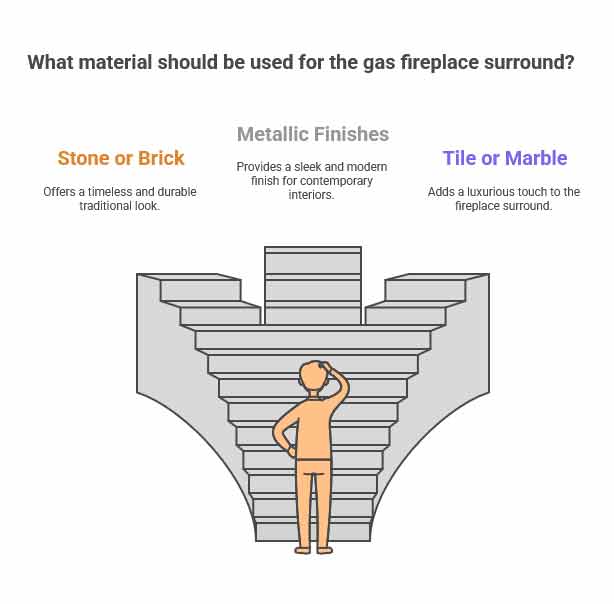 What Material Should Be Used For The Gas Fireplace Surround?
Surround Materials
- Stone or brick: Classic and tough, the look that never really goes out of style.
- Metallic finishes: Clean and modern for a contemporary room.
- Tile or marble: A little extra polish around the opening.
Built-In Features
A lot of newer fireplaces come with extras baked in, like:
- Wi-Fi so you can run it from your phone.
- Adjustable LED lighting to set the glow.
- Recessed installs that sit flush for a clean, minimal look.
Gas Fireplace Services and Comprehensive Costs for Colorado in 2025
Gas fireplaces keep gaining ground in Colorado for the clean burn and the good looks. Whether you're putting in a brand-new unit, upgrading what you've got, or just keeping an old one happy, knowing the costs going in saves you from surprises. Here's the breakdown of what's involved and what it runs.
Product Costs
The unit you pick drives a big chunk of the total. Here's a table of 2025 prices on the common options:
| Product Type | Price Range | Key Features |
|---|---|---|
| Standard Gas Fireplace Insert | $1,500 – $3,500 | Efficient heating, modern designs, suitable for retrofitting. |
| Gas Log Fireplace Insert | $200 – $1,500 | It is affordable, adds ambiance, and has minimal heat output. |
| Ventless Units | $700 – $2,500 | Easy installation, no venting required. |
| Vented Units | $2,500 – $3,500 | Realistic flames and venting ensure safe operation. |
Installation Components
An install is made up of several pieces, and each one adds to the complexity and the cost:
| Component | Cost Range | Details |
|---|---|---|
| Gas Line Installation | $350 – $2,000 | For homes without an existing gas connection. |
| Gas Line Extension | $250 – $500 | Extending an existing line to the fireplace location. |
| Venting/Chimney Work | $1,000 – $6,000 | Includes direct vent or chimney relining. |
| Mantel Addition | $500 – $5,000 | Custom mantels enhance the fireplace's aesthetic appeal. |
| Glass Doors | $600 – $2,000 | Protects the unit and increases efficiency. |
Installation Costs
Professional installation is what keeps you safe, up to code, and running right. Here's the breakdown:
| Service | Cost Range | Notes |
|---|---|---|
| Basic Installation | $1,200 – $6,000 | Includes labor, venting, and basic setup. |
| Permit Fees | $100 – $400 | Required by local authorities for safety inspections. |
| Professional Labor Rate | $83 – $151 per hour | Rates vary based on experience and project complexity. |
| Total Project Costs | Cost Range | Details |
|---|---|---|
| Budget-Friendly Options | $496 – $5,300 | Simple installations with minimal components. |
| Standard Installations | $2,300 – $10,000 | Includes high-quality units and professional labor. |
| High-End Installations | $8,450 – $26,816 | Custom designs, advanced features, and premium materials. |
Annual Operating Costs
Once it's in, you've got the running costs, fuel and upkeep. Here's what that looks like in Colorado:
Fuel Costs
| Fuel Type | Cost Per Hour | Estimated Monthly Use | Seasonal Use (3-4 Months) |
|---|---|---|---|
| Natural Gas | $0.35 – $0.50 | $40 – $190 | $120 – $760 |
| Propane | $0.50 – $1.05 | $60 – $250 | $180 – $1,000 |
Maintenance Costs
| Service | Cost Range | Details |
|---|---|---|
| Annual Service | $195 – $230 | Includes inspection, cleaning, and minor adjustments. |
| Common Repairs | $100 – $2,000 | Costs depend on the extent of damage or required parts. |
| Pilot Light Replacement | $100 – $350 | Common repair for ignition issues. |
| Thermocouple Replacement | $150 – $350 | Essential for ensuring safe and efficient operation. |
What Drives the Final Cost
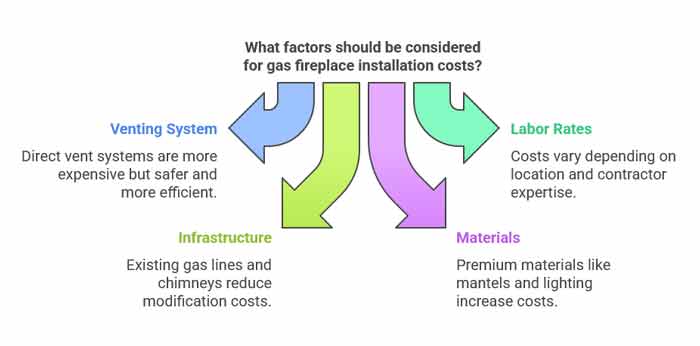 What Factors Should Be Considered For Gas Fireplace Installation Costs?
A few things move the number up or down on any install or service job:
- The venting system: Direct vent costs more up front but it's safer and more efficient over the long haul.
- Local labor rates: What you pay shifts with your location and the contractor's experience.
- What's already there: A house with an existing gas line and chimney needs fewer changes, so it costs less.
- Materials and finishes: Nicer mantels, glass doors, and LED lighting all add up.
- Permits and inspections: Local rules can call for extra approvals or safety checks.
How Gas Fireplaces Fit Colorado Living
A gas fireplace earns its keep in a Colorado home. It brings comfort and a bit of style while trimming what you spend to stay warm. With features like electronic ignition, custom designs, and high efficiency, these units handle a wide range of needs.
City condo or mountain town cabin, a fireplace put in by a pro keeps your place warm and welcoming right through the year.
FAQs About Gas Fireplaces in Colorado
Q: Can I install a gas fireplace in a home without a chimney?
A: Yes. Ventless gas fireplaces are built for homes with no chimney, so the install is simple and easy on the budget.
Q: How long does a gas fireplace last?
A: Keep up with the maintenance on a good unit and you'll get 15 to 20 years out of it.
Q: Are gas fireplaces eco-friendly?
A: They burn cleaner than wood and put out fewer emissions, so yes, they're a cleaner way to heat.
Q: Can I convert my wood-burning fireplace to gas?
A: You bet. A gas insert is made exactly for turning an existing wood-burning fireplace into a gas one.
Q: Why does my gas fireplace glass fog up so fast?
A: Usually it wasn't set up for our altitude. The air-to-gas mix has to be tuned for Colorado's elevation, and when it isn't, the flame runs dirty and hazes the glass. A service call to retune it normally clears it right up.
Q: How often should I have it serviced?
A: Once a year, ideally in late summer or early fall before you start using it. That's when we catch the small stuff, like a clogged pilot or a worn thermocouple, before it leaves you cold in the middle of winter.
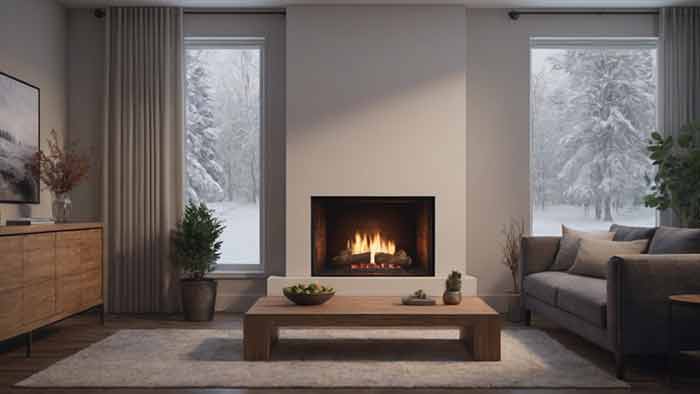 Gas Fireplace Project In Colorado
Why Gas Fireplaces Suit Colorado Living
Our weather swings from snowed-in winters to mild summers, and a gas fireplace handles both. Here's why they're a good match for the Centennial State:
1. Built for Altitude
Set up right, a gas fireplace runs efficiently even at higher elevation, so it holds steady up in the mountains where the air is thin.
2. Backup Heat When You Need It
With a battery backup, a gas unit keeps the heat on through a power outage, which is no small thing during one of our winter storms.
3. Heating That Fits How People Think Now
As more folks here care about clean air and lower bills, the efficient, clean burn of gas lines up with how they want to heat their homes.
Professional Gas Fireplace Services in Colorado
From the first install to the yearly tune-up, having a pro in your corner is what gets the most life and the best performance out of your gas fireplace. If you'd rather not climb around on it yourself, that's what we're here for. Reach us at (720) 207-9232, or see the full list of what we do on our services page.
What We Handle:
- Installs sized and fitted to your home's layout and your gas line.
- Thorough yearly inspections that catch the small problems early.
- Upgrades that get you better heat and a better look.
- Emergency repairs when something quits or you smell trouble.
Adam Chimney Sweep has been taking care of fireplaces across the Denver area since 2001, and gas work is a big part of what we do. Whether you're weighing your first insert or your old unit finally gave out, give us a call and we'll get you sorted before the cold sets in.