Top 10 Signs Your Colorado Home Needs Chimney Service
 Knowing the signs your Colorado home needs chimney service is the difference between a cheap fix now and a scary repair bill later. A chimney that's kept up runs quietly in the background all winter, pulling smoke and combustion gases up and out while your family stays warm. Let it slide, though, and small problems turn into safety hazards fast. Out here on the Front Range and up in the mountain towns, our weather is brutal on masonry, so the warning signs show up sooner than they would almost anywhere else.
I've put together the 10 critical signs that your Colorado home may need professional chimney service, plus the maintenance and repair know-how I wish every homeowner had before they called me. If you notice any of these, give Adam Chimney Sweep a call at (720) 207-9232 and we'll get your chimney back in shape.
This isn't theory. After more than two decades of climbing roofs from Lyons to Colorado Springs, I've seen the same problems over and over, and almost all of them start small. Catch them early and you save real money.
Nine times out of ten, the homeowner who calls me with a "big" problem actually had a tiny one six months earlier. A hairline crack in the crown, a little creosote, a loose cap. Those are twenty-minute fixes. Wait until water's running down your living room wall and now we're talking a real project. The signs are always there first. You just have to know what you're looking at.
- Adam, Owner, Adam Chimney Sweep
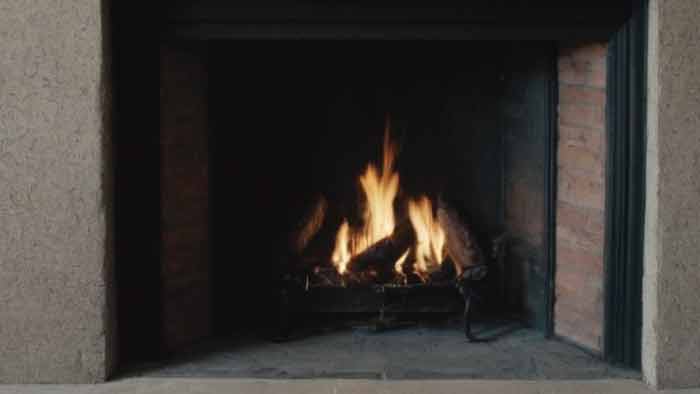 Beware Of Creosote Buildup In Your Chimney – A Fire Hazard!
1. Excessive Creosote Buildup
Creosote is the black, tar-like gunk that forms when you burn wood or fossil fuels. It builds up inside the flue a little at a time, choking your airflow and turning into fuel for a chimney fire. Homes that see a lot of fireplace use, like the ones up in Aspen or Breckenridge, build it up faster than most. It's the number one reason chimneys catch fire, and it's completely preventable.
What to watch for:
- A sticky black coating you can see along the flue walls.
- A strong smoky smell hanging around the fireplace even when it's cold.
- Fires that seem harder to start or don't draw the way they used to.
What to do: Book an annual cleaning. We scrape the flue back to bare and the fire risk drops off a cliff.
2. Damaged or Cracked Flue Tiles
The flue liner is what protects your chimney's masonry from heat and the nasty byproducts of combustion. When the clay tiles crack, that protection is gone, and the heat starts working on the brick and mortar directly. Colorado's freeze-thaw swings make this worse in a hurry, because water gets into a tiny crack, freezes overnight, and pries it wider every single time the temperature drops.
What to watch for:
- Chips or shards of clay tile showing up in the firebox.
- Cracks that a tech spots on a camera inspection.
What to do: Get regular inspections so we catch a cracked tile before it becomes a relining job. If the liner's already gone, a stainless steel liner is usually the smart fix.
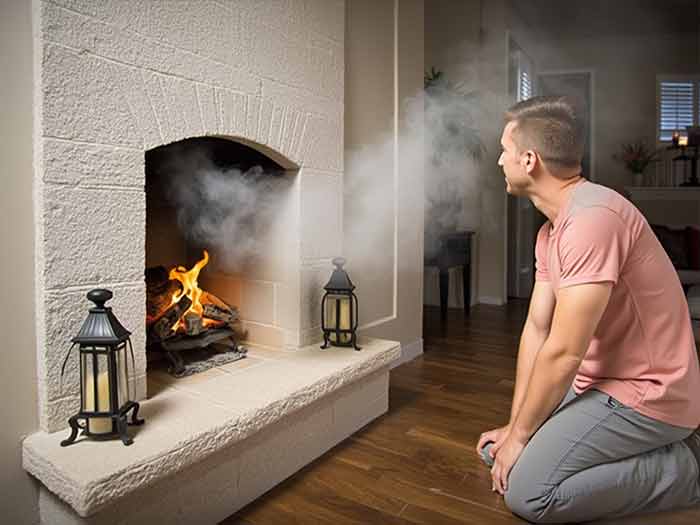 Stop Smoke Entering Your Home.
3. Smoke Entering Your Home
If smoke isn't going up and out, something's wrong, full stop. Usually it's a blockage, a weak draft, or structural damage somewhere in the system. Neighborhoods that catch a lot of wind, like Cherry Creek or up toward Colorado Springs, deal with downdrafts on top of everything else, which shoves the smoke right back at you.
What to watch for:
- Smoke hanging in the room after you light a fire.
- Dark staining or discoloration creeping around the fireplace opening.
What to do: A properly fitted cap helps the draft and cuts down on downdrafts. But smoke in the house always deserves a real look, because the cause isn't always obvious from the floor.
4. Efflorescence (White Staining on Brickwork)
Efflorescence is that white, chalky stuff that shows up on chimney brick. It looks harmless, but it's telling you water is moving through the masonry and leaving mineral deposits behind as it dries. Over time that same moisture chews the structure apart from the inside. Wetter parts of the state, like Boulder or Fort Collins, see it more often.
What to watch for:
- White staining on the outside of the chimney.
- Mortar that's gone soft, loose, or crumbly.
What to do: Waterproof the chimney with a breathable sealant. It keeps the rain out without trapping moisture inside the brick, which is the part a lot of folks get wrong.
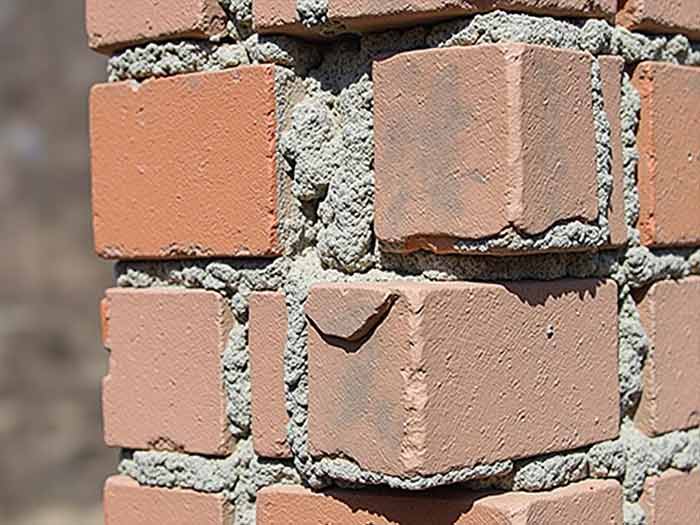 Chimney Durability In Colorado.
5. Spalling Bricks or Masonry Damage
Spalling is what happens when water soaks into the brick, freezes, expands, and pops the face right off. You'll find the flaked-off pieces on the ground. This is maybe the most common masonry problem I see in Colorado, because our temperature can swing forty degrees in a day and that freeze-thaw cycle just hammers brick.
What to watch for:
- Chipped, cracked, or missing bricks on the chimney's exterior.
- A little pile of grit or brick dust collecting at the base.
What to do: Fix the damaged brick promptly. Spalling spreads, and a few bricks today is a lot cheaper than a partial rebuild next year.
6. Unpleasant Odors
Your fireplace should make the room feel good, not stink. Bad smells usually mean creosote, trapped debris, or water getting in where it shouldn't. Damp days in Aurora or Golden can make a chimney smell worse because the humidity wakes up everything that's built up inside.
What to watch for:
- A musty, basement-y smell after rain or snow.
- Sharp, acrid odors the moment you light a fire.
What to do: Have it cleaned and inspected. The smell is a symptom, and we track down what's actually causing it instead of just masking it.
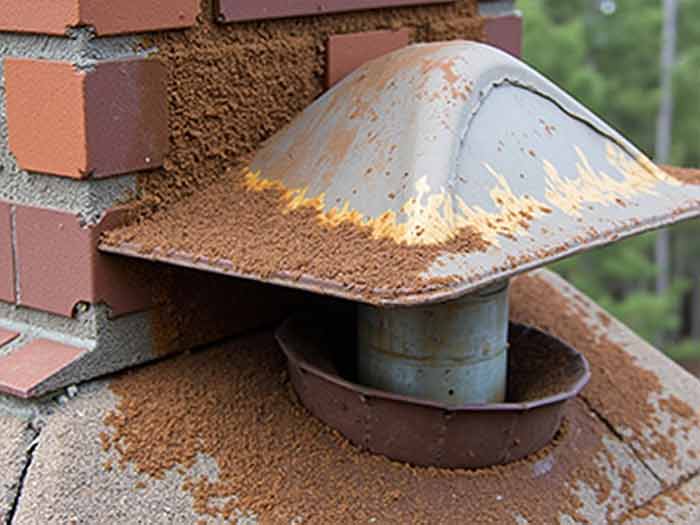 Rusted Chimney Components
7. Rust on Chimney Components
Rust means moisture has gotten into the metal parts of your system, and where there's rust there's usually water damage you can't see yet. Rusty dampers and caps are common in the heavy-snow spots like Estes Park or Vail, where there's just more wet sitting on the chimney for more of the year.
What to watch for:
- Rust on the damper or inside the firebox.
- A damper that sticks or won't open and close smoothly.
What to do: Swap out rusted parts before they fail, and think about a stainless steel cap. Stainless holds up to our weather a lot better than the cheaper stuff.
People always ask me why their chimney rusts out faster than their neighbor's down in Texas. It's the snow load. Up in places like Vail or Estes, you've got wet sitting on that cap and damper for months. A bare steel cap will rust through in a few seasons. I put stainless on my own house, and that's what I recommend to every customer who wants to do it once and forget about it.
- Adam, Owner, Adam Chimney Sweep
8. Animal Nests or Debris Blockages
Out in Colorado's rural and foothill areas, birds, squirrels, and raccoons treat an open chimney like free real estate. A nest or a pile of leaves blocks your airflow, and that's both a venting problem and a fire hazard, since dry nesting material sitting next to a flue is exactly what you don't want.
What to watch for:
- Chirping, scratching, or rustling coming from inside the chimney.
- Bits of twig, leaf, or debris dropping into the firebox.
What to do: A mesh cap keeps critters out and still lets the chimney breathe. We clear whatever's already up there first, then cap it so it doesn't happen again.
9. Cracked or Damaged Crown
The crown is the concrete slab at the very top of the chimney, and its whole job is to shed water and debris away from the structure. When it cracks, water runs straight down into the brick and the flue, and that's where a lot of expensive interior damage starts. The crown takes the worst of our weather, so it's often the first thing to go.
What to watch for:
- Visible cracks or crumbling along the crown.
- Water showing up around the fireplace or on walls near the chimney.
What to do: Seal small cracks early, or repair and rebuild the crown with weather-rated materials if it's too far gone.
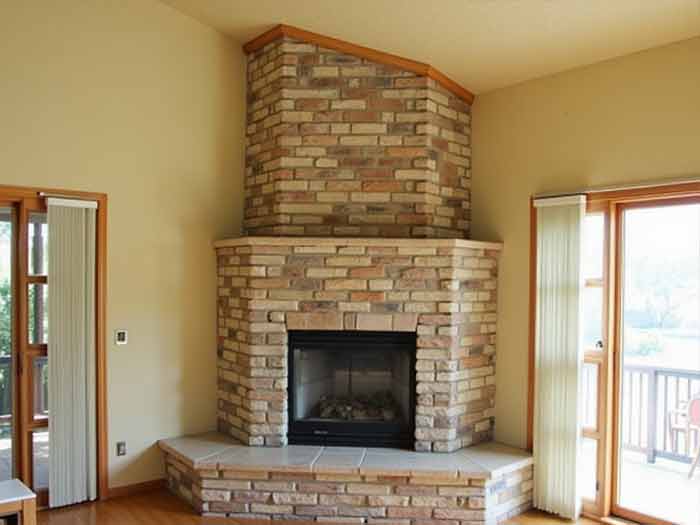 Walls And Ceiling Repair In Colorado.
10. Discolored Walls or Ceilings Near the Chimney
When your chimney leaks, the water doesn't stay in the chimney. It travels into the framing and shows up as stains on the walls and ceilings near the fireplace. Snowy regions like Steamboat Springs or Telluride see this a lot, because snow sits on a bad crown or flashing and melts slowly right into the house.
What to watch for:
- Yellow or brown stains on walls or ceiling near the chimney.
- Paint or wallpaper that's bubbling or peeling.
What to do: Find and stop the leak, then waterproof the chimney. By the time you see a stain inside, water's already been getting in for a while, so don't sit on it.
What a Professional Chimney Inspection Includes
A lot of folks picture a chimney inspection as a guy poking his head in the firebox for thirty seconds. A real one is more thorough than that, and knowing what's involved helps you tell a good company from a bad one. Here's how we work through it, step by step.
- Exterior and rooftop check. We look at the crown, the cap, the flashing where the chimney meets the roof, and the brick and mortar from top to bottom.
- Firebox and damper. We check the firebox for cracks and the damper for rust, warping, or anything keeping it from sealing.
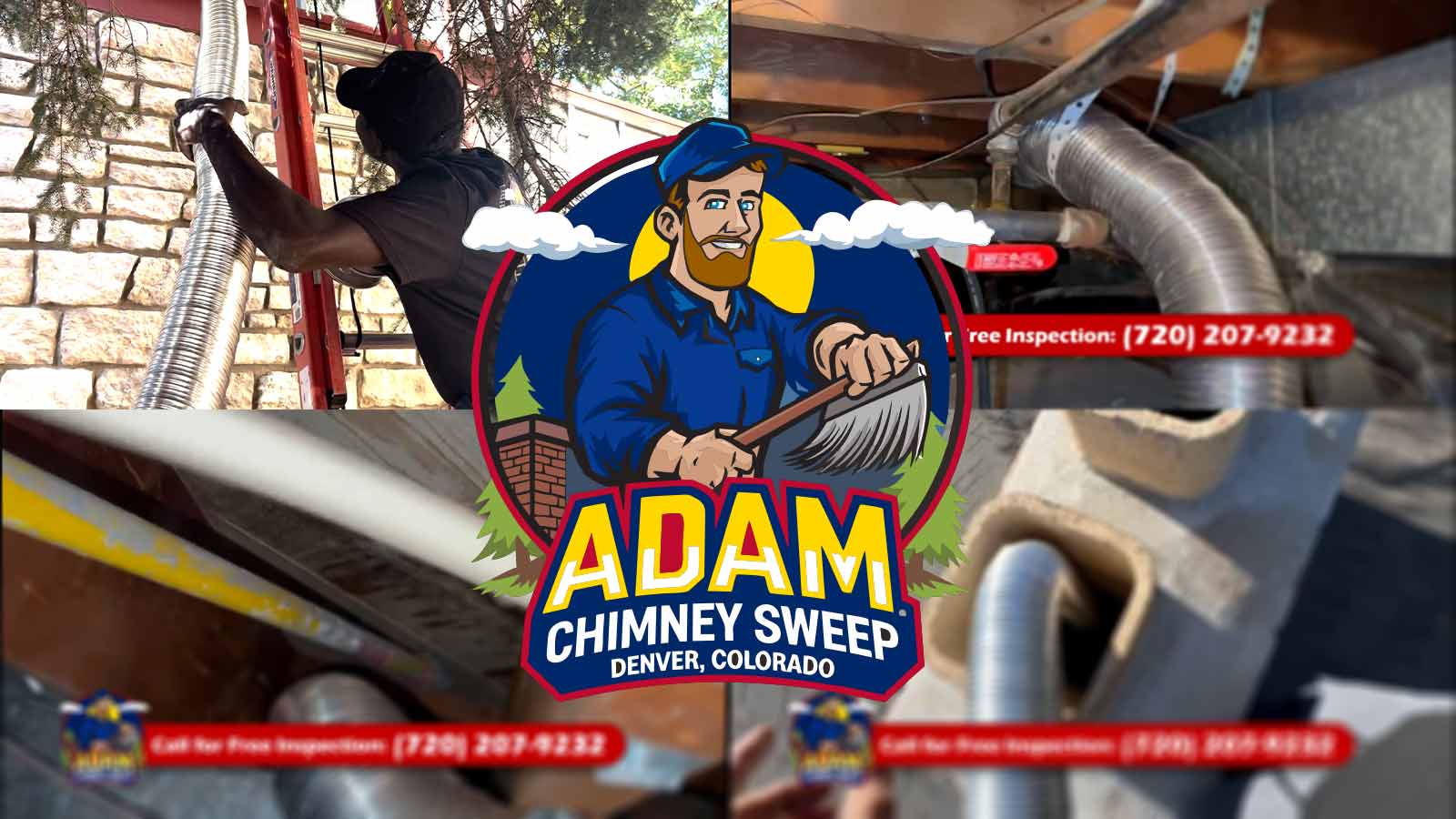
- Camera run down the flue. A video camera goes down the liner so we see cracks, gaps, blockages, and creosote that you'd never catch by eye.
- Creosote measurement. We grade the buildup so you know whether it's a routine sweep or a heavier removal job.
- Draft and venting. We make sure the chimney is actually pulling the way it should, which matters a lot at our altitude.
- Written findings. You get a plain-language rundown of what's good, what needs watching, and what needs fixing now, with honest pricing.
The whole thing usually takes under an hour for a standard system. If you've never had your chimney looked at, or you just bought the house and have no history on it, that first inspection is the most valuable hour you'll spend on it.
The camera is the part that changes the conversation. I'll have a homeowner who swears their chimney is fine, and then we run the camera down and there's a cracked tile section at the smoke chamber they had no way of seeing. I always show people their own footage right there on the screen. I'm not asking anybody to take my word for it. You see the crack, I see the crack, and then we decide together what to do about it.
- Adam, Owner, Adam Chimney Sweep
Expert Tips for Maintaining Your Chimney in Colorado
Spotting the warning signs is half the battle. The other half is staying ahead of them. These are the maintenance habits I'd give any Colorado homeowner who wants their chimney to last and run clean.
1. Schedule Annual Inspections
The National Fire Protection Association recommends a chimney inspection at least once a year. That goes double for Colorado homes that burn a lot or sit somewhere with wild weather swings.
Why it matters: Inspections catch the small stuff, the cracks and the blockages, before they turn into big stuff. That's the whole game.
Local note: Homes around Highlands Ranch or Castle Rock take a beating from wind and hail. Make the annual inspection non-negotiable.
2. Clean Your Chimney Regularly
Routine sweeping clears the creosote, soot, and debris that block airflow and feed fires. A pro cleaning gets the spots a homeowner brush never reaches.
Why it matters: Chimney fires cause a huge share of house fires every year. A clean flue cuts that risk way down.
DIY note: If you tidy your own firebox now and then, a wire brush is fine, but leave the full sweep to a pro who can actually inspect while they clean.
3. Install a Chimney Cap
A cap is a small spend that pays off big. It blocks moisture, debris, and animals while helping your draft work better.
Why it matters: Colorado wildlife loves a warm chimney. A cap keeps the raccoons and birds out and keeps the venting clean.
Bonus: Go stainless steel or copper. They cost a bit more and they shrug off our weather for years.
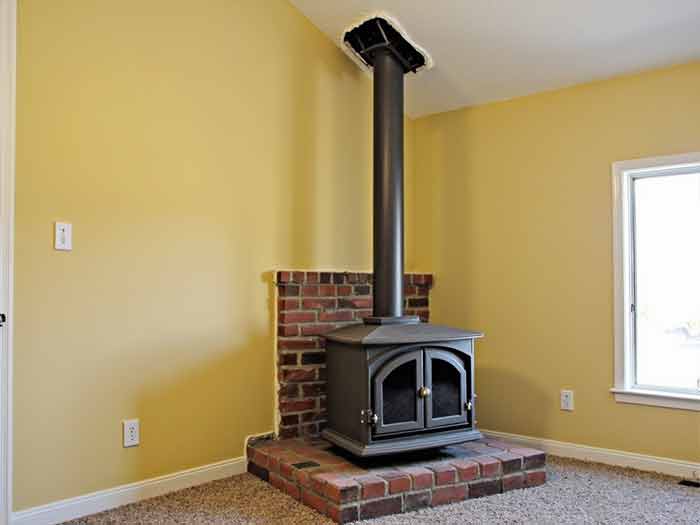 Seal Your Chimney To Be Waterproofed.
4. Seal and Waterproof Your Chimney
Our freeze-thaw cycles drive water into masonry, and that's what causes cracks and spalling. A waterproof sealant keeps the moisture out.
Why it matters: Waterproofing buys you years by heading off the repairs that water damage causes.
Local relevance: In snow-heavy spots like Winter Park or Fraser, where the chimney's wet for months, this one really earns its keep.
5. Burn Seasoned Firewood Only
Seasoned wood has been dried out, so it burns cleaner with way less smoke and creosote. Wet or green wood does the opposite and gunks up your flue fast.
Why it matters: Cleaner burns mean less creosote, which means fewer cleanings and a safer chimney.
Quick test: Knock two logs together. Seasoned wood gives a sharp, hollow crack. Green wood thuds.
6. Check for Leaks After Storms
Colorado gets hammered by hail and heavy snow. After a big storm, take a look at your chimney for fresh damage or water getting in.
What to look for:
- Water stains near the fireplace.
- New cracks in the crown or the masonry.
What to do: Deal with leaks right away, before you're fighting structural damage or mold on top of it.
7. Upgrade to a Top-Sealing Damper
Old throat dampers wear out and stop sealing well. A top-sealing damper closes off the top of the flue and seals a lot tighter.
Why it matters: A tight damper keeps your warm air in and the cold drafts out, which is exactly what you want in a Colorado winter.
Energy savings: Less heat escaping up the chimney means a lower heating bill and a more comfortable house.
 Get A Free Chimney Inspection In Colorado
8. Inspect Masonry After Every Winter
Our winters are hard on brick. By spring, that freeze-thaw cycle has had months to open up cracks and start spalling.
What to look for:
- Chipped or flaking brick.
- Gaps and soft spots in the mortar.
What to do: Tuckpointing can restore the structure without tearing down and rebuilding the whole chimney.
9. Clean Your Dryer Vents Regularly
This one isn't your chimney, but it's the same idea, a venting system that gets dangerous when it clogs. Lint buildup in a dryer vent is a genuine fire hazard.
Why it matters: A clean dryer vent lowers fire risk and helps your dryer run more efficiently.
Add-on service: A lot of sweeps, us included, will clean your dryer vent on the same visit.
10. Protect Your Chimney During the Off-Season
When the fireplace sits idle in summer, it's easy to forget the chimney exists. That downtime is actually the perfect window to get it ready for next winter.
Tips:
- Put a cap or screen on to keep debris and animals out.
- Get it swept and inspected so it's set to go when the cold hits.
Local advice: In mountain towns like Silverthorne or Evergreen, wildlife gets busy in spring and summer, so off-season protection matters even more.
Stay Ahead of Chimney Problems
Keep up with these and your chimney stays in good shape all year. When something's beyond a homeowner fix, that's what we're here for. Adam Chimney Sweep handles the whole range, from inspections and cleanings to repairs and installs.
Choosing the Right Chimney Professional for Your Colorado Home
Picking a trustworthy, experienced chimney pro is a big part of keeping your home safe. Colorado throws curveballs that flatland companies never deal with, from high-altitude draft issues to weather that swings hard, so you want someone who actually knows the territory.
Here's how to pick the right one:
 Why You Should Choose Adam’S Pros.
1. Look for Certification and Licensing
Hire a sweep certified by the Chimney Safety Institute of America (CSIA) or a comparable body. Certified techs have put in the training and follow real industry standards instead of winging it.
Why it matters: Certification means the person on your roof knows how to handle different systems, from wood-burning fireplaces to gas inserts.
Colorado-specific tip: Make sure they know local building codes, like the ones the Pikes Peak Regional Building Department enforces in Colorado Springs.
2. Ask About Experience with High-Altitude Homes
Elevation changes how a chimney drafts and vents. You want a pro who's actually worked up high, in places like Dillon, Breckenridge, or Estes Park.
Why it matters: Weak draft is common at altitude, and an experienced tech knows the fixes, whether that's a flue extender or a different damper setup.
3. Check References and Reviews
Reviews and testimonials tell you a lot about how a company actually treats people. Check Google, Yelp, and the Better Business Bureau (BBB).
What to look for:
- Comments about being professional and showing up on time.
- Signs of repeat customers who keep coming back.
Tip: Ask for references from your area, whether that's Aurora, Golden, or Vail.
4. Verify Insurance Coverage
A solid company carries liability insurance and worker's comp. That coverage protects you if something goes wrong on the job.
Why it matters: Accidents happen, especially on a roof or during masonry work. Proper insurance keeps you off the hook.
5. Ask About Inspection Technology
Good inspections these days use real tools, like a video camera that gives a clear look down the flue and into the spots you can't otherwise reach.
Why it matters: A camera catches cracks, blockages, and damage that a flashlight-and-a-glance inspection flat out misses.
Bonus: It's especially handy on older homes, like the historic places over in Denver's Capitol Hill.
6. Confirm Pricing Transparency
A company worth hiring gives you clear pricing up front. Be careful with a rock-bottom estimate, because it usually comes with surprise upsells or corner-cutting.
Why it matters: Honest pricing lets you budget and skip the nasty surprises.
Local insight: We give detailed estimates so Colorado homeowners know exactly what they're paying for before we start.
7. Inquire About Emergency Services
Our weather can wreck a chimney out of nowhere, from storm damage to ice blockages. A dependable company should be able to come out for emergency repairs.
Why it matters: A fast response can stop a bad situation from getting worse.
Understanding Colorado-Specific Chimney Regulations
Our climate and building rules mean chimneys here have to meet specific standards to stay safe and legal.
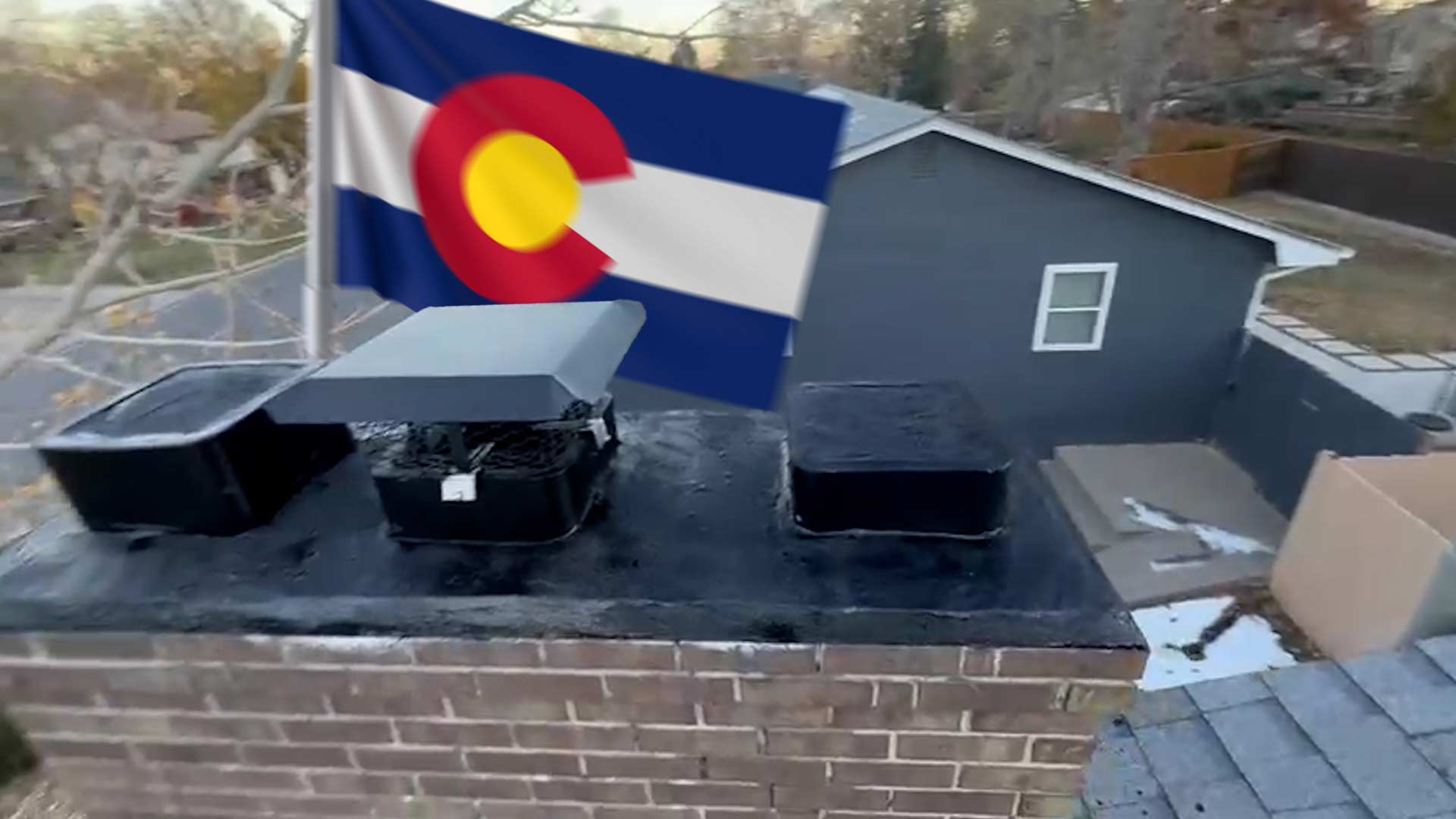 Learn About Colorado’S Chimney Regulations
1. Building Codes for Chimneys and Fireplaces
Every Colorado county sets its own codes for chimney construction, height, and clearance. A couple of common examples:
- Minimum chimney height: The chimney has to clear the roofline by at least 3 feet and rise 2 feet above anything within 10 feet of it.
- Clearance requirements: A masonry chimney needs at least 2 inches of clearance from anything combustible.
Tip: Make sure your chimney pro knows these codes cold and can confirm you're compliant during an inspection.
2. Wildfire Safety Regulations
Wildfire risk means Colorado homeowners have to be extra careful with their chimneys. A lot of areas require spark arrestors to keep embers from escaping.
Why it matters: High-risk communities like Boulder or Glenwood Springs have to put wildfire safety front and center.
Bonus tip: A cap with a built-in spark arrestor covers two jobs at once.
3. Energy Efficiency Standards
Colorado's push for efficient homes includes guidance on dampers and flue liners. A well-sealed damper cuts heat loss up the chimney.
Why it matters: Moving up to a top-sealing damper trims your heating bill and keeps the house comfortable.
Chimney Repair Techniques and Cost-Saving Tips for Colorado Homeowners
Chimneys take the weather all year, so wear and tear is just part of the deal. From cracked masonry to water sneaking in, knowing the right repair approach saves your chimney and your wallet. Here's what Colorado homeowners should know about repairs and how to keep the cost down.
Common Chimney Repairs in Colorado
Our freeze-thaw cycles and stiff winds are tough on a chimney. These are the repairs we run into most around here:
1. Tuckpointing
Tuckpointing means cutting out the crumbling old mortar between bricks and packing in fresh mortar. It brings back the chimney's strength and shuts the door on water intrusion.
Why it's needed: Our weather eats mortar over time, especially in places with big temperature swings like Pueblo or Durango.
Cost-saving tip: Handle mortar early. A tuckpointing job now beats a full rebuild later by a mile on price.
2. Crown Repair or Replacement
The chimney crown is the protective top layer that sheds rain and snow off the structure. Crack it and water works its way down into the chimney, doing more damage as it goes.
What to look for: Visible cracks or water pooling on the crown.
Cost-saving tip: A weatherproof sealant stretches the life of your crown, and it's smart to put it on before winter sets in.
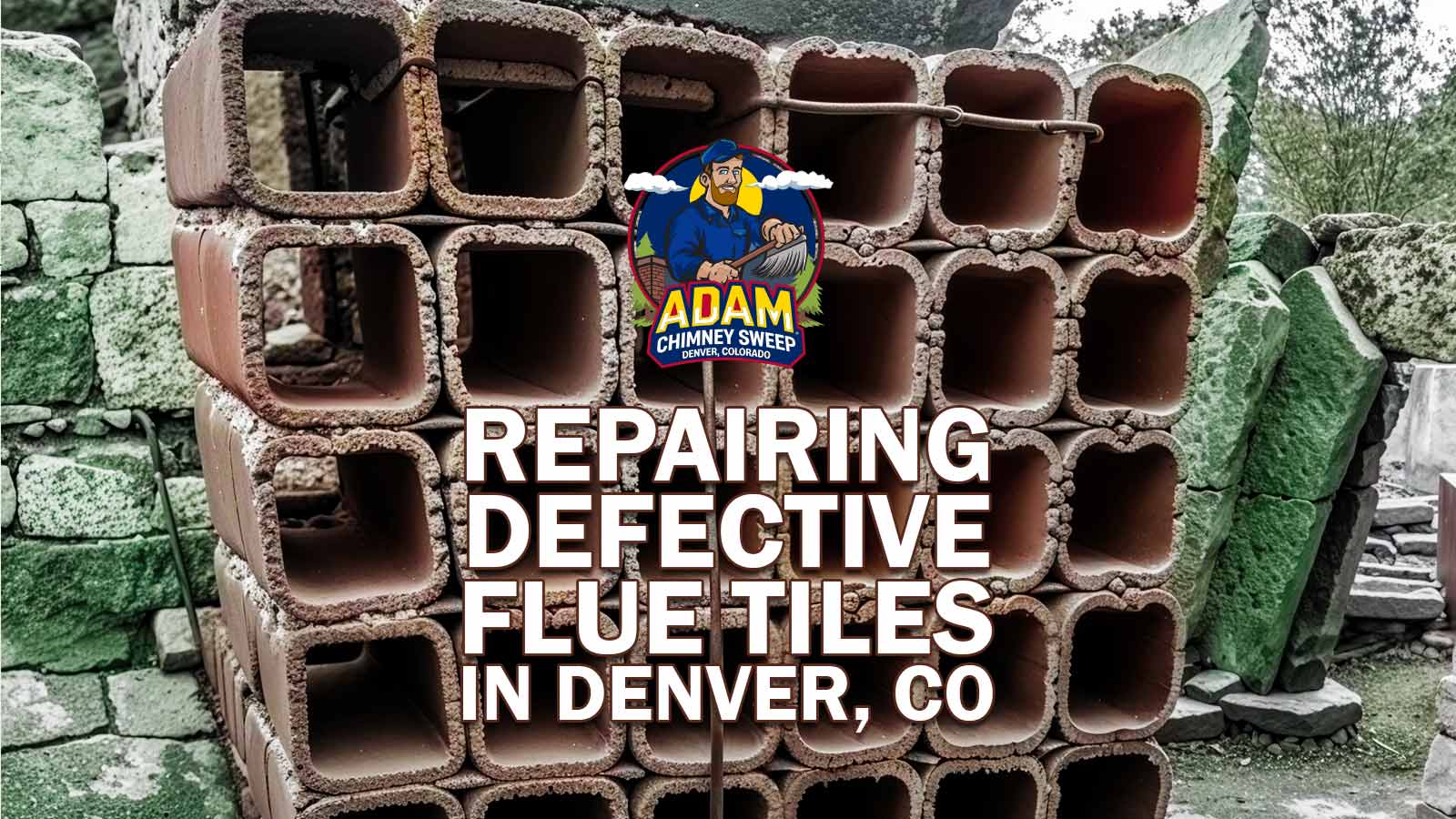 All About Flue Tiles Repair And More.
3. Flue Relining
A bad flue liner is dangerous. You get poor draft and the risk of harmful gases coming back into the house. Stainless steel liners are the go-to because they last and they hold up.
Colorado insight: Homes near Aspen or Telluride that burn a lot of wood often need relining thanks to creosote and old, tired clay liners.
Cost-saving tip: Annual inspections catch liner damage early, which can save you from a full replacement.
4. Masonry Repairs
Brick and stone chimneys are especially prone to spalling, where water freezes inside the brick and flakes or cracks the face right off.
What to watch for: Missing, chipped, or cracked brick.
Cost-saving tip: A breathable masonry sealant keeps water out without trapping moisture inside, which is the trap a lot of cheaper products fall into.
5. Damper Repairs or Upgrades
A bad damper lets your heat escape and the cold pour in. Stepping up to a top-sealing damper boosts efficiency and cuts heating costs.
Colorado tip: A tight damper is a must in mountain towns like Leadville, where winter doesn't mess around.
Proactive Maintenance to Avoid Repairs
Some repairs you can't dodge, but good habits keep them rare and cheap. Here's how:
1. Regular Chimney Cleanings
Routine sweeps clear out creosote and debris before they cause blockages, fires, or flue damage.
Schedule: At least once a year if you burn regularly, more often if you really lean on the fireplace.
2. Seasonal Inspections
Inspections flag cracked masonry or damaged tiles before they blow up into bigger jobs.
Timing tip: Book late summer or early fall so the chimney's ready when the cold rolls in.
3. Invest in a Chimney Cap
A cap is a cheap way to block moisture, animals, and debris. It also keeps snow and ice from piling up inside the flue during our heavy winters.
4. Address Small Issues Immediately
A little crack or leak doesn't stay little. Jump on it and you can save yourself thousands down the road.
Cost-Saving Strategies for Chimney Repairs
Repairs can get pricey, but there are real ways to keep the bill in check without dropping the quality:
1. Bundle Services
A lot of companies knock money off when you combine cleaning, inspection, and minor repairs into one visit.
2. Choose Long-Lasting Materials
Good materials like stainless flue liners or copper caps cost more up front, but they cut down how often you're paying for repairs, so they win over time.
3. Take Advantage of Off-Season Discounts
Chimney work is usually cheaper in spring and summer when fewer people are calling.
4. Look for Local Incentives
Some Colorado towns hand out energy efficiency rebates for upgrades like top-sealing dampers or better insulation.
A Few Common Questions Colorado Homeowners Ask
How often should I get my chimney swept?
At least once a year if you use it. If you burn most nights through the winter, or you burn anything other than well-seasoned wood, you may need it more often. The annual inspection tells us for sure.
Can I skip the sweep if I barely use my fireplace?
Not really. Even a chimney that rarely sees a fire can collect animal nests, debris, and moisture damage. An open or damaged chimney is a year-round entry point for water and critters, so it still needs eyes on it once a year.
How do I know if it's a quick fix or a big repair?
Honestly, you often can't tell from the ground, and that's exactly why the camera inspection matters. A stain on the wall could be flashing or it could be a cracked crown letting water in for months. We find the actual cause and tell you straight whether it's small or serious.
Is waterproofing really worth it in Colorado?
For a masonry chimney, yes. Our freeze-thaw cycle is the single biggest thing that destroys brick and mortar here. A breathable sealant keeps water from soaking in and freezing, and that one step heads off spalling, cracking, and a lot of expensive repairs.
What's the most overlooked sign on this list?
The white efflorescence staining. People see it and think it's just cosmetic, so they ignore it. But it's water telling you exactly where it's getting in, and water is what wrecks chimneys. If you see white chalky stains on your brick, get it looked at.
The Adam Chimney Sweep Difference
At Adam Chimney Sweep, we handle top-tier repairs and maintenance for Colorado homeowners. Whether your home sits in Boulder's foothills or a Denver neighborhood, our certified team knows the challenges your chimney is up against, because we've worked on hundreds just like it.
Why Choose Adam Chimney Sweep
We've proudly served Colorado homeowners since 2001 with chimney services built around this state's climate. From routine upkeep to emergency repairs, our certified technicians keep your chimney safe, efficient, and built to last. You can also browse all of our chimney services to see everything we offer.
Ready to Get Started?
Call us today at (720) 207-9232 to set up an inspection, cleaning, or repair. Whether you're in Denver, Boulder, or Breckenridge, we'll get your chimney back in tip-top shape and keep it that way.
You can read more about safe burning and chimney fire prevention straight from the Chimney Safety Institute of America, and check Colorado's Building Codes to learn more about firebox and chimney requirements.
Let Adam Chimney Sweep be your trusted partner in keeping your home safe and warm.