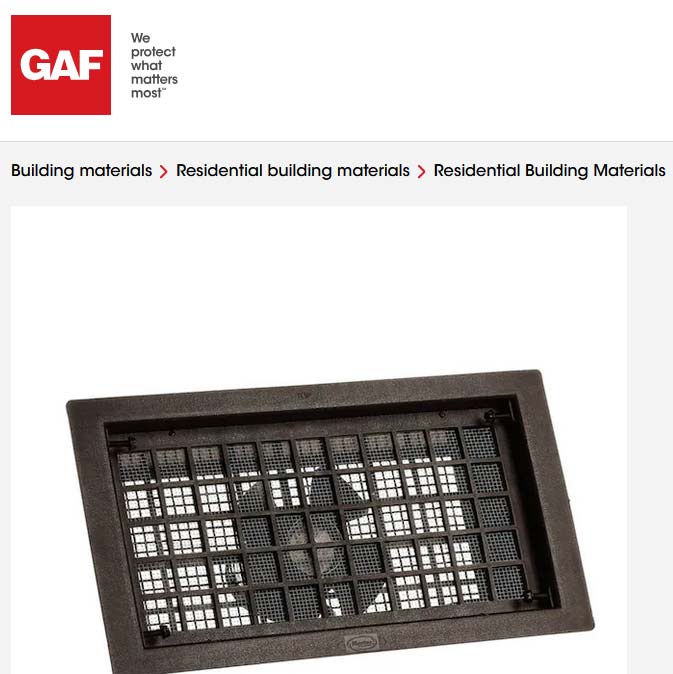
Master Flow® Power Foundation Vents for Colorado Crawl Spaces
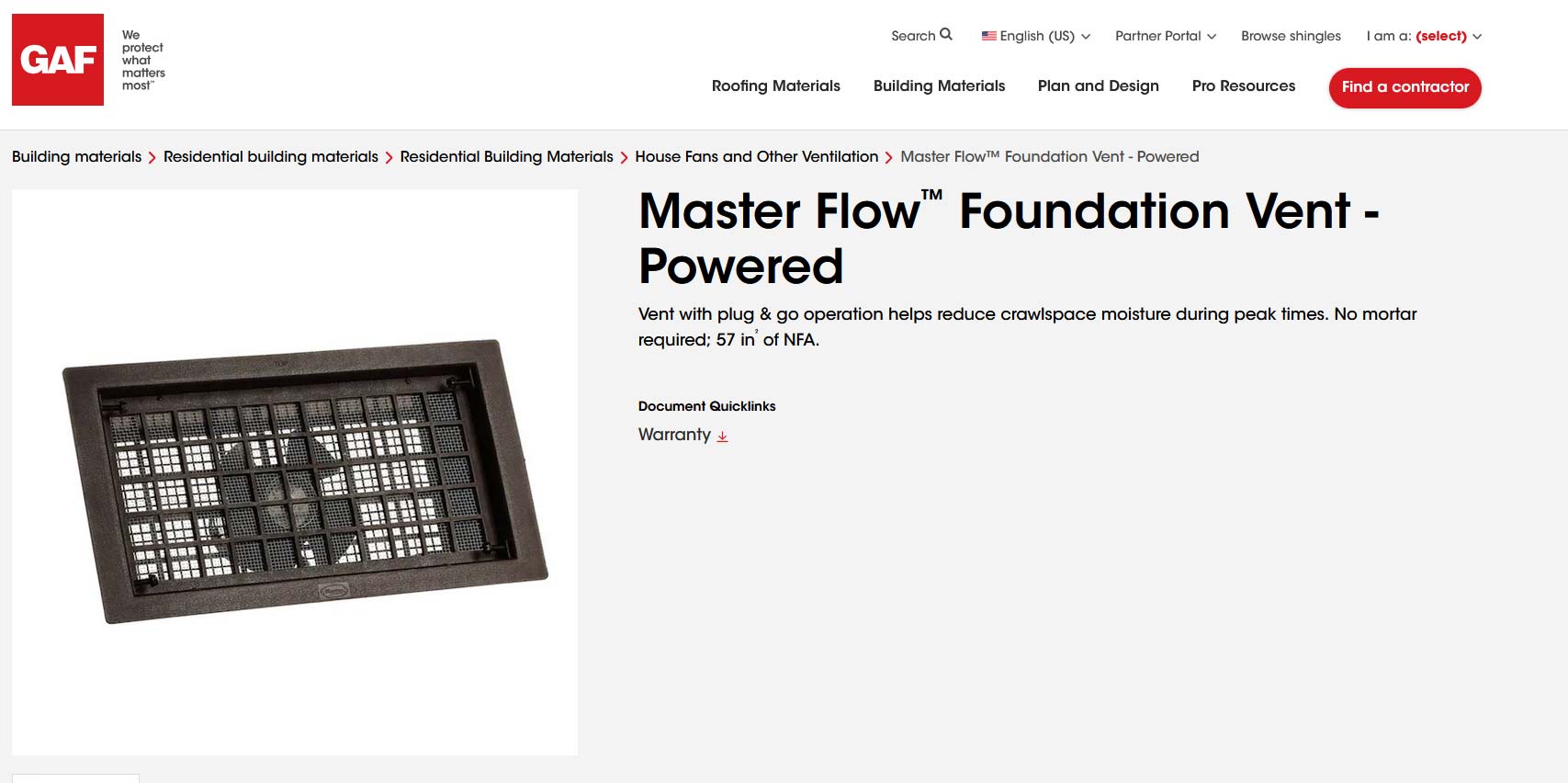
 Master Flow® Power Foundation Vents pull moisture out of a crawl space and get the air moving again, and they're about as close to plug-and-play as it gets. If your home fights high humidity, like the places near rivers and lakes in Mesa County, these are the ones we'd point you to. We install the Master Flow® Power Style Foundation Vents all over Colorado, and they're one of the easiest upgrades you can make to keep a house dry.
I'm Adam. I've run Adam Chimney Sweep out of Denver since 2001, and over the years I've crawled under a lot of Colorado homes. Wet crawl spaces are more common than people think, and most folks never look down there until something smells musty or the floor starts to feel soft. A powered vent goes after the root of the problem, which is air that just sits still and holds onto moisture.
Most of the soggy crawl spaces I climb into don't have a leak, they've got an air problem. The dirt stays damp, nothing's moving, and that moisture just creeps up into the wood. A powered vent like this one fixes the part nobody ever sees until it's a real mess.
- Adam, Owner, Adam Chimney Sweep
Key Features
- Pushes up to 330 CFM airflow, so damp air clears out fast instead of sitting there.
- Cuts down the risk of rot and mold in spaces that never got enough air.
- Fits standard foundation vent openings, so putting one in doesn't turn into a project.

 Get Master Flow® Power Style Foundation Vents Installed Today!
Model Numbers & Specifications
| Model Number | Material | Features | Ideal Applications |
|---|---|---|---|
| PFV1 | High-density polyethylene | 330 CFM airflow for moisture removal | Waterfront properties in Mesa County |
Perfect for: Homes near water like the Roaring Fork River, where keeping moisture in check is the difference between a sound foundation and a slow, expensive headache.
1. High-Powered 330 CFM Airflow for Rapid Moisture Removal
The Master Flow® PFV1 Power Foundation Vent moves 330 cubic feet per minute (CFM) of air, and that's enough to actually dry out a crawl space or basement instead of just nudging the air around. It's a good match for humid spots, like the homes out by Chatfield Reservoir in Douglas County, where the ground stays damp a good chunk of the year.
What that airflow does for you:
- Clears excess humidity before mold and mildew get a foothold.
- Keeps things dry and healthy down there all year.
- Looks after whatever you've got stored in the basement.
I've put a screwdriver clean through a floor joist before because a crawl space sat wet for years and nobody knew. By the time the rot shows itself, you're looking at thousands to fix it. Get the air moving early and that rot never gets going. That's really the whole job these vents do.
- Adam, Owner, Adam Chimney Sweep
2. Reduces Structural Decay and Mold Growth
Older Colorado homes, the kind you find around Telluride, take a beating when moisture hangs around too long. Wood that stays damp doesn't last. The power vent helps you:
- Stop wood rot before it starts in crawl spaces and basements.
- Hold humidity at a level termites don't love.
- Get more years out of your foundation and the bones of the house.
3. Fits Standard Foundation Vent Openings for Easy Installation
The Master Flow® Power Style Foundation Vents drop right into most standard foundation vent openings, which makes life easier whether you're a homeowner or a contractor. Got a historic home in Chaffee County? A mountain cabin up in Summit County? A place by the water in Mesa County? They go in clean, no fuss.
Installation Benefits:
- Works with the standard vent openings you'll find in homes around El Paso County, Garfield County, and Boulder County.
- Simple plug-and-play setup, so there's no cutting or rebuilding to get it seated.
- Easy enough for a handy homeowner, and quick work for a pro in Larimer County and Douglas County.
How We Install Your Power Foundation Vent
People always ask what the day looks like when we come out to put one of these in. It's not a big production, but doing it right matters. Here's the order we work in:
- Look the crawl space over. We check for standing water, rot, and where the damp is coming from before we touch a vent.
- Measure the opening. We make sure the existing vent opening matches the PFV1 so the fit is snug with no gaps.
- Set the vent. The unit goes into the opening and gets sealed around the edges so air only moves through the fan, not around it.
- Wire it up. The plug-and-play connection makes this the quick part. We confirm power and check that the fan spins the right direction.
- Test the airflow. We run it and make sure you're actually pulling the full 330 CFM out of the space.
- Walk you through it. Before we leave, we show you how to run it and when to leave it going.
Start to finish, a straightforward install is usually a same-day job. If we find rot or water damage while we're under there, we'll show you photos and talk through what needs handling first.
Model Numbers & Specifications
Master Flow® Power Style Foundation Vents come in a few models, so you can match one to the kind of home you've got here in Colorado.
| Model Number | Material | Features | Ideal Applications |
|---|---|---|---|
| PFV1 | High-density polyethylene | 330 CFM airflow for moisture removal | Waterfront properties in Mesa County |
It is perfect for homes near lakes, rivers, and wetlands in counties like Jefferson, Arapahoe, and Routt, where staying on top of moisture keeps the structure from taking damage.
Installation Considerations for Different Colorado Regions
Where you put these vents matters as much as which one you pick. Colorado throws a lot of different conditions at a house, so here's what we watch for depending on where you live.
Where you live in Colorado changes how I set these in. Up in the mountains I seal them up tight so wind-driven snow can't pack in behind the vent. Out on the plains the wind's the real fight, so I anchor them down and screen them against mice. Same vent, different install, and skipping that part is exactly how folks end up calling me back.
- Adam, Owner, Adam Chimney Sweep
Mountain Regions (Summit, Chaffee, Pitkin, Eagle Counties)
- Seal the vents right so blowing snow can't work its way in.
- Think about a moisture sensor or two to keep an eye on humidity.
- Place them with the cold in mind so freezing temps don't cause trouble.
Plains & Lowlands (Weld, Adams, Morgan, Kit Carson Counties)
- The wind out here is no joke, so the vent may need extra anchoring.
- Check them now and then before dust starts piling up.
- Add fine mesh covers to keep rodents and insects out.
Desert & Dry Areas (Mesa, Fremont, Pueblo, Montezuma Counties)
- Set them up for airflow first so heat doesn't build up.
- Look in on them every so often and clear out any debris.
- Pair them with insulation to get the most out of your energy use.
Warning Signs Your Crawl Space Needs Better Ventilation
You don't have to climb under the house to know something's off. These are the things I tell homeowners to watch for, and any one of them is worth a closer look:
- A musty or earthy smell that drifts up into the rooms above the crawl space.
- Floors that feel soft, springy, or uneven when you walk on them.
- Condensation or beads of water on pipes, ductwork, or the underside of the floor.
- White, chalky residue on the foundation walls, a sign water's been moving through the masonry.
- More musty air or allergy flare-ups indoors, since damp crawl space air feeds mold and dust mites.
- Doors and windows on the main floor that start sticking, which can mean the framing is shifting from moisture.
If you've noticed a couple of these, don't wait it out. The longer damp air sits, the more it costs to undo. A power vent is a small fix next to replacing rotted joists or fighting mold that's spread up into the walls.
Why Choose Master Flow® Power Style Vents for Your Colorado Home?
It doesn't matter which county you're in. The high-altitude towns of Lake County, the river valleys of Archuleta County, the busier streets of Denver County, these vents hold up and do the job.
🏠 Energy Efficiency: Keeps the inside steadier and your bills lower, something folks notice in counties like Adams, Broomfield, and Park.
💧 Moisture Prevention: Guards against mold and foundation damage, which crops up a lot in Garfield, Hinsdale, and Costilla Counties.
🔧 Ease of Installation: Goes in fast without much effort, which contractors and homeowners in Teller and Elbert Counties appreciate.
Crawl Space Moisture and Your Home's Health
Here's something a lot of people miss. The air in your crawl space doesn't stay in your crawl space. Warm air rises, and as it moves up through the house it pulls air from below right along with it. That's the stack effect, and it means damp, musty crawl space air ends up in your living room whether you like it or not.
So a wet crawl space isn't just a foundation problem. It's an indoor air problem too. Mold spores, dust mites, and that musty smell all ride that current up into the rooms where your family spends time. A power vent that keeps the air moving down low helps the air upstairs as well. If you want to read more about how moisture and indoor air affect your health, the Colorado Department of Public Health and Environment is a solid place to start.
“Steady airflow under the house is one of the simplest ways to protect both the structure and the air your family breathes.” – Adam Chimney Sweep Spokesperson
Customer Testimonials from Across Colorado
“We installed the Master Flow® Power Foundation Vent in our home near Blue Mesa Reservoir in Gunnison County, and it has significantly reduced crawl space humidity.”— Michael T., Gunnison County, CO.
“Living in Summit County, snow and moisture used to be a big concern for our foundation. These vents have helped us keep our basement dry all year round.”— Lisa P., Summit County, CO.
“Our lakeside cabin in Mesa County was constantly dealing with damp conditions, but since installing the power vent, we’ve had zero mold issues!”— John W., Mesa County, CO.
Frequently Asked Questions
Q: How often should I operate my power foundation vent?
A: If you're somewhere humid, say a home near the Colorado River in Garfield County, run it year-round. In a drier spot like Fremont County, you can get away with running it by season.
Q: Is professional installation required?
A: Nope. The plug-and-play design means you can do it yourself. That said, if you're in a damp area like Lake County, it's worth having a pro handle it so the crawl space gets a good look while we're under there.
Q: Can these vents help with radon gas mitigation?
A: They aren't built for radon specifically, but better airflow can bring radon levels down a bit, which helps in counties like Elbert and Douglas. If radon's your main worry, get it tested and pair the vent with a proper mitigation system.
Q: How long does a power foundation vent last?
A: With a clear opening and the occasional check to clear out debris, you'll get years of steady service. The high-density polyethylene housing handles Colorado's temperature swings well and won't rust out the way some metal units do.
Q: Will one vent dry out my whole crawl space?
A: That depends on the size of the space and how bad the moisture is. A single 330 CFM unit covers a typical opening well, but a larger or wetter crawl space might need more than one. We'll measure and tell you straight what your house needs.
Order Your Master Flow® Power Style Foundation Vents Today!
Keep your home dry and your energy bills reasonable with Master Flow® Power Style Foundation Vents. Homeowners all over Colorado count on them, from the farm country of Weld County to the ski towns of Pitkin County. Want one installed, or not sure if your crawl space even needs it? Give Adam Chimney Sweep a call at (720) 207-9232 and we'll come take a look. We've been keeping Colorado homes dry and sound since 2001, and we'd be glad to do the same for yours.