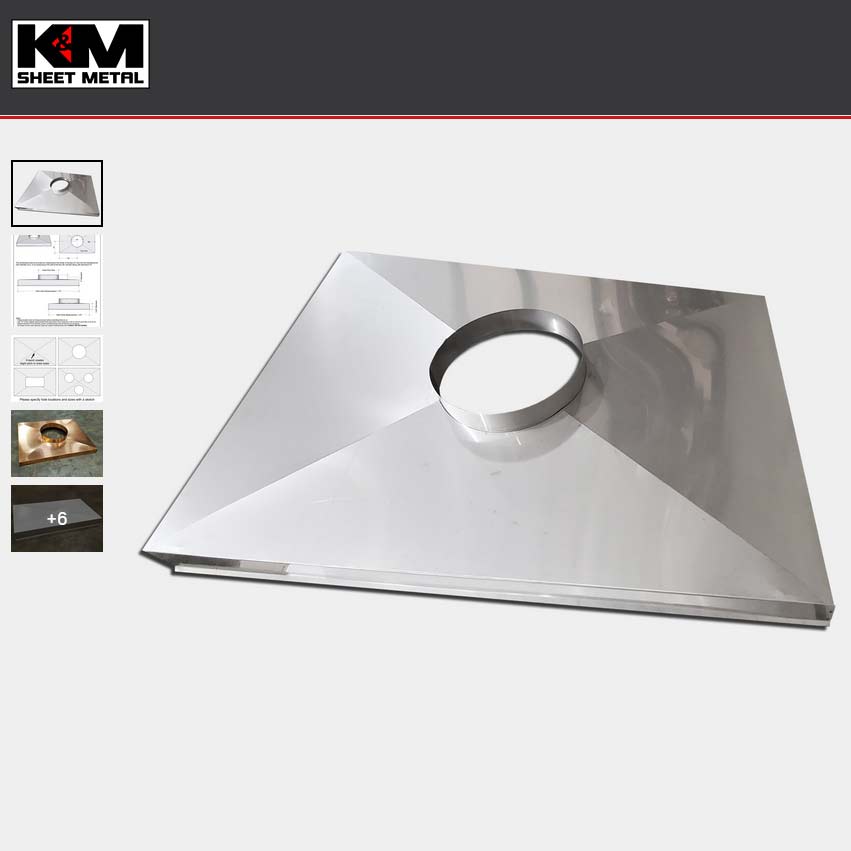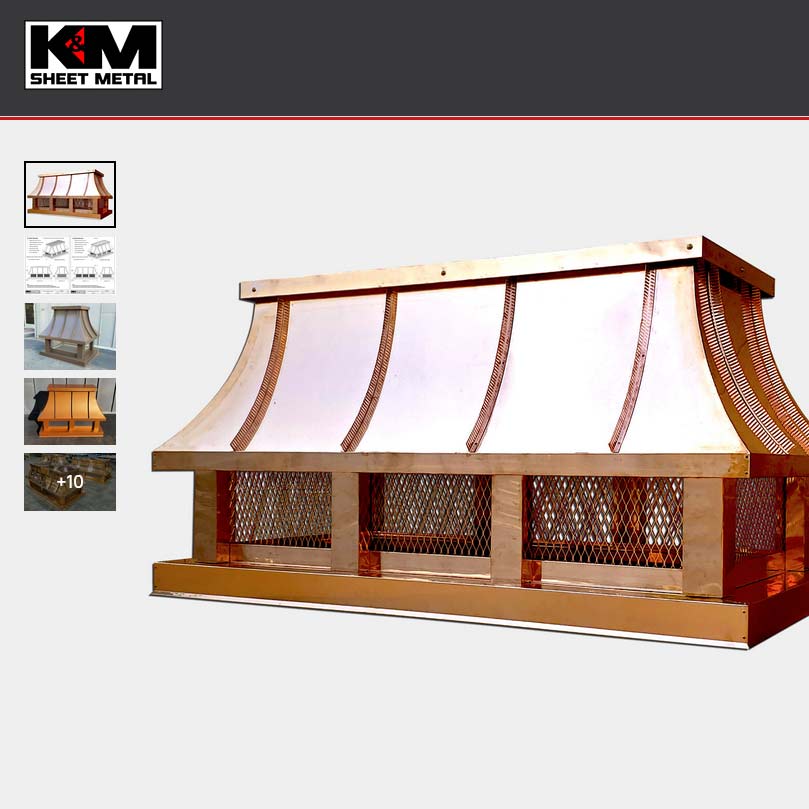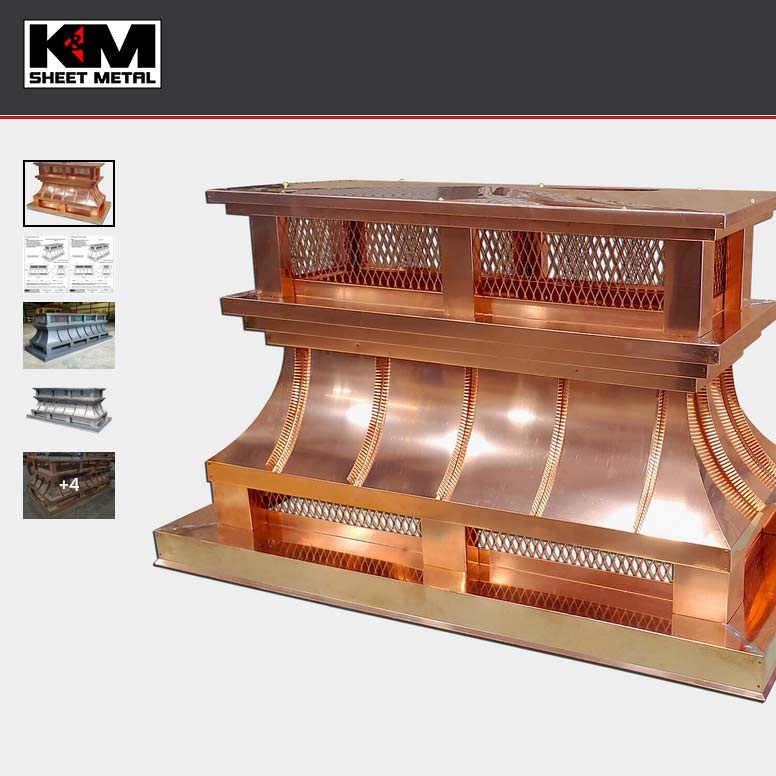
 We install the Royal Chimney Cap, made by K&M Sheet Metal, here at Adam Chimney. This is a premium chimney cap that gives your home both real weather protection and a finished, good-looking top for houses all over Colorado. Heavy snow up in Summit County, the wind that rips through Douglas County, or the thin, hard high-altitude air in Eagle County — this cap was built to stand up to all of it and make your chimney look sharp while it does.
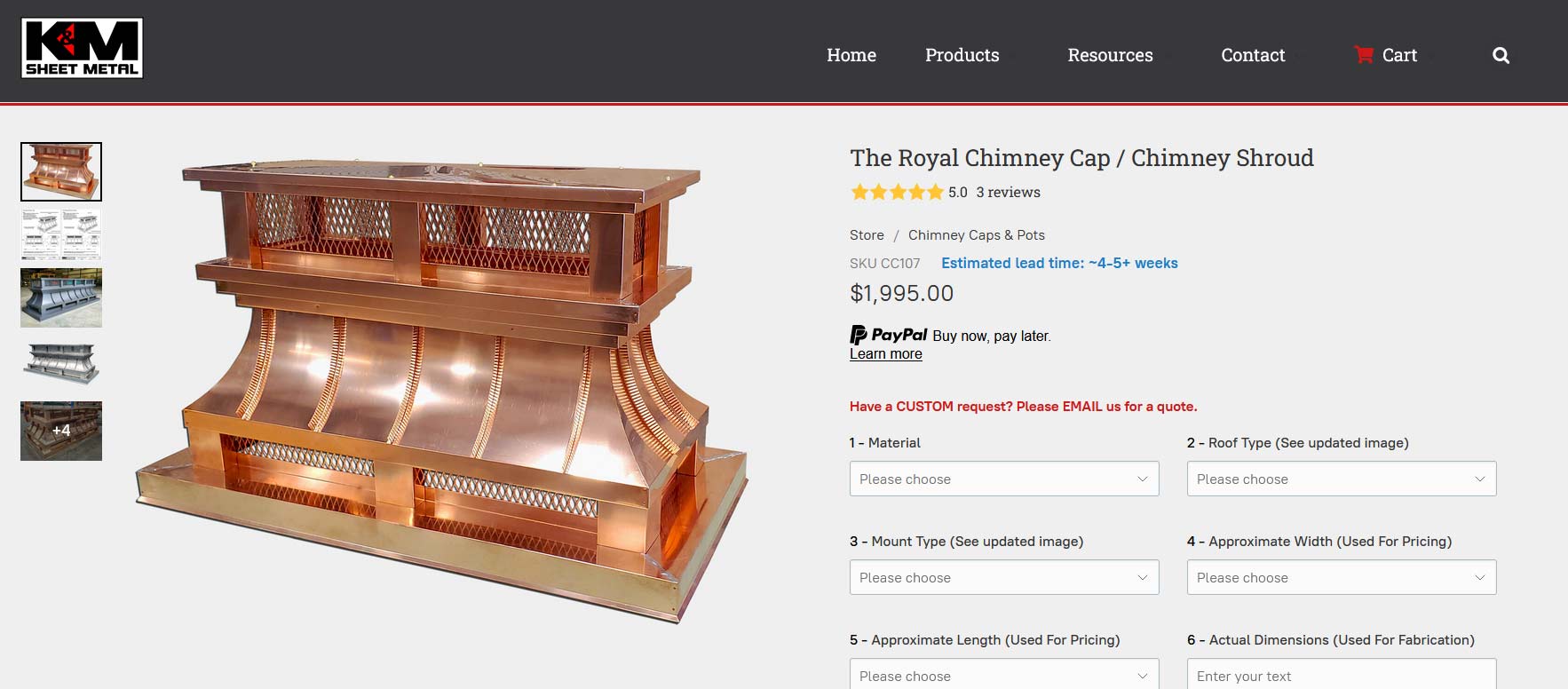 Get The Royal Chimney Cap / Chimney Shroud Installed Today!
The Royal Chimney Cap Keeps Colorado Homes Dry and Protected
A Royal Chimney Cap is one of the smartest, lowest-cost things you can put on a Colorado home, because the weather here goes after an open flue from every direction. I've been up on Denver-area roofs since 2001, and the chimneys that fail early almost always have one thing in common: no cap, or a cheap cap that rusted out and let water straight in. The top of your chimney is the one spot where the inside of your house is open to the sky. Leave it open and you're inviting in rain, snowmelt, birds, and cold drafts. A good cap closes that gap.
 Colorado's weather doesn't make this easy. We get bone-dry summers, then a foot of wet snow, then a freeze-thaw cycle that can swing 40 degrees in a single afternoon. Water gets into the masonry, freezes overnight, expands, and cracks the brick and mortar from the inside out. A cap won't stop the weather, but it keeps that water out of the flue and off the crown, and that's where most of the expensive damage starts.
Here's what the Royal Chimney Cap does for your home:
- Keeps water out of the flue. Heavy snow and rain in places like Boulder County drive moisture down an open chimney, which rots out the masonry, the liner, and the metal damper below it.
- Stops animals from moving in. Houses near the trees in Jefferson County get birds, raccoons, and squirrels nesting in the flue every spring. The mesh on the Royal cap shuts that door for good.
- Helps the chimney draft and breathe. Good airflow matters, especially in dry, high spots like Pitkin County where the fireplace runs hard all winter long.
- Makes the whole chimney look better. Modern build or a hundred-year-old brick home, the clean lines of the Royal cap fit right in with the styles you see around Denver County, and it adds a little curb appeal too.
- Knocks down downdrafts. A capped flue cuts the cold air that backflows into the firebox on windy nights, so the room stays warmer and you stop smelling old soot when the fire's out.
Nine times out of ten, when somebody calls me about water stains on the ceiling near the fireplace, the chimney has no cap or a rusted-through one. A cap is cheap money. I'd rather sell you a good cap today than a whole new crown and liner two winters from now.
- Adam, Owner, Adam Chimney Sweep
Key Features of The Royal Chimney Cap
1. Durable Material Options
The Royal Chimney Cap comes in several materials so you can match it to your roof and to how hard Colorado weather hits your part of the state. Each one has its own strengths, and we'll talk you through which makes sense for your home. The chart below is the short version of the conversation we'd have in your driveway.
| Material | Key Benefits | Best For |
|---|---|---|
| Copper | Rust-resistant, it ages beautifully with a patina over time. | Historic homes in Boulder County |
| Stainless Steel | Strong, corrosion-resistant, ideal for wet climates. | Snow-prone Summit County |
| Kynar Aluminum | Lightweight, durable, and available in various colors. | Homes in Jefferson County |
| Galvalume Steel | Zinc/aluminum coating for superior durability. | Windy areas in Douglas County |
| Lead-Coated Copper | Traditional look with high stain resistance. | Older homes in Denver County |
Popular choices for Colorado homeowners: Copper and Stainless Steel, because they shrug off our weather and they last. Copper costs more up front, but I've pulled 20-year-old copper caps off roofs that still had plenty of life left in them.
2. Customizable Sizes and Styles
No two chimneys are the same, so the Royal Chimney Cap is built to order with custom sizing and design options that fit your flue exactly. Got a little single-flue chimney out in El Paso County or a big multi-flue stack in Adams County? Either way the cap gets made to your measurements, not pulled off a shelf and forced to fit.
What you can spec out:
- Different widths and heights to cover whatever flue setup you've got.
- Side-mounted or top-mounted designs, depending on how your chimney is built.
- Your pick of mesh screen size, so you get the airflow you want while still keeping leaves and critters out.
3. Protection Against Harsh Weather Conditions
The Royal Chimney Cap has a 1-inch standing seam roof with a standard 6-pitch, which is a fancy way of saying it's shaped to throw off snow and rain instead of letting it pool on top. That pitch earns its keep in Eagle County, where the snow stacks up fast and a flat cap would just hold a wet, heavy load all winter.
Why the standing seam roof works so well:
- Snow and ice slide off instead of building up on the chimney.
- The seams add strength, so the cap takes high wind and driving rain without flexing.
- It looks sharp on the roofline while it's doing all that protecting.
People are surprised how much that 6-pitch matters here. A flat cap up in the high country becomes a snow shelf by January, and the weight and the freeze-thaw will wreck it. The Royal sheds the load on its own, so you're not up on an icy roof in February knocking snow off your chimney.
- Adam, Owner, Adam Chimney Sweep
4. Versatile Mounting Options
The cap comes in two mounting styles so it works with whatever your chimney top looks like:
Top Mount Chimney Cap
- Great for irregular chimney tops or stonework where a clean edge is hard to find.
- Held down with construction adhesive or waterproof anchors.
- Gives you a low, clean profile that doesn't stand out.
Side Mount Chimney Cap
- Covers the whole chimney top and drops a 3.5″ vertical skirt down the sides.
- Locked on with masonry anchors or screws so it doesn't budge.
- Gives you the best protection against wind-driven water sneaking in at the top.
See a Chimney Cap Job Up Close
If you've never watched a cap get fitted and secured on a real Denver roof, here's a quick look at the kind of work we do. It shows how a cap protects the chimney top from the weather and what a clean, finished install looks like when it's done right.
Why Choose Adam Chimney for Installation?
At Adam Chimney, we do the install ourselves and we make sure the cap is locked down tight and working the way it should. We know how Colorado homes are built and how the weather treats them, so we match the cap to your house instead of handing you one option and calling it a day. It's a family business, I've run it since 2001, and the guy who measures your chimney is the same kind of person who'll be up there installing it.
🌦 We know Colorado weather: We fit caps that take the worst the state throws at them, from the deep freezes in Pitkin County to the wind that howls through Douglas County.
🧱 We do careful work: Our crew gets the fit right and the install solid, so the cap performs and stays put.
📞 We actually talk you through it: We walk you through the material and style choices so you land on the right cap for your home and your budget.
Installation Process
Our install is straightforward and we keep you in the loop the whole way, so your Royal Chimney Cap goes on tight and works the way it's supposed to:
- Inspection and Measurement: We get up on the roof, look the chimney over, and take exact measurements so the cap fits like it was made for your flue — because it was.
- Customization: We order the cap to your specs: material, size, and mounting style, all dialed in to your chimney.
- Installation: We set the cap using the right anchoring for your chimney top, sealing it so water stays out and the flue still drafts well.
- Final Inspection: We check that it's solid, sealed, and drafting right before we pack up and call it done.
The measurement step is where a cap install is won or lost. I take my own measurements on every job, because a cap that's even a half-inch off either rattles in the wind or doesn't seal, and then you've got water getting in past a brand-new cap. We don't leave until it's snug and the seal is clean.
- Adam, Owner, Adam Chimney Sweep
Warning Signs Your Chimney Needs a Cap
Not sure if you need a cap or a new one? Here's what we tell folks to watch for. Any one of these is worth a call:
- Water stains on the ceiling or wall near the fireplace, or a damp, musty smell when it rains.
- You hear birds, scratching, or chirping coming from inside the chimney.
- Leaves, twigs, or nesting material falling down into the firebox.
- Rust streaks running down the outside of the chimney from the top.
- A downdraft that pushes cold air or soot smell into the room when the fire's out.
- You can see the old cap is bent, rusted through, or missing chunks of mesh from the ground.
If you're seeing any of that, the cheapest fix is almost always to deal with it now. Water damage to a crown, liner, or the masonry itself runs into real money fast, and a cap is a small fraction of that. When in doubt, get a set of eyes on it — a quick chimney inspection in Denver will tell you exactly where you stand.
What a Chimney Cap Protects Below the Roofline
A cap is the first line of defense, but it works as part of a system, and it helps to understand what's sitting under it. The crown is the concrete or mortar wash at the very top of the masonry that sheds water off the chimney's shoulders. The flue is the channel the smoke travels up, and the liner protects the inside of that flue from heat and acidic byproducts. When a chimney has no cap, water hits all three of those parts directly. Over a few Colorado winters that freeze-thaw cycle cracks the crown, rusts the damper, and eats away at the liner. The cap stops the water before it ever reaches them.
That's why we look at the whole top of the chimney when we come out, not just the cap. If your crown is already cracked or your liner is shot, a new cap alone won't fix the underlying leak. We'll tell you straight what you actually need. Sometimes it's just the cap. Sometimes the crown needs sealing too. Either way you'll know before any work starts, and you won't get talked into something you don't need. If repairs do come up, you can read more about our chimney repair services in Denver and we'll fold it all into one trip.
For homeowners who want to go deeper on chimney safety and why this stuff matters, the Chimney Safety Institute of America is a solid, no-nonsense resource. They back up what we tell people every day: keep water out, keep animals out, and get the chimney looked at once a year.
Customer Testimonials from Colorado Homeowners
“We love our copper Royal Chimney Cap! It adds a touch of elegance to our Boulder home and keeps the rain out perfectly.”— Mike R., Boulder County, CO.
“Adam Chimney did an excellent job installing our stainless steel cap in Summit County. No more moisture issues in our fireplace!”— Jane T., Summit County, CO
“The installation process was smooth, and our chimney looks fantastic. Highly recommend!”— Lisa P., Denver County, CO.
Frequently Asked Questions
Q: What is the best material for high-altitude areas like Summit County?
A: Stainless steel is hard to beat up high. It takes the snow and the corrosion without rusting out, and it holds up year after year in those wet, freezing conditions.
Q: How often should the chimney cap be inspected?
A: Once a year, and the best time is before winter. We check that it's still anchored tight, the mesh is clear, and nothing's worked loose over the season.
Q: Can the Royal Chimney Cap be customized to match my home’s exterior?
A: Yes. It comes in a range of finishes and colors, so we can match it to your roof and trim instead of bolting on something that clashes.
Q: How long does a chimney cap installation take?
A: Most cap installs are a same-day job once the custom cap is in. The measuring visit is quick, and the install itself usually takes us a couple of hours, weather permitting.
Q: Will a cap stop my fireplace from drafting properly?
A: No, a properly sized cap actually helps the draft and cuts downdrafts. The mesh is sized to keep animals and debris out while still letting the smoke clear. Sizing it right is the whole game, which is why we measure carefully.
Q: Do I really need a cap if I've gone years without one?
A: You've probably been paying for it slowly without seeing it. Water and animals do their damage out of sight, up in the flue and on the crown. Adding a cap stops the clock on that wear and tear.
Order Your Custom Royal Chimney Cap Today!
Protect your home and dress up the roofline with a Royal Chimney Cap from K&M Sheet Metal, installed by Adam Chimney. Whether you’re in Denver, Boulder, Summit, or Douglas Counties, we’ll set you up with the right cap and put it on right. Want to see everything we handle? Take a look at our full chimney services or get in touch and we'll get you on the schedule.
📞 Call us now at (720) 207-9232
📍 Visit us at 12894 E Villanova Dr, Aurora, CO 80014