Chimney Damper Caps for Colorado Homeowners and Businesses
 A good chimney damper cap is one of the cheapest ways to protect a Colorado chimney from the stuff our weather throws at it. I've been climbing roofs around here since 2001, from the flat blocks of Denver County out to the mountain places near Breckenridge up in Summit County, and the chimneys that hold up best almost always have a solid cap on top. Whether you're keeping a vacation home dry in the snow of Eagle County or fighting the wind out on the plains of Saguache County, the cap is the part doing the heavy lifting.
Think of the cap as the lid on your chimney. It's the first thing that takes a hit from rain, snow, branches, and the occasional squirrel that decides your flue looks like a nice place to move in. It also keeps the draft pulling the way it should and stops water from rotting the inside of the chimney where you can't see it. This page walks you through what these caps cost in Colorado, which materials actually last up here, the brands worth knowing, and the warning signs that yours is on its way out.
Want to understand the rest of the chimney first? Here's a plain breakdown of every part.

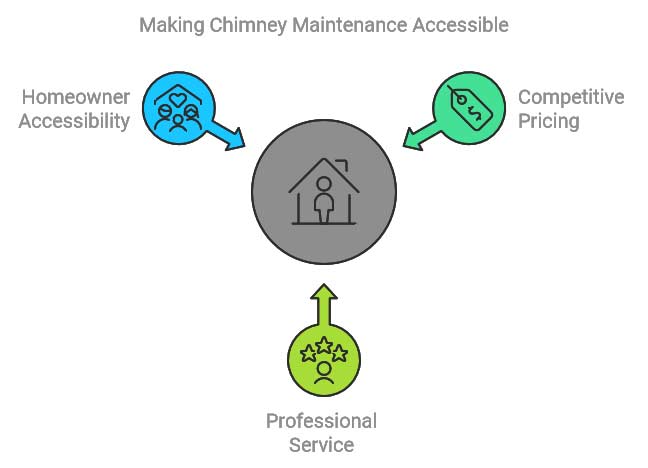
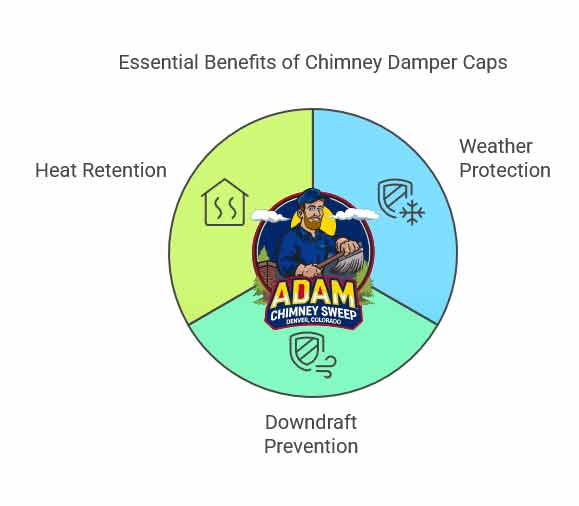 Diagram Of Essential Benefits Of Chimney Damper Caps In Colorado
Why Chimney Damper Caps Matter So Much in Colorado
Our state is rough on chimneys. You get freeze-thaw cycles that crack masonry, snow loads that sit and soak, and wind that comes off the mountains hard enough to lift a poorly fastened cap clean off. A cap that's sized right and bolted down handles all three. Below is what one actually does for you.
Standing Up to Rough Weather
Colorado weather swings from heavy snow in Park County to baking summers down in Pueblo County, and a chimney has to survive both. A cap that's installed right will:
- Keep rain and snow out of the flue, where moisture quietly eats away at brick, mortar, and the liner.
- Cut down on downdrafts from the high winds you get in spots like Elbert and Weld Counties, so smoke goes up instead of back into the room.
- Hold in heat that would otherwise slip out an open flue, which helps homes in Boulder County stay warm through a long winter.
The biggest mistake I see is folks treating the cap as an afterthought. I've pulled liners out of Denver chimneys that rusted through in six years, and almost every time it traced back to a missing or busted cap letting snowmelt pour straight down the flue. Spend a little on the lid and you save a fortune on what's underneath it.
- Adam, Owner, Adam Chimney Sweep
Keeping Critters Out
Birds, squirrels, and raccoons love an uncapped chimney, and I get calls about them all spring in Jefferson and Douglas Counties. A cap with a stainless mesh screen keeps the wildlife out while still letting the chimney breathe. Once an animal builds a nest in there, you've got a blocked flue and a fire hazard, plus the smell when something gets stuck and doesn't make it out. A screen on the cap stops the whole problem before it starts.
Trimming Your Heating Bill
An open flue is basically a hole in your roof that warm air escapes through all winter. A cap with a top-mount damper seals that off when you're not running a fire, and homeowners in Broomfield and Adams Counties notice the difference on their gas bill. It's not magic, but a good seal keeps the heat you paid for inside the house instead of letting it drift up the chimney.
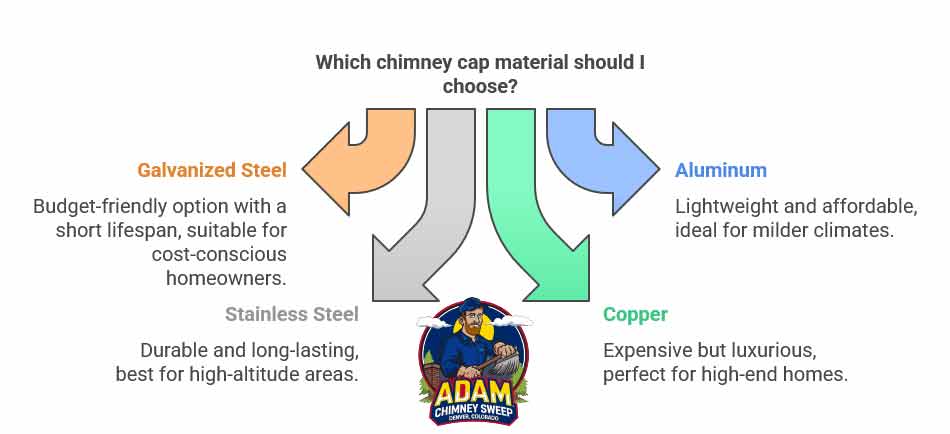 Which Type Of Chimney Cap Material Is Good For You?
Types of Chimney Caps and Material Options
The right cap comes down to your budget, where you live, and how hard your weather is. Here's how the common materials stack up for Colorado, with the real-world price ranges and how long each one tends to last up here.
| Material | Price Range (USD) | Lifespan | Best for |
|---|---|---|---|
| Galvanized Steel | $25 – $200 | 5 years | Budget-conscious homeowners |
| Aluminum | $40 – $400 | 5-10 years | Milder climates, low-temperature uses |
| Stainless Steel | $50 – $500 | 20+ years | High-altitude areas like Summit |
| Copper | $200 – $800 | 50+ years | Luxury homes in Aspen, Vail |
What This Table Really Tells You
- Stainless steel is what I put on most homes. It hits the sweet spot on price and lasts decades, which makes it a smart pick for folks in Mesa and La Plata Counties who don't want to think about it again for twenty years.
- Copper costs more up front, but it looks beautiful, develops a nice patina, and can outlast the roof. It's worth it on the higher-end properties I see in Garfield County.
- Galvanized steel is the cheap option. It'll do the job for a few years, so it makes sense as a stopgap or in budget-minded areas like Fremont County, but plan on replacing it before long.
Popular Chimney Cap Brands in the USA
You've got plenty of solid cap brands to choose from out here, and each one leans toward a different need or price point. These are the names I trust and install:
 Made In The Usa Since 1947, Hy-C Chimney Caps
- HY-C (Made in the USA since 1947)
- Wide range of standard and custom sizes, so they fit almost any flue.
- Tough and reasonably priced, which is a hard combo to beat.
- DuraVent
- Built for high-temperature, wood-burning setups.
- A good match for the colder, high-use homes I work on in Summit County.
- SuperVent
- Makes solid-pack caps that handle oil and gas applications well.
- You'll see these a lot on the industrial side in Pueblo and Weld Counties.
- Draft King
- Budget galvanized steel caps when cost is the main concern.
- Fine for a short-term fix in places like Morgan County.
- Shelter
- Premium copper and stainless caps, often with a lifetime warranty.
- I put these on the nicer homes up in Eagle County.
 Get A Damper Cap Installed Today!
Installation Costs and Considerations
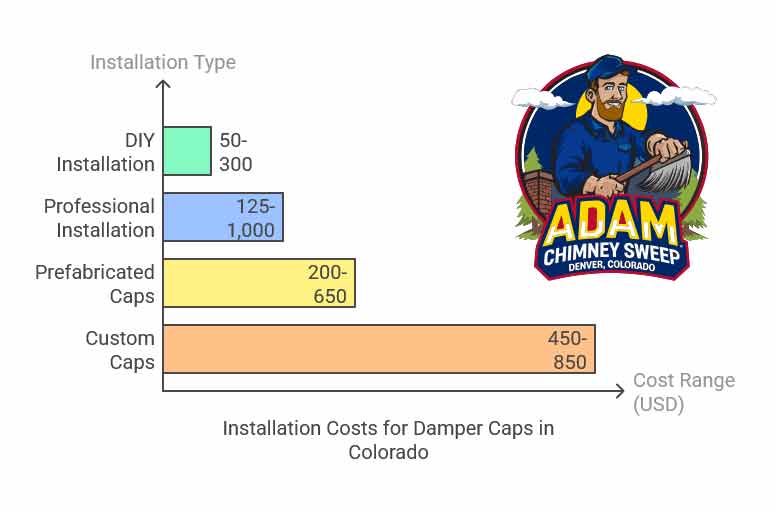
What you'll pay to install a damper cap depends on the type, the material, and whether you do it yourself or have a pro handle it. Here's roughly how the numbers shake out in Colorado.
| Installation Type | Cost Range (USD) |
|---|---|
| DIY Installation | $50 – $300 |
| Professional Installation | $125 – $1,000 |
What Moves the Price:
- Labor: Usually $100 – $200, depending on how tricky the job is and how steep the roof gets.
- Custom vs. prefabricated:
- Prefab caps run $200 – $650 installed.
- Custom caps run $450 – $850 installed.
- How hard it is to get there: Out-of-the-way spots like Montezuma and Routt Counties can cost a bit more just because of the drive and the access.
Pro Tip:
If you're in Boulder and Denver Counties, you can save money by bundling the cap install with a regular sweep or inspection. We're already up there, so it's an easy add-on.
People ask me all the time whether they can slap a cap on themselves to save the install fee. Honestly, if you're comfortable on a steep roof and you measure the flue right, sure. But I've gone back to fix more than a few DIY caps that blew off in the first big wind because they weren't fastened down or weren't sized to the flue. On a Denver roof in January, the labor charge is cheap insurance.
- Adam, Owner, Adam Chimney Sweep
Choosing the Right Damper Cap for High-Temperature Use
If you burn wood, you need a cap that can take the heat. In areas where wood stoves and fireplaces get used hard, like Fremont and Delta Counties, the cap sits right over a flue that can hit serious temperatures, and a cheap material will warp on you. Stainless steel is the way to go because it handles heat and lasts.
Caps I'd recommend for high-temperature jobs:
- 304-alloy stainless steel caps: Strong heat resistance, and they work for wood, pellet, oil, and gas.
- StormShield TDW cap: Made specifically for high-temperature factory-built chimneys.
A couple of things to watch for:
- Skip aluminum on a wood burner. It warps under real heat and you'll be replacing it.
- Look for internal baffles. They help the airflow and keep creosote from building up as fast.
How a Chimney Cap Gets Installed: Step by Step
A few people have asked me what actually happens when we put a cap on, so here's the short version of how a clean install goes. Knowing the steps also helps you spot a corner-cutting job if someone quotes you fast and cheap.
- Measure the flue. We get the inside and outside dimensions of the flue tile, plus the count if you've got more than one. A cap that doesn't fit the flue is worthless.
- Check the crown and top of the chimney. If the crown is cracked or the masonry is crumbling, we flag it, because a cap won't help much if water is already getting in around it.
- Pick the right cap. Material and style get matched to your fuel type, your flue, and the weather where you live.
- Mount and fasten it. The cap goes on snug and gets bolted or screwed down so the wind can't take it. This is the step the DIY jobs usually skip.
- Test the draft and seal. We make sure the cap isn't choking the draft and that the mesh and any damper are seated right.
- Clean up and walk you through it. You get told what we put on, what it's rated for, and when to have it looked at next.
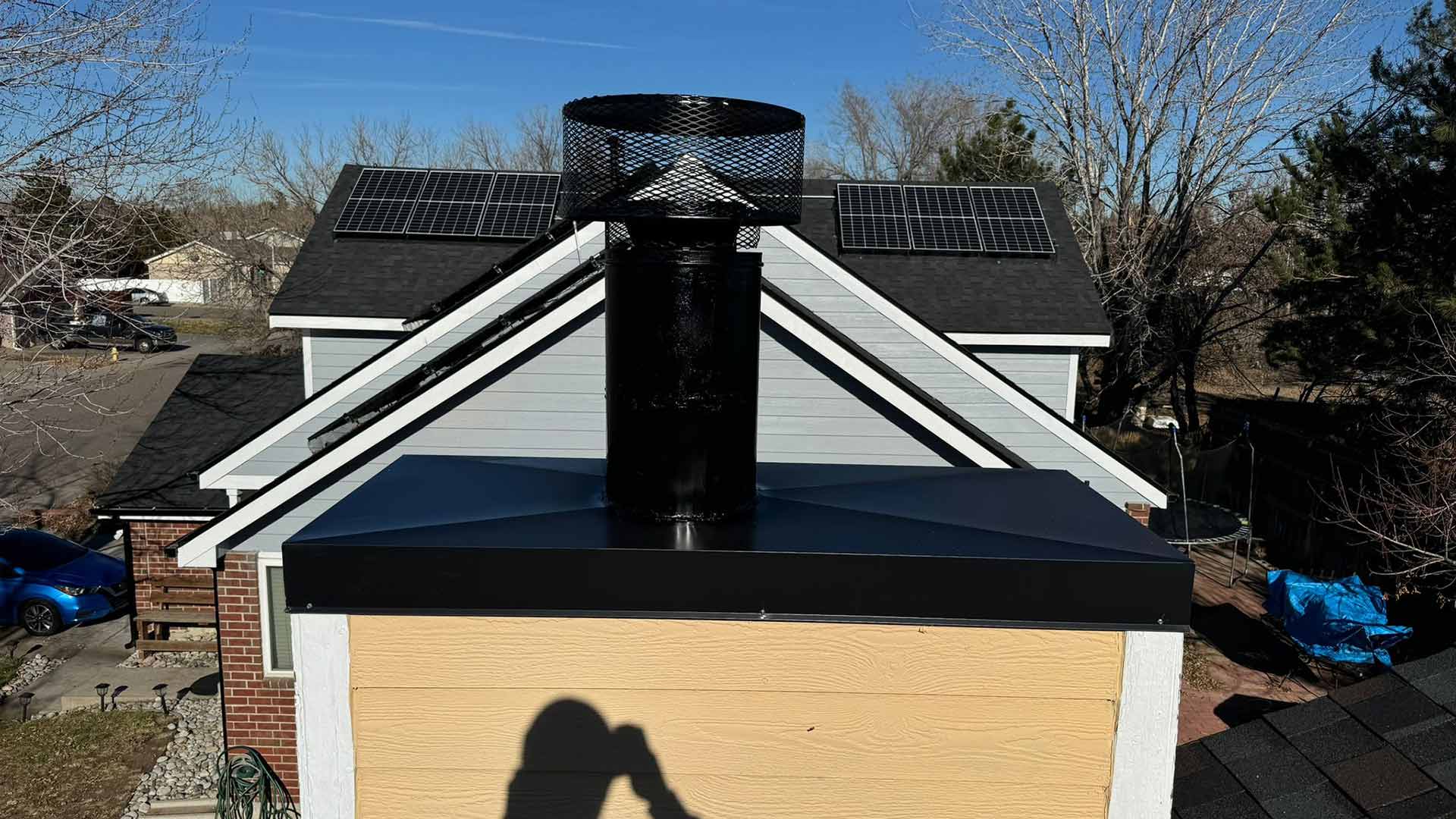
Here's a quick look at the kind of cap and crown work we do on Denver roofs:
Warning Signs You Need a New Damper Cap
If you're in Jefferson or Arapahoe, keep an eye out for these. When you spot one, it's usually time to replace the cap before the trouble works its way down into the chimney.
- Rust or corrosion you can see. Common in snowy areas like Summit and Routt Counties, where the cap stays wet a lot of the year.
- Draft problems or smoke backing up. A failing cap messes with how the chimney pulls, and you'll smell it in the room.
- Water in the fireplace. If you're finding moisture or stains down at the firebox, water's getting in up top. Happens a lot in rainy stretches in Mesa County.
- Animals getting in. Birds or rodents nesting in the flue almost always means the cap is missing, damaged, or has a torn screen.
Keeping Your Damper Cap in Good Shape
Once you've got a quality cap up there, a little upkeep keeps it working for years. Colorado's climate runs from the dry plains of Morgan County to the wet mountain air of Eagle County, and both wear on chimney parts over time. A quick check now and then beats an expensive repair later.
A Simple Maintenance Routine
- Eyeball it twice a year.
- Look for rust, corrosion, or damage, especially in damp spots like La Plata and Montrose Counties.
- Make sure the cap is still fastened tight and the mesh screen isn't packed with debris.
- Get a pro inspection once a year.
- A certified sweep can check the cap and the rest of the chimney at the same time.
- Worth it for hard-working chimneys in cold counties like Summit and Routt.
- Clean the cap.
- Clear off soot, creosote, and anything blocking airflow.
- A chimney brush handles light buildup; call someone if it's caked on.
- Watch for nests.
- In places like Fremont and Delta Counties, birds and small animals go looking for shelter.
- A solid mesh screen keeps them out, so make sure it's intact.
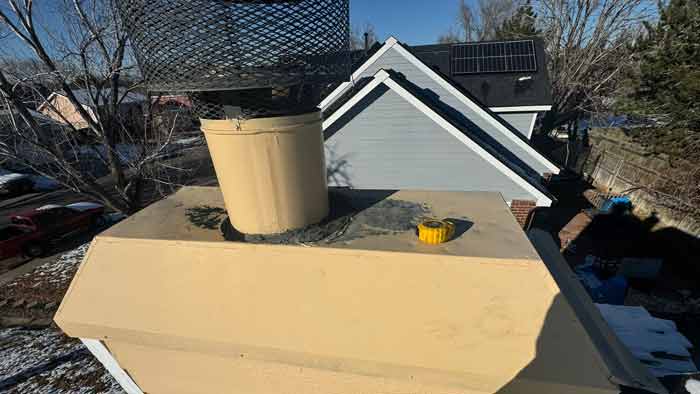 Affordable Chimney Cap Services In Colorado
Common Cap Problems and How We Fix Them
Even a good cap runs into trouble eventually. Here are the issues I see most and what actually fixes them.
| Issue | Cause | Solution |
|---|---|---|
| Rust and Corrosion | Exposure to rain and snow | Upgrade to stainless steel or copper |
| Cap Blown Off | High winds in areas like Weld County | Secure with additional fasteners |
| Blocked Airflow | Debris buildup or bird nesting | Regular cleaning and mesh screen inspection |
| Draft Problems | Improper installation | Adjust cap positioning for better airflow |
Custom vs. Standard Damper Caps: Which Fits Your Colorado Home?
Whether you want a custom cap or an off-the-shelf one really comes down to your chimney's shape and the look you're going for.
Custom Damper Caps
Great for older or high-end homes in places like Boulder and Eagle Counties. A custom cap gets you:
- A look that matches the rest of the house.
- An exact fit for an odd-shaped or oversized flue.
- More money up front, but it lasts.
Price Range: $450 – $850 (installed)
Standard Prefabricated Caps
A good call for suburban homes in Adams and Arapahoe Counties. Prefab caps give you:
- Lower cost and a quick install.
- A fit that works with most common chimney designs.
- Choices in galvanized steel, aluminum, and stainless steel.
Price Range: $200 – $650 (installed)
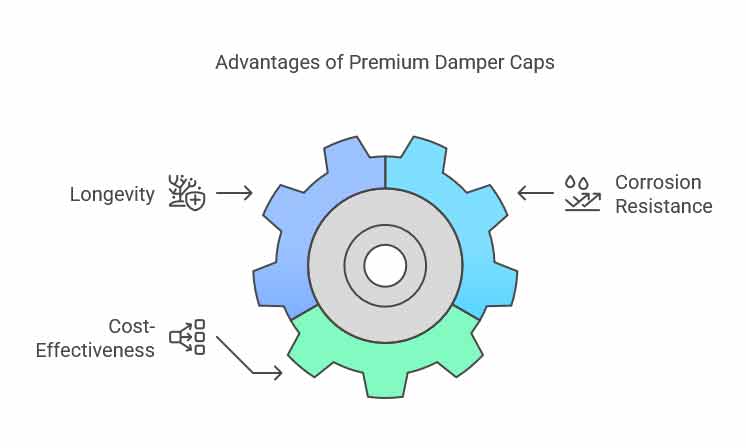 Get Premium Damper Caps In Colorado
Why a Premium Damper Cap Pays Off
If you want the best long-term value, a premium cap in stainless steel or copper earns its keep, especially in the high-wind, high-moisture spots like Mesa and Summit Counties.
What Stainless Steel Gives You
- Long life: Holds up for 20+ years through rough weather.
- Rust resistance: Good in damp, humid conditions.
- Fair price: A solid middle ground between cost and how long it lasts.
What Copper Gives You
- Looks: Real curb appeal, especially on a nice home.
- The longest life: 50+ years, and it ages into a handsome patina.
- Top-tier rust resistance: Handles snow country about as well as anything out there.
Up in the high country around Summit and Eagle, I push stainless or copper every time and don't apologize for it. A galvanized cap might save you a hundred bucks today, but with that snow load and wind, you'll be calling me back in five years. The copper caps I put on fifteen years ago are still up there doing their job and they look better now than the day they went on.
- Adam, Owner, Adam Chimney Sweep
Colorado County-by-County Notes on Damper Caps
Different parts of the state ask different things from a chimney. Here's a quick regional rundown to point you toward the right cap.
Mountain Counties (Summit, Eagle, Garfield)
- Heavy snow means stainless steel or copper so the cap doesn't rust out.
- High-altitude wind calls for a cap that's fastened down tight, with internal baffles to keep the draft strong.
Urban Counties (Denver, Adams, Arapahoe)
- Prefab aluminum or galvanized caps are economical and practical for city homes.
- Make sure whatever goes up meets local building code.
Plains Counties (Weld, Morgan, Elbert)
- Wind is the big one out here, so stainless steel with a mesh screen is a smart bet.
- Less rain means you can lean toward a budget-friendly option if you want.
Where to Buy Damper Caps in Colorado
A reliable supplier or installer is half the battle. These are some of the trusted outfits around the state:
- Mountain Chimney Solutions (Summit & Eagle Counties)
- Specializes in high-altitude stainless steel installs.
- Offers lifetime warranties on premium models.
- Colorado Chimney Services (Denver, Jefferson, Arapahoe Counties)
- Handles both standard and custom cap installs.
- Has affordable maintenance packages.
- Rocky Mountain Fireplace Pros (Mesa, La Plata, Routt Counties)
- Known for high-end copper cap work.
- Does custom designs for luxury homes.
Pro Tip: Look for a retailer that backs its stainless steel and copper caps with a lifetime warranty. If they stand behind it that long, it's usually a good cap.
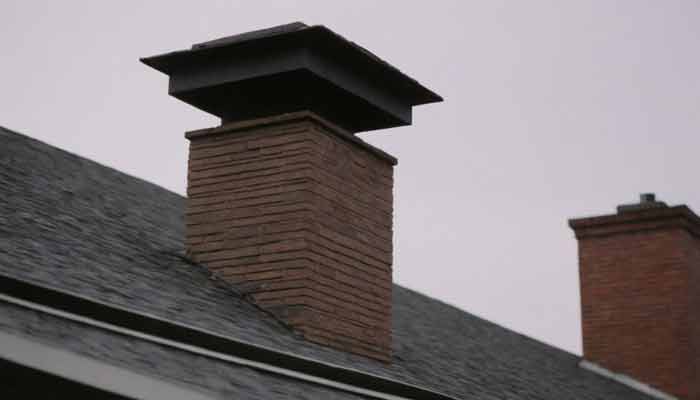 We Can Customize Any Damper For Your Chimney
FAQs About Damper Caps for Colorado Homes
A damper cap does a lot for a chimney: it keeps the weather out, helps with your heating bill, and keeps things running safe. Whether you're in Alamosa County, downtown Denver, or the back roads of San Miguel County, the right cap makes a real difference. Here are 20 questions I get asked most, with straight answers.
1. What is a chimney damper cap, and why do I need one?
It's a cover that sits at the top of your chimney and keeps rain, snow, debris, and animals out while still letting smoke and gases escape. It saves you heat by sealing the flue and it stops water from wrecking the chimney from the inside. Skipping it is one of the most expensive shortcuts you can take.
2. What are the best materials for chimney damper caps in Colorado's climate?
Stainless steel and copper, hands down. They're tough, they don't rust easily, and they last. Stainless steel suits the high-altitude, high-wind spots like Summit and Routt Counties, while copper adds a nice touch to older homes in Chaffee County.
3. How much does installing a damper cap in Colorado cost?
Anywhere from $125 to $1,000, with most jobs landing around $300. Chimney size, material, and how easy the roof is to reach all move the number. A custom copper cap somewhere like Aspen in Pitkin County runs higher because of the material and the look.
4. How long do damper caps last?
- Galvanized steel: 5 years
- Aluminum: 5-10 years
- Stainless steel: 20+ years
- Copper: 50+ years with proper maintenance
The stainless and copper caps I install around Larimer County give you the best value over time, and a lot of them carry lifetime warranties.
5. Can I install a damper cap myself or should I hire a professional?
You can do it yourself if you're handy and steady on a roof, but a pro install gets you the right fit, code compliance, and a cap that's fastened so the wind won't take it. In windy spots like Douglas County, I'd lean toward hiring it out.
6. What are the most common signs that I need a new damper cap?
- Rust or corrosion on the cap you've got
- Water showing up inside the fireplace
- Draft trouble or a hard time getting a fire going
- Animals or debris in the chimney
- Obvious damage after a storm, which we see in counties like Mesa and Delta
7. Do damper caps help with energy efficiency?
Yes. A cap with a top damper seals the flue when there's no fire, so you keep warm air in and cold drafts out. In cold counties like Eagle County, that shows up as a lower heating bill.
8. What is the difference between a chimney cap and a damper cap?
A plain chimney cap mostly blocks debris and animals. A damper cap adds a built-in damper you can open and close from inside, which gives you better draft control and a tighter seal for energy savings.
9. What brands of damper caps are recommended for Colorado homeowners?
The ones I reach for:
- HY-C: Affordable, durable, made in the USA.
- DuraVent: High-temperature rated for wood and gas.
- Draft King: Budget galvanized steel.
- SuperVent: Good for multi-flue chimneys, which I see across Arapahoe County.
 Affordable Or Luxury Chimney Caps In Colorado
10. Are there different styles of damper caps available?
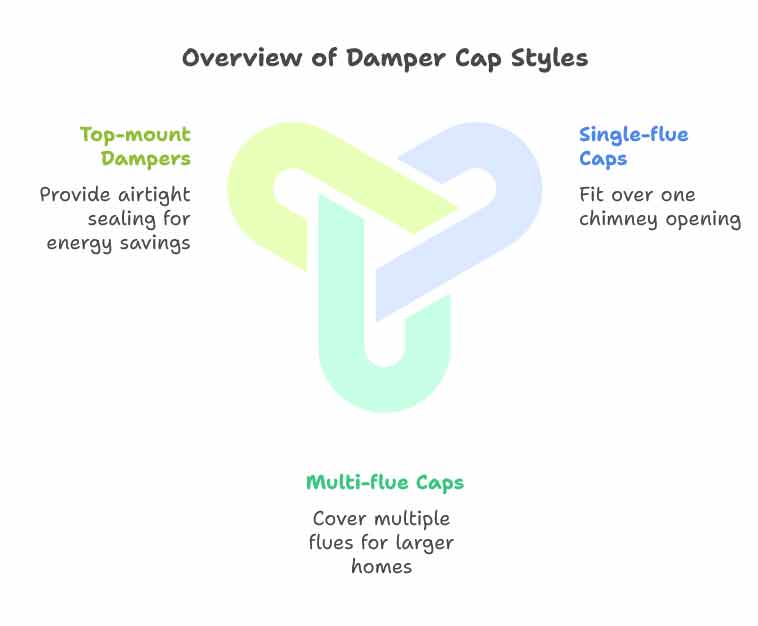
There are. The usual ones:
- Single-flue caps: Cover one chimney opening.
- Multi-flue caps: Cover several flues at once, handy for bigger homes in Jefferson and Pueblo.
- Top-mount dampers: Give you an airtight seal for the best energy savings.
11. What maintenance does a damper cap require?
Not much:
- Check for rust or damage every six months.
- Clear out creosote and debris.
- Look the mesh screen over for blockages, especially where wildlife is busy like Elbert County.
12. Will a damper cap affect my fireplace's draft?
In a good way. A cap that's installed right cuts downdrafts and keeps the air moving the way it should. In windy counties like Weld and Morgan, get one with baffles to keep the draft steady.
13. Can damper caps prevent chimney fires?
Not directly, but they help. By keeping debris out and slowing creosote buildup, they take away some of the fuel a chimney fire needs, which matters in fire-prone areas like La Plata. For the full picture on chimney fire safety, the National Fire Protection Association is the authority I point folks to.
14. What size damper cap do I need for my chimney?
It depends on the flue. You measure the inside and outside width of the flue and factor in how many flues you've got and how tall the chimney is. A professional installer in Montrose County can size it for you so there's no guesswork.
15. Are there damper caps suitable for high-temperature applications?
Yes. 304-alloy stainless steel caps, the kind that go on wood stoves in Fremont and Delta Counties, are built for high heat and stand up to corrosion over the years.
16. Can a damper cap help reduce noise from the chimney?
It can. A well-fitted cap cuts down the wind noise and that annoying whistle you get from strong drafts, which is a real thing in windy spots like Summit County.
17. Will installing a damper cap help with smoke problems in my home?
Often, yes. By stopping downdrafts and helping the draft pull, a cap keeps smoke from rolling back into the room. That's a big help for homes in valleys like Routt County, where the airflow can be tricky.
18. What should I do if my damper cap gets damaged during a storm?
If something like hail in Boulder County dents or shifts your cap, take a look for dents and displacement, then call a chimney service to repair or replace it before the next storm. Don't let a damaged cap ride.
19. Are there any rebates or incentives for installing energy-efficient chimney caps?
Sometimes. A few counties, like Boulder and Larimer, run clean-air programs that offer incentives for energy-efficient chimney work. Check with your local energy provider to see what's on the table.
20. How do I choose the right damper cap for my Colorado home?
Weigh these three things:
- Climate: Go stainless steel for humid or snowy areas like Eagle County.
- Looks: Copper boosts curb appeal in upscale areas like Pitkin County.
- Budget: Galvanized steel is cheap up front but you'll replace it sooner.
Final Thoughts: Putting the Right Cap on Your Colorado Chimney
Whether you're a homeowner in El Paso County after a budget fix or a business owner in Denver County who needs serious protection, the right damper cap adds years to your chimney and keeps it running efficiently. It's a small part with a big job.
The short version:
- Pick the right material. Stainless steel gives you the best balance of toughness and price for most Colorado homes.
- Lean toward a pro install. You get a secure fit, the cap won't blow off, and it'll meet local code.
- Keep up with inspections. A quick yearly check heads off the expensive repairs.
Make a smart call here and you'll get better efficiency, a drier chimney, and a system that holds up for the long haul. If you'd rather skip the roof and have us handle it, give Adam a call at (720) 207-9232 or reach out through our contact page and we'll get a cap sized and installed right.