Top Wood-Burning Stove Inserts Across Colorado Counties
 A good wood-burning stove insert turns a drafty old fireplace into the warmest spot in the house, and that matters in Colorado more than just about anywhere. The weather here swings hard. One week you're in the snowy peaks above Aspen in Pitkin County, the next you're dealing with a cold snap in the middle of Denver. A wood stove insert heats your home efficiently, looks great doing it, and keeps running when the grid goes down. I've installed these all over the state, and below I'll walk you through the benefits, the county rules you have to deal with, and how to pick the right one.
I'm Adam. I've run Adam Chimney Sweep here in Denver since 2001, and I've put inserts into everything from tiny mountain cabins to big suburban floor plans. If you'd rather just talk it through, call me at (720) 207-9232.
Why Wood-Burning Stove Inserts Are Perfect for Colorado Homes
Wood-burning stove inserts are a smart pick for Colorado folks who want efficient, clean heat without a sky-high gas bill. Here's what you actually get:
- Energy Efficiency: Modern inserts like the HEI150 use advanced combustion tech that squeezes more heat out of every log while putting out far less smoke.
- Cost Savings: Wood-burning inserts usually cost less to run than electric or gas inserts, which is a big deal for folks out in rural spots like Fremont and Montezuma Counties.
- Eco-Friendly Performance: New EPA-certified models, such as the Lopi NexGen-Fyre™ series, put out up to 90% fewer pollutants than the old smoke-belchers they replace.
- Reliability During Power Outages: When a winter storm knocks the power out, an electric heater is dead weight. A wood-burning insert keeps your family warm anyway.
 That last point is the one I hear about most after the fact. People install for the lower bills, then a storm rolls through, the lights go out for two days, and the insert is the only thing keeping the pipes from freezing. Suddenly it's not a nice-to-have anymore.
The number one mistake I see with wood inserts is people buying one sized for a magazine photo instead of their actual house. An insert that's too big for the room runs you out, so you choke the air down, and a choked fire makes creosote fast. Tell me your square footage and your floor plan before you fall in love with a model, and I'll steer you right.
- Adam, Owner, Adam Chimney Sweep
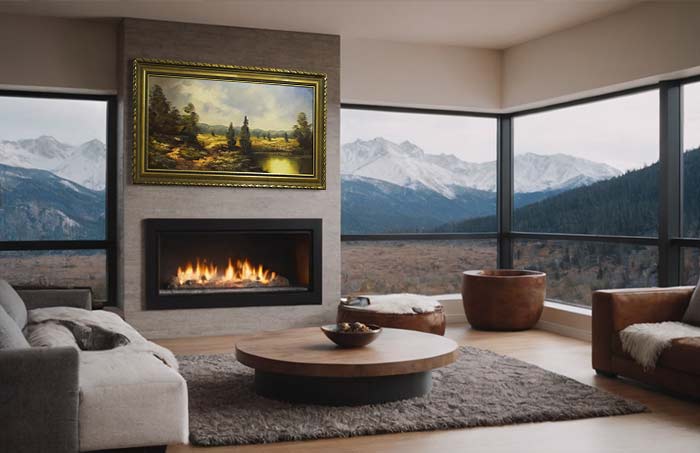 Top Wood-Burning Stove Inserts Services In Co
Choosing the Right Wood-Burning Stove Insert
Picking the right insert comes down to a few things: how big your home is, how much heat you really need, and what your county lets you install. Get those three sorted and the rest is easy.
Top Wood Stove Insert Models for Colorado Homes
| Model | BTU Output | Heating Capacity (sq. ft.) | Emissions (g/hr) | Burn Time | Price Range |
|---|---|---|---|---|---|
| HEI150 | 65,000 BTU | 600 – 1,700 | 2.6 g/hr | Up to 6 hours | $2,500 – $3,200 |
| Lopi Answer™ | 59,529 BTU | 750 – 1,200 | 2.0 g/hr | Up to 8 hours | $2,200 – $2,900 |
| Napoleon S25i | 70,000 BTU | Up to 2,100 | 1.9 g/hr | Up to 10 hours | $3,000 – $4,000 |
| Regency I2403M | 55,000 BTU | 800 – 1,800 | 3.0 g/hr | Up to 7 hours | $2,800 – $3,500 |
A quick word on that table. Those heating-capacity numbers assume a reasonably tight, modern home at lower elevation. Up high, where the air is thinner and the walls are older, knock the top of that range down a bit. A stove rated for 1,800 square feet in a Denver bungalow won't push the same heat in a leaky 9,000-foot cabin, so plan for the real conditions, not the brochure.
Installation Regulations in Colorado Counties
Every Colorado county has its own regulations for installing and running wood-burning stove inserts, and they're not optional. Here's a look at what some counties expect:
| County | Regulations Overview | Permit Requirements |
|---|---|---|
| Denver County | EPA-certified models only, emission limits enforced | Mechanical permit required |
| Boulder County | Additional clearances for air quality compliance | Inspection required post-installation |
| Jefferson County | Compliance with CSA B415.1-10 emissions standards | Permit and annual inspection required |
| Pueblo County | Restrictions on non-certified wood stoves, catalytic options preferred | Building and electrical permits are mandatory |
Before you install a wood-burning insert, call your local building or fire department and check that your plan meets code. It's a five-minute phone call that saves you from tearing out a finished install later. A reputable installer will usually pull the permit for you and meet the inspector, so ask up front whether that's included.
One more Colorado-specific wrinkle: many Front Range counties tie wood-burning rules to air-quality days. On a "no-burn" advisory, an old uncertified stove is off-limits, but a properly installed EPA-certified insert is generally exempt because it burns so clean. That exemption alone is a good reason to do the install right and keep the paperwork.
Best Locations for Wood-Burning Stove Inserts in Colorado
Heating needs aren't the same from one corner of this state to the next. A ski lodge at 9,000 feet and a townhome in the suburbs ask very different things of a stove. Here's how I think about the main regions.
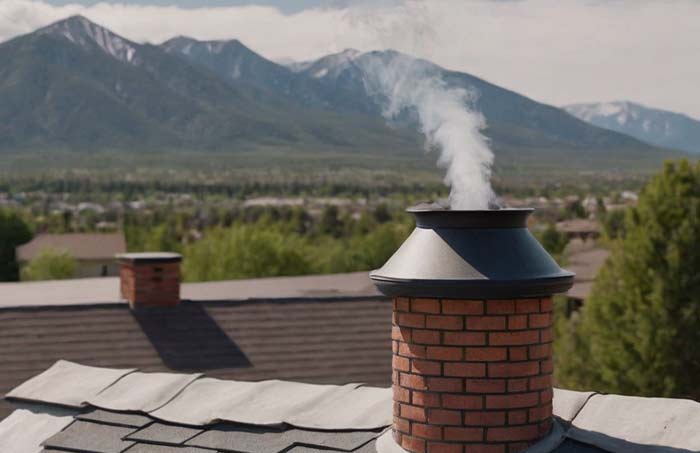 Clean White Smoke Of A Wood-Burning Stove Insert
Mountain Counties: Ideal for High-Efficiency Heating
- Summit County: Winters here are long and brutal, so high-efficiency inserts like the Napoleon Oakdale™ keep things warm without burning through a whole woodpile a week.
- Eagle County: Modern inserts with automated controls hold steady heat in luxury homes and vacation properties that sit empty between visits.
- Garfield County: High-altitude homes do best with efficient air-intake systems, which also cut down on the gunk you'd otherwise have to clean out.
Urban Counties: Efficiency Meets Style
- Denver County: Clean-lined models like the Lopi Evergreen NexGen-Fyre™ fit right into a modern living room while still throwing real heat.
- Arapahoe County: Folks here tend to want easy-to-maintain inserts with a big glass viewing area, so the fire is part of the room.
- Broomfield County: Eco-minded residents go for low-emission, high-efficiency models with programmable controls.
Rural Counties: Cost-Effective Heating Solutions
- Routt County: Budget-friendly options such as the Regency I2403M burn a long time and keep heating costs down.
- Montezuma County: Off-grid homes lean on wood stoves to stay warm through the cold months when there's no other reliable heat.
If your place doesn't fit neatly into one of those buckets, that's normal. Plenty of homes I work on are a mix, like a Denver foursquare with a finished basement that drinks heat, or a Boulder ranch with a vaulted addition. The fix is usually matching the insert to the room you actually live in, not the whole square footage on the listing.
Installation and Maintenance Considerations
Get the install right and keep up with maintenance, and a quality insert will outlast a couple of cars. Here's what that takes.
Installation Steps:
- Site Preparation: Set up proper floor protection and check chimney clearance against the manufacturer's specs.
- Chimney Liner Installation: A stainless steel liner is needed for good draft and to meet safety code.
- Insert Placement: Fit the unit snugly into the existing fireplace opening.
- Sealing and Venting: Seal it tight so the insert pulls air the way it's supposed to.
- Final Inspection: Your local inspector signs off to confirm it all meets code.
Maintenance Tips:
- Regular Cleaning: Clear out ash and soot so buildup doesn't feed a chimney fire.
- Inspect Gaskets: Check the door seals so the unit stays airtight and efficient.
- Chimney Sweeping: Get a professional inspection and cleaning once a year.
That liner step in the install list is the one people try to skip to save a few hundred bucks, and it's the one I'll never skip. Without a properly sized liner, the flue is too big for the insert, the draft goes lazy, and you get smoke spillage and a creosote factory. Do it once, do it right.
People ask me how often a wood insert really needs sweeping, hoping I'll say every few years. With wood, plan on once a year, every year. I've pulled glassy Stage 3 creosote out of inserts that looked spotless from the living room. You can't see what's caked up in the liner from your couch, and that's exactly where a fire starts.
- Adam, Owner, Adam Chimney Sweep
Affordable Chimney Services Across Colorado
If you're thinking about a wood-burning stove insert, there are crews all over Colorado that handle the install and the upkeep at a fair price. Here are a few options homeowners run into:
| Company | Service Area | Contact | Service Costs (Est.) |
|---|---|---|---|
| Colorado Chimney Sweep | Denver, Arapahoe, Jefferson | (303) 555-6789 | $250 – $500 per service |
| Mountain Hearth Pros | Summit, Eagle, Garfield | (970) 555-4321 | $400 – $700 per service |
| Front Range Fireplace | Boulder, Weld, Larimer | (720) 555-9876 | $300 – $600 per service |
Wherever you land, ask a few plain questions before you book: Are you CSIA-certified? Do you pull the permit and meet the inspector? Will you size the liner to my specific insert? If you're in our service area and want straight answers, call Adam Chimney Sweep at (720) 207-9232 or reach out through our contact page and I'll walk you through it.
Investing in Comfort and Efficiency
Whether you're warming up a home in Denver County or chasing efficient heat out in rural Morgan County, a wood-burning stove insert gives you a rare combo: it's efficient, it's cheap to run, and it's easy on the air. Pick the right model, follow your county's rules, and stay on top of maintenance, and you'll have a cozy, smoke-free house all winter.
Types of Wood-Burning Stove Inserts for Different Colorado Lifestyles
The right insert really does depend on how you live, how big your place is, and what you're after. Colorado's geography is all over the map, so a cabin in the San Juans and a townhome in the suburbs need very different stoves. Match the insert to your life and it just works.
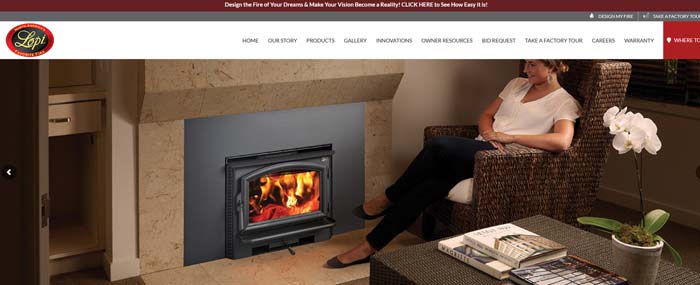 Get Lopi Answer™ Nexgen-Fyre™ Installed In Colorado
1. Compact Inserts for Smaller Homes and Cabins
Counties like Elbert and Montezuma, full of smaller homes and cabins, get a lot out of a compact wood stove insert. Something like the Lopi Answer™ NexGen-Fyre™, rated for 750 to 1,200 sq. ft., gives you plenty of warmth without cooking you out of a small room. These work well for:
- Off-grid cabins in Montezuma County, where you're on your own for heat.
- Tiny homes in Elbert County where every square foot counts.
- Backup heat in mobile or modular homes.
Recommended Model:
- Lopi Answer™ NexGen-Fyre™
- Heating Capacity: 750-1,200 sq. ft.
- Burn Time: Up to 8 hours
- Price Range: $2,200 – $2,900
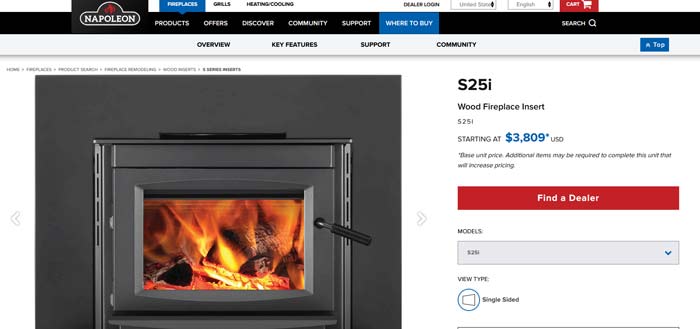
2. Medium-Sized Inserts for Suburban Homes
Out in counties like Arapahoe and Douglas, where suburban houses have open floor plans and modern layouts, a medium-sized insert like the Napoleon S25i is the sweet spot. It heats up to 2,100 sq. ft., which makes it a favorite for:
- Family homes in Douglas County, where the winters get plenty cold.
- Homeowners in Arapahoe County who want efficiency and good looks in one package.
- Open-plan living spaces that need steady, even heat.
Recommended Model:
- Napoleon S25i
- Heating Capacity: Up to 2,100 sq. ft.
- Burn Time: Up to 10 hours
- Price Range: $3,000 – $4,000
 Get Regency Wood Fireplace Inserts Installed Today
3. Large Inserts for Mountain Retreats
If you're up in Summit, Eagle, and Routt Counties, where it stays cold most of the year, you want a high-BTU insert that can run all day. The Regency I2403M, good for up to 1,800 sq. ft., is built for long, steady heat, which makes it a great fit for:
- Ski lodges in Summit County that need warmth from dawn to dark.
- Vacation homes in Eagle County that have to heat up fast when you arrive.
- Rural properties in Routt County where you're counting on your own woodpile.
Recommended Model:
- Regency I2403M
- Heating Capacity: 800 – 1,800 sq. ft.
- Burn Time: Up to 7 hours
- Price Range: $2,800 – $3,500
Wood-Burning Stove Inserts Installation Considerations Across Colorado
Before you buy, think through what the install actually involves, because it changes from county to county. The big ones to keep in mind:
- Permit Requirements:
- In counties like Denver and Boulder, you'll need a mechanical permit and an inspection to show the install meets emissions standards.
- Rural counties like Morgan and Fremont may have fewer rules on the books, but I'd still get it installed by a pro.
- Chimney Liner Installation:
- Installs in counties like Jefferson and Weld call for a stainless steel liner for both safety and efficiency.
- Combustion Air Supply:
- High-altitude spots like Garfield and La Plata Counties may need extra air brought in so the fire burns clean.
Cost Breakdown for Wood Stove Insert Installation
What you'll pay to install a wood-burning stove insert depends on where you live and how involved the job is. Here's a rough breakdown of the pieces for homeowners around Colorado:
| Installation Component | Estimated Cost (USD) |
|---|---|
| Permit Fees | $100 – $500 |
| Chimney Liner Installation | $500 – $+1,500 |
| Labor (Certified Installer) | $200 – $+1,200 |
| Inspection Fees | $0 – $300 |
| Additional Custom Work | $200 – $800 |
Add it up and, depending on how tricky the job is, a full install for an average home in Boulder or El Paso Counties runs somewhere between $1,000 and $4,500. The custom-work line is where surprises hide. An old masonry fireplace with a cracked liner, an oddball flue size, or a damper that has to come out can all nudge the total up, which is why an in-person look beats a phone quote every time.
Wood Stove Insert Efficiency and Environmental Impact
Folks in green-minded spots like Cedaredge and Delta Counties care a lot about clean-burning appliances that hold emissions down. EPA-certified models, like the Lopi Evergreen NexGen-Fyre™, use a second burn stage that reignites the smoke before it goes up the flue, which cuts particulates way down.
Environmental Benefits of Modern Wood-Burning Stove Inserts:
- Up to 75% fuel efficiency, so you burn less wood for the same heat.
- Emission cuts of up to 90% next to the older stoves they replace.
- Cleaner air both inside the house and out in the neighborhood.
Counties like Pueblo and Weld, which get hit with air-quality trouble in winter, see a real difference when homes switch to modern, low-emission wood-burning appliances. If you want to read up on clean-burning straight from the source, the EPA's Burn Wise program is a solid place to start.
Wood Stove Maintenance: Keeping It Running for the Long Haul
Keeping up with a wood-burning stove insert is what makes it last and stay efficient. A little regular care heads off expensive repairs and keeps the heat steady, which really counts in high-use areas like Delta and Montrose Counties, where the stove is the main heat source.
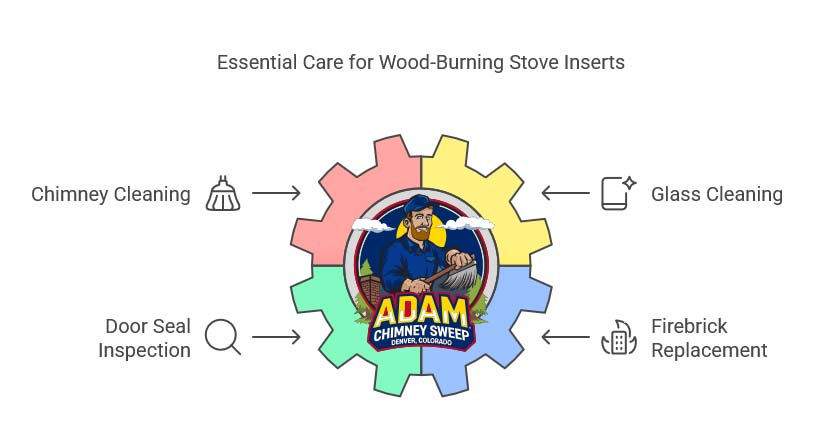 Care For Wood-Burning Stove Inserts Diagram
Key Maintenance Tasks for Wood-Burning Stove Inserts:
- Chimney Cleaning:
- Do it once a year to clear creosote and head off chimney fires.
- Professional cleaning runs roughly $150 to $300 in areas like Elbert and Fremont Counties.
- Glass Cleaning:
- Wipe the glass with a damp cloth dipped in cool ash to lift off the black haze.
- Door Seal Inspection:
- Check that the gasket still seals tight so the fire keeps burning efficiently.
- Firebrick Replacement:
- Look the firebricks over and swap out any that are cracked so the insert lasts.
Top Wood Stove Dealers and Installers in Colorado
Finding a dealer and installer you trust is half the battle, because a great stove installed badly is just an expensive headache. We handle wood insert installs across the Denver metro and beyond, and we'd be glad to take a look at your fireplace and tell you straight what'll work. Call (720) 207-9232 or browse our full list of services to see what we cover.
Why Wood-Burning Stove Inserts are a Smart Choice for Colorado Homes
Whether you're trying to cut your heating bill, shrink your footprint, or just enjoy a real fire on a snowy night, a wood stove insert is a solid investment for a Colorado home. There's a model for just about everyone, from a compact unit for a city bungalow to a big workhorse for a mountain retreat.
Go with an EPA-certified model, have it installed by a pro, and keep up with yearly maintenance, and homeowners across the state, from busy Denver County to the wide views of La Plata County, can count on warm, efficient heat for years.
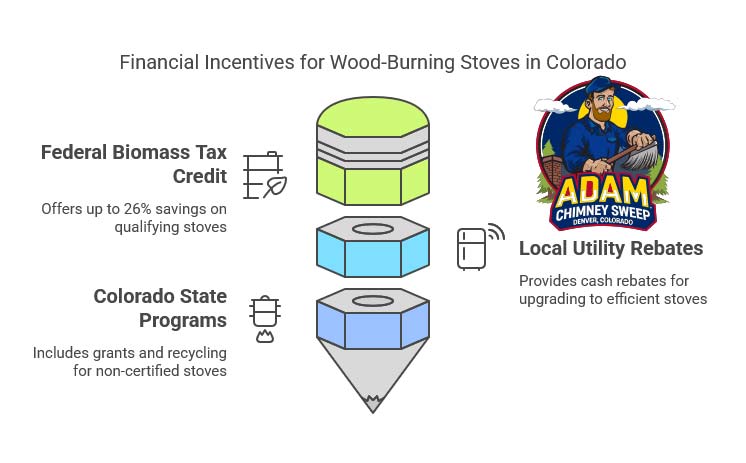 Financial Resources For Wood-Burning Stoves In Colorado
Financing and Incentives for Wood-Burning Stove Inserts in Colorado
A wood-burning stove insert is a real chunk of money up front, but there's help out there. Plenty of programs and rebates exist to nudge Colorado homeowners toward clean, efficient heat, and a lot of counties chip in too.
1. Federal Biomass Tax Credit
Homeowners across the state, including those in Denver and Boulder Counties, can tap the U.S. Federal Biomass Tax Credit. It gives you up to 26% back on a qualifying wood stove insert, covering both the unit and the install.
Key Details:
- Applies to EPA-certified models hitting at least 75% efficiency.
- Covers the purchase, the installation, and the venting parts.
- Good through December 31, 2026.
2. Local Utility Rebates
Some utilities in counties such as Broomfield and Montezuma hand out rebates when you upgrade to a cleaner, high-efficiency wood-burning appliance.
A few examples:
- Xcel Energy (Denver & Jefferson Counties): Up to $300 rebates to swap an older wood stove for an EPA-certified insert.
- Black Hills Energy (Pueblo County): Incentives from $200 to $500 for high-efficiency heating appliances.
- The City of Boulder Clean Air Program helps homeowners move off uncertified wood stoves and into clean-burning inserts.
3. Colorado State Programs
Colorado runs grants and rebates through the Woodstove Exchange Program, offered in counties like Summit and Routt, where air quality is a worry. The program gets you:
- $1,000 – $3,000 rebates for replacing a non-certified wood-burning stove.
- Free recycling of the old unit.
- Discounts on chimney maintenance.
Rebate programs come and go, so check that a given offer is still live before you bank on it. The state's air-quality folks at the Colorado Department of Public Health and Environment keep current info on what's available and which areas qualify.
Don't let the rebate paperwork pick your stove for you. I've watched people chase a $300 utility rebate onto a model that was wrong for their house, and then spend years fighting a stove that never heats right. Pick the insert that fits your home first, then go grab whatever rebates that model happens to qualify for. The savings should be the bonus, not the whole plan.
- Adam, Owner, Adam Chimney Sweep
Comparing Heating Costs: Wood-Burning vs. Other Heating Options
It helps to see how wood-burning stove inserts stack up against the other ways to heat a house. Here's the rundown for Colorado homeowners.
| Heating Option | Average Annual Cost (Colorado) | Efficiency | Reliability in Power Outages |
|---|---|---|---|
| Wood-Burning Inserts | $700 – $1,500 | 75-85% (EPA models) | 100% Reliable |
| Natural Gas | $1,500 – $2,500 | 90% | Dependent on supply |
| Electric Heating | $2,000 – $3,000 | 95% | No operation during outages |
| Propane | $1,800 – $2,800 | 80-90% | Requires fuel refills |
Key Takeaways:
- Wood-burning inserts are the cheapest option in rural counties like Delta and Fremont, where natural gas lines may not even reach.
- Homes in urban areas like Elbert and Arapahoe Counties often do well with a hybrid setup that pairs wood heat with an electric backup.
- Wood stoves are a dependable heat source where the power likes to go out, like Garfield and La Plata Counties.
The Best Firewood for Efficient Heating in Colorado
The wood you burn makes a bigger difference than most people think. Homeowners in counties like Weld and Montrose, where wood is easy to come by, should be picky about the type they burn.
Best Firewood Types for Colorado Homes:
| Wood Type | BTU Output Per Cord | Burn Time | Best For |
|---|---|---|---|
| Oak | 24-28 million BTU | Long | Cold mountain areas like the Summit |
| Hickory | 28-30 million BTU | Long | Large homes in Douglas |
| Maple | 19-23 million BTU | Medium | Suburban homes in Jefferson |
| Pine | 15-20 million BTU | Short | Mild climates in Broomfield |
| Aspen | 14-18 million BTU | Short | Quick heating in Pueblo |
Colorado leans heavy on pine and aspen because that's what grows here, and both are fine to burn as long as they're properly seasoned. The catch with softwoods is they're sappy and they'll build creosote faster than a dense hardwood, so if pine is your main fuel, stay extra honest about that yearly cleaning.
Pro Tips for Firewood Storage:
- Season firewood for 6-12 months to dry the moisture out.
- Stack it in a covered, breezy spot so it doesn't grow mold or draw pests.
- Grab a cheap moisture meter and aim for 15-20% moisture for the cleanest, hottest burn.
Common Installation Mistakes and How to Avoid Them
A clean install is what keeps a wood-burning stove insert safe and efficient. I see the same handful of mistakes pop up in counties like El Paso and Larimer, and every one of them is avoidable.
1. Improper Chimney Liner Installation
A liner that's the wrong size or sloppily run kills your draft. Size it to the stove's specs and the local code, and don't cut corners on the connection.
2. Inadequate Clearance to Combustibles
Counties like Jefferson and Adams are strict about how far the unit has to sit from walls and furniture. Follow the manufacturer's clearance numbers and you're fine.
3. Neglecting Ventilation Requirements
High-altitude spots like Garfield and Eagle Counties need extra combustion air, or the fire starves and smoke backs up into the room.
Quick FAQ: Wood-Burning Stove Inserts in Colorado
A few questions I get on nearly every estimate.
Do I really need a liner with my insert?
Yes. An insert vented into a big open masonry flue won't draft right. A correctly sized stainless liner is what makes it burn clean and pass inspection, and in most metro counties it's required, not optional.
How long does an install take?
Most straightforward installs are a one-day job once the permit's in hand and the insert's on site. An old fireplace that needs the damper removed or some masonry work can stretch it longer.
Can I burn on a no-burn day?
A properly installed EPA-certified insert is generally exempt from Front Range no-burn advisories because it burns so clean. An old uncertified stove is not. When in doubt, check your county's current rule.
How much wood will I go through?
For a home leaning on the insert as primary heat, plan on roughly two to four cords a season, depending on your winter, your elevation, and how tight the house is. Seasoned hardwood stretches a lot further than green pine.
Testimonials from Colorado Homeowners
It's one thing for me to talk up these inserts. It's another to hear it from people living with them through a Colorado winter.
John M., Summit County:
“Our cabin stays warm throughout the winter thanks to our Regency wood stove insert. Even when temperatures drop below zero, it provides consistent heat without fail.”
Sarah L., Denver County:
“I love how my Lopi Evergreen insert adds a cozy ambiance while keeping my heating bills low. The installation process was smooth, and the rebate programs made it more affordable.”
Jake R., Pueblo County:
“Switching to a Napoleon wood insert was the best decision for our home. It’s reliable, looks great, and we no longer worry about power outages.”
Eco-Friendly Wood-Burning Solutions for a Sustainable Future
Colorado counties, especially green-leaning ones like Boulder and La Plata, put real effort into cleaner heating to fight air pollution and trim carbon. A modern wood insert fits that goal better than most people expect.
Sustainable Wood-Burning Practices:
- Go with EPA-certified inserts that use catalytic or secondary combustion.
- Burn sustainably sourced firewood from local suppliers.
- Keep the chimney swept so you're not pushing extra smoke out the top.
Environmental Impact Reduction:
Today's wood-burning stove inserts put out far less smoke than the stoves they replace, which helps Colorado's air, especially in packed-in areas like Denver and Adams Counties. For independent guidance on safe, clean wood burning, I point people to the Chimney Safety Institute of America.
Conclusion: Warming Colorado Homes the Right Way
From the high country in Eagle County to the open plains of Weld County, a wood-burning stove insert gives you heat that's efficient, dependable, and easy on the wallet. With this many styles, sizes, and models out there, just about any home can find its match, grab some rebates along the way, and stay on the right side of local code.
If you're weighing a wood stove insert for your Colorado home, talk to a real installer, dig into the rebates, and pick an EPA-certified model so you get clean, efficient heat all winter. When you're ready, Adam Chimney Sweep is here. Call (720) 207-9232 or book a chimney inspection and we'll get your fireplace ready for that first cold snap.