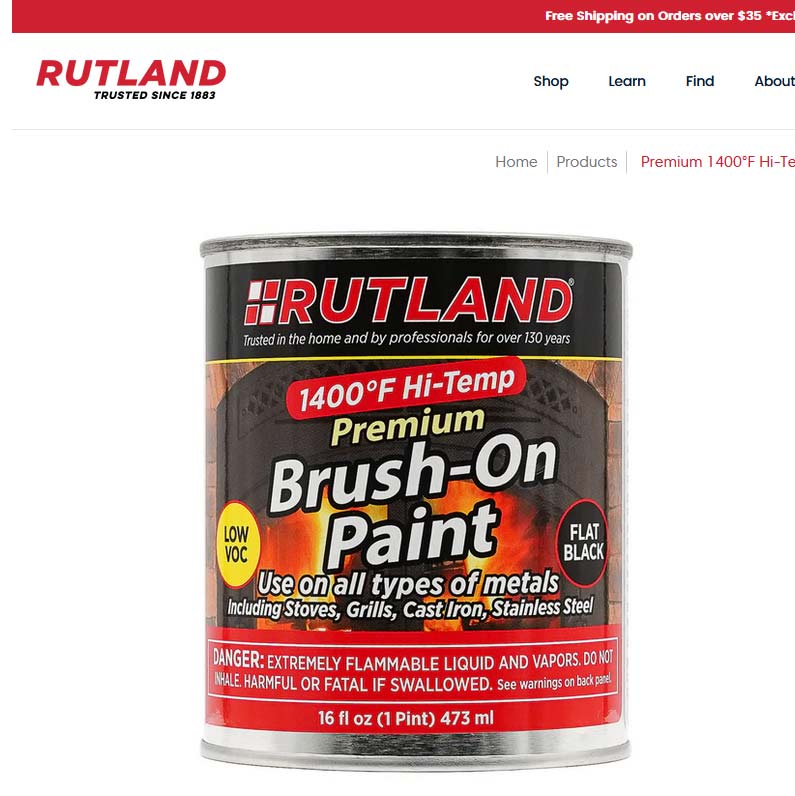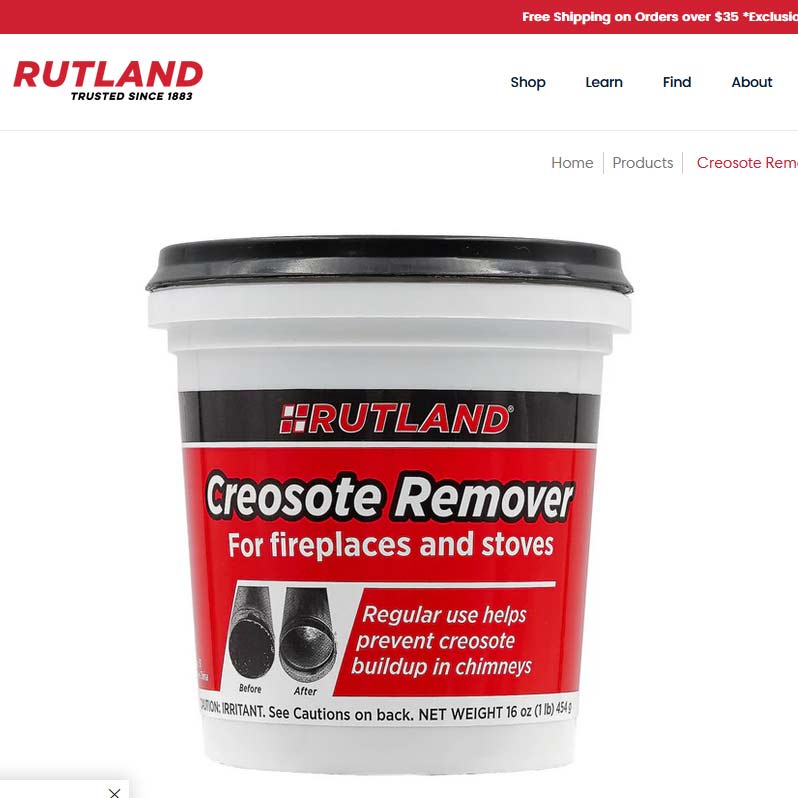
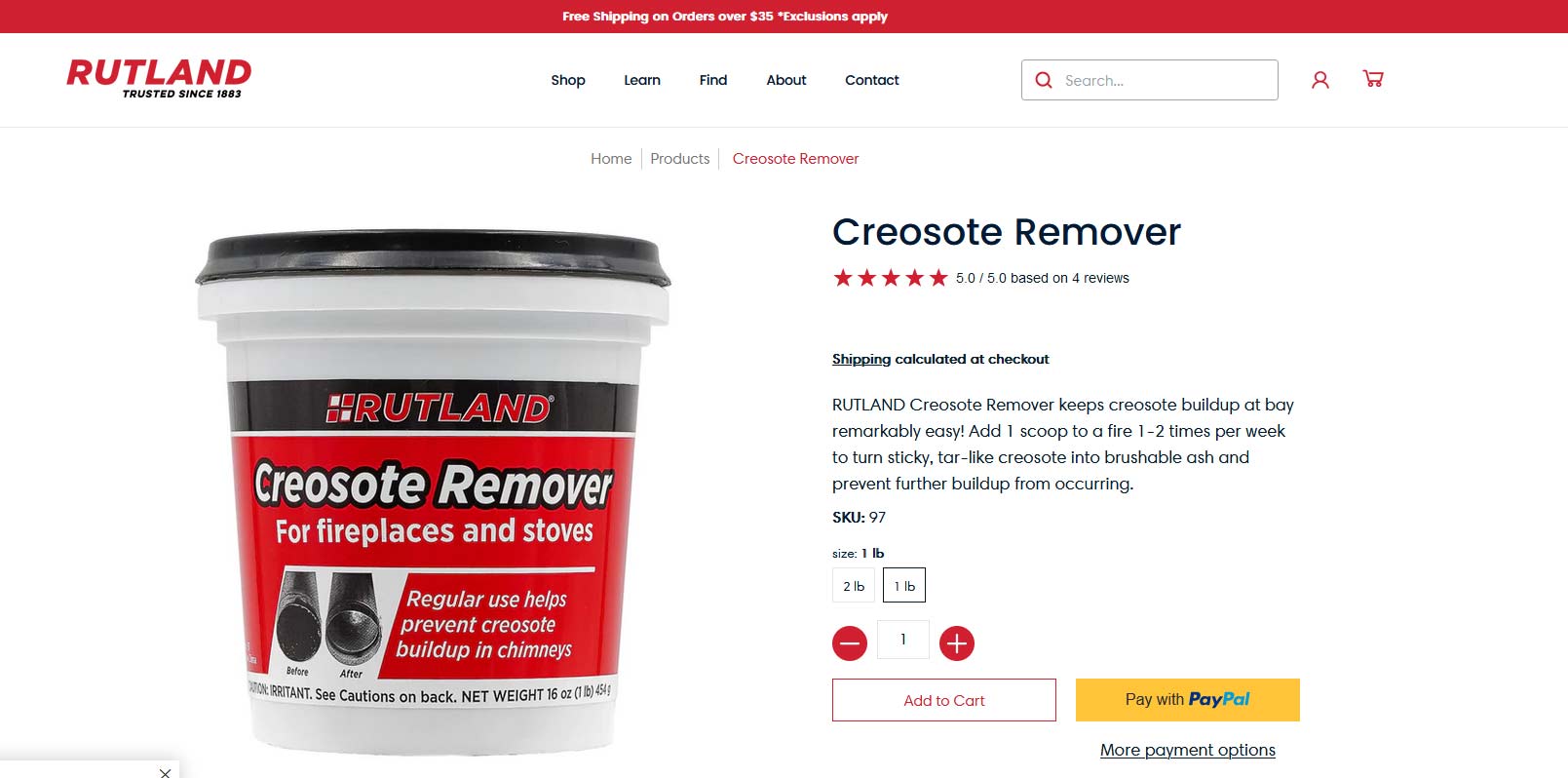
 If you burn wood in Colorado, keeping creosote out of your chimney is one of the most important things you can do for your home, and the Rutland Creosote Remover is a cheap, easy way to stay ahead of it. Our weather swings hard here, from bone-dry afternoons to cold snaps that have you running the fireplace every night, and that combination cakes creosote onto flue walls fast. This powder won't replace a real sweep, but used right it breaks down the sticky stuff so cleanings go smoother and your flue stays safer between visits. Below I'll walk through what creosote actually is, how the product works, and how we use it on real jobs across counties like Archuleta, Baca, Bent, Cheyenne, Conejos, Costilla, Crowley, Delta, Garfield, and Grand.
 Get Rutland Creosote Remover For A Perfect Sweep
What is Creosote and Why is it Dangerous?
Creosote is a flammable, tar-like residue that builds up inside your chimney every time you burn wood. Smoke carries unburned bits of wood, gases, and water vapor up the flue, and as that mix cools on the way out, it sticks to the walls. Burn cool, smoky fires or green wood and it builds even faster. Left alone, creosote buildup can:
- Raise the odds of a chimney fire, especially in heavily wooded areas such as Grand County.
- Choke your fireplace's efficiency, so it works harder to heat the house through the cold winters in Delta County.
- Cause sharp, smoky odors and block airflow, which pushes smoke back into homes across Conejos County.
 Here's the part that scares people, and it should: a chimney fire doesn't always roar. A slow, smoldering one can crack your flue tiles without you ever hearing a thing, and then the next fire has a path straight to the framing of your house. Keeping creosote down with Rutland Creosote Remover is one piece of staying ahead of that, and it's a piece you control from your own living room.
People think creosote is just soot they can wipe off. It's not. Stage three creosote is hard and shiny, almost like tar that turned to glass, and once it's that bad my brush won't touch it. Sprinkling Rutland in every week keeps it soft enough that I can actually clean it out instead of grinding at it.
- Adam, Owner, Adam Chimney Sweep
How Rutland Creosote Remover Works
Rutland Creosote Remover is built to dry out and break down sticky creosote deposits, turning them into a brushable, flaky ash. The heat from your fire activates it, and the chemistry does the rest. Instead of a hard glaze welded to the flue, you get loose residue that falls away when a brush goes through. That's the whole idea: make the next cleaning quick instead of a fight.
Here's what makes it worth keeping on the shelf:
- Easy application: sprinkle the powder onto a hot fire once or twice a week.
- Safe for all chimneys: works with wood stoves, fireplaces, and pellet stoves.
- Non-corrosive formula: won't eat at your chimney liner the way harsher products can.
- Cuts odors: helps knock down that musty, smoky chimney smell in damp spots like Baca County.
One thing I want to be straight about: this is a maintenance product, not a magic fix. It does great work on light and moderate buildup. If you've got a thick, glassy layer in there already, the powder alone won't clear it, and you'll want a sweep to come knock it down first. Think of Rutland as the thing that keeps you out of trouble, not the thing that gets you out of it.
Benefits of Using Rutland Creosote Remover in Colorado Homes
Whether you own a rustic cabin in the mountains of Archuleta County or a modern home out on the plains of Crowley County, this product earns its spot. Here's where it pays off.
1. Fire Prevention
With how dry Colorado gets, a chimney fire can jump to nearby structures in a hurry, especially out in regions like Cheyenne County. Keeping creosote knocked down on a regular basis cuts that risk way back. Less fuel in the flue means a smaller chance of a fire ever getting going.
2. Improved Heating Efficiency
A clean flue draws better, and better draft means more heat in the room instead of up the pipe. That matters a lot in the colder corners of the state like Costilla County, where you're leaning on that fireplace for real warmth, not just ambiance.
3. Cost Savings on Maintenance
Stay on top of buildup and your professional cleanings go faster and stay further apart. You're still getting that yearly inspection, but you're not paying for emergency work because something got out of hand. A few dollars of powder a month adds up to real savings over a winter.
I tell my regular customers the same thing every fall: the cheapest chimney visit is the one where I show up, your flue's already in good shape, and I'm done in forty-five minutes. Folks who use a creosote remover between my visits almost always fall in that bucket. It's a few bucks of powder against a stovepipe full of trouble.
- Adam, Owner, Adam Chimney Sweep
4. Eco-Friendly Solution
A cleaner-burning chimney puts out cleaner emissions, which is a real plus for counties that keep a close eye on air quality, such as Garfield County. Less creosote and better combustion mean less junk going out the top.
Step-by-Step Guide to Using Rutland Creosote Remover
- Get a fire going: your wood-burning appliance needs to be lit with an active, hot fire before you add anything.
- Apply the product: add 1 to 2 scoops directly onto the fire, following the directions on the container.
- Watch the results: over the following weeks, you'll see the creosote inside the flue go from hard and sticky to dry and flaky.
- Keep up your inspections: even with regular use, get a professional inspection at least once a year, especially in places like Bent County, where fireplaces run hard all winter long.
A couple of tips from doing this for a living. Don't dump the whole container in at once thinking more is better, because it isn't, and you'll just waste product. And don't bother applying it to a dying fire or a pile of coals. The powder needs heat and flame to do its job, so toss it on when the fire's actually burning well.
Warning Signs Your Chimney Needs More Than Powder
Rutland handles upkeep, but some signs mean it's time to put the powder down and call a sweep. Keep an eye out for any of these:
- A strong, tarry smell coming from the fireplace even when it's cold and not in use.
- Black, flaky soot or hard buildup you can see when you shine a light up the flue.
- Smoke pushing back into the room instead of drawing cleanly up the chimney.
- A fireplace that's harder to light or won't stay lit the way it used to.
- Any popping, crackling, or rumbling sound from the chimney while you're burning, which can signal a chimney fire in progress.
If you catch any of those, especially that last one, stop burning and get the flue looked at. Better to lose one cold evening than risk the whole system.
Why Colorado Homeowners Trust Rutland Creosote Remover
Plenty of folks across Colorado's mix of mountain towns and plains communities lean on Rutland products to keep their chimneys clean and safe. We hear it from customers in spots like Pueblo County and Rio Grande County: it's simple to use and it does what it says. No special tools, no mess, just a scoop on the fire and you're done.
Want to see what stubborn buildup actually looks like before it's cleared? Here's a real Denver job where we tackled heavy, stage-three creosote start to finish.
The best results I see are from people who pair the powder with one good habit: burning dry, seasoned wood. Do both and your flue barely builds anything over a season. Burn wet wood and skip the remover, and I'll be back at your place with a heavy brush a lot sooner than either of us wants.
- Adam, Owner, Adam Chimney Sweep
Common Questions About Rutland Creosote Remover
Q: How often should I use creosote remover?
A: For regular fireplace use, once or twice a week does the trick. If you only burn now and then, you can scale that back.
Q: Does it work on heavy creosote buildup?
A: It helps with light to moderate buildup. Heavy, glassy deposits need to come out with a professional sweep first, then the powder keeps them from coming back.
Q: Can it be used in pellet stoves?
A: Yes. Rutland Creosote Remover is safe for pellet stoves and wood-burning appliances alike.
Q: Will it damage my chimney liner?
A: No. The formula is non-corrosive, so it's safe on metal and clay liners when you follow the directions.
Q: Does using it mean I can skip my yearly inspection?
A: No, and please don't. The powder cuts down buildup between cleanings, but a trained eye still needs to check the flue, cap, and crown once a year for cracks, blockages, and animal nests the powder can't touch.
Chimney Safety Tips for Colorado Homeowners
- Book an annual chimney inspection, ideally before winter rolls into counties like Huerfano County.
- Burn only dry, seasoned wood to keep creosote production low from the start.
- Keep your damper open and the air flowing so smoke goes up the flue, not back into the house.
- Put a quality chimney cap on top to keep out debris and animals, a headache we see a lot in rural areas like Montezuma County.
One more thing worth saying for our climate specifically. Colorado's altitude and dry air change how a fire breathes. Higher up, there's less oxygen, so fires can burn cooler and smokier if you're not careful, and cooler smoke means more creosote sticking to the flue. That's exactly why mountain homes tend to build up faster than houses down on the Front Range, and why staying on a regular maintenance routine matters even more up high. If you want the full rundown on safe burning and seasoned firewood, the Chimney Safety Institute of America is a solid, no-nonsense resource.
Where to Buy Rutland Creosote Remover
You can pick up Rutland products at home improvement stores, fireplace specialty shops, and plenty of online retailers. To buy it or read more about it, head to the official Rutland website.
Professional Chimney Cleaning Services in Colorado
Even if you use Rutland Creosote Remover faithfully, a real cleaning matters for the long-term health of your chimney. The powder is upkeep; a sweep is the deep work. Adam Chimney handles expert chimney sweeping across Archuleta, Baca, Bent, Cheyenne, Conejos, Costilla, Crowley, Delta, Garfield, and Grand Counties. If you're not sure where your flue stands, the safest move is to have it looked at. You can book a professional chimney sweep and cleaning with us, or call Adam directly at (720) 207-9232 and we'll get you on the schedule before the cold sets in.