Custom Chimney Chase Covers: Premium Protection for Denver Chimneys
 A custom chimney chase cover is the single best upgrade you can make to a factory-built chimney in Denver, and it usually fixes the leak that cheaper covers caused in the first place. Last month I replaced a rusted galvanized chase cover on a two-story home in Highlands Ranch. The homeowner had fought water intrusion for years. Stained drywall, a musty smell every time the furnace kicked on, and a chimney chase that was slowly rotting from the inside, all of it traced back to a failing $80 factory chase cover. We installed a custom 20-ounce copper chase cover, laser-cut to the exact dimensions with soldered seams. The difference wasn’t just how it looked. It was real structural protection that’ll last 50 years and change instead of 5.
If you own a prefab or chase-style chimney anywhere along the Front Range, this page walks you through what a chase cover actually does, which metals hold up in our climate, how we fabricate and install them, and what it costs. I’ve been doing this work in the Denver metro for years, and I’ll be straight with you about where to spend and where you can save.
Nine times out of ten, when somebody calls me about a leaking chimney, the chase cover is the culprit. People assume it’s the flashing or the cap, but it’s usually that thin factory lid that rusted through years ago and nobody ever looked at it. Get up on the roof once a year and shine a light at it. That one habit saves folks thousands.
- Adam, Owner, Adam Chimney Sweep
Understanding Chimney Chase Covers
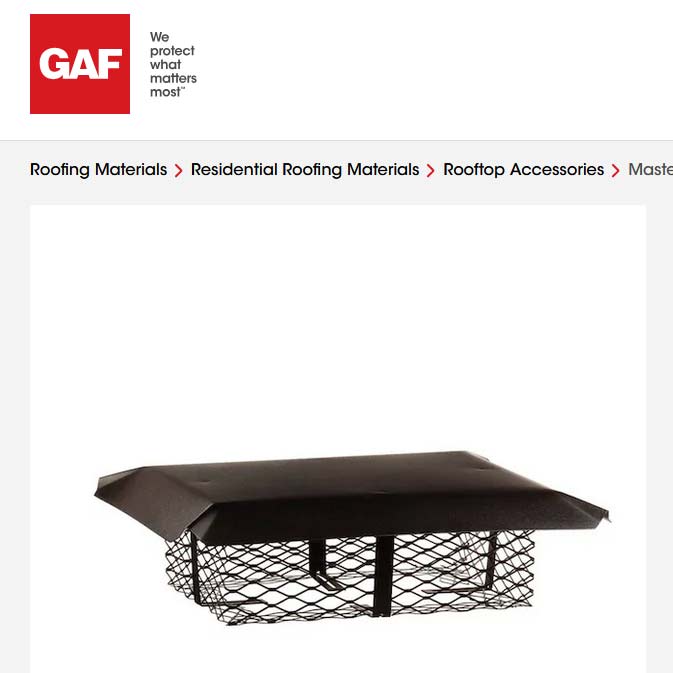
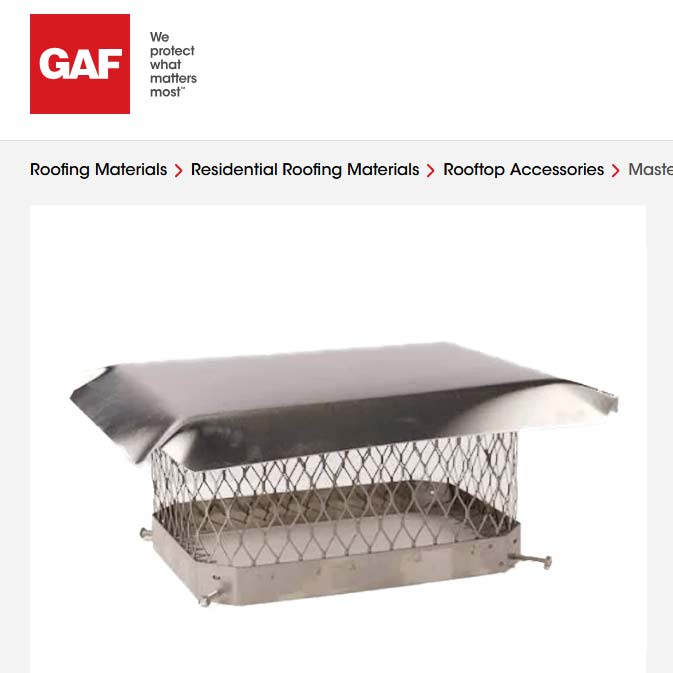
 A chimney chase cover, also called a chimney pad or chase top, is the “roof” for a prefabricated or chase-style chimney. Traditional masonry chimneys have clay flue tiles and a poured cement crown. Factory-built chimneys are different. They use a metal or wood-framed chase, and that chase needs a weathertight metal cover on top or water gets in. Water damage is the number one reason chimneys fail early in Denver, so this part matters more than most people think.
The cover does a few jobs at once. It sheds water away from the chimney, keeps moisture out of the chase interior, seals the spots where flue pipes and caps poke through, and finishes off the look so the top of your chimney matches the rest of the house. Fabricated and installed right, a good chase cover knocks out most of the water problems a chimney would otherwise run into.
Here’s the part that trips people up. The chase cover and the chimney cap are two different things. The cap is the smaller piece that sits over the flue opening to keep out rain, animals, and sparks. The chase cover is the big flat lid underneath it that covers the whole top of the chase. You need both, and they need to work together. The video below shows the kind of top-of-chimney weatherproofing work we handle every week, and a lot of what you’ll see applies directly to chase cover and cap protection.
Warning Signs Your Chase Cover Is Failing
You don’t need to be a pro to spot a chase cover that’s on its way out. Watch for these:
- Rust streaks running down the sides of the chimney chase, or orange staining on the siding below the cover
- Water stains on interior walls or ceilings near the chimney, sometimes a floor or two below the roofline
- A musty or damp smell near the fireplace, especially after rain or snowmelt
- Visible holes, pinholes, or pooling water sitting on top of the cover instead of draining off
- A cover that flexes, buckles, or makes a popping sound in the wind (called oil-canning)
- Any galvanized cover that’s pushing 15 years old, even if it still looks okay from the ground
If you spot any of these, don’t wait for the next storm. Water that gets past a failed cover doesn’t announce itself. It works quietly inside the chase for months before you see a stain, and by then the framing underneath is already paying the price.
Material Options and Performance Characteristics
Premium Metal Selections
| Material | Gauge/Weight | Lifespan | Best Applications | Starting Price Range |
|---|---|---|---|---|
| Copper | 16 oz., 20 oz. | 50+ years | Upscale homes, architectural statements | $450-900 |
| Lead Coated Copper | 16 oz., 20 oz. | 40+ years | Historic restorations, traditional aesthetics | $500-950 |
| Freedom Gray (Zinc/Tin Coated Copper) | 16 oz., 20 oz. | 40+ years | Modern design, low-maintenance | $425-850 |
| Stainless Steel 304 2B | 24 gauge | 30-40 years | Contemporary homes, coastal climates | $350-700 |
Standard Metal Options
| Material | Gauge | Lifespan | Best Applications | Starting Price Range |
|---|---|---|---|---|
| Kynar Aluminum | 0.032″ | 25-35 years | Color-matched applications, lighter weight | $275-550 |
| Kynar Galvalume (Steel) | 24 gauge | 25-30 years | Budget-conscious quality, painted finishes | $250-500 |
| Galvalume Plus | 24 gauge | 20-30 years | Standard protection, good value | $225-475 |
| Galvanized Steel G90 | 24, 26 gauge | 15-25 years | Basic protection, entry-level | $200-425 |
| Bonderized Steel (Paint Grip) | 26 gauge | 15-20 years | Paint-ready surface, custom colors | $200-400 |
Pricing varies based on chase dimensions, material thickness, and fabrication complexity. These ranges reflect typical Denver-area installations for standard residential chimneys.
Material Selection Guide for Denver’s Climate
Denver throws a lot at a chase cover. Brutal UV from 300-plus days of sun, temperatures that swing 40 degrees in an afternoon, bone-dry air, and the odd hailstorm or chinook windstorm that comes screaming off the foothills. The right metal handles all of that without flinching. Here’s what I steer people toward after years of local installs.
Copper: The Premium Standard
Copper is still the best chase cover material you can put on a Denver home. It weathers to a patina over time, going from bright penny copper to a warm brown, then settling into that classic verdigris green somewhere around the 15 to 20 year mark. That patina isn’t just good-looking. It seals and protects the metal underneath, which is a big reason copper pushes past 50 years of service.
I put a 16-ounce copper chase cover on a home in Cherry Creek back in 2010. Fourteen years later it has an even, gorgeous patina and not a hint of trouble. The owners love how the weathered copper plays off their stone exterior, and you just can’t fake that look with painted metal.
16 oz. vs. 20 oz. Copper: The heavier 20-ounce material gives you more rigidity on larger covers (anything over 40 inches square) and handles a heavy Denver snow load better. For a standard residential chase under 36 inches, 16-ounce copper does the job beautifully and costs less.
I tell people copper is the one material I never have to come back for. I’ve installed dozens of them across the metro and I have yet to replace a single copper chase cover I put on myself. You pay a little more up front, sure, but you’re buying a part that outlives your time in the house. That’s not a sales line, that’s just what the metal does.
- Adam, Owner, Adam Chimney Sweep
Freedom Gray: Modern Alternative to Traditional Copper
Freedom Gray is copper with a zinc and tin coating. You get the toughness of copper but with a steady gray finish that doesn’t shift color over the years. It’s a great fit for the modern architecture you see in Stapleton, Lowry, and the newer builds where a green copper patina would clash with the design.
The coating resists corrosion really well and keeps all the structural upside of the copper underneath. Painted finishes eventually chip and fail. Freedom Gray’s metallic coating bonds to the copper base and stays put.
Stainless Steel: Contemporary Durability
Type 304 stainless steel fights off corrosion and keeps that bright metallic look pretty much forever. The 2B finish is smooth and clean, and it fits right in with contemporary and industrial styling.
I reach for stainless a lot on modern mountain homes where the bright metal echoes steel railings or a metal roof. It shrugs off temperature extremes and doesn’t oxidize the way cheaper metals do under our harsh sun.
Kynar Coatings: Color-Matched Solutions
Kynar-coated aluminum and galvalume come with factory paint in a long list of colors, so you can match the cover to your trim, siding, or roof. The Kynar fluoropolymer coating stands up to UV way better than regular paint, which is no small thing when you’re dealing with Denver’s 300-plus days of sunshine a year.
I put a brown Kynar aluminum chase cover on a log home in Evergreen not long ago. It matched their brown metal roof dead on and tied the whole exterior together. Three years in, the finish hasn’t faded a bit, which is exactly why I trust Kynar to hold its color out here.
Budget Options: When to Choose Galvanized or Galvalume
Galvanized and galvalume covers give you solid protection for the least money. They actually do okay in Denver’s dry air, since they don’t get the constant moisture that eats them alive in humid parts of the country.
That said, I’ll always level with a client. A galvanized cover usually gives you 15 to 20 years before it needs replacing, while copper or stainless is basically a one-and-done deal. That $200 to $300 you save today turns into a bill you pay again down the road, plus another day of roof work.
Design Features and Fabrication Quality
Laser-Cut Precision
Every chase cover we make is laser-cut to your exact chimney dimensions, so it fits right the first time with no hacking at it on the roof. This precision matters more than you’d guess. A gap of even an eighth of an inch lets water sneak in and defeats the whole point of the cover. I’ve pulled off dozens of badly fitted covers where water funneled straight through the gaps and ran up a repair bill in the thousands.
Laser cutting also leaves clean edges that take a proper seam and solder, giving you watertight joints you simply can’t get with hand-sheared metal.
3.5-Inch Tall Sides with X-Bend
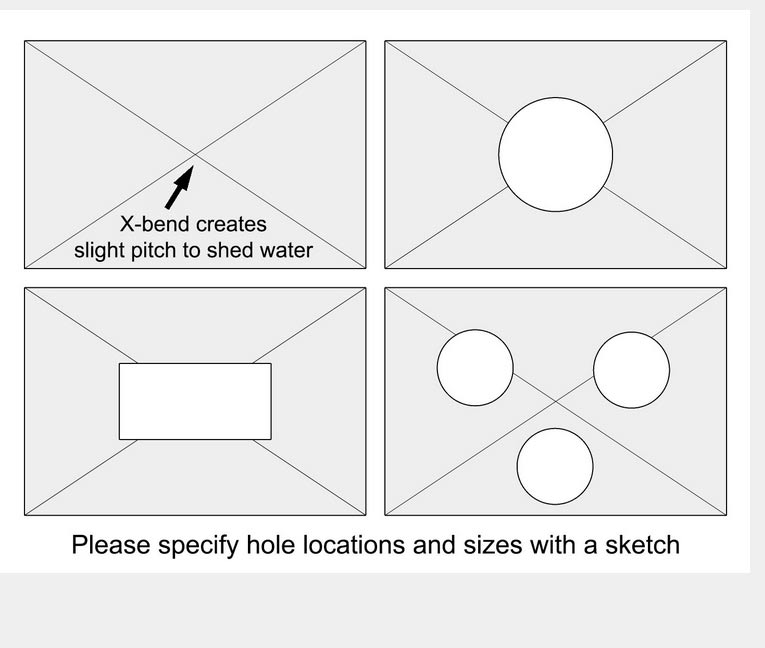
The standard 3.5-inch vertical sides, called the skirt, do a couple of important things. That height gives you enough overlap with the chase walls for secure fastening and good weather protection. The x-bend, a small fold pressed into the metal, stiffens the flat surfaces so they don’t wave or oil-can.
Denver’s wind makes that stiffness non-negotiable. I’ve watched thin covers without a proper bend flex and tear right at the fastener points during the sustained 40-plus mph winds we get along the Front Range.
Pipe Lock Seams for Large Covers
Once a cover gets bigger than a single sheet of metal, you have to join pieces together. We use pipe lock seams for that, which are mechanically interlocked joints that make a strong, weathertight connection. You can spot them up close, but from the ground they disappear and they don’t hurt performance one bit.
Our Strong Recommendation: Copper, lead-coated copper, Freedom Gray, and stainless steel covers should be soldered after installation for the best weather protection. Soldering makes the seams completely waterproof so they hold up through Denver’s freeze-thaw cycles and don’t let capillary action pull moisture through a mechanical seam.
I always solder my premium installs. The extra labor runs about $120 to $180, and it’s cheap insurance against the most common way these covers fail, which is a leaky seam. That step alone adds decades to the life of the cover.
Installation Methods and Mounting Options
Side Mount Installation (Standard)
Side mount is the most common and flexible way to install a chase cover. The fasteners go through the vertical skirt into the chase walls, which holds the cover down against wind uplift while keeping it easy to get to later if it ever needs service.
Fastening Options:
| Method | Best Applications | Advantages | Considerations |
|---|---|---|---|
| Stainless Steel Screws | Wood-framed chases | Easy installation, removable | Pre-drill to prevent splitting |
| Masonry Anchors | Brick/block chases | Strong hold, permanent | Requires a proper drill bit and technique |
| Tapcon Screws | Concrete/masonry | Excellent holding power | Must use the correct size for the material thickness |
| Construction Adhesive | Situations where fasteners show undesirably | Clean appearance, no penetrations | Permanent, not removable for service |
I usually run stainless steel screws every 8 to 10 inches around the perimeter. That spacing holds up against the wind we get, and Denver’s building code wants fastening that can take a 90 mph wind load for our area.
Professional Installation Recommendation: It looks simple, but doing it right comes down to a handful of details that are easy to get wrong. Fastener spacing has to be correct or the wind finds the weak spot. Sealant has to go on properly around the flue penetrations or you get leaks. The cover has to sit so water drains the right way. Miss on any one of those and the whole install is compromised.
Our chase cover installation service covers removing the old cover, cleaning the chase walls, picking and spacing the right fasteners, soldering seams on premium materials, flashing and sealing around the flue pipes, and a final check to confirm it’s watertight. The service runs up to about $3,650 depending on chase size and roof access, which is a smart investment when it’s protecting a $400 to $900 chase cover and the structure underneath it.
How a Chase Cover Installation Works, Step by Step
People always ask what actually happens on install day. Here’s the order we work in, start to finish:
- We get on the roof safely with proper fall protection and stage all the material and tools up top.
- We pull the old cover, scrape off the old sealant and debris, and clean the chase top down to a sound surface.
- We inspect the chase structure itself and flag any rot or damage that needs to be addressed before the new cover goes on.
- We set the new custom cover in place and confirm the fit is dead on before fastening anything.
- We install the fasteners at the correct spacing per the manufacturer’s spec and Denver building code.
- We solder the seams on copper, stainless, or Freedom Gray covers for a fully waterproof joint.
- We seal every flue pipe penetration with high-temperature sealant so there’s no path for water.
- We do a final inspection, clean up the site, and haul off the old cover.
Most jobs wrap in 3 to 4 hours of on-site work. Tricky ones, like multiple flues, a steep or hard-to-reach roof, or structural repairs to the chase, can take longer.
Dimensional Considerations and Custom Fabrication
Standard Residential Sizes
Most Denver-area prefab chimneys land in a few common size ranges:
| Chase Dimension Range | Typical Applications | Fabrication Notes |
|---|---|---|
| 18″ x 18″ to 24″ x 24″ | Single flue factory chimneys | Single sheet, no seams required |
| 26″ x 26″ to 36″ x 36″ | Standard two-story installations | Single sheet, straightforward fabrication |
| 38″ x 38″ to 48″ x 48″ | Large homes, multiple flues | May require seamed construction |
| 50″ x 50″ and larger | Custom homes, commercial | Always requires pipe lock seams |
Measuring for Perfect Fit
Getting the measurement right is everything. I’ve seen homeowners order a cover off the interior chase dimensions when you need the exterior, and they end up with a useless piece of metal. Here’s how to measure it properly:
Step 1: Measure the exterior of the chase at the top where the cover sits. For a rectangular chase, get both length and width.
Step 2: Note where every flue pipe comes through and how big each one is. Measure the distance from the chase edges to the center of each pipe.
Step 3: Flag anything unusual, like off-center pipes, an angled chase, or a non-standard layout that’ll need custom fabrication.
Step 4: Take photos of the existing cover from a few angles so the overall setup and pipe arrangement are clear.
If you’re not sure on any of it, let us measure it. We do the measurement free with an installation booking, which takes the risk of an expensive wrong order off the table.
Custom Designs and Non-Standard Applications
Beyond the standard rectangle, custom work handles the oddball situations I run into all the time across Denver’s mix of housing:
- Angled chases: Mountain homes and A-frames often have sloped chases that need a cover with varying skirt heights to keep water draining the right way.
- Multiple flue configurations: Homes with several fireplaces or heating appliances might have 3 or 4 pipes coming through one chase, so the pipe openings have to land exactly right.
- Architectural details: Custom edge profiles, decorative touches, or a specific color match for a landmark or historic property.
- Oversized commercial work: Apartment buildings, condos, and commercial structures with big factory-built chimneys.
Give us a call for custom fabrication pricing. We work with the manufacturer to spec something that meets your exact needs while keeping the cover strong and weathertight.
Common Chase Cover Failure Modes in Denver
Knowing why these covers fail makes it a lot easier to see why good material and a careful install pay off:
Rust and Corrosion
A standard galvanized cover usually goes 10 to 15 years before rust eats through it. Our dry climate actually stretches that out compared to humid regions, since moisture is what drives corrosion and we don’t get much of it. Still, UV and constant temperature cycling wear down the galvanized coating over time, and once bare steel is exposed it starts to oxidize.
I pulled a 12-year-old galvanized cover off a home in Centennial last week. It had several rust-through holes, and water was pouring straight into the chase every time it rained. The interior framing was soaked and damaged, which tacked $2,800 in structural repairs onto the cost of the new cover. A copper cover at the start would have spared them all of it.
Seam Failure
Factory covers often have weak seams, just a simple overlap with exposed fasteners or a thin bead of sealant. Heating up and cooling down day after day slowly works those seams apart. Water follows, and it usually goes unnoticed until the damage shows up inside the house.
Soldered seams on copper and stainless steel put an end to that. The solder forms a metal-to-metal bond that’s far stronger and longer-lasting than any mechanical fastener or sealant.
Wind Damage
Weak fastening lets the wind catch and lift the edge of a cover during a hard blow. Once it starts lifting, it gets worse fast. The fasteners enlarge their own holes, the metal fatigues, and eventually the whole cover can tear loose.
Denver’s wind deserves respect. We see sustained 40 to 50 mph winds during spring chinook events with gusts topping 70. Proper fastener spacing and enough edge engagement are what keep the cover on the roof.
Improper Drainage
A chase cover has to slope away from the flue pipes toward the edges so water runs off instead of sitting on top. A flat or badly sloped cover ponds water, which speeds up corrosion and eventually leaks at the seams or penetrations.
The 3.5-inch skirt paired with a proper slope gives you positive drainage. Water clears the cover completely instead of trickling down the chase walls and hunting for a way into the structure.
The saddest calls I get are the ones where somebody waited. A chase cover replacement is a few hundred to a couple thousand dollars. The water damage from ignoring a bad one for two or three years? I’ve quoted folks eight grand to rebuild rotted framing. Catch it early and it’s a routine job. Catch it late and it’s a renovation.
- Adam, Owner, Adam Chimney Sweep
Maintenance and Long-Term Performance
A quality chase cover asks for very little, but a quick look once in a while keeps it honest:
- Annual inspection: Eyeball it for damage, loose fasteners, or cracking sealant around the flue pipes. We fold this into our standard chimney inspection, which starts at $199.
- Cleaning: Copper and Freedom Gray covers don’t need cleaning to perform, but you can wash them if you like. Stainless keeps its shine with plain soap and water.
- Sealant renewal: The high-temp sealant around the flue penetrations usually lasts 10 to 15 years before it needs redoing. That small bit of upkeep heads off most leaks.
- Fastener check: After a big wind event, make sure the fasteners are still tight. A loose screw caught early can just be snugged back down before it turns into real damage.
Done right, a premium chase cover should give you 30 to 50 years of no-drama service with that light maintenance. Compare that to swapping out an economy cover every 10 to 15 years and the math gets pretty clear.
Investment Analysis: Premium vs. Economy Materials
The price gap between materials is where homeowners have to make a call. Here’s how I lay it out:
20-Year Cost Comparison
| Scenario | IniCost Cost | Maintenance | Replacements | Total 20-Year Cost |
|---|---|---|---|---|
| Economy Galvanized (replaced twice) | $425 | $0 | $850 (2 @ $425) | $1,275 |
| Mid-Grade Galvalume (replaced once) | $500 | $0 | $500 (1 @ $500) | $1,000 |
| Premium Copper (no replacement) | $750 | $0 | $0 | $750 |
| Premium Stainless (no replacement) | $650 | $0 | $0 | $650 |
Assumes professional installation costs of $450 each time, included in all scenarios
Stretch that out over the 30 to 40 years most people own a home and it gets even more lopsided. Premium materials end up costing less than buying economy covers over and over, and you skip the hassle and mess of repeat installs.
The Hidden Cost Factor
None of that even counts the water damage a failed cover can cause. I’ve written up repairs anywhere from $1,500 for minor drywall work to $8,500 for structural framing when a cover failure went unnoticed and let water in for years.
Premium materials cut that risk way down. A properly installed copper or stainless steel chase cover basically takes water intrusion off your worry list, because the cover isn’t going to fail while you own the place.
Why Choose Professional Installation
Some homeowners think about doing this themselves. A few things make the case for hiring it out:
- Safety: Roof work is no joke. We carry full liability insurance, use proper fall protection, and follow OSHA-compliant safety practices.
- Measurement accuracy: A wrong measurement means a useless cover, and that’s a $400 to $900 mistake. Professional measuring gets it right the first time.
- Soldering expertise: Good soldering takes specific tools, materials, and technique. Done poorly, it actually protects you less than a clean mechanical seam would.
- Fastening knowledge: The right fastener and spacing depend on the chase construction, the metal thickness, and how exposed it is to wind. Get it wrong and the cover fails early.
- Code compliance: Denver’s building department may require a permit to replace a chase cover on some properties. We handle the permitting and inspections.
- Warranty protection: A lot of cover manufacturers require professional installation to keep the warranty valid. A DIY job can void your coverage.
Our installation service folds in all of that plus disposal of the old cover, full cleanup, and a service guarantee. Knowing your expensive chase cover went on correctly is worth a lot, and for most homeowners it’s an easy call. If you’re weighing your options, our team is glad to talk it through with no pressure.
Frequently Asked Questions
How long does a chase cover replacement take?
The on-site install is usually 3 to 4 hours once the custom cover is fabricated. The fabrication itself runs 2 to 4 weeks depending on the material and the shop’s production schedule. Complicated roofs or multiple flues can add time to the install day.
Can’t I just patch or paint my rusty cover?
You can buy yourself a little time with sealant or paint, but once a galvanized cover has rusted through, it’s on borrowed time. Paint doesn’t restore the metal underneath, and patched seams tend to reopen with the next round of freeze-thaw. If it’s rusted through, replacement is the honest answer.
What’s the difference between a chase cover and a chimney cap?
The chase cover is the big flat lid over the entire top of a factory-built chimney chase. The cap is the smaller piece that sits over the flue opening to block rain, animals, and sparks. They’re separate parts that work together, and a complete job addresses both.
Do I really need copper, or is stainless steel good enough?
Stainless steel is an excellent, essentially permanent option and costs a bit less than copper. Copper wins on looks and longevity, especially on homes with stone or brick where the patina really shines. Both will outlast your time in the house, so it often comes down to budget and the look you want.
Will a new chase cover stop my chimney leak?
If the leak is coming from a failed cover, then yes, a properly fabricated and installed one fixes it. But chimney leaks can also come from flashing, the cap, or cracked masonry, so it’s worth having the whole top inspected to find the real source before you assume.
Getting Started with Your Chase Cover Replacement
If you’ve noticed rust on your existing chase cover, water stains on interior walls near the chimney, visible gaps or holes in the current cover, or your galvanized cover is creeping up on 15 years old, it’s time to plan a replacement before water damage sets in.
Want to understand how a cover failure ties into the rest of your chimney? A full chimney inspection in Denver checks the cover, cap, flashing, and flue all at once, so you find every problem in one trip up the roof instead of chasing leaks one at a time. If you already know the cover is shot, our Denver chimney repair team can handle the fabrication and install start to finish. For broader water-intrusion guidance and chimney safety standards, the Chimney Safety Institute of America is a solid, independent resource worth a look.
Contact us at (720) 207-9232 to schedule a chase cover evaluation. We’ll inspect your current cover and chase structure, measure for fabrication, walk you through material options and pricing, recommend the right solution for your home and budget, and hand you a detailed estimate that includes the installation, at 12894 E VilDr. Serving Denver metro homeowners with professional chimney services, including chase cover fabrication and installation.
Protect your chimney with a quality chase cover that’ll outlast your time in the home, give you decades of reliable weather protection, and dress up your exterior with premium materials and real craftsmanship.
Made in the USA – Supporting American manufacturing while holding to the material and fabrication standards Denver’s tough climate demands.