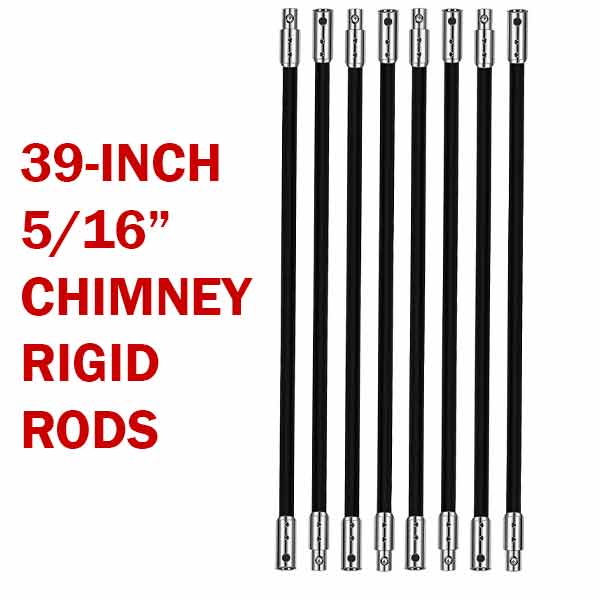
39-Inch 13/16″ Rigid Chimney Rods: The Heavy-Duty Cleaning Tool Denver Sweeps Reach For

The 39-inch 13/16″ rigid chimney rods are the heavy-duty cleaning tool I grab first whenever a flue is packed solid with soot. After more than two decades sweeping chimneys around Denver, I've learned that the right rod makes the difference between a fast, clean job and a frustrating afternoon of bending plastic and getting nowhere. These rods are stiff, strong, and built to push a brush straight through buildup that flexible rods just skate over.
Most homeowners never think about the rod behind the brush. They just want the chimney clean and the fireplace safe to use again. But if you're a pro, or a serious DIYer tackling your own masonry flue, the rod is the part that actually does the work. A 13/16″ rigid rod gives you the backbone to drive force right where you need it, so the brush scrubs instead of slips.
Why Rigidity Matters for Real Cleaning Power
 Here's the thing about chimney rods: the stiffer the rod, the more of your effort actually reaches the brush head. Flexible rods are great for getting around an offset or a bend in the flue, but they soak up a lot of your push along the way. When you're up against thick, baked-on creosote in a straight masonry chimney, that lost force is exactly what leaves a job half done.
The 13/16″ diameter on these rods is the sweet spot. It's thick enough to stay rigid under hard pressure but still light enough to handle on a roof without wearing you out. You can lean into the brush, twist, and scrub, and the rod transmits almost all of that straight down to the cleaning head. No bending, no flexing, no wasted motion.
I keep a set of these 13/16″ rigid rods on the truck for the worst flues we see. When somebody hasn't swept in five or six years and the creosote's like rock, a flexible rod just bows and you fight it the whole time. With a stiff rod I can put real muscle behind the brush and clear it in a fraction of the time.
- Adam, Owner, Adam Chimney Sweep
Key Features
1. Built to Stay Stiff Under Pressure
The 13/16″ diameter and solid build keep these rods from bowing when you push hard. That stiffness is the whole point. You can lean into a stubborn deposit, rotate the brush, and trust the rod to hold its shape instead of folding on you. For straight runs and heavy buildup, that control is hard to beat.
2. Heavy-Duty Materials That Take Abuse
These rods are made from tough, high-strength material that shrugs off the kind of rough use a working sweep puts them through. They don't crack, warp, or wear out after a season of hard jobs. Buy a set once and they'll keep earning their keep for years.
3. A Standard 39-Inch Length You Can Build On
At 39 inches per rod, you get a good mix of reach and control. The real advantage is that you can thread several together to match the height of the chimney. Two rods for a short flue, five or six for a tall masonry stack. You build the length you need on the spot.
4. Threaded Ends That Fit What You Already Own
Each rod has standard threaded ends, so they screw right into most chimney brushes, scrapers, and chain flails on the market. You're not locked into one brand of accessory. Swap heads to suit the flue you're working on and keep the same rods for the whole kit.
5. Force That Goes Where You Aim It
Because they don't flex, these rigid rods send your push straight to the brush. That direct transfer is what lifts heavy creosote and packed soot out of a flue instead of just brushing the surface. It's the difference between a chimney that looks cleaned and one that actually is.
Applications
- Large Open Fireplaces: Great for sweeping wide hearths and old inglenooks where the soot piles up over the years.
- Masonry Chimneys: Made for traditional brick and block flues carrying thick, stubborn deposits.
- Heavy-Duty Cleaning Jobs: The tool you want for long-neglected chimneys that need an aggressive brush and a rod that won't quit.
- Wood Stove and Insert Flues: Stiff rods drive a brush cleanly through the tighter, sootier liners that wood burners leave behind.
How to Use Rigid Chimney Rods, Step by Step
- Thread the rods together: Screw enough rods end to end to reach the full depth of your chimney. Start with two or three and add more as you go.
- Attach your cleaning head: Spin a compatible brush, chain flail, or scraper onto the threaded end. Match the brush size to the flue so it scrubs the walls without jamming.
- Start cleaning: Feed the brush into the flue and push with steady pressure while you rotate the rods. The stiff build dislodges buildup the brush alone would miss.
- Add length as you go deeper: Thread on extra rods for taller flues so you keep your reach all the way down.
- Pull out and check your work: Back the rods out a section at a time, then look up the flue with a light to confirm the walls came clean.
One practical tip from years on the roof: always tighten each joint by hand as you build the rod, and give it a quick check halfway through the job. A loose connection is how brushes get left behind in a flue, and fishing one out is nobody's idea of a good time.
Technical Specifications
| Feature | Details |
|---|---|
| Length | 39 inches per rod |
| Diameter | 13/16 inch |
| Material | High-strength polymer or metal |
| Rigidity | Optimized for heavy-duty cleaning tasks |
| Compatibility | Standard threaded ends for accessories |
| Use Cases | Open fireplaces, masonry chimneys |
See a Denver Chimney Sweep in Action
If you've never watched a flue get swept top to bottom, this short clip shows the real thing on a Denver roof. Rods like these are exactly what's doing the work behind the brush.
Why These Rods Beat Flimsy Alternatives
- More cleaning power: The stiffness lets you put real force behind the brush, so even baked-on buildup comes loose.
- Long working life: Tough materials hold up to repeated hard use, which makes them a smart buy for pros and DIYers alike.
- Safer chimneys: Clearing creosote and debris all the way down lowers the chance of a chimney fire and keeps your indoor air cleaner.
- Better control: A rod that holds its shape is easier to steer through a straight flue, so you clean faster with less fight.
People ask me all the time why I don't just use the cheapest rods I can find. The answer's simple. A rigid rod gives me the leverage to actually scrub the flue walls, and that's what keeps a creosote fire from starting in the first place. I'd rather spend a little more on a rod that does the job right.
- Adam, Owner, Adam Chimney Sweep
What to Expect From a Professional Chimney Sweep in Denver
Whether you sweep your own flue or call us out, the goal is the same: a clean chimney that draws well and burns safe. When our crew shows up, we lay down a drop cloth, set up the rods and the right brush for your flue, and work the buildup loose from the firebox up. We bag the debris, vacuum the hearth, and leave the room cleaner than we found it.
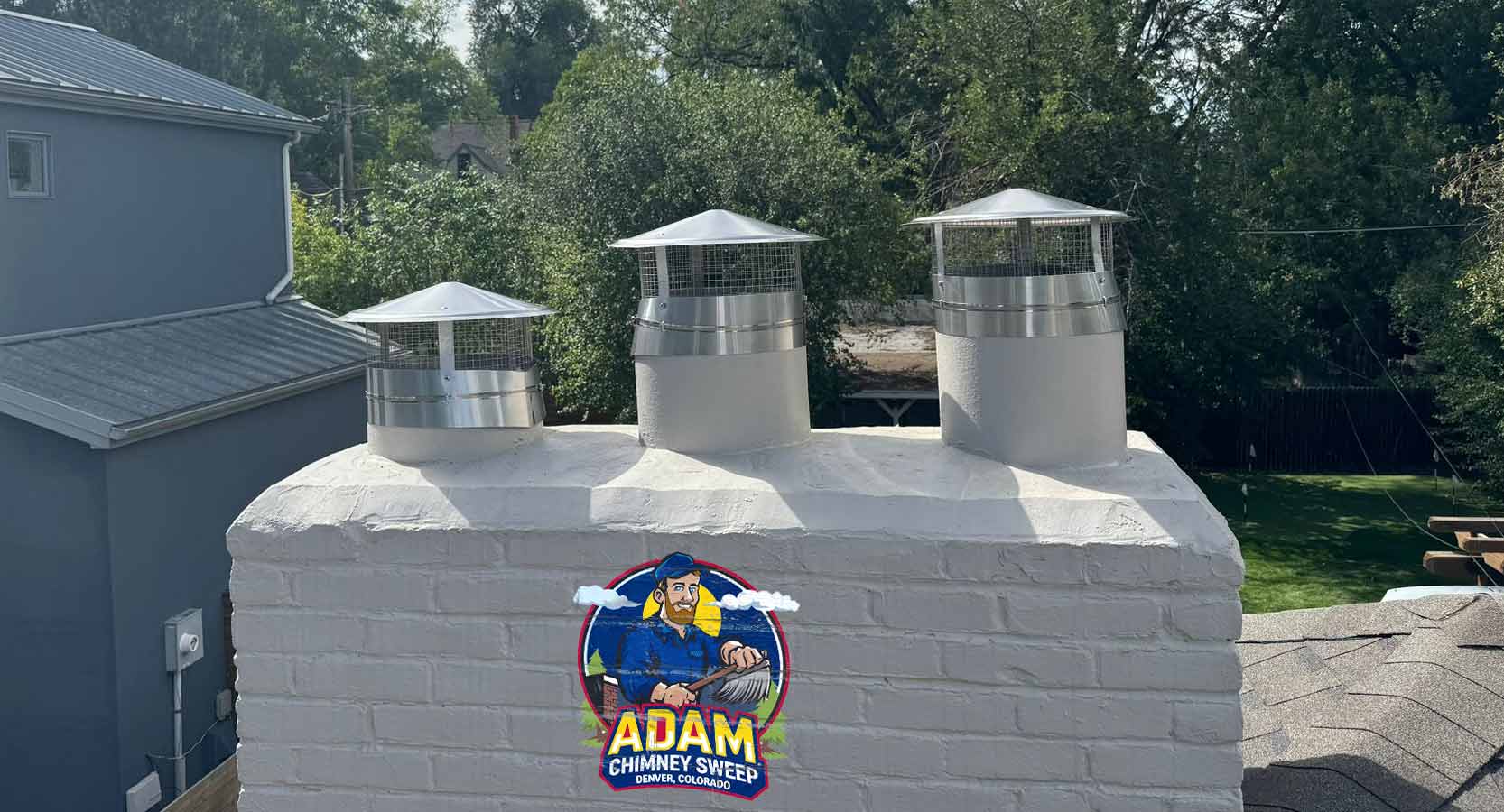
A good sweep isn't just about the brushing. It's also about looking the chimney over while we're there. We check the liner for cracks, eyeball the crown and cap, and flag anything that could let water in or smoke out where it shouldn't. If you want a closer look at that side of the work, our chimney inspection in Denver walks through exactly what we check and why it matters.
Why Creosote Is the Real Reason to Sweep
Every time you burn wood, a little creosote builds up on the inside of your flue. It starts as a light dusting, then turns into a sticky glaze, and if it's left alone long enough it hardens into a black crust that fuels chimney fires. That hard, third-stage creosote is exactly what these rigid rods are built to break loose. Soft soot brushes off easy, but the dangerous stuff needs a stiff rod and a stiff brush behind real pressure.
The folks who study fire safety are clear on this. The Chimney Safety Institute of America recommends a yearly inspection and a sweep whenever there's enough buildup to matter, because creosote is the number-one cause of chimney fires in the country. Keeping your flue clean isn't busywork. It's the cheapest fire prevention you'll ever do.
Colorado Wood Burning and Air Quality
Burning wood in Denver comes with a couple of local wrinkles worth knowing. Our high altitude means thinner air, which can make a chimney draft a little lazier than it would at sea level, so a clean flue matters even more for a good draw. On top of that, the Front Range deals with winter inversions that trap smoke close to the ground, and there are days when wood burning is restricted to protect air quality. A chimney that's swept clean burns hotter and cleaner, which means less smoke going out the top and fewer problems all around.
Common Problems We See Behind a Dirty Flue
When a chimney hasn't been swept in years, the buildup is often only half the story. Here are the issues that tend to show up alongside it:
- Slow or backdrafting smoke: Heavy buildup narrows the flue and chokes the draft, pushing smoke back into the room.
- A strong campfire smell: That sour, smoky odor on warm days usually means creosote has soaked into the masonry.
- Animals and nests: Birds and squirrels love an open flue. A missing or broken cap is usually to blame, and the debris they leave is a fire risk.
- Crumbling mortar or a cracked liner: Once we sweep the soot away, hidden damage often shows itself, which is why a sweep and an inspection go hand in hand.
If we turn up cracked masonry or a worn liner while we're cleaning, we'll walk you through your options. You can read more about how we handle those fixes on our chimney repair in Denver page.
Quick FAQ on Rigid Chimney Rods
How many rods do I need for my chimney?
Count on roughly one 39-inch rod for every three feet of flue, plus a spare. A typical single-story Denver home runs around four to six rods. A two-story masonry chimney can take eight or more. Since they thread together, it's easy to add length, so err on the side of having one too many rather than one too few.
Can I use these on a chimney with a bend in it?
Rigid rods shine on straight flues. If your chimney has an offset or a sharp bend, you may need a flexible rod for that section. Plenty of pros carry both and switch depending on the run. For most straight masonry chimneys, the rigid rod is the better tool.
How often should the chimney actually be swept?
For a wood-burning fireplace used through the season, once a year is the standard. If you burn a lot, or you burn green or unseasoned wood, you may need it more often. An annual inspection will tell you for sure. When in doubt, give us a call and we'll help you sort out a schedule.
The number one mistake I see folks make is waiting until they smell smoke or see it backing up before they sweep. By then the creosote's already built up to a dangerous level. Sweep it every year, even if it doesn't look that bad from below. It's a small job that prevents a big one.
- Adam, Owner, Adam Chimney Sweep
Why Choose 39-Inch 13/16″ Rigid Rods?
The 39-inch 13/16″ rigid rods deliver real performance for jobs that demand strength and stability. Whether you're keeping up a commercial property or bringing a long-neglected residential chimney back to life, these rods give you the muscle and control to get it done right the first time. They're the tool we trust on our own trucks, and that's about the best endorsement I can give.
Customer Reviews
“These rods are exactly what I needed for cleaning large masonry chimneys. They’re powerful and make heavy-duty jobs much easier.” – Michael, Professional Chimney Sweep.
“I’ve tried flexible rods before, but nothing beats these rigid rods for getting stubborn creosote out of my fireplace chimney.” – Susan, Homeowner.
Available Options
- Single Rod: Good for small jobs or replacing a rod that's seen better days.
- 5-Rod Pack: A handy choice for homeowners and light-duty pros covering most single-story flues.
- 10-Rod Professional Pack: The full set for high-volume work, with all the reach you'll need for tall masonry stacks.
Order Today and Tackle Tough Chimney Jobs With Confidence
Add the 39-inch 13/16″ rigid rods to your cleaning kit and you'll be ready for the heavy-duty jobs that bend cheaper tools in half. If you'd rather leave the sweeping to us, our team has handled Denver chimneys since 2001, and we're glad to help. Call us at (720) 207-9232, or head over to our contact page to reach out and place your order.