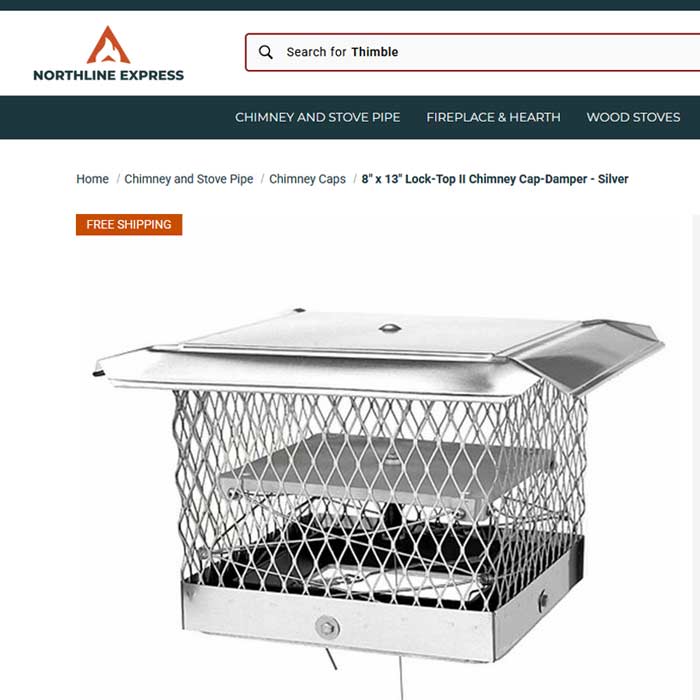
Lock-Top II Chimney Cap-Damper Installation in Denver

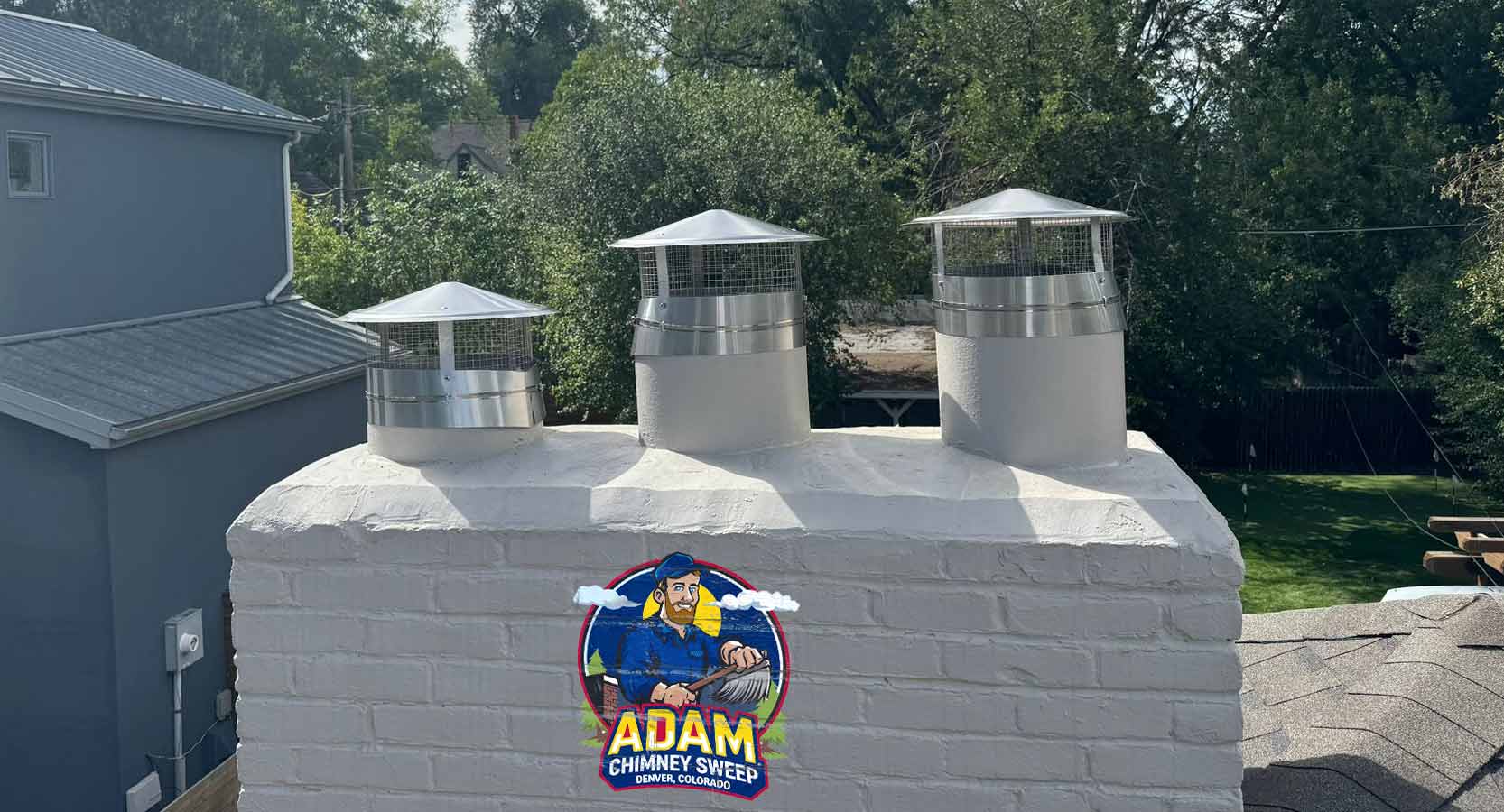
A Lock-Top II chimney cap-damper does two jobs that usually take two separate parts: it caps the top of your flue and seals it shut with an airtight gasket when you're not using the fireplace. We've been putting these in on Denver homes since 2001, and they're one of the easiest upgrades I can point a homeowner to when their old throat damper has rusted shut or stopped sealing. Down below I'll walk through what it costs here, how the install actually goes, what the unit includes, and a few things you want to watch out for. If you'd rather just talk it through, call Adam Chimney Sweep at (720) 207-9232.
Here in the Front Range we get cold snaps, dry winters, and the occasional foot of snow dumped on a roof overnight. A top-sealing damper handles that better than the metal flap sitting down in your firebox, because the seal lives up top where the cold air tries to get in. That's the whole pitch in one sentence. The rest of this page fills in the details so you can decide if it's right for your house.
What a Lock-Top II Cap-Damper Costs in the Denver Area
 The price to install a Lock-Top II chimney cap-damper mostly comes down to one thing: how hard it is to get on and around your roof safely. A simple ranch with a low-slope roof is quick. A two-story with a steep pitch takes longer, needs more safety gear, and that shows up in the labor. Here's the rough breakdown we work from:
| Roof Type | Estimated Cost | Factors Influencing Cost |
|---|---|---|
| Regular Roof | $1,200 | Straightforward installation, minimal labor required. |
| Steep Roof | $1,500–$2,700 | Additional safety measures and increased labor time. |
| Highly Complex Roof Pitch | $2,700+ | Use of specialized equipment and extended labor. |
Note: Costs can fluctuate depending on the contractor’s expertise and additional factors like weather conditions and accessibility of the chimney.
I always tell folks not to shop on price alone for roof work. A cheap quote from someone who isn't set up to work a steep pitch safely is no bargain if they cut corners on the anchoring. The cap-damper has to sit dead-level on the flue and clamp down tight, or the seal does you no good.
Nine times out of ten when somebody calls me about a drafty fireplace, their old throat damper is the problem. It's warped, it's rusted, or it just never closed right to begin with. Moving the seal to the top of the chimney with a Lock-Top II fixes the draft and keeps the squirrels out at the same time. I like a part that does two things at once.
- Adam, Owner, Adam Chimney Sweep
Affordable Chimney Services in the Area
If you're pricing out cap-damper work or general chimney maintenance, you've usually got a few options around town. Costs run a wide range depending on what's bundled in. Here's a snapshot of the kind of pricing you'll see for this type of job:
| Service Provider | Service Offered | Starting Price | Additional Services |
|---|---|---|---|
| Local Chimney Experts | Installation of Lock-Top II dampers | $1,000–$1,500 | Annual inspections and repairs. |
| All-Season Chimney Services | Full chimney cap and damper installation | $1,200 | Sweep and waterproofing. |
| Affordable Chimney Pros | Top-sealing damper installation | $1,300 | Wildlife guard installation. |
| Peak Roof Services | Complex roof installations | $2,000+ | Includes steep roof safety setup. |
One thing worth doing while the cap is off and we're up there anyway: get the flue looked at. If you've got buildup or a cracked liner, a cap-damper sitting on top of a bad flue is putting a nice hat on a problem you can't see. We'll usually fold a quick look into the visit. You can read more about that on our chimney inspection in Denver page.
See a Cap-Damper Job in Action
Sometimes it's easier to just watch one go in. Here's a short clip of us working on a chimney cap, sealing it up and protecting the top of the flue from weather and critters.
Product Details: Lock-Top II Chimney Cap-Damper
The Lock-Top II ships fully assembled, which is part of why the install goes as fast as it does. Here's what you're actually getting:
| Feature | Specification |
|---|---|
| Dimensions | 8″ x 13″ |
| Fit Range | 6″ x 9″ to 9.5″ x 12.5″ |
| Materials | Stainless steel and cast aluminum |
| Included Accessories | 30-foot stainless steel cable, sweep’s ring, silicone sealant, mounting hardware |
| Warranty | Manufacturer’s lifetime warranty |
Key Benefits
People ask me why they'd pay for a top-sealing damper when the fireplace already has one down in the throat. Fair question. Here's what the Lock-Top II actually does for you:
- Energy Efficiency: The damper system is 90% more efficient than traditional throat dampers, saving homeowners an estimated $200 annually in energy costs.
- Improved Airflow: Prevents downdrafts and blocks animal entry, creating a cleaner and safer chimney environment.
- Durability: Made from weather-resistant materials so it holds up even in harsh conditions.
- Airtight Seal: The silicone rubber gasket creates an airtight closure, significantly reducing energy waste.
That $200-a-year number isn't marketing fluff, by the way. Your throat damper is a metal flap resting on metal. It never seals tight, and warm air leaks straight up the flue all winter while you're paying to heat the house. The Lock-Top II closes with a rubber gasket up at the top, so the warm air stays put. On a Denver winter that adds up fast.
How the Lock-Top II Installation Works
The install itself is pretty clean once you've done a few hundred of them. Here's the order we work in so you know what to expect when we're on the roof:
- Measure the flue tile and confirm the Lock-Top II fits the opening (it covers a 6″ x 9″ up to 9.5″ x 12.5″ range).
- Clean the top of the flue so the base sits flat and the silicone has a good surface to grab.
- Drill the mounting holes and anchor the bracket using a 1/4″ masonry bit into the firebrick.
- Run the 30-foot stainless steel cable down the flue and attach the sweep's ring so you can open and close it from the firebox.
- Seat the cap-damper, lay in the silicone sealant, and tighten everything down level.
- Test the open-and-close action from below and make sure the gasket pulls tight when shut.
Tools We Bring for the Job
| Tool Required | Purpose |
|---|---|
| Wire Cutters | Adjusting and trimming the cable length. |
| Drill | Attaching the bracket and hardware. |
| 1/4″ Masonry Drill Bit | Drilling into firebrick for installation. |
| Hammer | Securing nails and anchors in place. |
The install on a normal roof is honestly a couple hours, cable and all. What slows it down is a steep pitch or a tall two-story, because then I'm spending time on harnesses and fall protection before I ever touch the cap. I won't rush that part. Getting home safe matters more than shaving twenty minutes off a job.
- Adam, Owner, Adam Chimney Sweep
Important Safety Notes
A couple of things you really need to know before you put one of these on. Read both:
- Gas Log Caution: The Lock-Top II Chimney Cap-Damper is not recommended for use with gas logs. Failing to open the damper using gas logs could result in carbon monoxide backing into the house.
- Fire Safety Mechanism: The built-in fire safety device keeps the damper open during a chimney fire to prevent pressure buildup.
I can't stress the gas log point enough. If you run gas logs and you close a top-sealing damper, the exhaust has nowhere to go but back into your living room, and that exhaust carries carbon monoxide. That's a real danger, not a theoretical one. If you've got gas logs, tell us up front and we'll talk through a setup that's safe for your situation. For background on safe venting and chimney standards, the Chimney Safety Institute of America is a solid place to read up.
Why Choose the Lock-Top II Cap-Damper?
Stack it against a plain throat damper and the difference is easy to see. Here's how they compare side by side:
| Feature | Advantage |
|---|---|
| Energy Savings | Quickly recovers installation costs through reduced heating/cooling bills. |
| Wildlife Protection | Keeps animals and debris out of the chimney. |
| Ease of Use | Operates effortlessly with a drop-down cable. |
| Lifetime Warranty | Guarantees long-term reliability you can count on. |
How the Lock-Top II Saves You Money
The Lock-Top II chimney cap-damper changes the math on energy efficiency for any home with a fireplace. Because you're sealing the chimney at the top instead of down in the throat, you cut drafts and stop heat loss by up to 90%. Most homeowners save more than $200 a year on heating and cooling, which makes it a practical buy rather than a luxury one. Give it a few seasons and those savings have already paid back what you spent to install it.
Lock-Top II vs. Traditional Dampers
If you want the full head-to-head, here's the Lock-Top II next to a standard throat damper across the things that actually matter:
| Feature | Lock-Top II | Traditional Throat Damper |
|---|---|---|
| Energy Efficiency | 90% more efficient | Moderate efficiency |
| Seal Location | Top of the chimney | The base of the chimney |
| Durability | Stainless steel and cast aluminum | Prone to rust and wear |
| Wildlife Protection | Prevents animal entry with a mesh screen | Often lacks protection from pests |
| Safety Features | Fire safety devices included | No built-in fire safety mechanisms |
A Good Fit for Homeowners with Steep Roofs
Steep-roof homes are a headache for chimney work, and a lot of homeowners get bounced around trying to find someone who'll do it. The Lock-Top II helps here because it shows up fully assembled and the parts are built to go in fast, even on a tough pitch. Once it's anchored it stays put, and the 30-foot cable means you're never reaching up into the flue to work it. You just pull the ring down by the firebox.
Built for Denver Weather
The Lock-Top II takes whatever the Front Range throws at it: heavy snow, blowing rain, and the wind gusts that come down off the foothills. The cast aluminum and stainless steel hold up against rust and corrosion, so it lasts. Just as important, the top seal keeps water out of the flue, which is a bigger deal here than people think. Water that gets into a chimney freezes overnight, expands, and starts cracking the masonry from the inside. Capping the top shuts that cycle down.
The water thing is what I wish more Denver homeowners understood. We get these freeze-thaw swings all winter, and an open flue lets snowmelt and rain right in. That water freezes, it expands, and over a few winters it'll crack your crown and your liner. A cap-damper up top is cheap insurance against a repair bill that's a lot bigger down the road.
- Adam, Owner, Adam Chimney Sweep
Less Maintenance, Fewer Headaches
One of the quieter perks is how little the Lock-Top II asks of you. Because it keeps debris and animals from dropping into the flue, you'll deal with fewer clogs and won't need professional cleanings as often. The lifetime warranty backs it up, so once it's on the roof you can mostly forget about it and just enjoy the fireplace.
Warning Signs You Need a New Cap or Damper
Not sure if this is even your problem? Here are the things we hear about most that point to a worn-out or missing cap-damper:
- You feel a cold draft coming down the fireplace even with the damper "closed."
- You've heard birds, squirrels, or raccoons scratching around inside the chimney.
- There's a musty or smoky smell in the room when the fireplace isn't lit.
- You've found water stains on the firebox, the damper, or the wall around the chimney.
- The existing throat damper is rusted, warped, or won't budge when you try to move it.
- You're seeing leaves, twigs, or debris piling up in the firebox.
If two or three of those sound familiar, it's worth a look. Most of the time the fix is straightforward, and catching it early keeps a small job from turning into masonry or liner work. If something more involved does turn up, our chimney repair in Denver page covers how we handle it.
Installation Tips for the Lock-Top II
For a handy homeowner on a low, walkable roof, putting in a Lock-Top II is doable. The silicone sealant and sweep's ring make it pretty forgiving to seat against the flue tile, and the 30-foot cable runs down easy. That said, if your roof is steep or the pitch is complex, hire it out. The cap can be the simplest part of the whole thing while the roof itself is the real hazard, and that's not a place to learn on the job.
An Environmentally Friendly Choice
Beyond the savings on your own bill, a Lock-Top II is just a greener way to run a fireplace. Cutting heat loss and tightening up your home's efficiency means you're burning less to stay warm, which trims your carbon footprint a bit. It's a small move, but it's a real one. For more on cleaner, more efficient home heating, the EPA's Burn Wise program has good guidance.
Common Questions About Cap-Damper Installation
How long does the install take?
On a regular, walkable roof, plan on a couple of hours. Steep or tall roofs take longer because we set up fall protection first. Either way it's almost always a same-day job.
Will a Lock-Top II fit my chimney?
It fits flue openings from 6″ x 9″ up to 9.5″ x 12.5″, which covers most masonry fireplaces around Denver. We measure before we order or install so there's no guessing.
Can I use it with gas logs?
No. A top-sealing damper isn't recommended with gas logs, because if it's left closed the exhaust and carbon monoxide can back up into the house. Tell us if you run gas logs and we'll set you up with something safe.
Does it really keep animals out?
Yes. The mesh screen blocks birds, squirrels, raccoons, and the nesting material they drag in. That's one of the most common reasons people call us for a cap in the first place.
What's the warranty?
The Lock-Top II carries a manufacturer's lifetime warranty. Keeping it open during a chimney fire (the built-in fire safety device handles that) is part of staying within those warranty terms.
The Bottom Line
The Lock-Top II chimney cap-damper is a smart upgrade for a Denver home with a wood-burning fireplace. Yes, the install cost moves around with how tricky your roof is, but the energy savings, the weather protection, and keeping critters out add up to a part that pays for itself and then keeps working. If you want a straight answer on what it'd run for your house, call Adam Chimney Sweep at (720) 207-9232 or head over to our contact page and we'll get you a real quote, not a runaround.