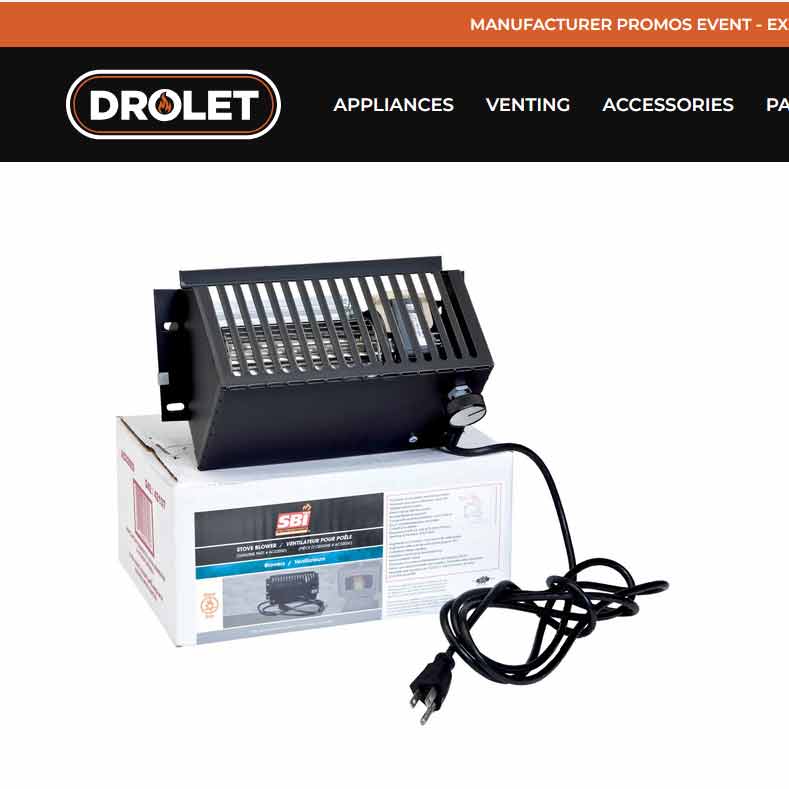
Blower with Variable Speed Control (100 CFM): Better Heat for Central Colorado Homes
 A blower with variable speed control (100 CFM) is one of the cheapest upgrades you can make to a wood or gas stove, and in central Colorado it pays for itself fast. We work on stoves all over Denver, Jefferson, Arapahoe, Douglas, Boulder, and El Paso counties, and the story is always the same: the firebox throws plenty of heat, but it just sits there near the stove while the far side of the room stays cold. A small fan fixes that. It grabs the warm air the stove is already making and pushes it out into the room instead of letting it pool in one spot.
Whether you're in a downtown Denver County condo or a place tucked back in the hills of Jefferson County, the right blower makes the heat you're already paying for actually reach you. Below I'll walk through what this blower does, how we install it, where it helps most, and how to keep it running for years.
People think a stove blower is some luxury add-on. It isn't. I've stood in living rooms where you could feel a ten-degree swing from one end to the other, and a 100 CFM fan flattened that out in about a minute. It's the single best dollar-for-dollar upgrade I install on a stove.
- Adam, Owner, Adam Chimney Sweep
Why a Variable Speed Blower Makes Sense in Central Colorado
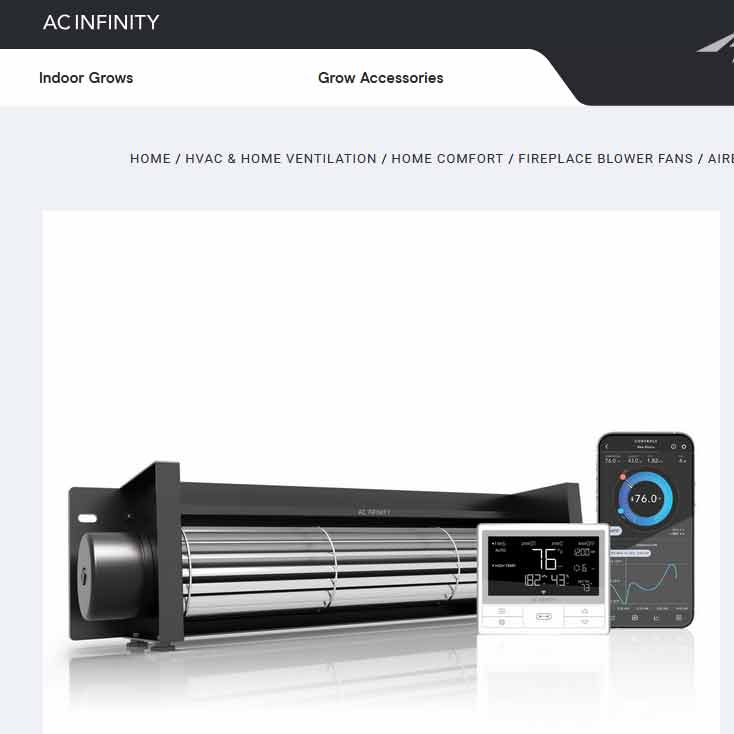
 The 100 CFM blower with variable speed control, like the AC02050 model, bolts onto a lot of the wood and gas stoves people run around here. Our winters swing hard. You can get a 60-degree afternoon and a single-digit night in the same week, so a fan you can dial up or down beats one that only knows "off" and "full blast." On a cold snap you crank it; on a mild evening you barely turn it on. That control is the whole point.
What Colorado Homeowners Get Out of It
- Heat that actually moves. This blower is a great match for homes in counties like Boulder and Douglas, where open floor plans are everywhere. It pushes warm air across the whole space so the back bedroom isn't twenty degrees colder than the den.
- Lower bills. With what electricity and gas cost now in places like Arapahoe County, the variable speed control lets you match airflow to how cold it really is. You stop overworking the furnace because the stove is finally doing its share.
- Comfort you set yourself. Heating a small apartment in Denver County is a different job than heating a sprawling place out in El Paso County. The adjustable speed lets you tune it to your room instead of living with whatever one setting gives you.
- Fewer cold corners. Homes in spots with big temperature swings, like Jefferson County, get steadier warmth instead of a hot zone by the stove and a cold one everywhere else.
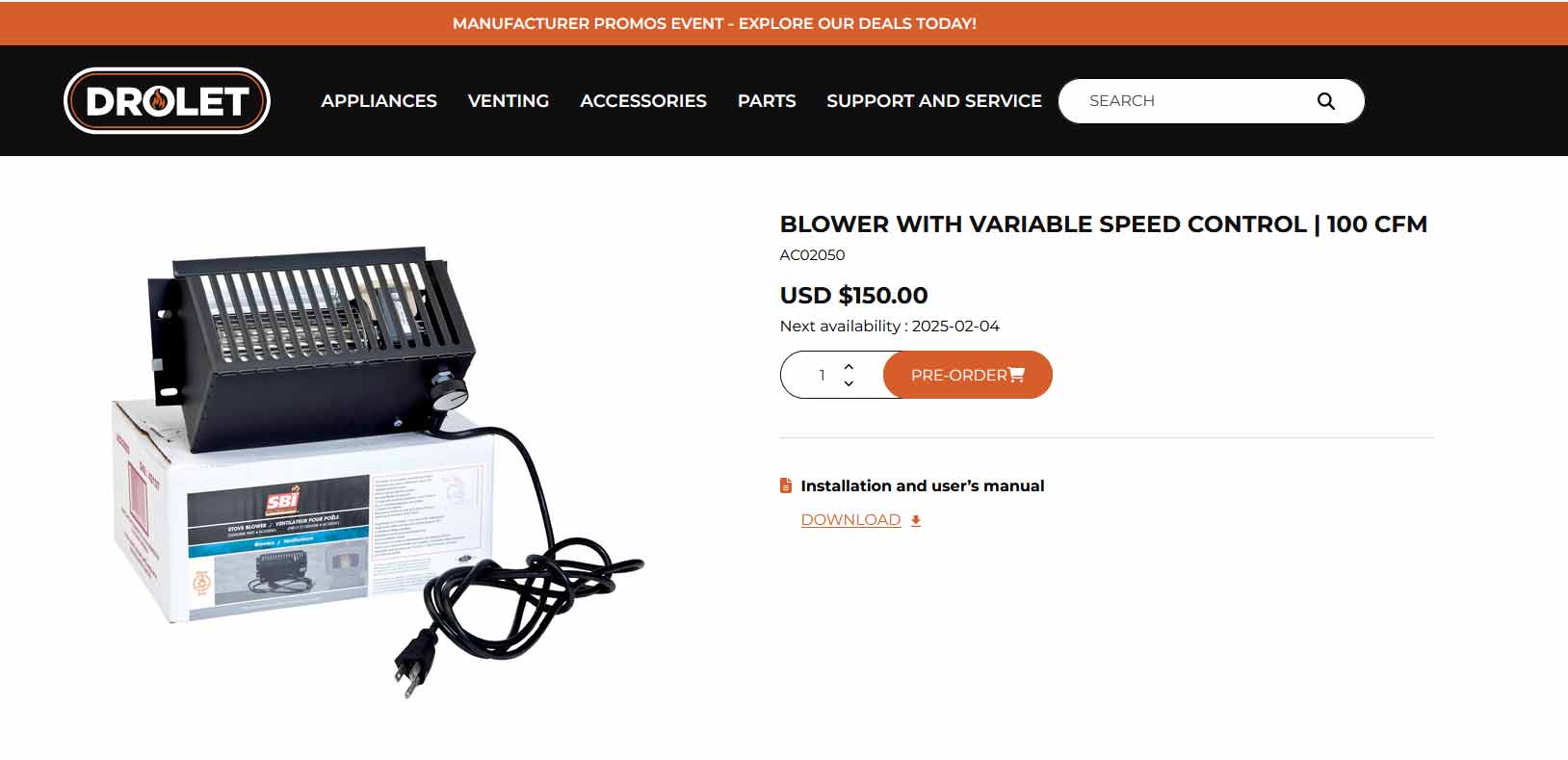 Blower With Variable Speed Control | 100 Cfm For Colorado’S Central Counties
Features of the Blower with Variable Speed Control | 100 CFM
This blower assembly is built to move the heat your stove makes so it doesn't just hang around the firebox. Here's what you're getting:
- Variable speed control: dial the fan up or down to match the airflow you want. That flexibility is exactly what you need with how fast our temperatures change.
- 100 CFM airflow: moves enough air to spread heat through a room and take some of the load off your central system.
- Quick to install: it's made to bolt cleanly onto certified stoves, so it's a reasonable job for a handy homeowner in Summit and Park counties. If you'd rather not deal with it, that's what we're here for.
- Built to last: it holds up to our dry winters and the snowmelt moisture you get in areas like Bent County.
- Runs quiet: on its lower settings you'll barely know it's on, so movie night doesn't come with a fan droning in the background.
One thing worth saying up front: a blower is a heat mover, not a heat maker. It won't make a small stove warm a big house. What it does is take the heat you've already got and spread it so the room feels even. Pair it with a stove that's sized right for your space and you'll feel the difference the first cold night.
How We Install the AC02050 Blower
Putting the AC02050 blower in is a clean job, but you have to respect the safety steps. That goes double up high, in places like Baca County, where thinner air changes how an appliance draws and runs. Here's the order we follow.
Step-by-Step Installation
- Safety first. Unplug the blower assembly from power before you touch anything. If you're in Custer County or anywhere older homes are common, double-check that your stove actually meets the requirements on its certification label first.
- Pop the panel. With pliers, carefully cut the six microjoints holding the knock-out panel and take it off. Toss the panel the way the manual tells you to.
- Mount the blower. Bolt it to the back of the stove with the four screws that come in the kit. Keep the power cord off sharp edges and away from hot surfaces. That's a big deal in tight rooms like a lot of homes in Delta County.
- Check the mount. Some stoves need an extra mounting bracket (SE06748), which comes with the kit if yours does. Folks in Boulder County running newer stoves should confirm the blower matches their model before they start.
- Test it. Plug it back in and run through the speed settings. Set the airflow for the night you're having, whether that's a cold one in Garfield County or a mild one in Eagle County.
Most of these go in inside of an hour. The two things that trip people up are forcing the wrong bracket and pinching the cord against a hot edge, so go slow on those two and the rest is easy.
If you take one thing from the install, make it the cord. I've been called out to stoves where a blower quit, and nine times out of ten the cord got pinched or rubbed against a hot edge until it failed. Route it clean, keep it off anything that gets warm, and that fan will run for years without a peep.
- Adam, Owner, Adam Chimney Sweep
See a Heating Appliance Install in Action
Here's one of our Denver crews installing a fireplace insert with the same kind of blower-driven heat circulation this part gives you. It's a good look at how the fan sits and how it moves warm air into the room.
Where This Blower Helps Most Around Colorado
The blower with variable speed control earns its keep in a lot of different homes across the central counties. A few real examples:
1. Condos and Townhomes in Denver County
- In packed Denver neighborhoods where space heating matters, this blower stretches your stove's heat further without leaning hard on the electrical system.
- It's great for apartments and townhomes where the central heat never quite warms every room evenly.
2. Larger Homes in Douglas and Arapahoe Counties
- In bigger houses the blower carries heat into rooms the stove can't reach on its own, so you lean on the HVAC less and your winter bills come down.
- You can ride the speed control to balance the warmth across several rooms instead of cooking the one the stove is in.
3. Mountain Places in Jefferson County
- Homes up in the hills swing wildly between warm afternoons and frigid nights, which makes a blower close to a must on a wood stove if you want steady heat.
- It runs quiet, so it suits a cabin you went up there to relax in.
4. Rentals in Boulder County
- Landlords can add a blower to heat a unit better without sinking money into a full HVAC overhaul.
- Its low running cost is an easy selling point for tenants who care about their energy use.
Keeping It Running: Maintenance and Quick Fixes
Look after your blower assembly and it'll keep moving heat for a long time. That matters here, because Colorado's dry air kicks up dust that loves to settle in a fan.
Routine Maintenance
- Keep it clean. Wipe the blower blades and housing now and then so dust doesn't cake on, especially in snowier spots like Las Animas County.
- Check the moving parts. Every so often, look over the moving parts and add a little lubricant so the fan keeps spinning smoothly.
- Eyeball the cord. Look at the power cord for fraying or wear, especially if it runs through a busy part of the house, like a lot of homes in Adams County.
Warning Signs to Watch For
A blower usually tells you it's unhappy before it quits. Catch these early and you'll save yourself a cold night:
- A rattle or grind that wasn't there before, which usually means dust on the blades or a bearing starting to go.
- Air that barely moves on a setting that used to push plenty, often a clogged intake or vent.
- A burning or hot-plastic smell, which means you stop and unplug it right away and check the cord and wiring.
- A fan that won't start at all, most often a loose plug or a tripped connection.
Common Problems and Solutions
| Issue | Possible Cause | Solution |
|---|---|---|
| The blower is not turning on | Loose power connection | Make sure the cord is plugged in all the way |
| Uneven airflow | Obstructed vents | Clean and clear the airflow paths |
| Noise during operation | Dust buildup in fan blades | Clean the fan regularly |
A blower lives or dies on dust. Out here the air is so dry that fine dust gets into everything, and it builds up on the blades until the fan goes loud and lazy. Wipe it down a couple times a heating season and that one habit will outlast most of the stoves I see.
- Adam, Owner, Adam Chimney Sweep
A Few Questions We Hear a Lot
Will a 100 CFM blower make a small stove heat my whole house?
No, and don't let anyone sell you on that. The blower moves heat around; it doesn't create more of it. If your stove is undersized for the square footage, a fan makes the heated area feel more even but it can't cover a space the stove was never big enough for. Size the stove to the home first, then add the blower to spread what it makes.
Is it loud?
On the lower speeds, no. You'll hear a soft hum if you listen for it. Crank it to full on the coldest night and it's more noticeable, but that's usually a night you want all the air movement you can get anyway. The variable control is there so you're not stuck at full speed when you don't need it.
Can I install it myself?
A handy homeowner can, yes. It's a few screws and a knock-out panel. The catch is matching the blower to your exact stove model and routing the cord so it never touches a hot surface. If you're not sure your stove is a fit, or you'd just rather have it done right, give us a call and we'll handle it.
How often should it be cleaned?
Twice a heating season is a good rule for our climate. If you burn a lot of wood or your house runs dusty, lean toward more often. It's a five-minute job that keeps the fan quiet and moving air the way it should.
Does altitude change anything?
It can. Thinner air at elevation affects how stoves draft and burn, which is why we're extra careful with installs in the high country. The blower itself works the same, but it's worth having someone who knows Colorado stoves confirm your whole setup is dialed in. A blower won't fix a draft problem, and it shouldn't be asked to.
Why Folks Around Here Like This Blower
Homeowners across the central counties keep coming back to the blower with variable speed control for a handful of plain reasons:
- It saves money. Lower heating bills without giving up comfort.
- It's simple. Adjusting the speed is easy enough for anyone in the house.
- It fits in. Works just as well on a modern stove as it does on an older traditional one.
The Bottom Line for Colorado Homes
For anyone across Colorado's central counties, from the busy parts of Denver out to the quieter stretches of Washington County, the blower with variable speed control (100 CFM) is a small, smart upgrade that does real work. It spreads your stove's heat further, trims your bills, and runs quietly while it does it. If you want your home to feel warm all the way to the corners this winter, this is one of the easiest ways to get there.
If you'd like a hand picking the right blower for your stove or want us to install it, reach out to our team and we'll get you set. For new installs and yearly checkups, you can also see everything we do on our services page, and if your stove or chimney is overdue for a look, book a chimney inspection in Denver. For the safety side of wood and gas heating, the Chimney Safety Institute of America is a solid, no-nonsense resource worth bookmarking.
📞 For expert installation services in your area, call (720) 207-9232 today!
📍 Visit us at 12894 E Villanova Dr, Aurora, CO 80014