The gas vs wood burning fireplace question is the one I get asked more than any other, usually while I'm standing in somebody's living room in Denver with a flashlight pointed up their flue. Folks want a straight answer, and the honest one is that there isn't a single winner. There's a winner for your house, your block, how often you actually light a fire, and how much patience you've got for hauling logs through the snow. I've been doing this since 2001, all over the Front Range, and I've installed and serviced both kinds in everything from 1890s Capitol Hill brick to brand-new builds out in Aurora. Let me walk you through it the way I'd explain it sitting at your kitchen table.
I'm going to cover what each one really costs, how much heat you actually get, the maintenance, the ambiance thing (it matters more than people admit), and the part most articles skip: Colorado's air-quality rules, which are stricter here than in a lot of the country. By the end you'll know which way to lean. And if you're in the middle, I'll tell you about the third option nobody mentions until they're already frustrated.
Gas vs Wood Burning Fireplace: The Short Version Before We Dig In
 If you want fire at the flip of a switch, clean burning, low upkeep, and you care about Denver's winter air rules, gas is probably your answer. If you want the crackle, the smell, the real heat that fills a room when the power's out, and you don't mind the work, wood is hard to beat. That's the whole thing in two sentences. Everything below is the why, because the why is where people make expensive mistakes.
Here's something I tell every customer up front. The fireplace you have now doesn't lock you in. I convert wood-burners to gas all the time, and once in a while I help somebody go the other direction. So even if you inherited a setup you don't love, you've got options that don't involve tearing out the whole chimney.
People think they have to live with whatever the last owner left them. They don't. Half my fall calls turn into a gas insert dropped right into an old wood firebox. Same brick, same mantel, totally different fireplace by the weekend.
- Adam, Owner, Adam Chimney Sweep
What It Actually Costs (Upfront and Over the Years)
Money's usually where the conversation starts, so let's start there too. But don't just look at the sticker. A wood fireplace looks cheaper on day one and a gas one can look cheaper over ten years, depending on how you burn.
Wood-Burning Costs
If you already own a working wood fireplace, your big recurring cost is firewood and a yearly cleaning. A cord of seasoned hardwood around Denver runs you anywhere from $250 to $450 depending on the year and how far it's trucked. You'll want it dry, split, and stacked since fall. Burning wet wood is the number-one reason I find dangerous creosote glazing flues, and that's a fire waiting to happen.
Building a brand-new masonry wood fireplace and chimney from scratch is the priciest thing on this page, several thousand dollars and up once you factor in the firebox, flue, crown, and labor. Most folks aren't doing that. They're working with what's already there.
Gas Costs
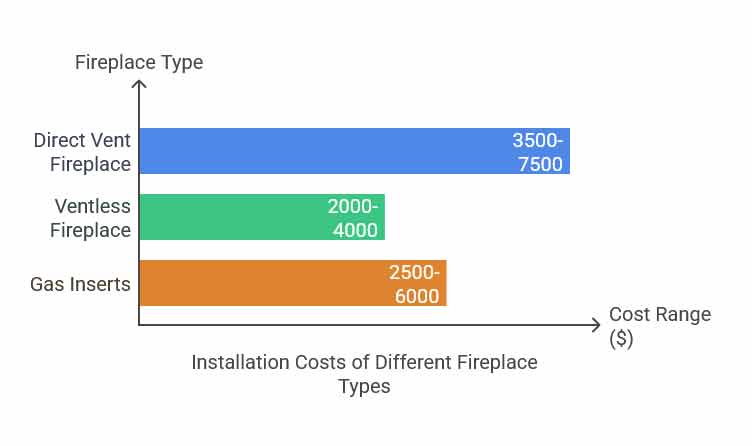
A gas insert or gas log set has a higher entry price than just buying wood, but the running cost is steady and low. You're paying for natural gas or propane, and on a cold Colorado night a gas insert might cost you a buck or two to run for the evening. No cord to buy, no wood to season, no surprise.
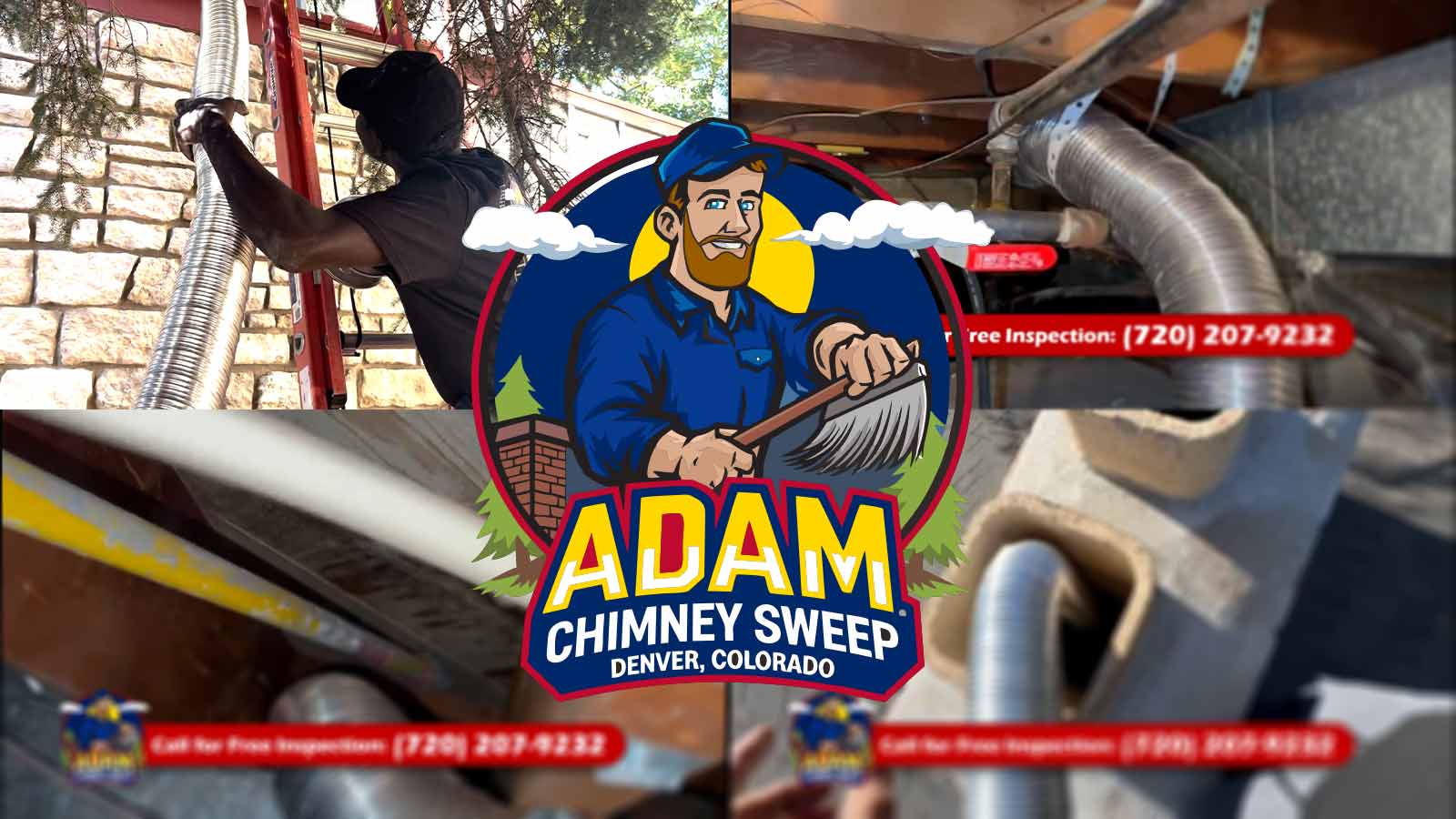
The conversion itself is where I do most of my work. Dropping a sealed gas insert into an existing wood firebox, running the gas line, and lining the flue properly is a real job but a predictable one. I always run a stainless liner sized for the appliance when I do a gas conversion, because the old clay flue tile usually isn't right for the new draft. You can see what that liner work looks like on our chimney lining page. Skipping the liner is how people end up with condensation eating their masonry from the inside.
The cheapest fireplace is the one you already have working safely. Before you spend a dime on gas or a new build, get the chimney you've got inspected. I'd rather tell you it's fine than sell you something you didn't need.
- Adam, Owner, Adam Chimney Sweep
Heat: Which One Actually Warms the Room?
This surprises people. An open wood-burning fireplace, the classic kind with the big hearth, is honestly a lousy heater. A lot of your warm air goes straight up the chimney, and it can even pull heated air out of the rest of the house. It feels great right in front of it. It's not heating your bedrooms.
A modern gas insert, or a wood-burning insert for that matter, is a sealed unit built to throw heat back into the room instead of up the flue. That's the key word: insert. One with a blower will genuinely warm a living room and take the edge off your furnace bill. An open masonry fireplace is more about the experience than the BTUs.
Here's how I rank them for actual heat output, best to worst:
- Wood-burning insert or stove (most heat, real workhorse on a cold night)
- Gas insert with a blower (steady, controllable, very efficient)
- Gas logs in an open firebox (some heat, mostly looks)
- Open wood-burning fireplace (least efficient, beautiful, but barely heats)
One more thing Coloradans care about: when the power goes out in a winter storm, a wood fire keeps burning and keeps you warm. Most gas inserts have electronic ignition and a blower that need power, though some have battery backup or a standing pilot. If off-grid warmth during an outage matters to you, that's a real point in wood's column.
Maintenance: The Part That Decides It for a Lot of People
 Be honest with yourself about how much fuss you want. Wood and gas are not in the same league here, and the gap is bigger than most people expect before they've lived with one for a few winters.
Wood-burning means ash. It means hauling logs, kindling, dealing with bark and bugs, and cleaning out the firebox. And it means creosote, the tarry stuff that builds up inside the flue every time you burn. That's not optional upkeep. Creosote is the leading cause of chimney fires, and the only fix is a real sweep. We get into the why on our creosote buildup guide if you want the details. A wood chimney needs a sweep and inspection every year, more often if you burn a lot.
Gas is close to set-it-and-forget-it, but not completely. There's no creosote because you're not burning wood, but you still need a yearly check. Here's what I look at on a gas system:
- The gas connection and shutoff, looking for any leak or wear
- The burner and ports, which spiders and dust love to clog
- The venting and flue, making sure exhaust goes out and nothing's drafting back in
- The glass, gasket, and logs on a sealed insert
- Carbon monoxide, because a blocked or cracked vent on a gas appliance is genuinely dangerous
So gas isn't zero maintenance, it's just lighter and a lot less messy. Either way, you want eyes on it once a year. You can book that through our chimney inspection service, and I'd say it's the single best money you spend on a fireplace of either type.
Ambiance: Don't Let Anyone Tell You It Doesn't Count
I'm a chimney guy, so you'd think I'd be all numbers and safety. But I'll be straight with you, the feel of the fire is half the reason people have a fireplace at all, and it's a legitimate thing to weigh.
Wood gives you the real deal. The crackle, the pop, the smell of woodsmoke, that orange light nothing else quite matches. For a lot of folks that's worth every bit of the hauling and sweeping. There's a ritual to building a wood fire that people genuinely love.
Gas has come a long way. The flames on a good modern insert look shockingly real now, way better than the blue jets your grandparents had. You get fire in thirty seconds with a remote or wall switch, no smoke smell, and you can shut it off and walk to bed without babysitting embers. It's not the same as wood. It's its own kind of nice, and plenty of my customers run a gas insert all week and don't miss the ash one bit.
Colorado's Air-Quality Rules: This Is Where Gas Pulls Ahead for City Folks
Here's the part a lot of out-of-state advice gets wrong, because they don't deal with what we deal with on the Front Range. Colorado has some real rules around wood burning, especially in and around Denver, and you need to know them before you commit.
On high-pollution winter days, the state issues what used to be called Red days, when burning wood in most of the Denver metro area is restricted or flat-out not allowed for anyone whose home has another heat source. The air gets trapped against the mountains and it's a genuine public-health issue. Natural gas appliances are exempt from those wood-burning bans. So if you're in the city and you put in a wood fireplace, there'll be cold nights you're legally not supposed to use it. A gas insert, you light whenever you want. You can read the current rules straight from the source at the Colorado Department of Public Health and Environment.
On top of that, any new wood-burning device sold or installed in Colorado has to be EPA-certified for low emissions. The old smoke-belching open fireplaces aren't something you can just build new in a lot of jurisdictions. The EPA's Burn Wise program is a decent place to understand why, and it's worth a look if you're set on wood. None of this means you can't burn wood in Colorado. Tons of people do, especially up in the mountains where the rules are looser and a wood stove might be your main heat. It just means city dwellers should go in with eyes open.
Out in the foothills and the high country, wood still makes all the sense in the world. In the middle of Denver on a no-burn night, that wood fireplace is just decoration. I tell my city customers that straight, because I'd want somebody to tell me.
- Adam, Owner, Adam Chimney Sweep
So Who Should Pick What?
Let me make this easy. After hundreds of these conversations, people mostly sort into a few buckets.
Go with wood if: you love the real-fire experience and don't mind the work, you live in the mountains or somewhere the burn restrictions don't hit hard, you want heat that works when the power's out, or you've already got a solid masonry fireplace and chimney that just needs a good cleaning and maybe some chimney repair to be safe.
Go with gas if: you want convenience and clean operation, you live in the Denver metro and don't want to deal with no-burn days, you've got kids or busy weeknights and want fire without the fuss, or you want better, more reliable heat from a sealed insert. Our gas insert page walks through the install side of it.
Consider a conversion if: you're stuck with a fireplace you don't use because it's a pain, or it failed an inspection and you're deciding whether to fix the wood setup or switch. Nine times out of ten, dropping a gas insert into an existing firebox is cleaner and cheaper than people expect, and it brings a dead fireplace back to life.
And whatever you land on, the order is the same. Get the chimney inspected first, fix anything unsafe, then decide on the appliance. I've seen too many people buy a beautiful insert and then find out their flue or crown needed work anyway. Do it in the right order and you only pay once.
The Bottom Line From Somebody Who's Cleaned Thousands of These
There's no universally right answer, but there's a right one for your home, and it usually becomes obvious once you weigh cost, heat, mess, and where you live. Wood is romance and real warmth with work attached. Gas is comfort and convenience that plays nice with Colorado's air rules. Both are great installed right and looked after. Both are dangerous when they're neglected, and that's the part I really care about.
If you're still on the fence, that's exactly what we're here for. I'll come look at what you've got, tell you honestly what it'd take to go either direction, and never push you toward the more expensive option just because it's more expensive. Give us a call at (720) 207-9232 or reach out through our contact page, and we'll get you set up with the right fire for your home before the cold really settles in.