Chimney Sweep Services in Basalt, CO You Can Actually Count On
If you've been hunting for a thorough, no-nonsense chimney sweep in Basalt, CO, you've landed in the right spot. A clean chimney isn't just a tidy-house thing. It's what keeps your heating appliances burning safe and burning hot through the long stretch of Colorado cold. I'm Adam, and my family has been climbing roofs and clearing flues around here since 2001. On this page I'll walk you through exactly what we do, how we keep your house clean while we work, and why so many folks in Eagle and Pitkin Counties call us first. If you'd rather just talk it through, pick up the phone and call (720) 207-9232. A real person answers.
Basalt sits at about 6,600 feet, and that altitude changes how a fire breathes. Thinner air means draft behaves a little differently, and a flue that's even partly choked with soot will start pushing smoke back into the room faster than you'd think. That's the kind of thing we catch on a sweep before it turns into a cold living room full of haze on the first really frigid night of the season.
Why Folks in Basalt Pick Us for Chimney Cleaning
We handle top-to-bottom chimney sweep cleaning in Denver, and we run the same careful job out here in Basalt and the rest of the high country. Our techs are certified and they've each got years on the brush, so your fireplace and the whole chimney system get looked at by someone who's seen pretty much every way a chimney can go wrong. We don't rush, and we don't upsell you on stuff you don't need.
What sets our crew apart:
- Experienced, certified technicians who explain what they find in plain English
- Work that lines up with National Fire Protection Association standards, not corner-cutting
- Fair, upfront chimney service pricing with no surprise add-ons
- A full menu of cleaning and repair work so you're not juggling three different companies
- Drop cloths and shoe covers every single time, because your floors aren't our jobsite
Out here in Basalt, the altitude messes with draft more than people expect. I've shown up to homes where the fireplace smoked all winter and the owner figured that was just normal. Nine times out of ten it's a flue packed with soot that's choking the air supply. We clear it, and suddenly the fire pulls like it should. That's the whole job, and I love that moment when somebody sees the difference.
- Adam, Owner, Adam Chimney Sweep
Our Core Chimney and Fireplace Services
We offer a full lineup of chimney services shaped around what Basalt homes actually deal with, from annual inspections to real structural repairs. Whether you burn wood every night or just light the fireplace for the holidays, we've got the work covered.
What we do:
- Chimney Cleaning: We pull out the soot, creosote, and built-up debris so your fire burns cleaner and your flue stays safe.
- Chimney Inspection: A careful visual inspection top to bottom to flag damage, blockages, or anything that looks off.
- Chimney Repair: We fix cracked flue tiles, bad caps, crumbling mortar, and the other usual suspects.
- Dryer Vent Cleaning: We clear out lint that builds up and quietly turns into a fire hazard.
- Gas Fireplace Maintenance: We get your gas fireplace insert running right, and we can usually bring an inoperable gas fireplace back to life.
Most of these jobs we knock out in a single visit. If we spot something that needs a follow-up, like a liner that's failing or masonry that's letting water in, we'll show you photos and give you a straight estimate before anyone commits to anything.
Why a Yearly Sweep and Inspection Really Matters
 Getting your chimney cleaned and inspected on a regular schedule is the simplest way to head off two scary problems: chimney fires and carbon monoxide leaking back into your living space. Creosote and debris pile up faster than most homeowners realize, and it gets worse if you're running a wood-burning fireplace or a pellet stove all season. A yearly visit keeps the whole system in check so your family isn't the one finding out the hard way.
Carbon monoxide is the part people don't see coming. It has no smell and no color, and a cracked flue tile is all it takes for it to slip into the house instead of going up and out. That's exactly why we check the flue on every sweep, not just the firebox you can see from your couch.
What you get out of hiring pros:
| Service | Benefit |
|---|---|
| Chimney Sweeping | Pulls out soot and creosote so fire risk drops way down. |
| Chimney Repair | Keeps your chimney caps and flue solid and sealed. |
| Dryer Vent Cleaning | Stops lint clogs that hurt safety and run up your energy bill. |
| Gas Fireplace Services | Keeps your gas fireplace insert or system running safe and clean. |
Wood Stoves and Why They're So Popular Up Here
A lot of Basalt households still lean on a wood stove for real heat, and honestly I get it. There's nothing like that steady warmth on a snowy night, and a good stove will heat a room better than most furnaces. The catch is that a wood stove asks for regular inspection and cleaning to keep working right. We service wood and wood-burning stoves all over the valley and get them dialed in before the snow flies.
People ask me all the time how often they should clean a wood stove versus a gas fireplace. It's not even close. Burn wood a few nights a week and you're laying down creosote fast, so once a year is the floor, not the goal. Gas runs a lot cleaner, but it still needs eyes on it because a blocked vent on a gas unit is just as dangerous. When I'm in Basalt I always check both the same way.
- Adam, Owner, Adam Chimney Sweep
How we run every job, step by step:
- Start with a free chimney inspection where it applies, so you know what you're actually paying for.
- Lay down drop cloths to keep your house spotless while we sweep.
- Check for trouble like cracked flue tiles or venting that isn't drafting right.
- Hand you a clear report with any repairs we'd recommend, photos included.
How Creosote Wrecks a Good Fireplace
Creosote buildup is the number one cause of chimney fires in Colorado, and it sneaks up on you. Every time you scrub it out with a routine cleaning, you knock that risk way back down. Doesn't matter if you've got a wood-burning stove, a pellet stove, or a gas-powered setup. Our cleaning gets your fireplace running the way it's supposed to, and we'll tell you straight if the buildup has reached the stage where it needs more than a brush.
FAQ: Chimney Sweep Services in Basalt, CO
What do I actually get from a professional chimney sweep in Basalt, CO?
Bringing in a pro gets your chimney clean, safe, and drafting the way it should. Here's the quick rundown of what each piece does for you:
| Service | Benefit |
|---|---|
| Chimney Cleaning | Cuts fire risk by clearing out soot and creosote. |
| Chimney Inspection | Catches damage, blockages, and safety problems early. |
| Chimney Repair | Fixes flue tiles, caps, and venting before they fail. |
| Dryer Vent Cleaning | Heads off dryer fires caused by packed lint. |
| Gas Fireplace Maintenance | Keeps the unit running right and burning safe. |
Put together, this work keeps your airflow strong, lowers the odds of a carbon monoxide leak, and stretches the life of your chimney so you're not paying for a big rebuild down the road.
How often should I schedule chimney cleaning and inspections?
The National Fire Protection Association recommends a chimney inspection and cleaning at least once a year, and that goes double if you run a wood-burning fireplace or stove a lot. A few things push that schedule one way or the other:
- How much you burn: Light a fire several nights a week and you'll need cleanings more often.
- What you're burning: Wood and pellet stoves lay down a lot more creosote than gas.
- How old the chimney is: Older flues pick up cracks and rough spots that trap soot.
- The shape of your liner: A damaged liner lets creosote build up fast.
A handy rule of thumb: clean a wood-burning fireplace after about every 50 fires. If you can't remember the last time yours was swept, it's time.
What is creosote, and why is it so dangerous?
Creosote is a sticky, tar-like gunk that forms when wood smoke cools and condenses on the inside walls of your chimney. It's highly flammable, and it's one of the top causes of chimney fires. It shows up in three stages:
- Stage 1 (soft and flaky): Brushes away easily during a normal cleaning.
- Stage 2 (hard and crunchy): Takes more muscle and special tools to get off.
- Stage 3 (glazed and hardened): Extremely flammable, and only a pro should remove it.
The longer it sits, the tougher and more dangerous it gets. That's the whole reason a trained sweep matters: getting Stage 3 buildup out safely is not a DIY weekend job.
I had a call in Basalt last winter where the homeowner heard a low roar from the chimney one night and smelled something hot. That's a Stage 3 creosote fire starting, and it can crack a flue and spread into the framing fast. They got lucky and it burned itself out. When I pulled that flue apart, the glaze was a quarter inch thick. One yearly sweep would have stopped the whole thing. That's why I push so hard on getting ahead of it.
- Adam, Owner, Adam Chimney Sweep
What are the signs my chimney needs cleaning?
Keep an eye out for these. Any one of them means it's time to book a cleaning:
- Smoke backing into the room: If smoke drifts into the house instead of up the flue, something's blocking the draft.
- Heavy soot or black streaks: Dark stains around the fireplace opening are a clear tell.
- A tar-like smell: A strong, sharp odor means creosote has really built up.
- Fires that won't get going: A fire that struggles to catch usually points to poor airflow.
- Scratching or chirping sounds: Noises in the chimney can mean a bird or critter has moved in and blocked it.
Notice any of these and get an inspection and cleaning on the books right away. Waiting only makes it harder to fix.
What's included in a chimney sweep service?
A real chimney sweep is more than running a brush up the flue. Here's how a full job goes:
- Initial inspection: We look over the chimney, flue, and fireplace before we touch anything.
- Prep: Drop cloths go down around the fireplace so your space stays clean.
- Sweeping: We scrub out soot, debris, and creosote with the right brushes for your flue.
- Smoke chamber and flue cleaning: We clear the whole smoke pathway, not just the easy parts.
- Debris removal: Ash and soot get collected and hauled out properly.
- Final inspection: A last look to make sure everything's working the way it should.
That start-to-finish approach keeps your chimney running efficiently and cuts the risk of a fire or a carbon monoxide problem.
How do I know if my chimney needs repairs?
Some of the most common red flags that say your chimney needs work:
- Cracked flue tiles: Cracks in clay or ceramic tiles open gaps that let toxic gases leak.
- Chimney leaks: Water getting in brings rust, mold, and real structural damage over time.
- A missing or busted chimney cap: No cap means rain, animals, and debris come right in.
- White staining (efflorescence): A sign water is working its way through the brick or masonry.
- Spalling brick: Brick that's flaking, chipping, or crumbling because moisture got in.
Spot any of these and schedule a repair before it spreads. Up here the freeze-thaw cycle is brutal on masonry, so small cracks rarely stay small.
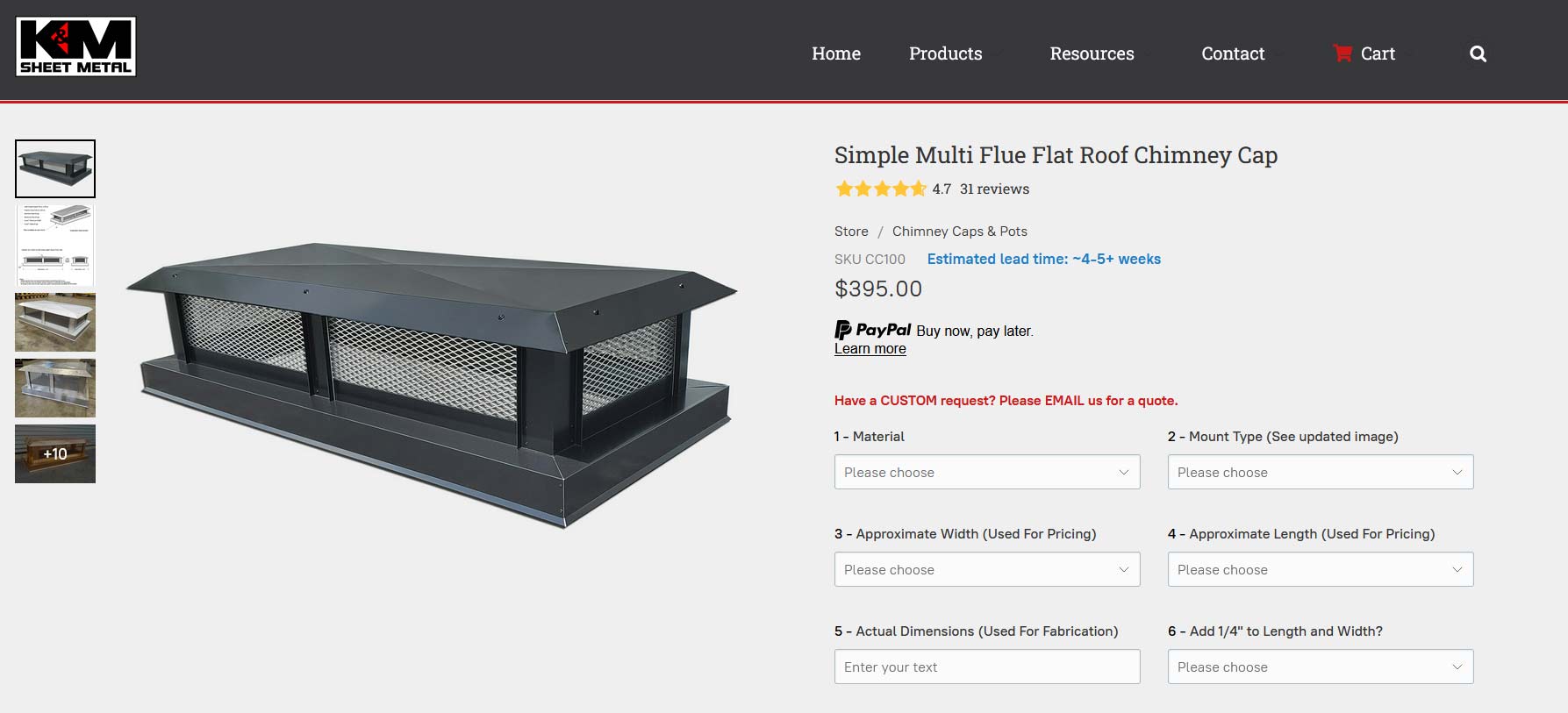
What's the point of a chimney cap?
A chimney cap is a small part that does a lot of heavy lifting for your chimney and your roof:
| Purpose | Explanation |
|---|---|
| Keeps water out | Blocks rain, snow, and moisture from getting down the chimney. |
| Stops animals | Keeps birds, squirrels, and raccoons from nesting inside. |
| Helps with draft | Cuts down on downdrafts that shove smoke back into the house. |
| Spark arrestor | Catches sparks and embers before they land on your roof. |
| Blocks debris | Keeps leaves, twigs, and other junk from clogging the flue. |
A solid chimney cap is cheap insurance. It saves you from pricey repairs by keeping weather, animals, and debris out of the chimney in the first place.
Why should I clean my dryer vent, and how often?
Dryer vents fill up with lint over time, and a clogged one turns into a serious fire hazard. Here's why staying on top of it is worth doing:
- Fire prevention: Lint is highly flammable, and clogged vents are a leading cause of house fires.
- Better dryer performance: A clear vent dries clothes faster and saves you time and energy.
- Longer appliance life: Less strain on the dryer means it lasts longer before it quits.
Clean your dryer vents at least once a year, and more often if you've got a big household or run the dryer every day.
How are wood-burning stoves different from regular fireplaces?
Wood stoves and traditional fireplaces work pretty differently once you get past the fact that both burn wood:
| Feature | Wood-Burning Stove | Traditional Fireplace |
|---|---|---|
| Heat Output | Holds heat well, much more efficient | Loses heat fast, more decorative |
| Efficiency | Up to 80% efficient | 20-30% efficient |
| Airflow Control | Adjustable airflow for better control | Fixed airflow, less control |
| Fuel Use | Runs on firewood or wood pellets | Uses logs and kindling |
| Installation | Freestanding standalone units | Built into the wall |
For real heat output and efficiency, a wood-burning stove wins, and that matters a lot through a cold Colorado winter when you're leaning on it to keep the house warm.
What safety steps do you follow during a chimney sweep?
Our crew sticks to a strict safety routine on every job:
- Drop cloths down: Floors and furniture stay clean from start to finish.
- Protective gear on: Our techs wear PPE so the cleaning stays safe for everyone.
- The right tools for your flue: Brushes, rods, and vacuums sized to keep the mess down.
- Carbon monoxide check: We look for CO risks from cracked or failing flues.
- Fire hazard check: We deal with creosote buildup and any blockages we find.
These steps keep your home clean and your chimney safe and ready to run all winter.
How long does a chimney sweep take?
A standard chimney sweep usually runs 45 minutes to 1.5 hours, depending on a few things:
- The type of chimney (wood, gas, or pellet stove)
- How much creosote has piled up
- How easy the chimney and flue are to reach
Bigger jobs that need flue tile repairs, blockage clearing, or animal removal will take longer. We'll always give you a realistic time window before we start so your day isn't a guessing game.
Does the altitude in Basalt change anything?
It does, and it's worth knowing. At Basalt's elevation the air is thinner, so chimneys draft a little weaker than they would down at sea level. That means even a modest amount of creosote or a partial blockage can tip a fireplace into smoking back into the room. It also means proper liner sizing and a clean flue matter more here than almost anywhere. When we sweep a chimney in the valley, we're paying attention to how that fire is going to pull on the coldest, stillest nights, not just whether the flue looks clean today. For more on safe wood burning at altitude, the U.S. EPA's Burn Wise program is a solid resource, and it lines up with how we work.
Get Your Chimney in Top Shape This Season
Why wait around for a problem to show up on the coldest night of the year? Book your professional chimney sweep in Basalt, CO, and let our crew handle the climbing, sweeping, and inspecting so you don't have to. We're focused on doing the job right, keeping your house clean, and giving you straight answers. Call us at (720) 207-9232 for a free estimate, or reach out through our services page and see what it's like to work with a company that genuinely cares about your home.