The best firewood for Colorado is dry, dense hardwood that’s been split and stacked for at least a year, and after more than two decades of cleaning chimneys along the Front Range I can tell you it matters more than almost anything else you do. Folks spend money on a fancy insert or a fresh liner and then feed it wet pine they cut last month. Then they call me in February wondering why the glass is black and the house smells like a campfire. What you burn shows up in your chimney, plain and simple.
I’m Adam. I’ve owned this company since 2001, and I’ve scraped enough creosote out of Denver chimneys to know which woodpiles cause trouble. Let’s walk through what burns well up here at altitude, what you should keep out of your firebox, and how a little patience with seasoning saves you a sweep bill down the road.
What Makes the Best Firewood for Colorado
 Two things decide whether a piece of wood is worth burning: how dense it is and how dry it is. Dense wood packs more fuel into each log, so it burns longer and hotter. Dry wood lets that fuel turn into heat instead of steam. Get both right and you’ve got a clean, hot fire. Miss either one and you’re making smoke, wasting wood, and coating your chimney with the sticky stuff I get paid to remove.
Altitude throws a wrinkle into all this. Up here the air’s thinner, so your fire gets less oxygen than the same fire would at sea level. A marginal piece of wood, something a little too green or a little too soft, struggles even harder to burn clean in a Denver firebox than it would back east. The dry climate helps on the seasoning side, but thin mountain air is unforgiving once that log is in the fire.
Here’s the short version of what I tell every customer who asks me at the truck:
- Density wins. A cord of oak holds a lot more heat than a cord of pine. You burn fewer logs and load the stove less often.
- Dry beats everything. Even the best hardwood burns poorly if it’s wet. I’d take well-seasoned pine over soggy oak any day.
- Local is fine. You don’t need exotic wood trucked in from three states over. Plenty of Colorado species burn great once they’re dry.
- Mix smart. Softwood to get the fire going, hardwood to keep it going. That combo works in most Front Range homes.
I tell people the woodpile is half the job. You can have the cleanest flue in Denver, but if you’re burning wet wood all winter, by spring I’m hauling out a coffee can of creosote anyway. Good wood is the cheapest insurance you’ll ever buy for your chimney.
- Adam, Owner, Adam Chimney Sweep
Best Hardwoods to Burn in Colorado
Hardwood is your workhorse fuel. It’s denser, so it burns slower and gives off steady heat that keeps a room warm for hours. We don’t have the giant hardwood forests they’ve got out east, but good hardwood is around if you know what to ask for. A lot of it comes from urban trees that came down in a storm or got cleared from a yard.
Oak
If I had to pick one, oak wins. It’s about as dense as firewood gets around here, it burns long and hot, and it leaves a nice bed of coals you can rebuild from in the morning. The catch is oak takes its time to season. Plan on a full year, closer to two for the big rounds. Rush it and oak will fight you, hissing and smoking instead of burning. Worth the wait, though.
Ash
Ash is my favorite for folks who don’t want to plan a year ahead. It burns clean and hot, splits easy, and seasons faster than most hardwoods because it starts out with less moisture in it. A lot of the ash on the market right now comes from trees lost to the emerald ash borer, so there’s a fair amount of it around the metro. Grab it when you see it.
Locust and Elm
Black locust is one of the hottest-burning woods you can get in Colorado, and it lasts forever in a stack. It’s a bear to split, but the heat is hard to beat on a cold night. Elm puts out solid warmth too, just know it’s stringy and stubborn under the maul. Both reward a little extra elbow grease.
Fruit woods
If you ever come across apple, cherry, or other fruit wood from an old orchard or a pulled-out backyard tree, hang onto it. It burns clean, throws good heat, and smells fantastic doing it. There’s never much around, so treat it as a bonus, not your main supply.
Half my customers think they need oak or nothing. Honestly, good seasoned ash will heat your house just fine and you won’t wait two years for it to dry. Burn what you can get locally and burn it dry. That beats chasing some perfect wood that’s still soaking wet in your stack.
- Adam, Owner, Adam Chimney Sweep
Softwoods: Fine for Kindling, Not for All Night
 Colorado is softwood country. Pine, fir, and spruce grow everywhere, and most of the wood you’ll be offered is some flavor of softwood. There’s a myth that you can’t burn pine because it’ll gum up your chimney. That’s not quite right. Dry, seasoned pine burns clean. The problem isn’t the pine, it’s that people burn it wet, since it’s soft enough to light even when it shouldn’t.
Softwood lights fast and burns hot and quick, perfect for getting a fire going on a cold morning or warming a room in a hurry. What it won’t do is hold heat overnight. It burns up too fast and leaves a thin bed of coals. So I think of pine and fir as starter wood. Use it to light the fire and take the chill off in October, then switch to hardwood once it’s genuinely cold.
One real warning on softwood: lodgepole and other pines that died in our beetle kill are everywhere in Colorado, and people grab them for firewood. Beetle-kill pine is fine to burn once it’s dry, but standing dead wood is not automatically seasoned wood. A tree that died on the stump can still hold plenty of moisture in the trunk. Cut it, split it, and check it before you trust it.
Seasoning and Moisture: The Part Everybody Skips
This is where most chimney trouble starts, so stick with me. Fresh-cut wood is loaded with water, often half its weight or more. Burn it wet and most of your fire’s energy goes into boiling that water off instead of heating your house. Worse, all that moisture cools the smoke as it rises, and cool smoke is exactly what coats your flue with creosote, the tar-like buildup that catches fire. You can read more on how that happens in my guide to preventing creosote buildup.
You want firewood at 20% moisture content or less. The dry Colorado air helps a lot here, but you’ve still got to give it time and stack it right. Here’s how I tell people to do it:
- Split it first. Wood dries from the cut faces, not through the bark. Smaller splits dry faster, so don’t leave big rounds whole and expect them to season.
- Stack it off the ground. Use pallets, a couple of two-by-fours, anything to get air underneath. Wood sitting on dirt wicks moisture right back up.
- Give it sun and wind. A spot with afternoon sun and a breeze dries wood far faster than a shady back corner.
- Top-cover only. Cover the top to keep snow and rain off, but leave the sides wide open so air moves through. Wrapping the whole pile in a tarp just traps moisture.
- Wait it out. Softwood needs about six months. Most hardwood wants a year, oak longer. Stack this year for next year and you’ll never be stuck burning green wood.
The cheapest tool you can buy is a moisture meter, about fifteen or twenty bucks at any hardware store. Split a piece open, press the pins into the fresh face, and read it. Under 20% and you’re good to burn. Over that and it goes back on the stack. That little gadget will save you more in chimney cleanings than it costs.
You can also just learn the signs of seasoned wood. Dry pieces are lighter than they look, the ends are cracked and checked, the bark peels off easy, and two of them knock together with a sharp hollow sound instead of a dull thud. After a winter or two of burning you’ll know the difference by feel.
That video shows what bad wood leaves behind. The hard, shiny creosote in there is what we call stage three, and it doesn’t brush off. That’s what burning wet wood season after season gets you, and clearing it out is a real job.
What NOT to Burn in Your Colorado Fireplace
Some stuff should never go in your firebox, and I see the damage from it more than I’d like. Most of these are flat-out bad for your health and your chimney, and a few will void your homeowner’s coverage if they cause a fire. Keep all of it out:
- Green or unseasoned wood. Already covered it, but it’s the number one cause of fast creosote buildup. If it’s wet, it doesn’t belong in the fire.
- Treated or painted lumber. Old deck boards, fence pickets, anything painted or stained. Burning it releases arsenic, chromium, and other poisons into your home. Never burn construction scraps.
- Plywood, particleboard, and OSB. The glues and resins in engineered wood give off toxic fumes when they burn. A lot of pallets are treated too, so skip those.
- Driftwood. It’s soaked up salt, and salt makes a corrosive smoke that eats your liner and damper. Pretty flames, bad idea.
- Cardboard, gift wrap, and glossy paper. They throw flaming bits up the flue and the coatings release nasty chemicals. A little plain newspaper to start the fire is fine. Stop there.
- Trash and yard debris. Plastic, foam, leaves, the dead Christmas tree. None of it burns clean, and a dry tree can flash into a chimney fire in seconds.
The thread running through that whole list is simple. If it’s wet, treated, or man-made, it doesn’t go in the fire. Clean firewood is plain wood that grew in the ground and dried in your stack.
The scariest stuff I find isn’t even the creosote. It’s the melted plastic and the staples from pallets stuck to the inside of a flue. People burn their trash to save a trip to the dump and they’re poisoning their own family and wrecking a liner that costs thousands to replace. Burn clean wood and only clean wood. Please.
- Adam, Owner, Adam Chimney Sweep
How Your Wood Choice Hits Your Chimney
Everything we’ve talked about lands in one place: your flue. Wet wood and junk wood make smoky, cool-burning fires, and that cool smoke condenses inside your chimney as creosote. Once you’ve got enough of it, one hot fire can set it off, and a chimney fire can crack your liner, ruin your masonry, or spread into the house. Dry hardwood burns hot and clean, the smoke leaves fast while it’s still hot, and far less of it sticks to your walls.
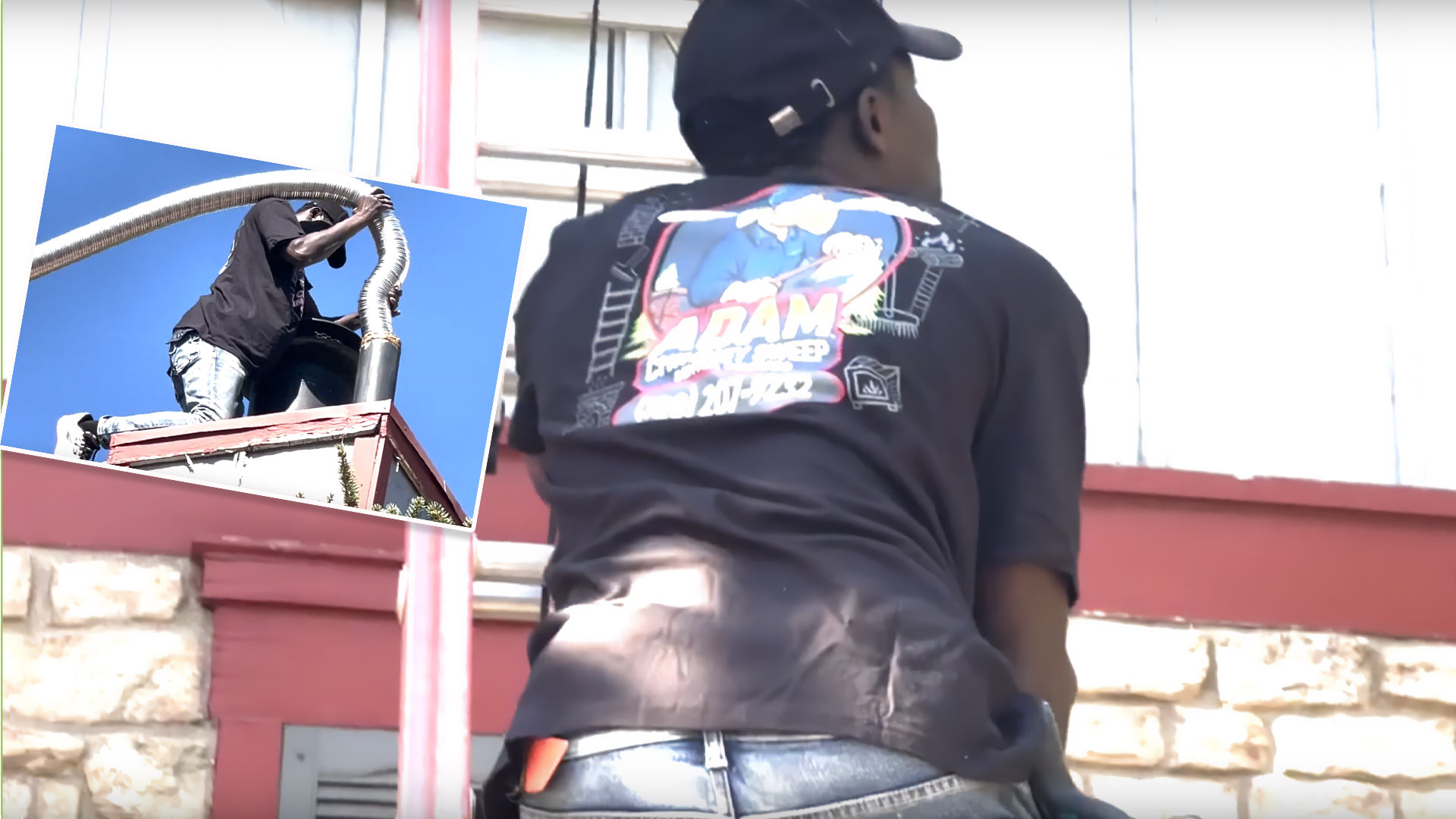
Burning good wood doesn’t get you off the hook for maintenance, though. Even a careful burner builds up some creosote over a season, which is why I still want to see every wood-burning chimney once a year for a cleaning and inspection. The difference is that the clean burner gets a quick, routine sweep, while the wet-wood burner gets the bad news that their flue is packed with stage-three glaze. If your liner’s already taken a beating, a fresh chimney liner brings it back to safe.
If you want to nerd out on the science, the EPA’s Burn Wise program has solid, no-nonsense info on dry wood and cleaner burning, and the folks at the Chimney Safety Institute of America back up everything I’ve laid out here about moisture and creosote. I’m not making this up to sell sweeps. It’s how chimneys work.
The Short Answer for Busy Folks
Burn dense hardwood like oak, ash, or locust when you want lasting heat. Use dry pine and fir to start fires and warm up in the shoulder seasons. Get your wood to 20% moisture or under, which means splitting and stacking it a year ahead. And keep treated wood, plywood, driftwood, and trash out of your firebox. Do that and you’ll burn warmer, breathe easier, and call me a lot less.
Got a chimney that’s seen a few seasons of less-than-perfect wood? Don’t guess what’s up there. Call Adam Chimney Sweep at (720) 207-9232 or reach out here and I’ll get you on the schedule for an honest look. We’ve kept Denver and Front Range families warm and safe since 2001, and I’d be glad to do the same for yours.